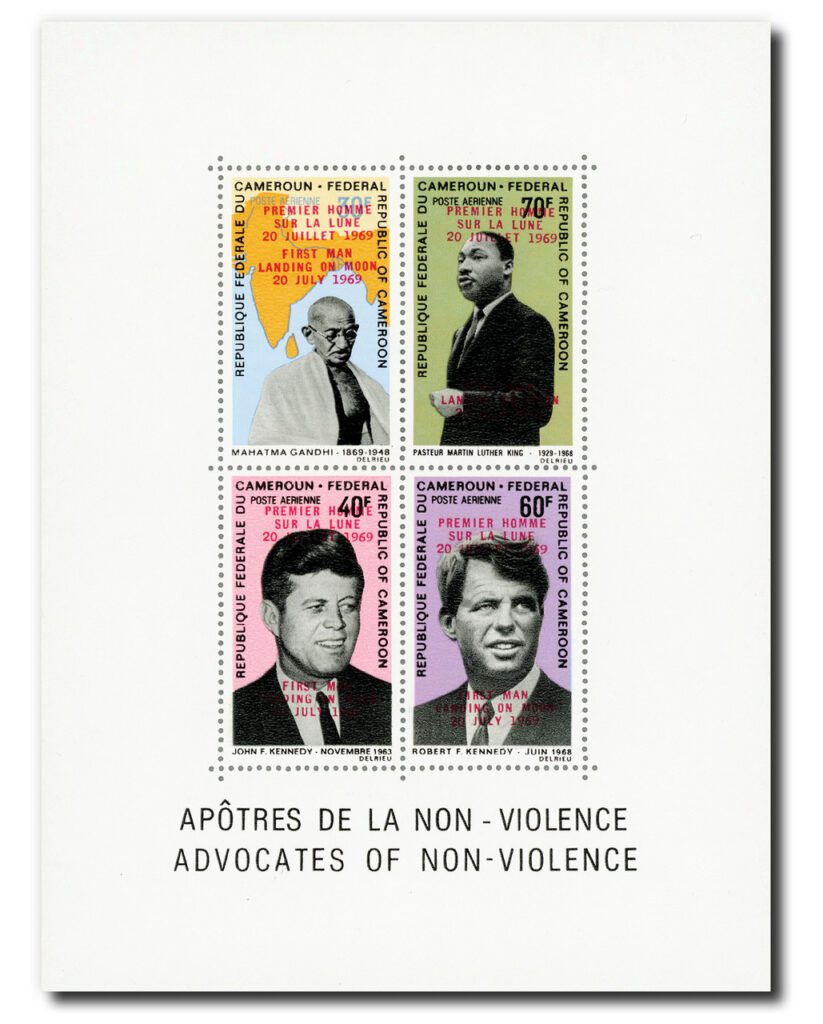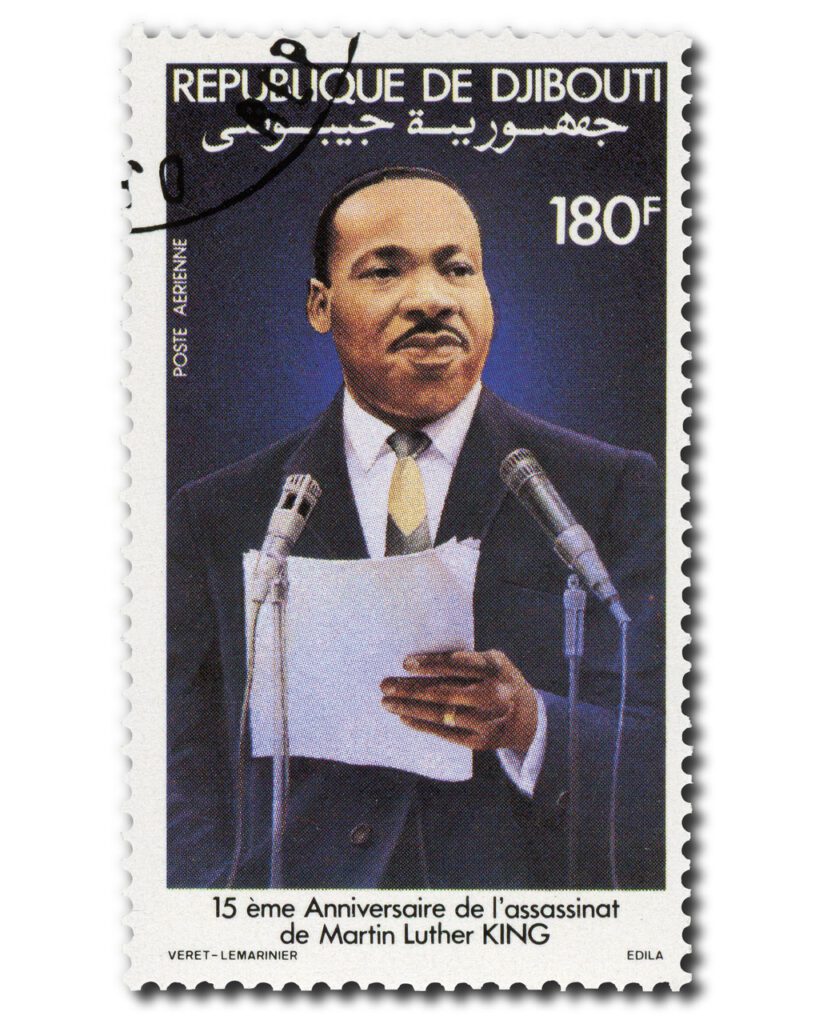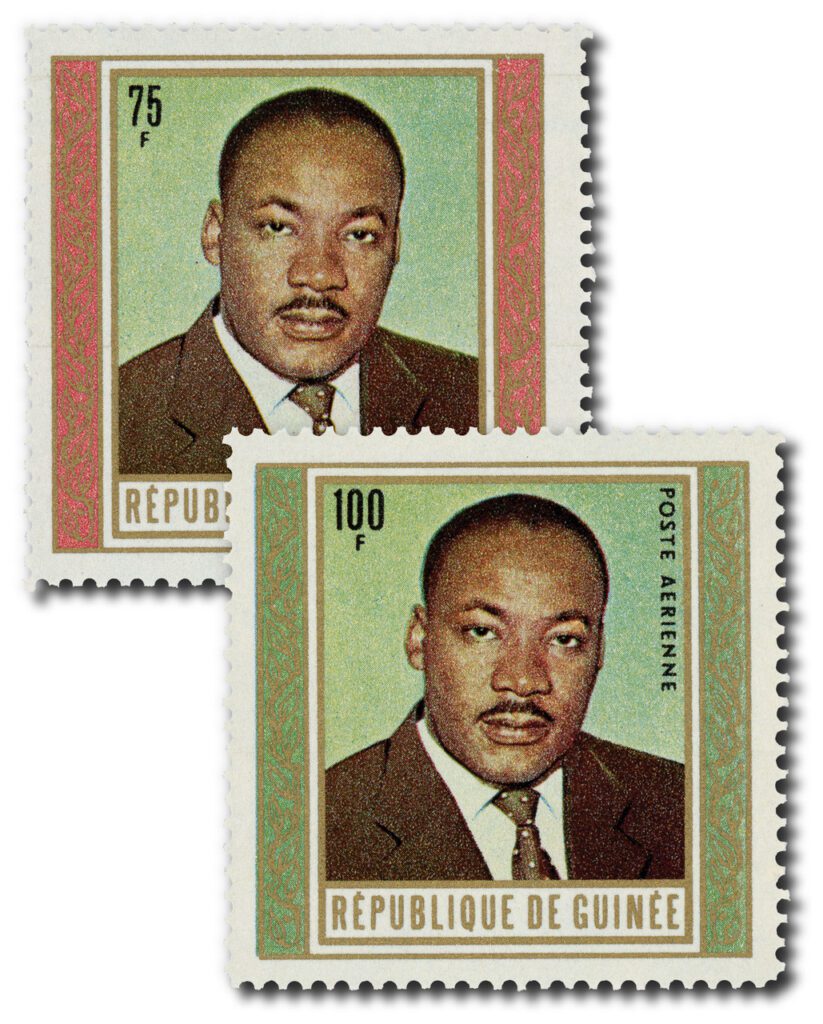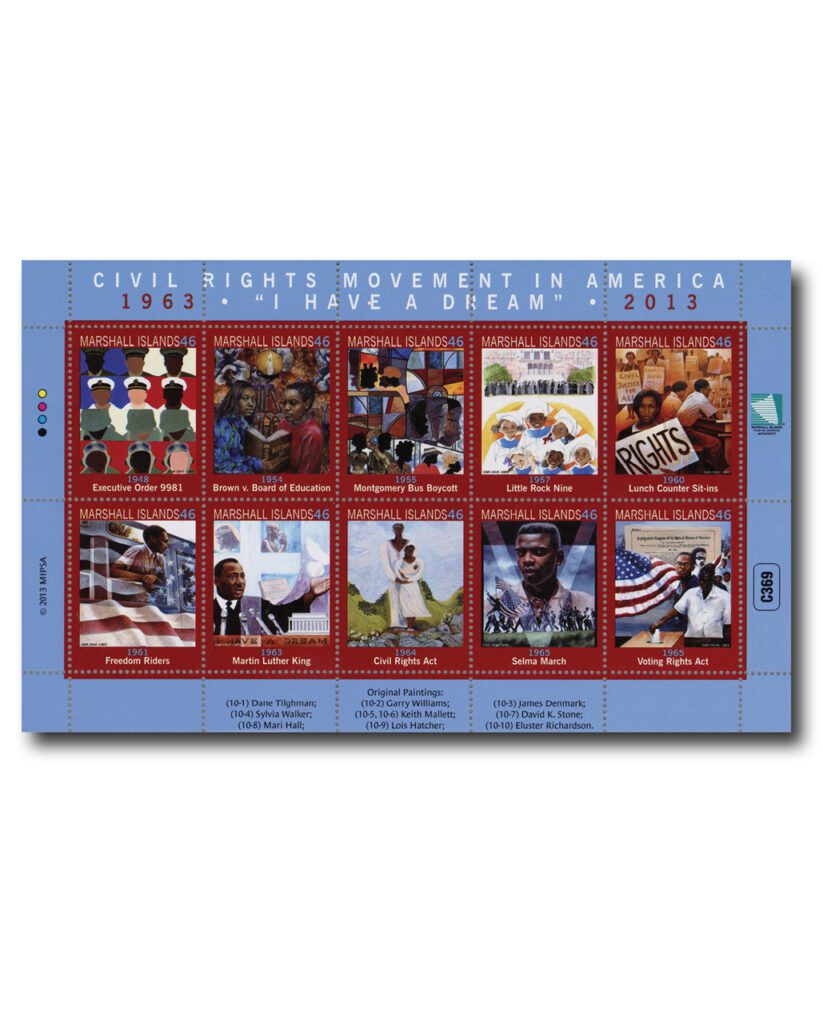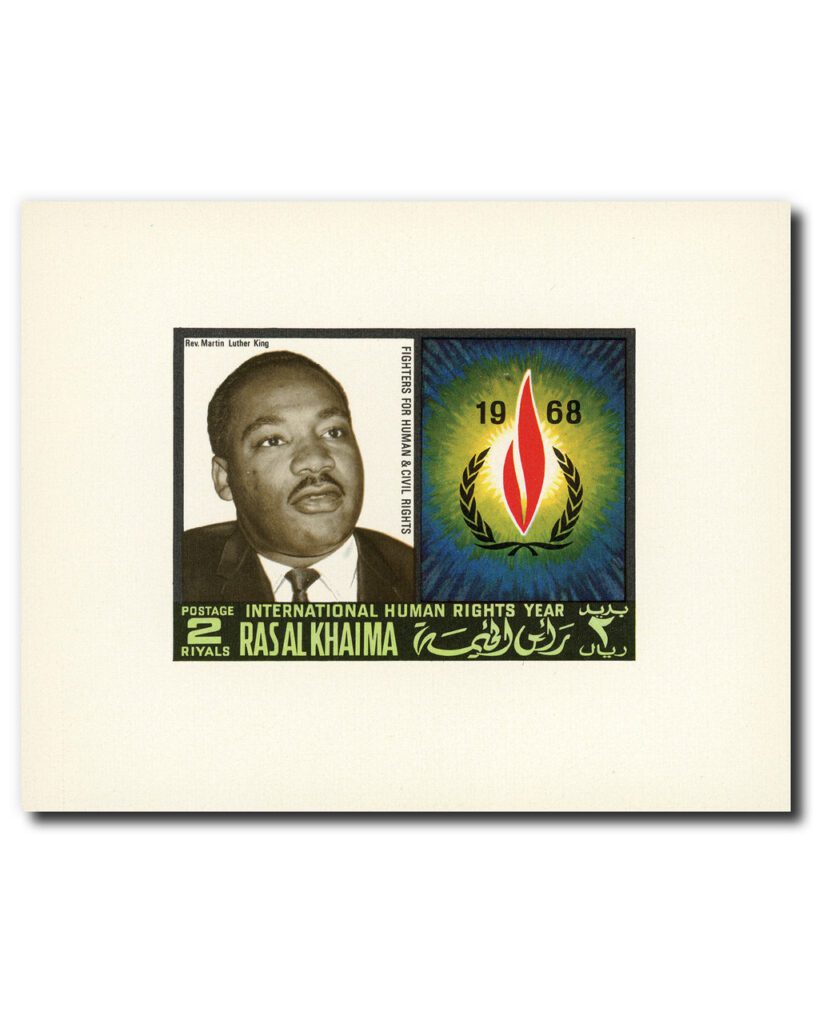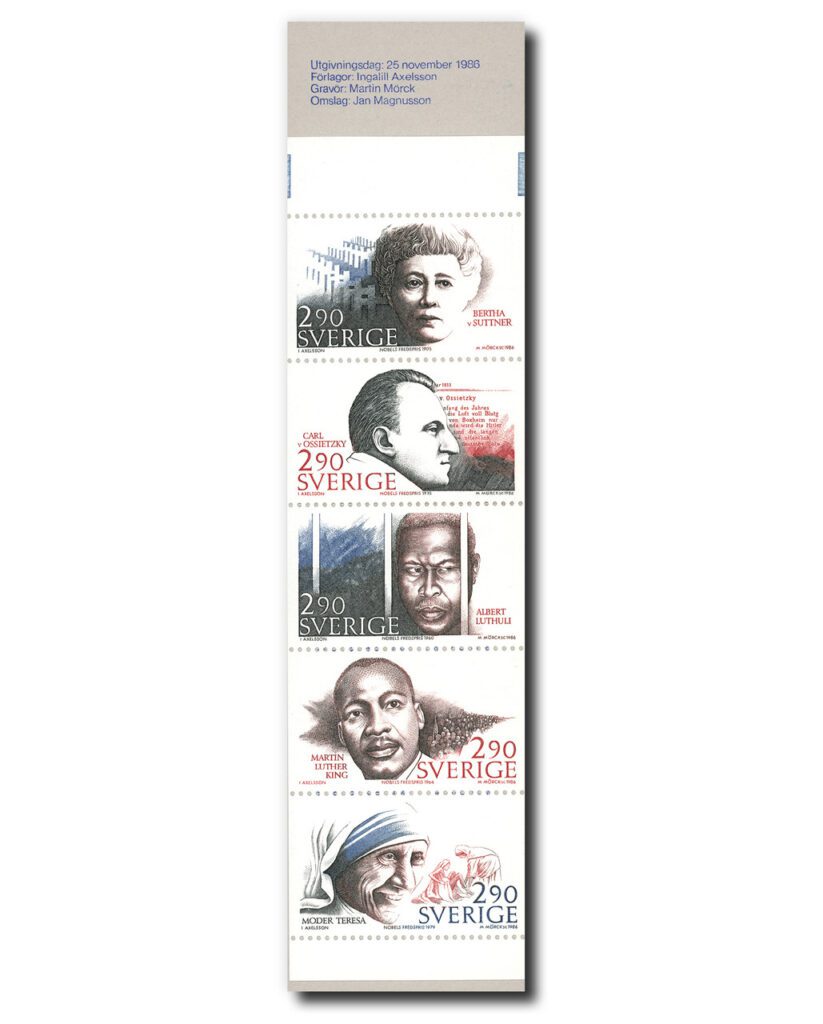
Martin Luther King Jr. and the Civil Rights Movement on Stamps
Martin Luther King Jr., born January 15, 1929, in Atlanta, GA, became one of the most recognized leaders of the Civil Rights Movement through his commitment to nonviolent action and moral leadership. He helped guide pivotal efforts such as the Montgomery Bus Boycott, led the Southern Christian Leadership Conference (SCLC), and spoke at the 1963 March on Washington, where he delivered his “I Have a Dream” address. In 1964, he received the Nobel Peace Prize for his nonviolent struggle for civil rights, and his life was cut short when he was assassinated on April 4, 1968, in Memphis, Tennessee. Each year, his birthday is honored on the third Monday of January as Martin Luther King Jr. Day, widely observed as a national day of service.
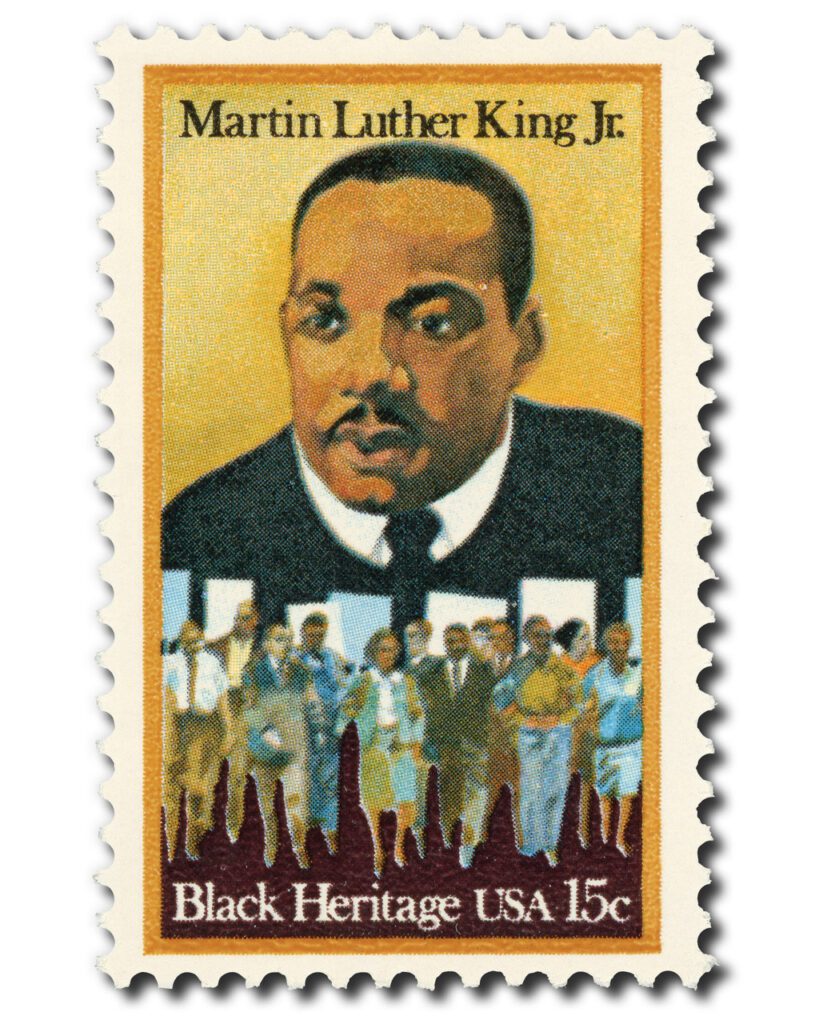
Collecting Martin Luther King Jr. and related Civil Rights stamps is one meaningful way to honor the people, communities, and sacrifices that shaped the struggle for equality in the US. These stamps carry a message about dignity, citizenship, and the responsibilities of a nation striving to live up to its ideals. For stamp collectors, they serve as historical touchstones, preserving names and moments that deserve remembrance, careful study, and continued reflection.
Martin Luther King Jr. and the Black Heritage Series
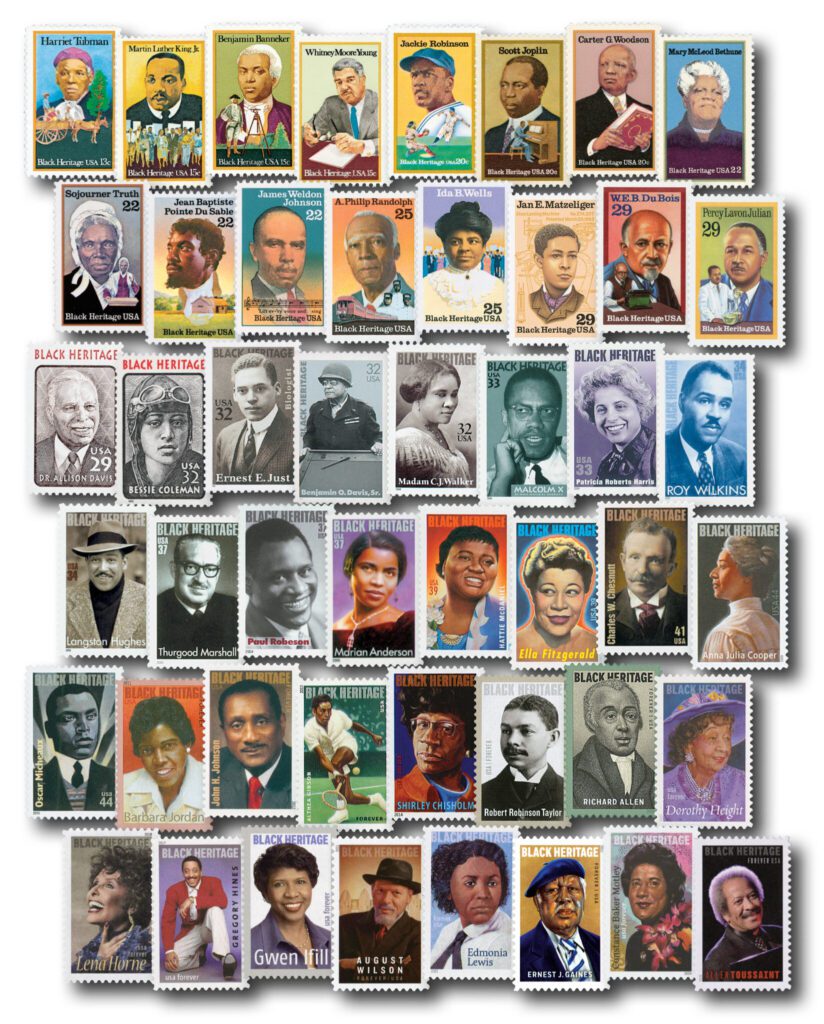
The Black Heritage Series began in 1978 with a stamp honoring Harriet Tubman, ten years after Dr. King was assassinated. The series continued the following year with a stamp honoring Martin Luther King Jr. Since then, a stamp has been added to the series each year in time for Black History Month, making it one of the longest running series in US philatelic history.
Click here for more information about the Black Heritage Series.
The 1963 March on Washington and King’s “I Have a Dream” Speech
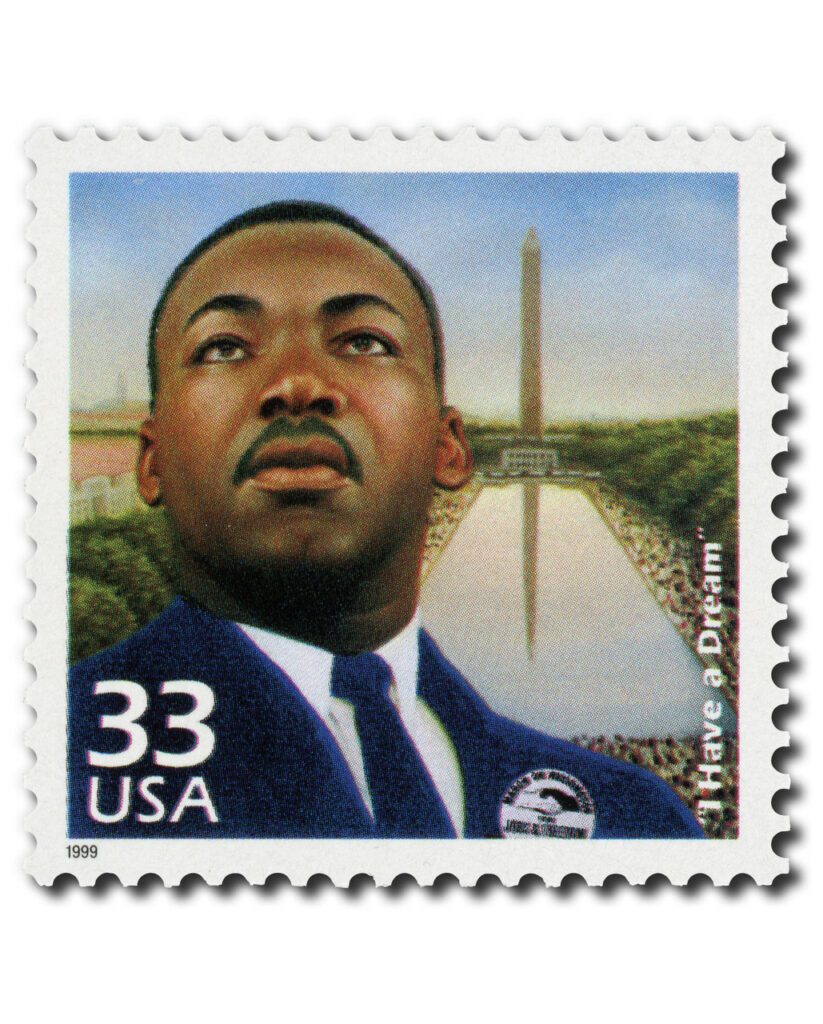
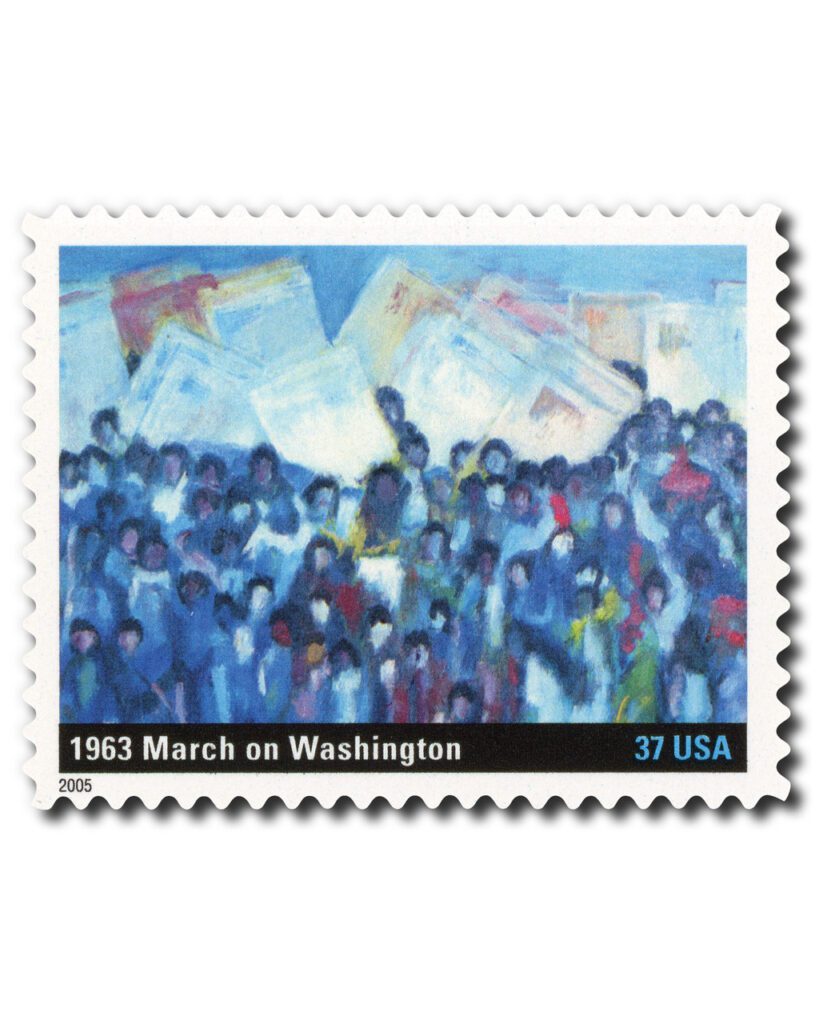
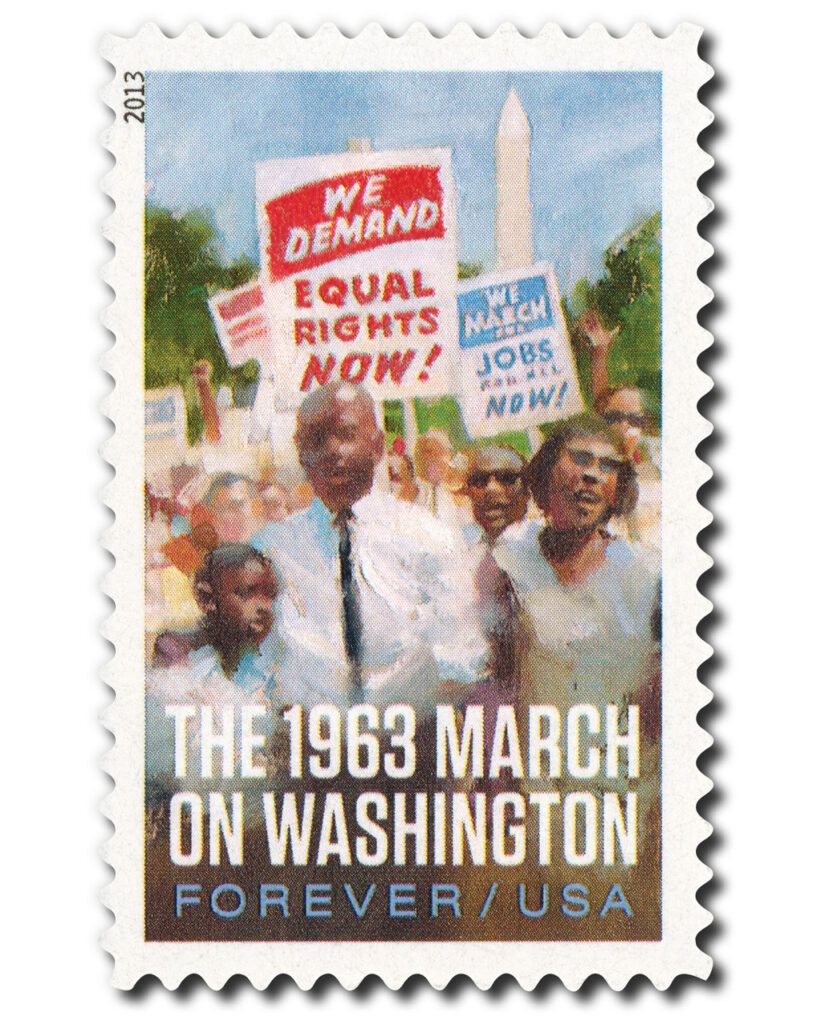
On August 28, 1963, the March on Washington for Jobs and Freedom brought an estimated 250,000 people to the National Mall in Washington, DC to demand both civil rights and economic justice. The demonstration—organized by a broad coalition of civil rights, labor, and faith leaders—began near the Washington Monument and moved down the Mall to the Lincoln Memorial, where speakers called for an end to discrimination and for meaningful federal action. From the Lincoln Memorial steps, Martin Luther King Jr. delivered his “I Have a Dream” speech, a defining address that helped make the march one of the most enduring and widely remembered events of the Civil Rights Movement.
The importance of the march and Dr. King’s speech were recognized when it was one of the subjects chosen for the 1999 Celebrate the Century stamps, in addition to being featured on other stamp issues.
More Stamps Honoring the Civil Rights Movement and Its Leaders
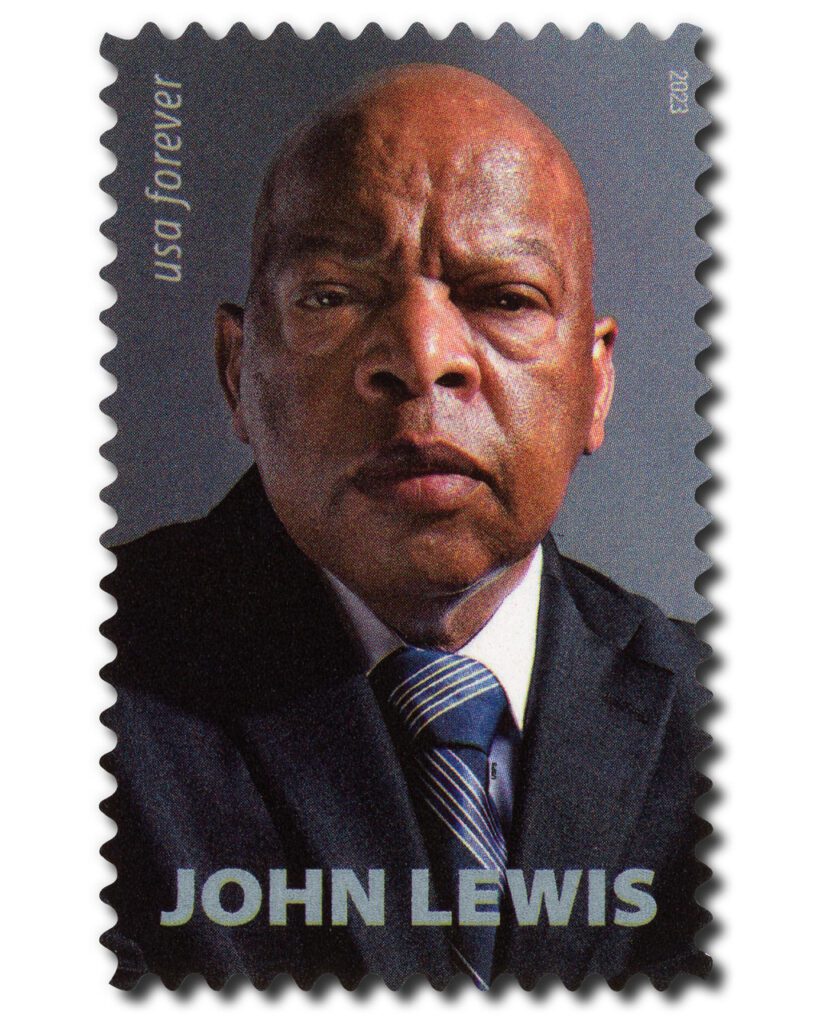
John Lewis devoted his life to the work of justice, from his early leadership in the Civil Rights Movement to his decades of service in Congress, where he was widely known as the “conscience of Congress.” As a leader in the Student Nonviolent Coordinating Committee (SNCC), Lewis helped organize nonviolent protests that challenged segregation and demanded equal rights. He also became the youngest speaker at the 1963 March on Washington, standing alongside other movement leaders and urging the nation to live up to its promises of freedom and equality.
Lewis’s courage was tested again and again, especially during the fight for voting rights. In 1965, he helped lead the Selma-to-Montgomery march that became known as “Bloody Sunday,” when peaceful marchers were brutally attacked on the Edmund Pettus Bridge. The images shocked the country and helped build support for the Voting Rights Act of 1965, a turning point in American history. In 2023, his legacy was honored when USPS issued a John Lewis Forever stamp, giving collectors a meaningful tribute to a man who never stopped pushing for a more just and inclusive America.
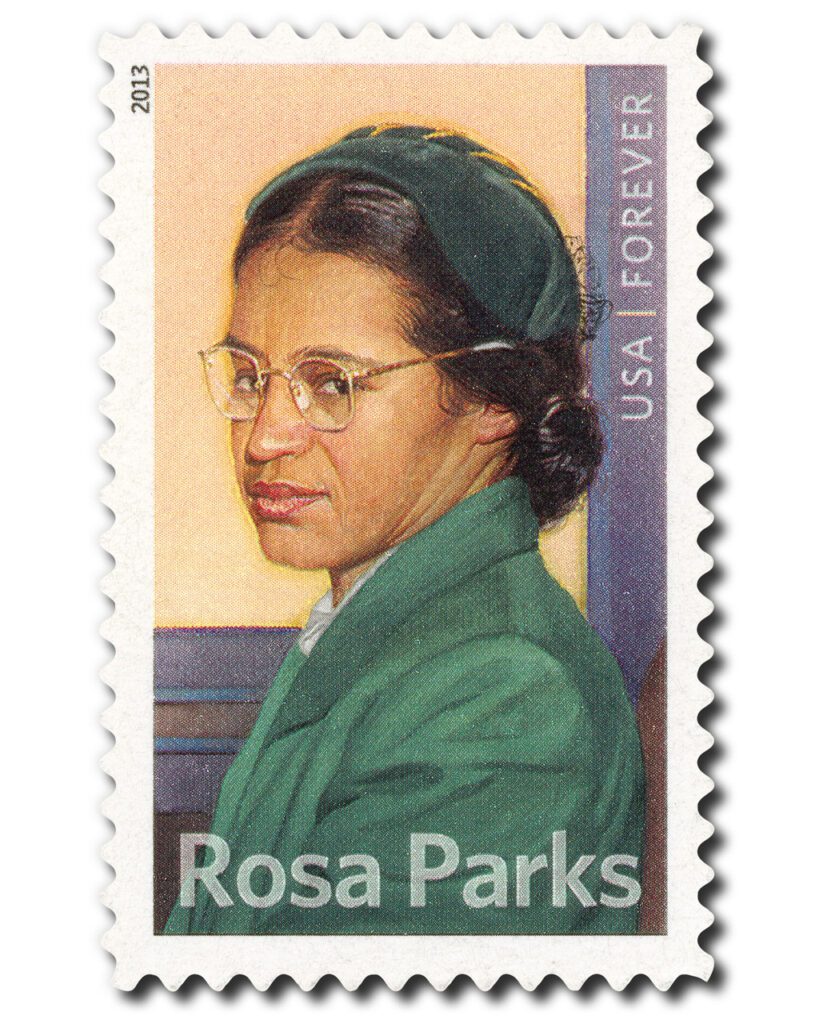
Rosa Parks is best known for the moment on December 1, 1955, when she refused to give up her seat to a white passenger on a segregated bus in Montgomery, Alabama. Her arrest became the spark that ignited the Montgomery Bus Boycott, a 381-day protest led by local Black citizens who were determined to challenge unfair treatment and segregation in public transportation. The boycott brought national attention to the Civil Rights Movement, and showed how powerful organized, nonviolent protest could be in creating change.
But Parks’s role in the movement went far beyond a single day. She had been active for years, working with the NAACP and supporting efforts to fight racial injustice and protect civil rights. After the boycott, she continued her advocacy work, eventually moving to Detroit and staying involved in civil rights causes for the rest of her life. Rosa Parks became a symbol of courage and dignity, proving that one person’s decision to stand firm could help inspire a movement, and push the nation closer to equality.
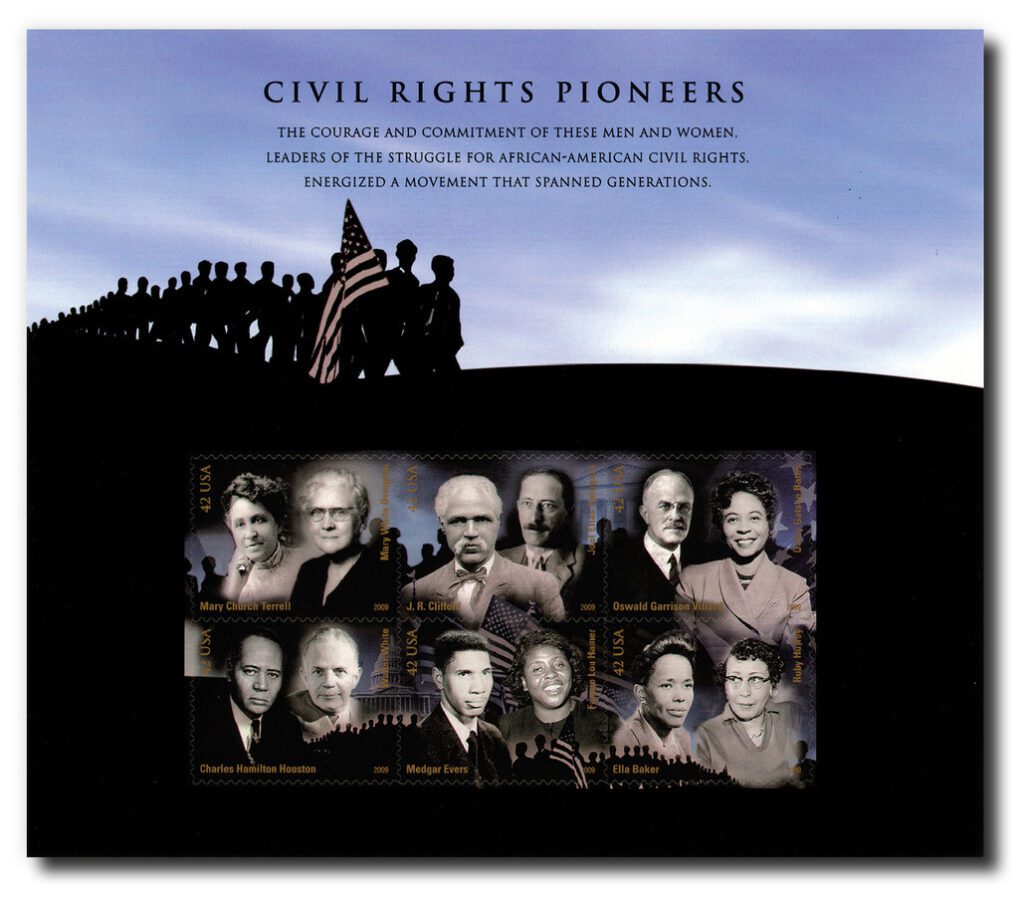
Issued on February 21, 2009, the Civil Rights Pioneers commemorative sheet was created to mark the NAACP’s 100th anniversary. The sheet contains six stamps, each stamp pairing two portraits—together honoring 12 men and women whose work advanced civil rights for Black Americans.
Founded in 1909, the NAACP (National Association for the Advancement of Colored People) grew out of an interracial organizing effort in New York that issued a call for a national conference on February 12, 1909, the 100th anniversary of Abraham Lincoln’s birth. From the beginning, the NAACP’s stated objectives focused on securing full equality and dismantling racial discrimination through democratic and legal means, including “political, educational, social, and economic” equality and the removal of barriers created by racial prejudice.
Over time, the NAACP became especially known for combining public advocacy, lobbying, and courtroom strategy. In the early 20th century, it prioritized anti-lynching legislation and organized national efforts to raise awareness and pressure Congress to act. During the mid-20th century, the NAACP’s legal work helped drive landmark change in education, including the victory in Brown v. Board of Education (1954) through the NAACP Legal Defense and Educational Fund’s litigation campaign. The organization’s Washington advocacy also played a role in advancing major federal civil rights legislation and voting rights protections in the decades that followed.
Worldwide Martin Luther King Jr. Stamps