American Circus History on US Stamps
The history of the circus in America is usually traced to 1793, when John Bill Ricketts staged what is widely recognized as the first circus performance in the United States, in Philadelphia. From the beginning, the circus blended athletic skill, spectacle, and humor, creating a form of entertainment that quickly captured public attention.
P.T. Barnum, Bailey, and the Rise of the Big Top
As the 1800s progressed, the American circus grew into one of the nation’s biggest popular entertainments. Major names helped define that growth, especially P.T. Barnum, James A. Bailey, and the Ringling Brothers. Barnum and Bailey built one of the most famous circus enterprises in history, and the Ringlings later expanded that legacy even further, helping make the circus a major part of American culture.
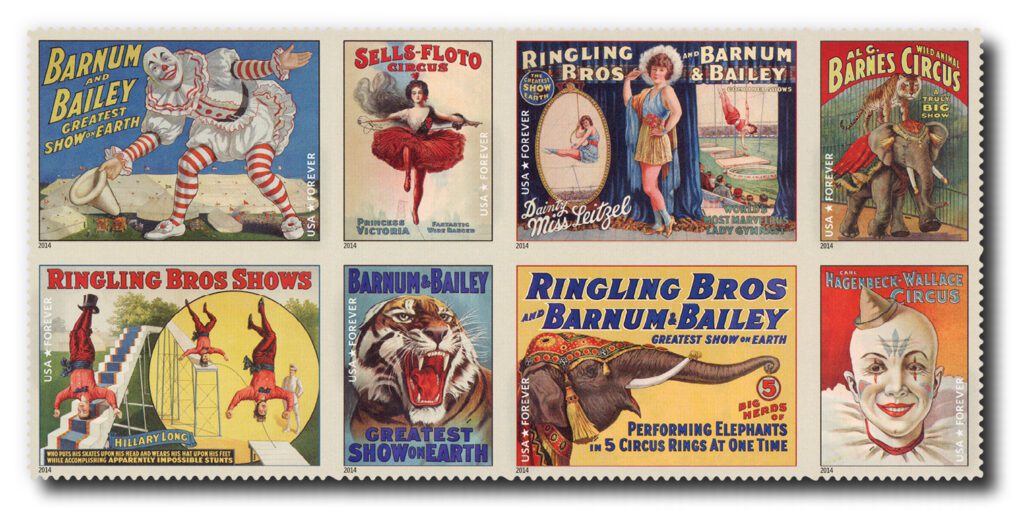
4898-4905 – 2014 First-Class Forever Stamp, Vintage Circus Posters
By the late 19th and early 20th centuries, the circus had become a full-scale American phenomenon. Huge traveling shows, bold advertising posters, and famous performers turned the big top into a symbol of excitement and wonder. For many Americans, a circus coming to town was one of the biggest events of the year.
Classic Circus Acts and Performers
A traditional circus show was built around a handful of unforgettable acts, each adding its own kind of excitement to the performance. The ringmaster tied everything together, standing at the center of the spectacle as master of ceremonies and guiding the audience from one attraction to the next. Around him, the circus delivered a carefully balanced mix of danger, comedy, skill, and showmanship.
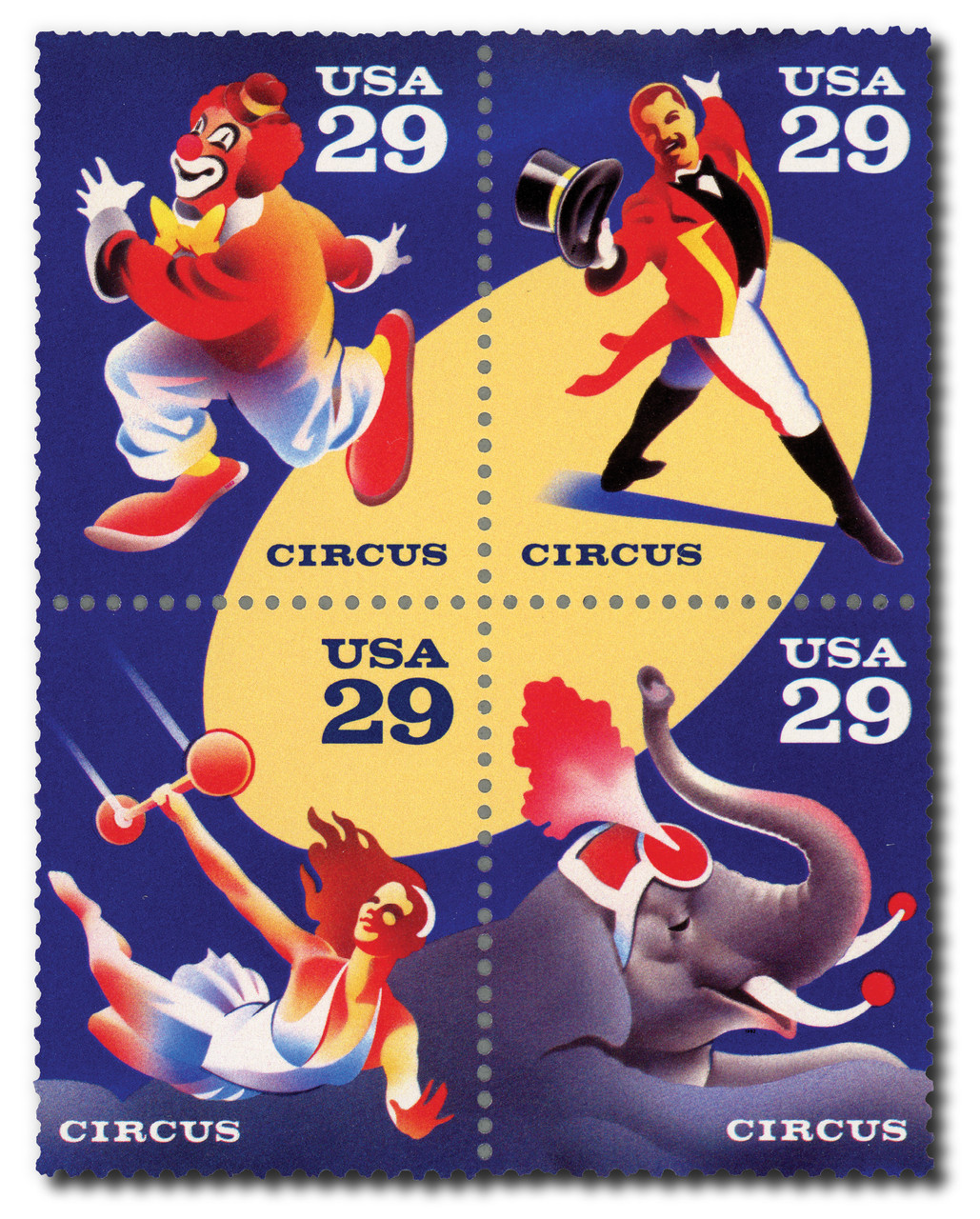
Among the most recognizable performers were clowns, trapeze artists, elephant acts, and lion tamers. Clowns brought humor and energy to the ring, often appearing between larger acts and helping keep the show lively. Trapeze artists added suspense and daring, soaring high above the crowd in displays of timing, balance, and nerve. Elephant acts became one of the most famous sights under the big top, admired for their scale, discipline, and pageantry. Lion tamers represented the circus at its most dramatic, presenting an image of danger and command that fascinated audiences. Together, these acts helped define the classic American circus and created the memorable mix of wonder and excitement people expected when the circus came to town.
The 2014 Circus Souvenir Sheet
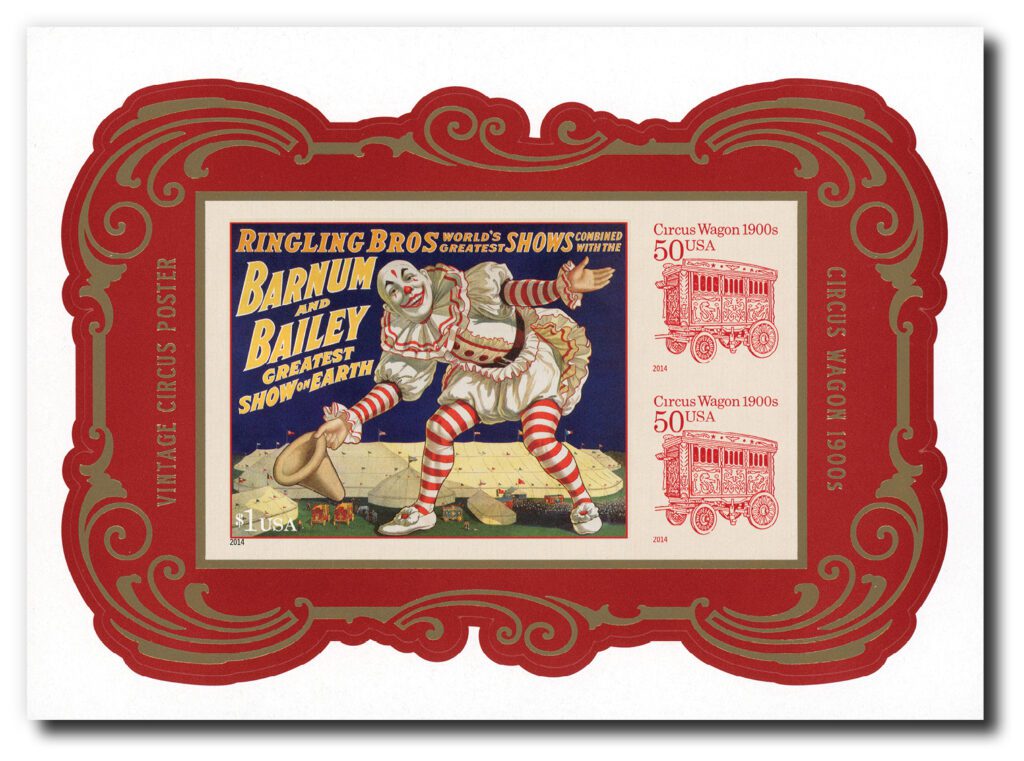
4905c – 2014 $2.00 Circus Souvenir Sheet
US #4905c is a notable modern US souvenir sheet because it brings together two different circus-themed stamp designs in one collectible format. The sheet includes one $1 stamp based on a Vintage Circus Posters design and two matching 50¢ Circus Wagon stamps adapted from the Transportation Series, giving the issue a distinctive combination of colorful poster art and classic engraved-style imagery. That unusual design mix helps #4905c stand out among recent US souvenir sheets and makes it especially appealing for stamp collectors who enjoy modern varieties.
The Circus souvenir sheet was only available from press sheets of 12 souvenir sheets, or through the purchase of the 2014 Stamp Yearbook. The press sheets included die cutting around the souvenir sheet margins, but were otherwise imperforate. The sheets from the 2014 Stamp Yearbook are die cut around the three stamps, and were punched out of the press sheet, so they lack the white press sheet margin.
Circus Wagon Stamps in the Transportation Series
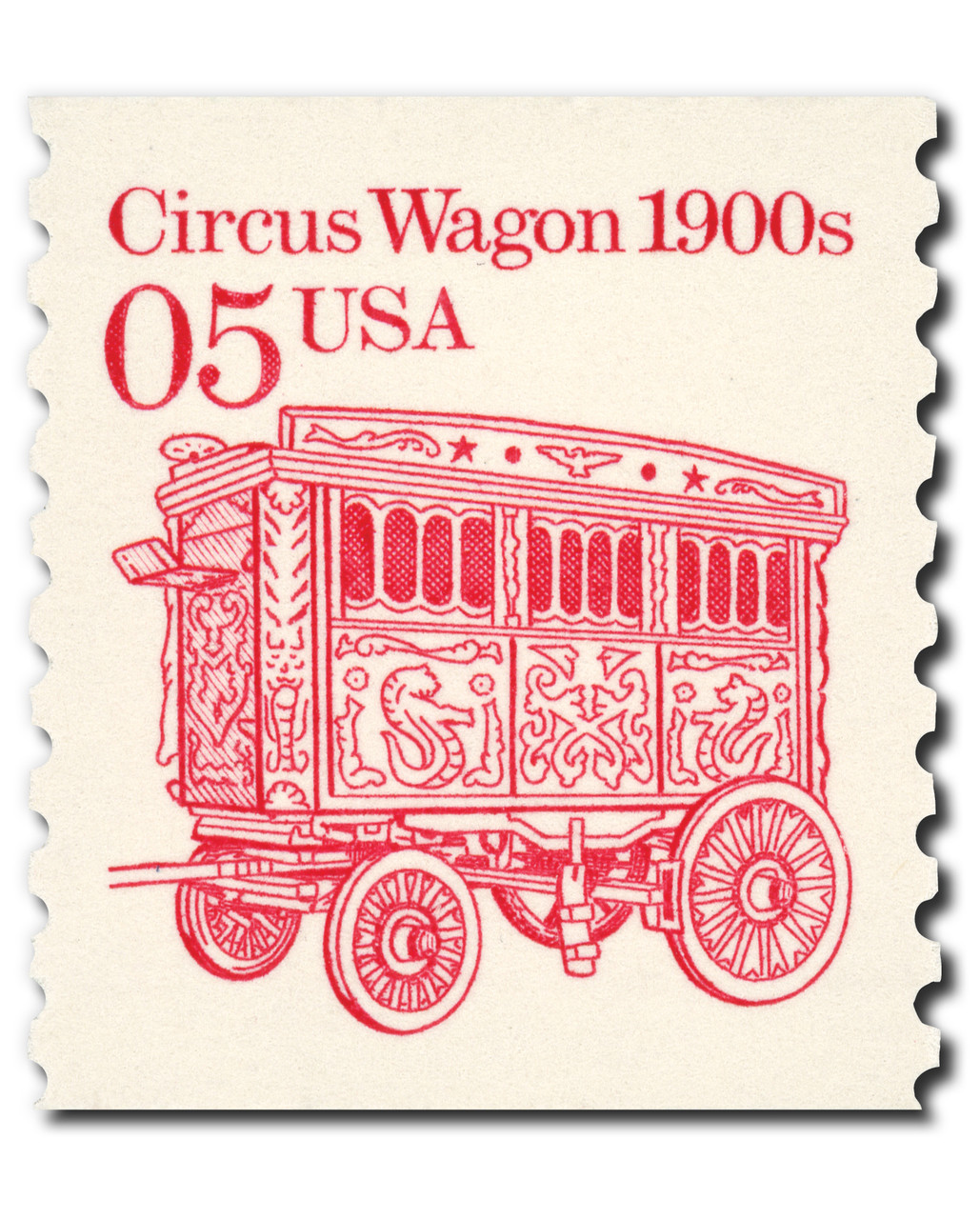
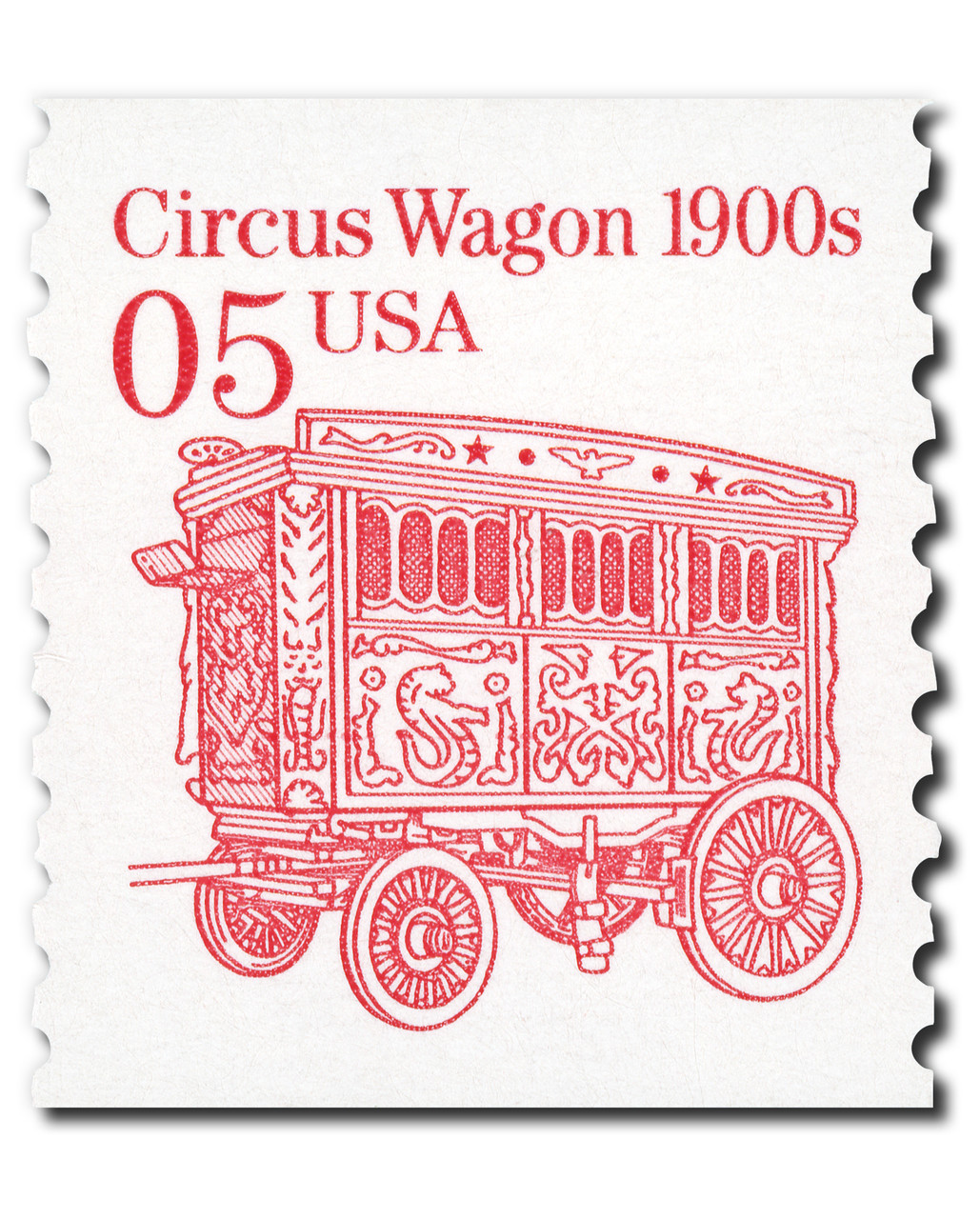
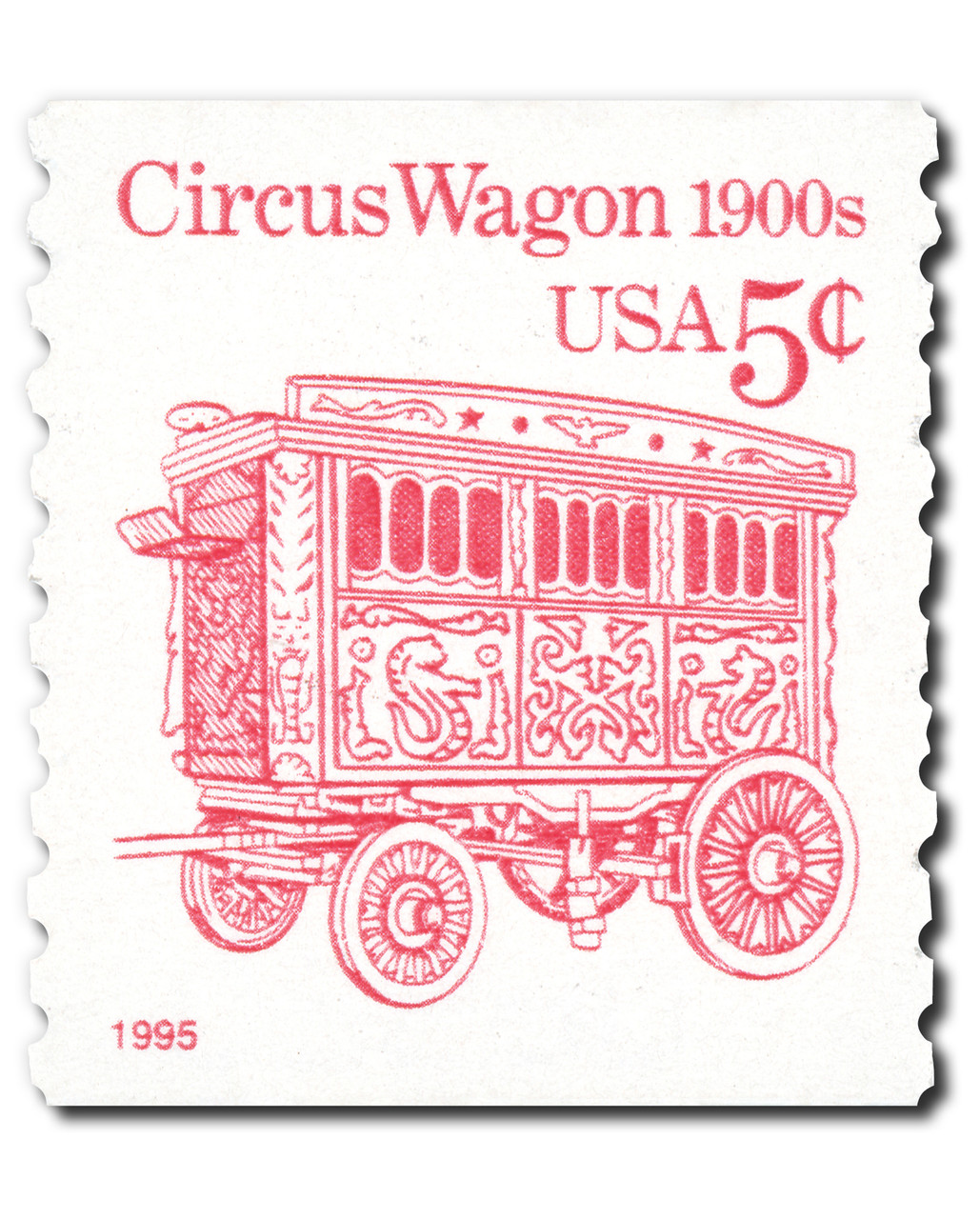
The Circus Wagon stamps from the Transportation Series picture a richly decorated wagon typical of the grand traveling circuses of the early 1900s. The original 5¢ Circus Wagon stamp was first issued on August 31, 1990, as part of the long-running Transportation Series, the popular coil definitive set that celebrated historic methods of travel and transport. The design reflects how circus wagons became more elaborate over time, with painted panels, ornamental woodwork, and gilded lettering used to turn a wagon into rolling advertisement and spectacle.
The 1992 reprinting kept the same basic 1900s Circus Wagon subject, but it was produced by photogravure rather than the engraved process used for the 1990 issue, and the shading on the left side of the wagon was made thicker and more uniform. Then, in 1995, the Circus Wagon was reprinted again with even more noticeable design changes: the denomination was changed from “05” to “5¢” to avoid confusion, and the value and “USA” were moved from the upper left to the upper right. The 1995 issue also added the year at the bottom.
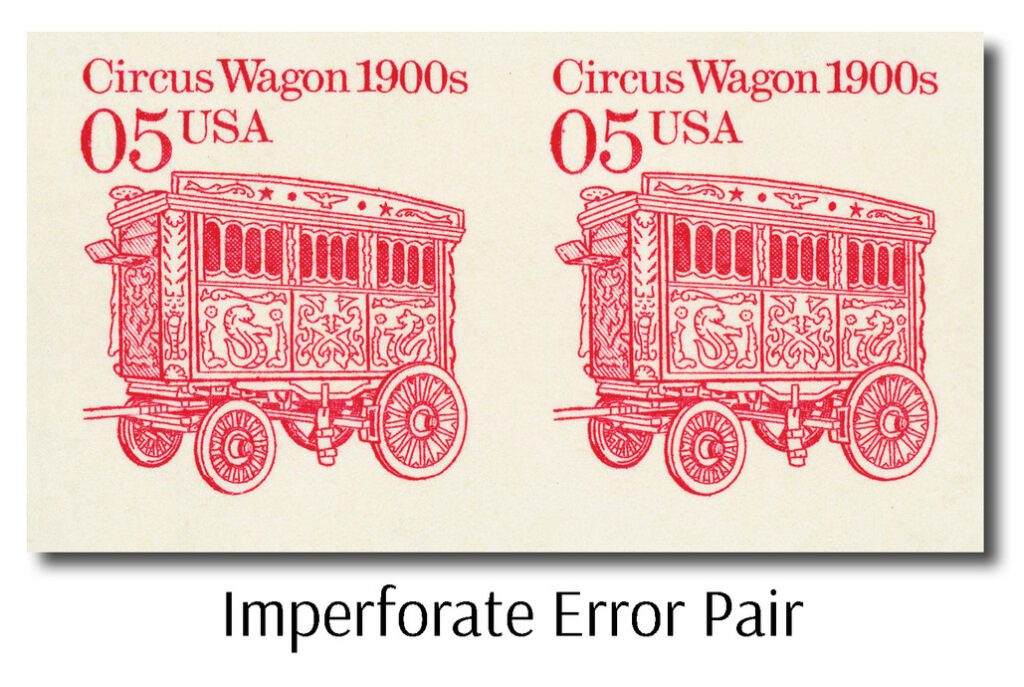
2452c – 1990 5c Transportation Series: 1900s Circus Wagon, Imperf. Error
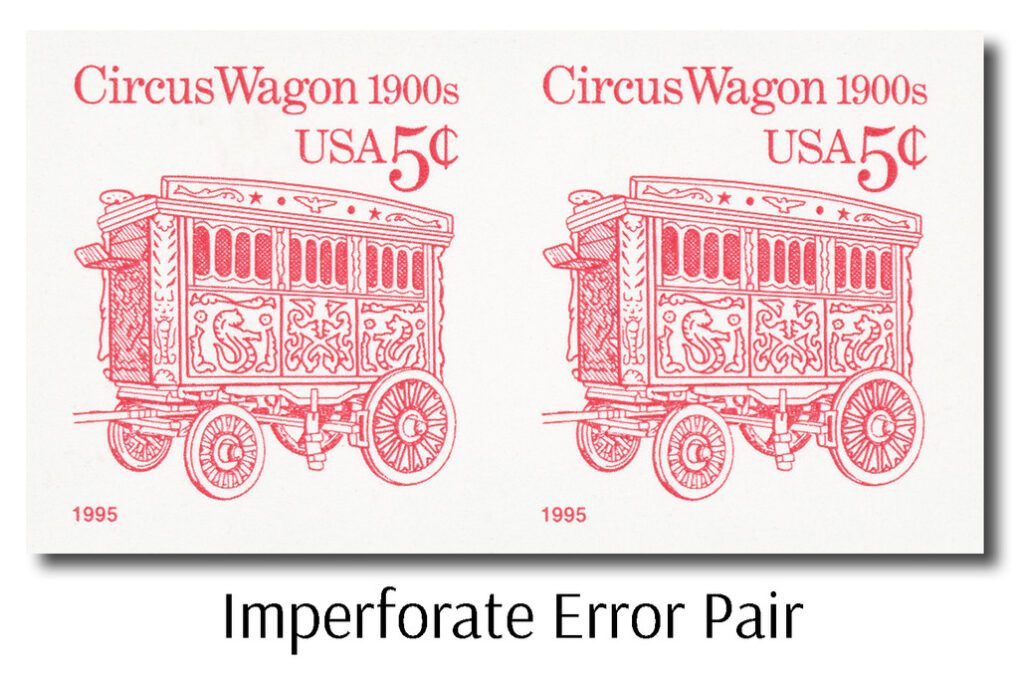
2452De – 1995 5c Transportation Series: 1900s Circus Wagon Reissue, Imperf. Error
A number of different Transportation coils are known with imperforate errors, including among the Circus Wagon stamps. Examples are usually saved and collected as pairs to prove the absence of perforations.
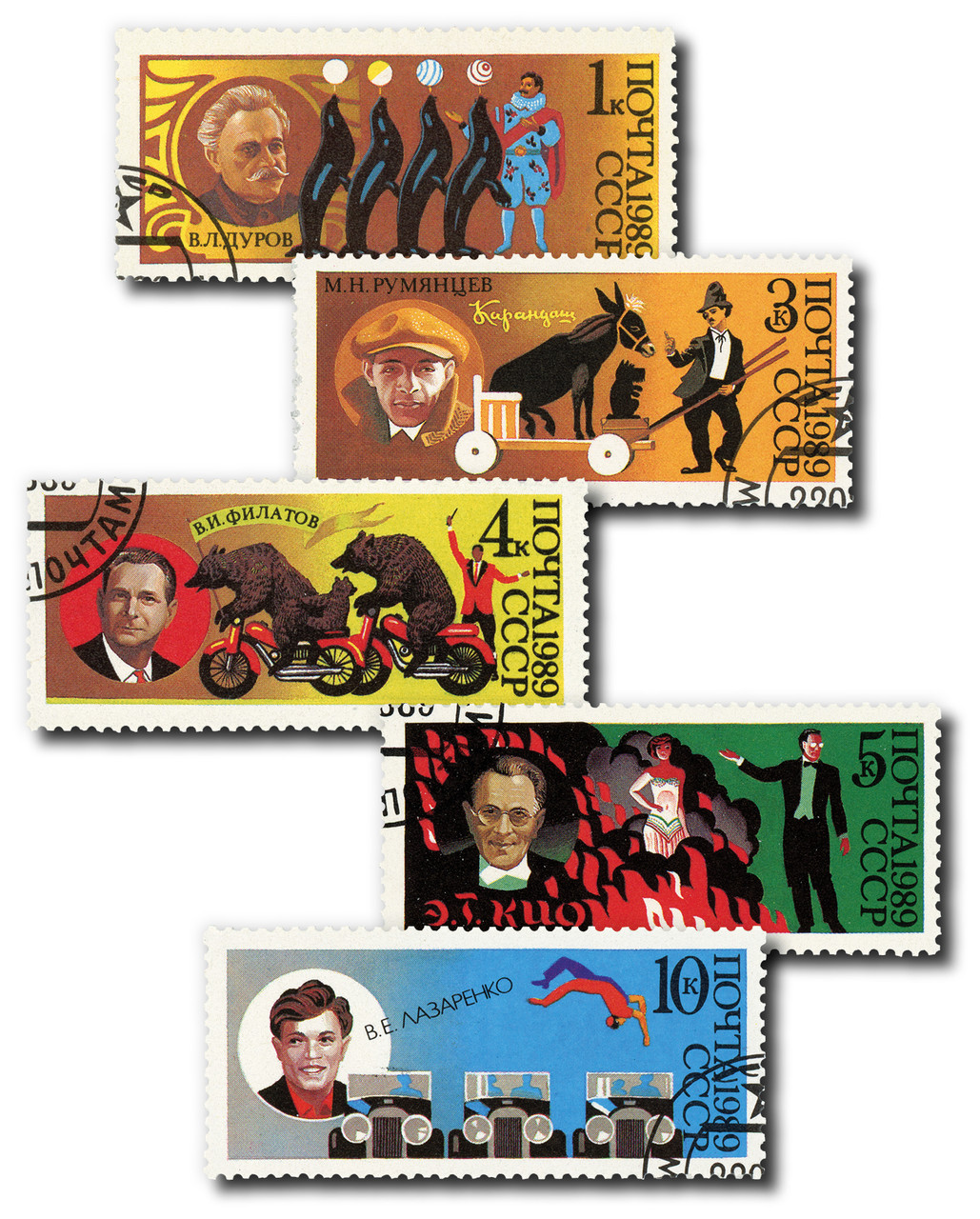
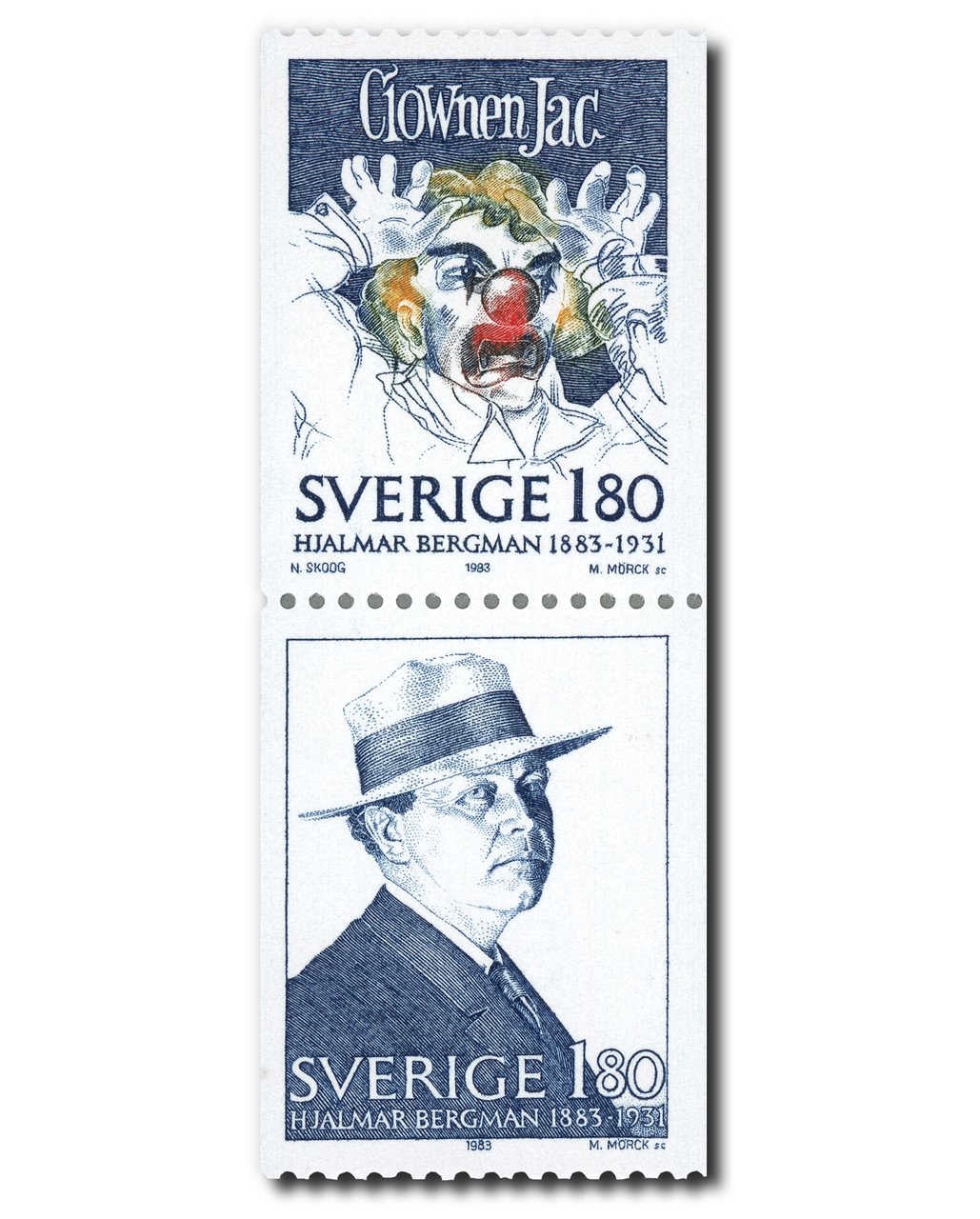
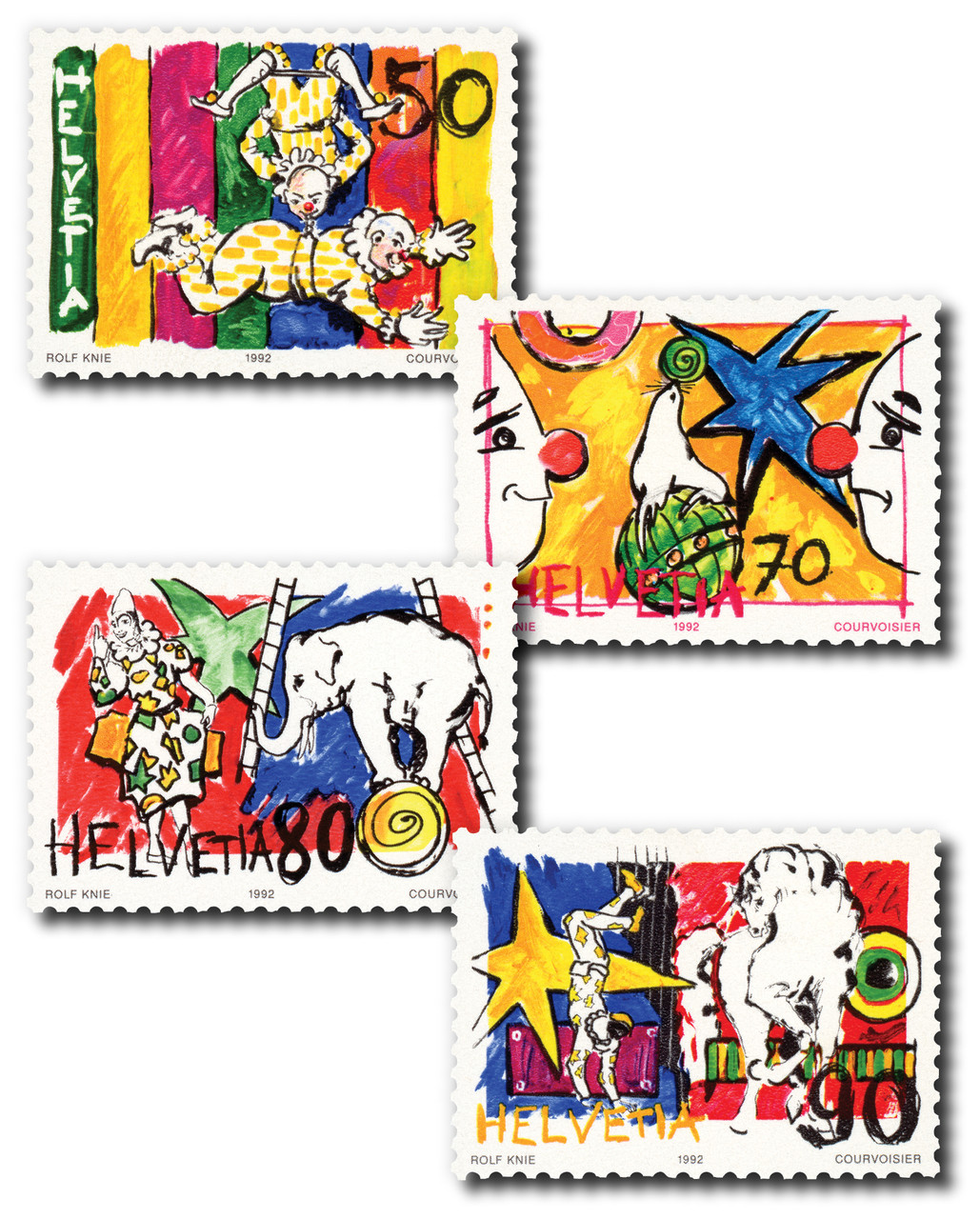
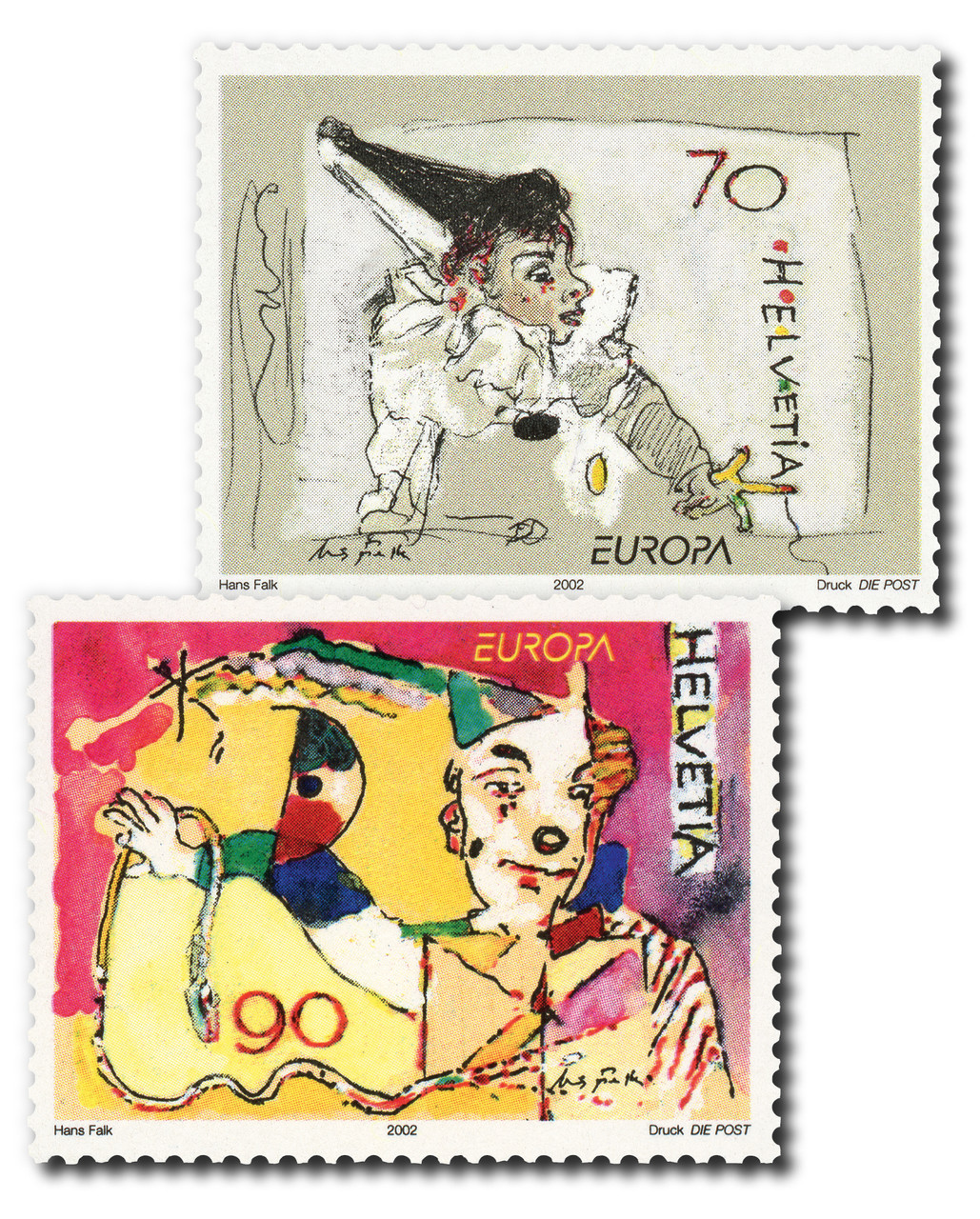
Collection of US and Worldwide Circus Stamps
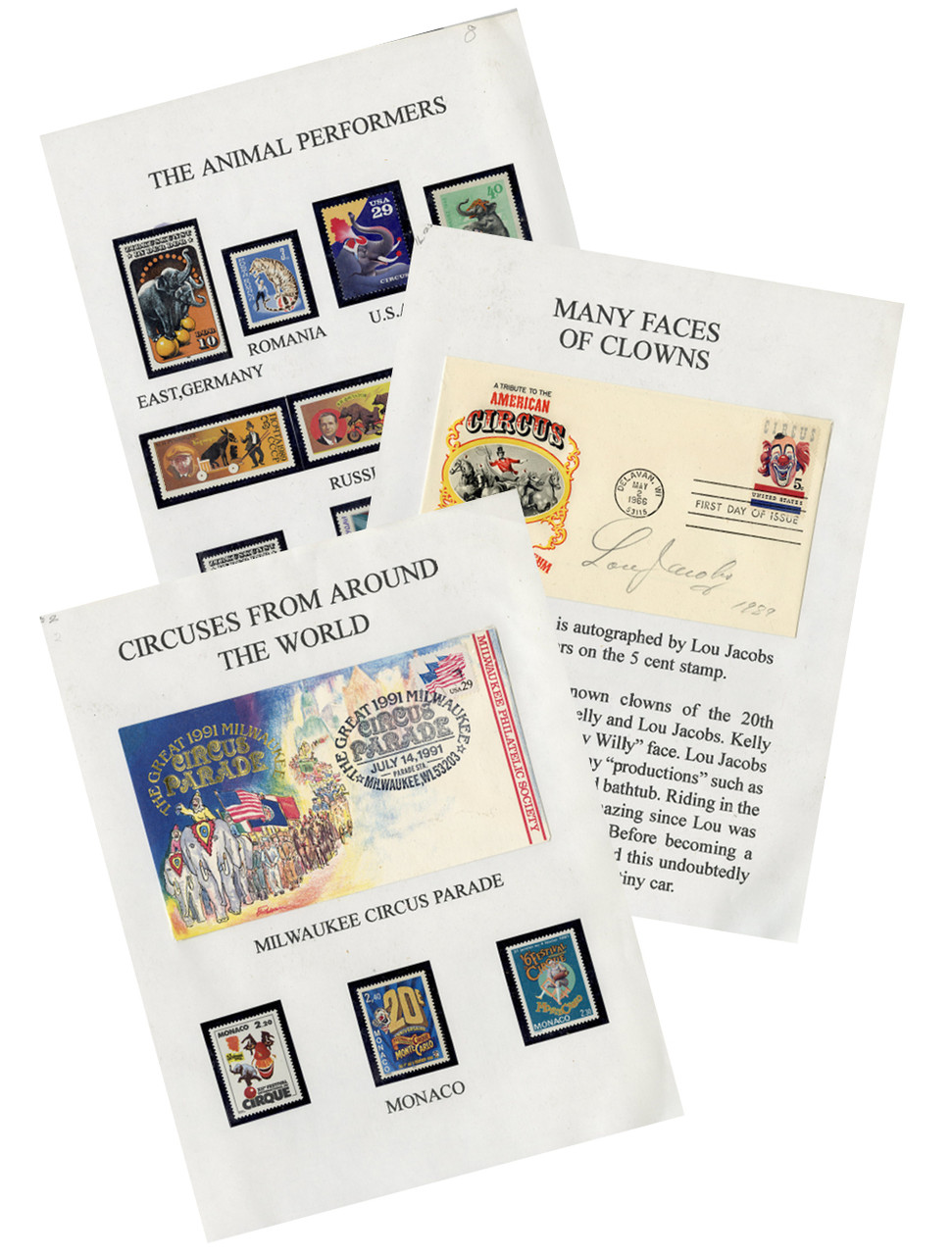
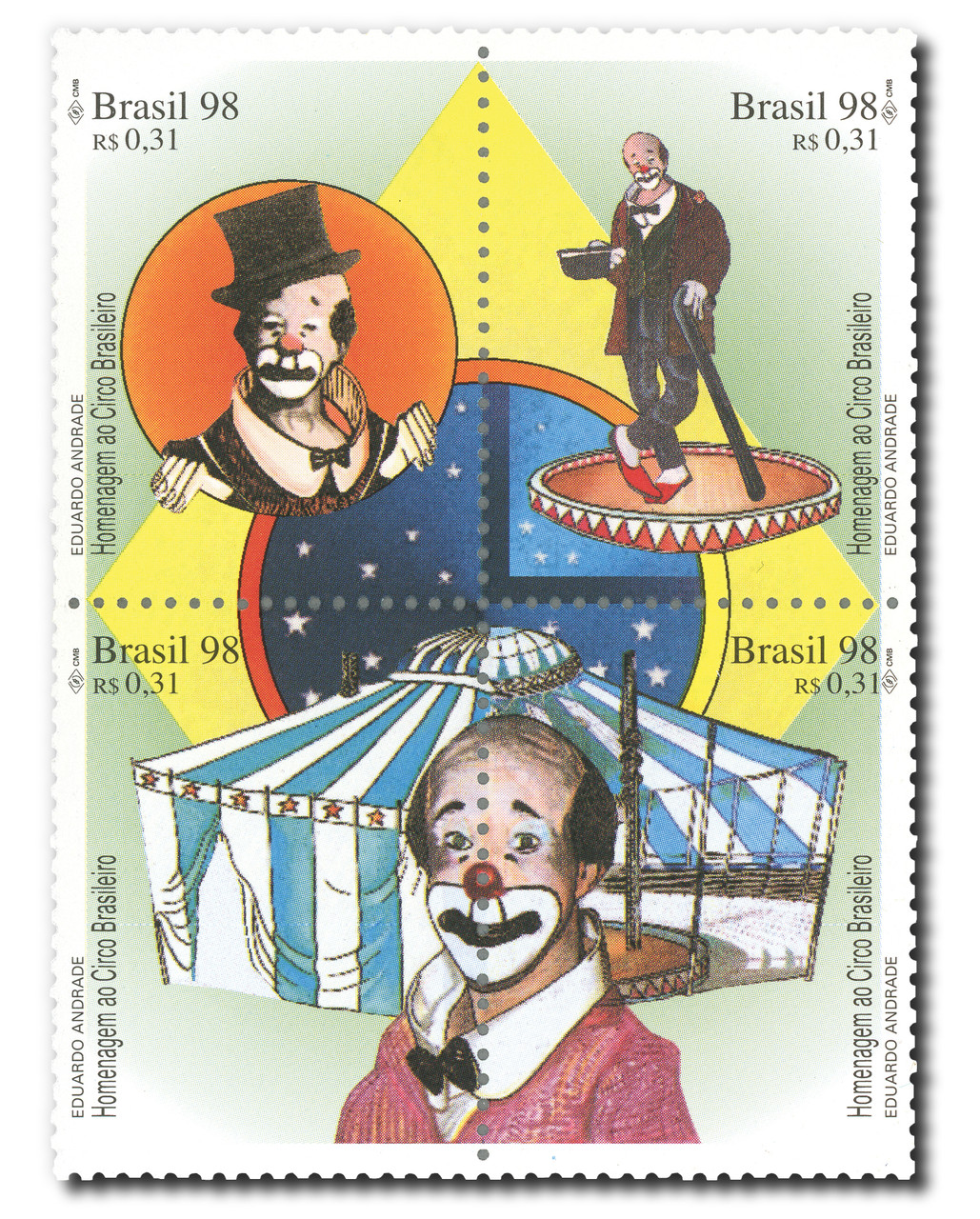
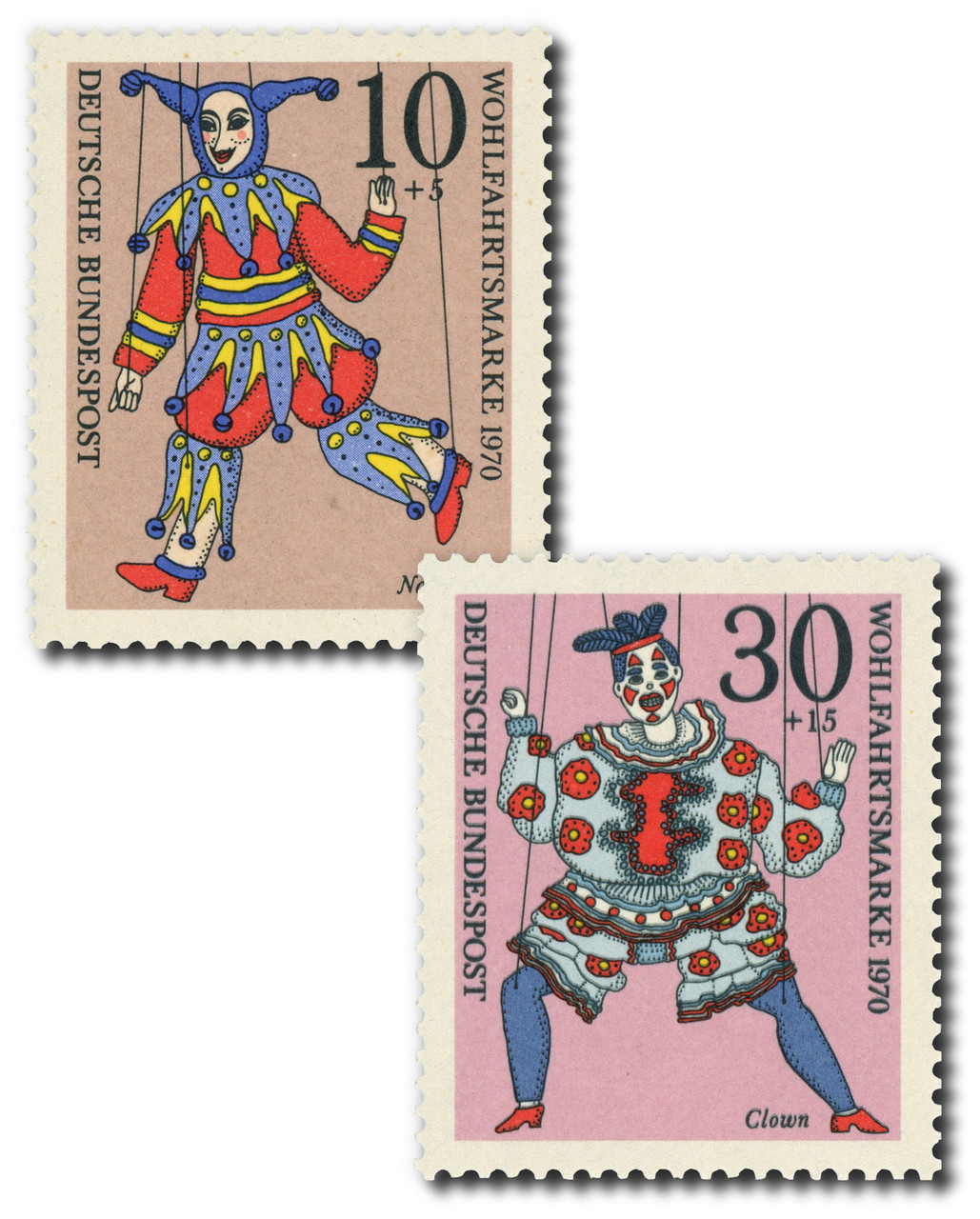
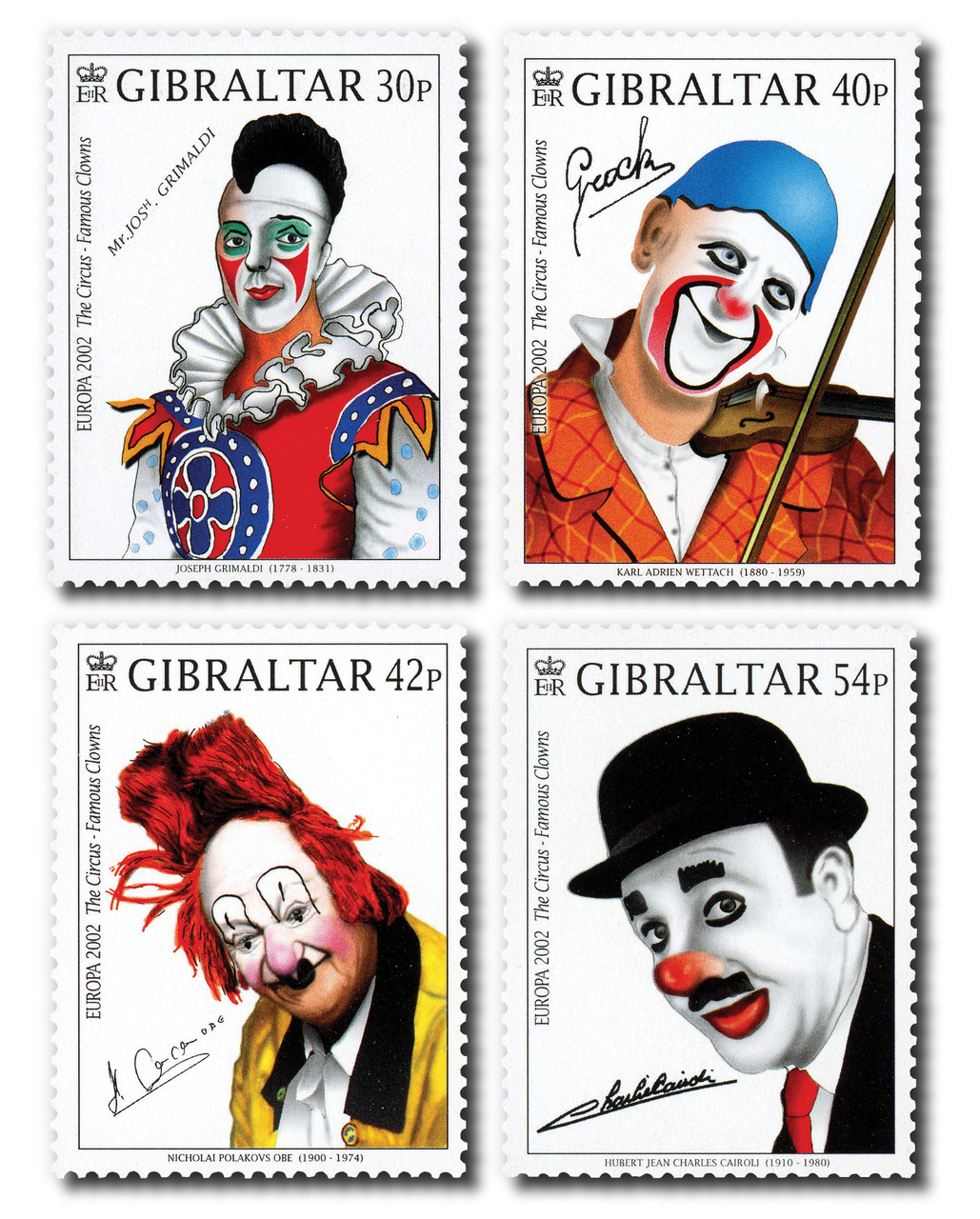
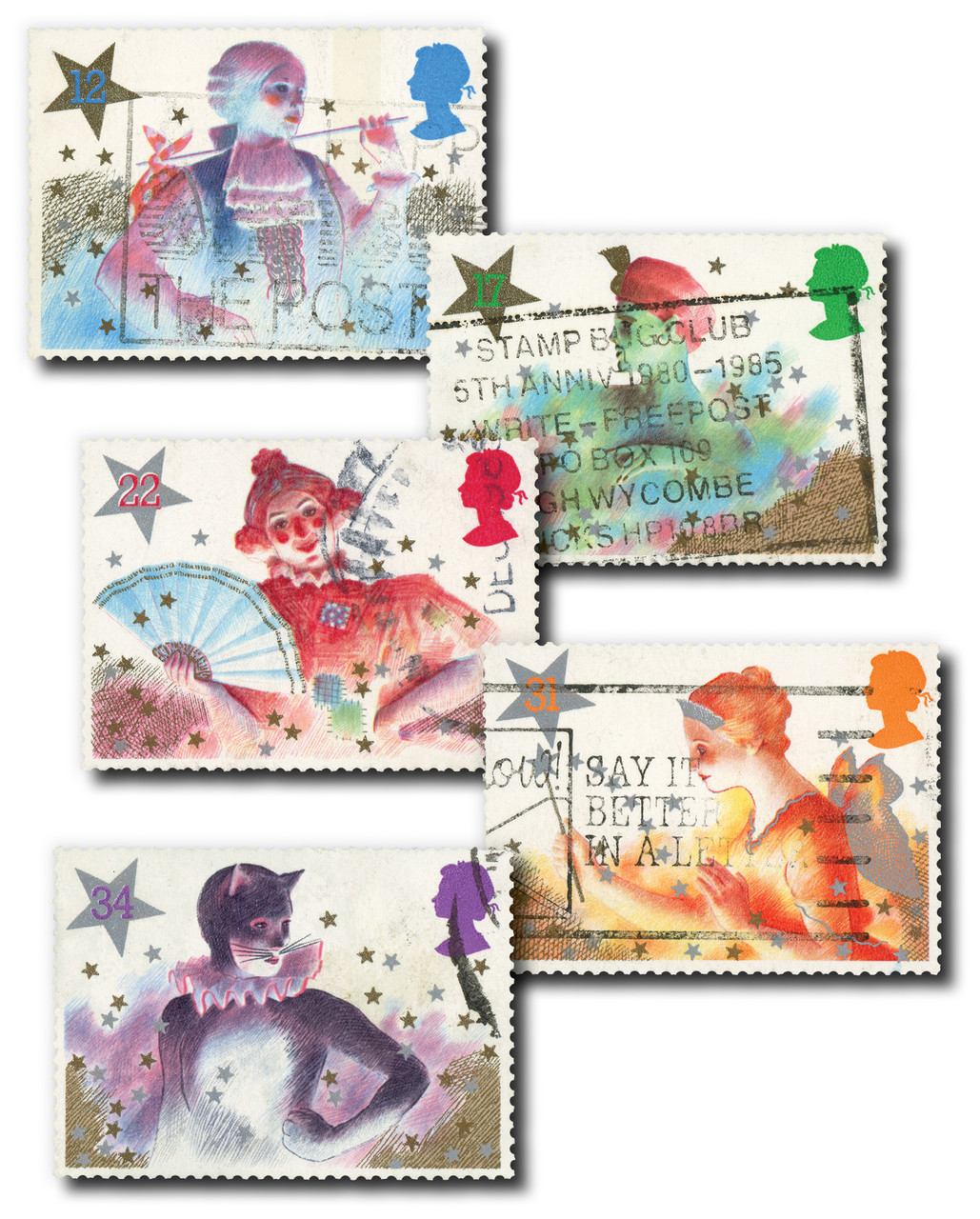
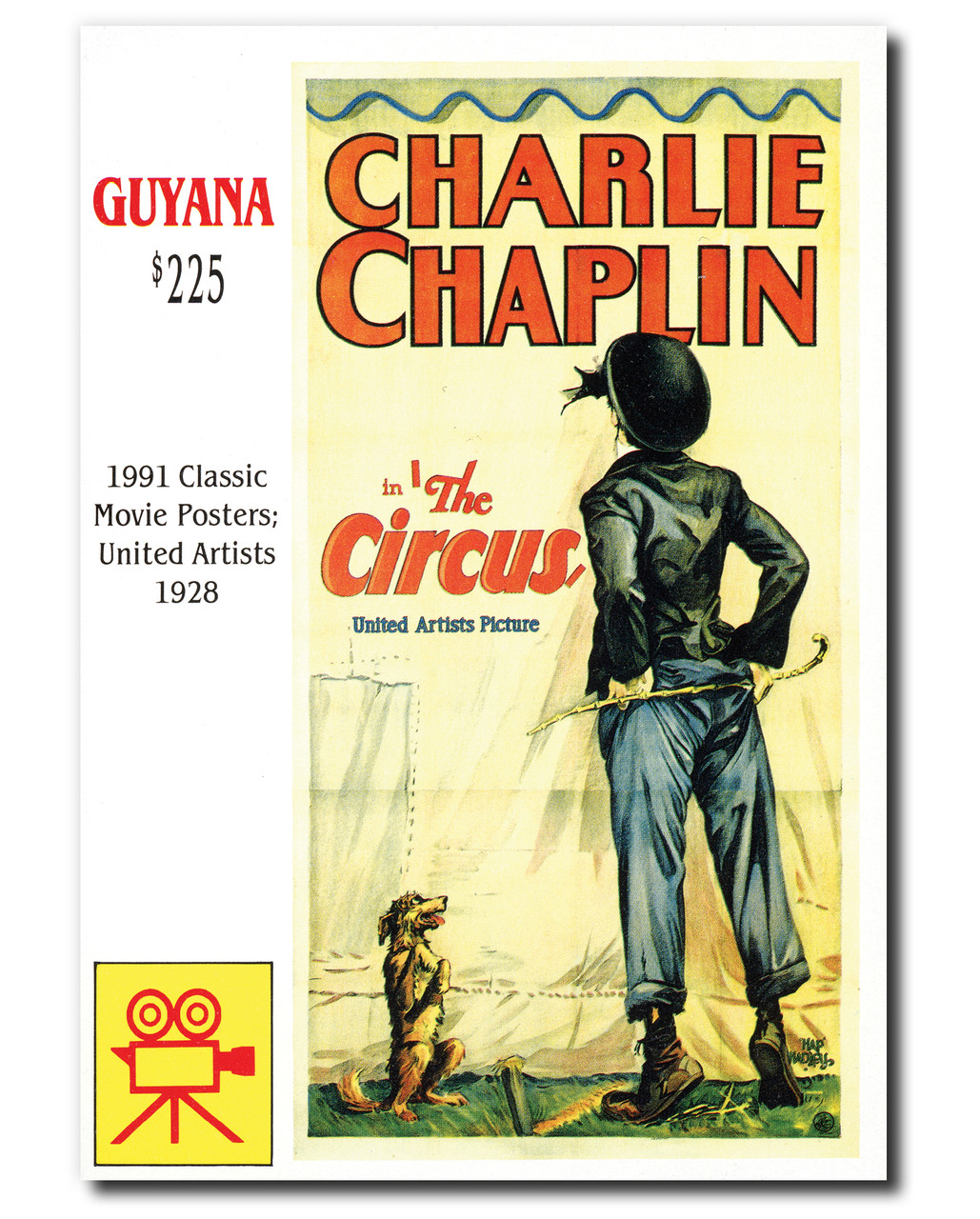
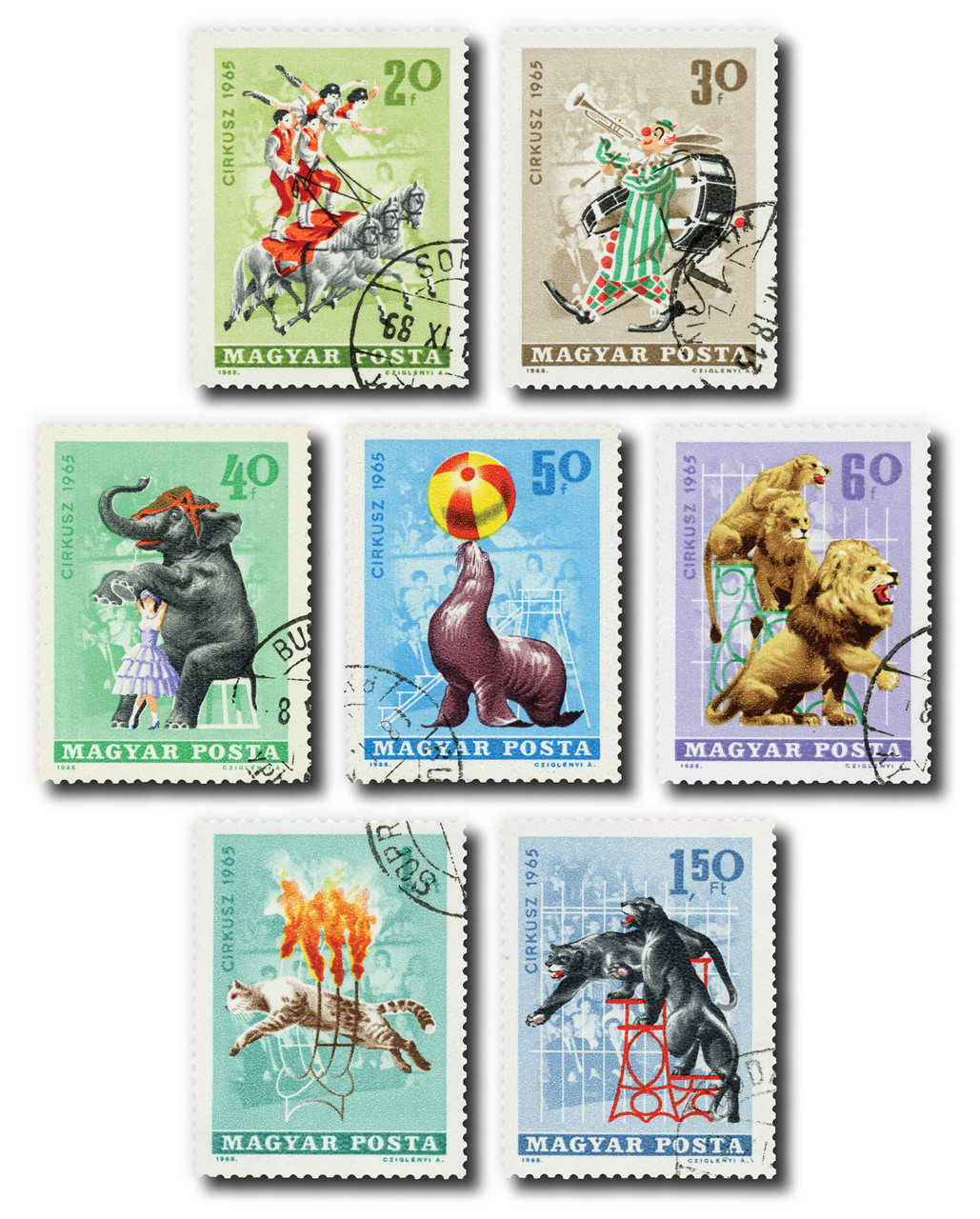
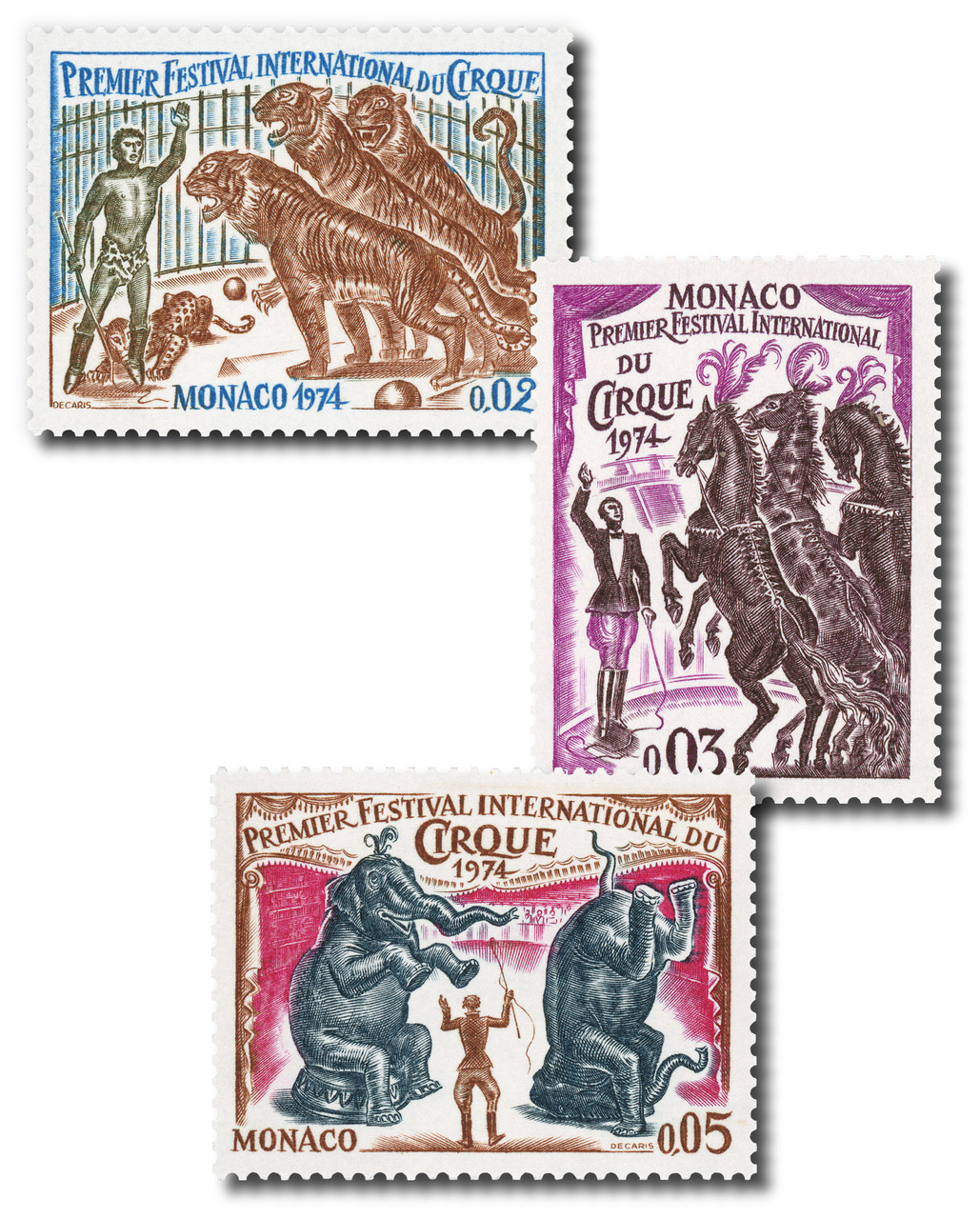
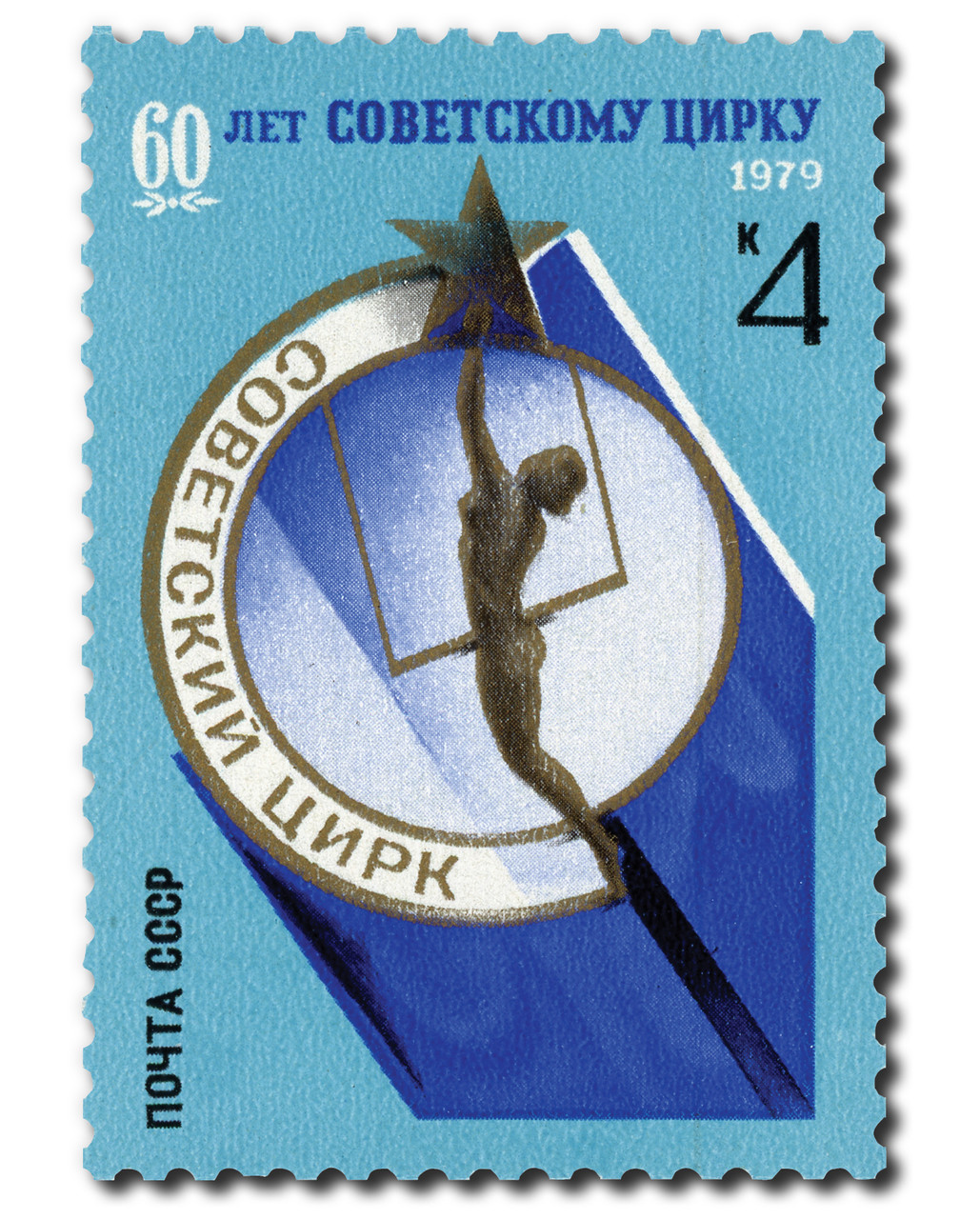
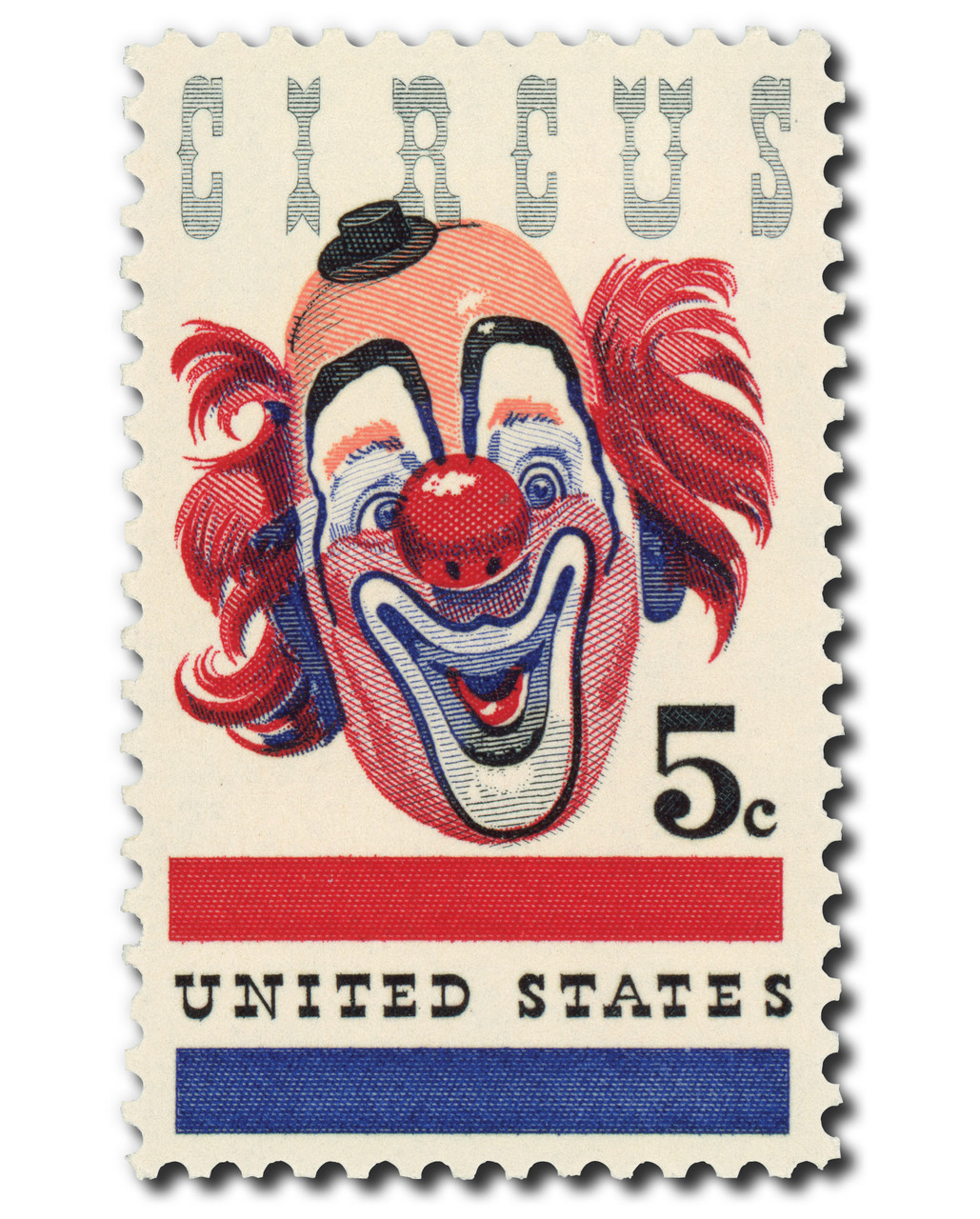
Thirty handmade pages tell the story of circuses from around the world. Includes stamps issued worldwide and first day covers. There is even a cover signed by Lou Jacobs, whose face appears on the 1966 American Circus Stamp (US #1309). Lou Jacobs was one of America’s most famous circus clowns, delighting audiences with Ringling Bros. and Barnum & Bailey for more than 60 years. At the time of the stamp’s issue, it was the only US stamp to picture a living person.