Cape of Good Hope Triangle Stamps: The World’s First Triangular Postage Stamps
Few classic issues combine smart design, real colonial history, and collector appeal like the Cape of Good Hope triangle stamps. First released in 1853, these iconic triangles became the first triangular postage stamps in the world, and they remain some of the most recognizable stamps of the 19th century.
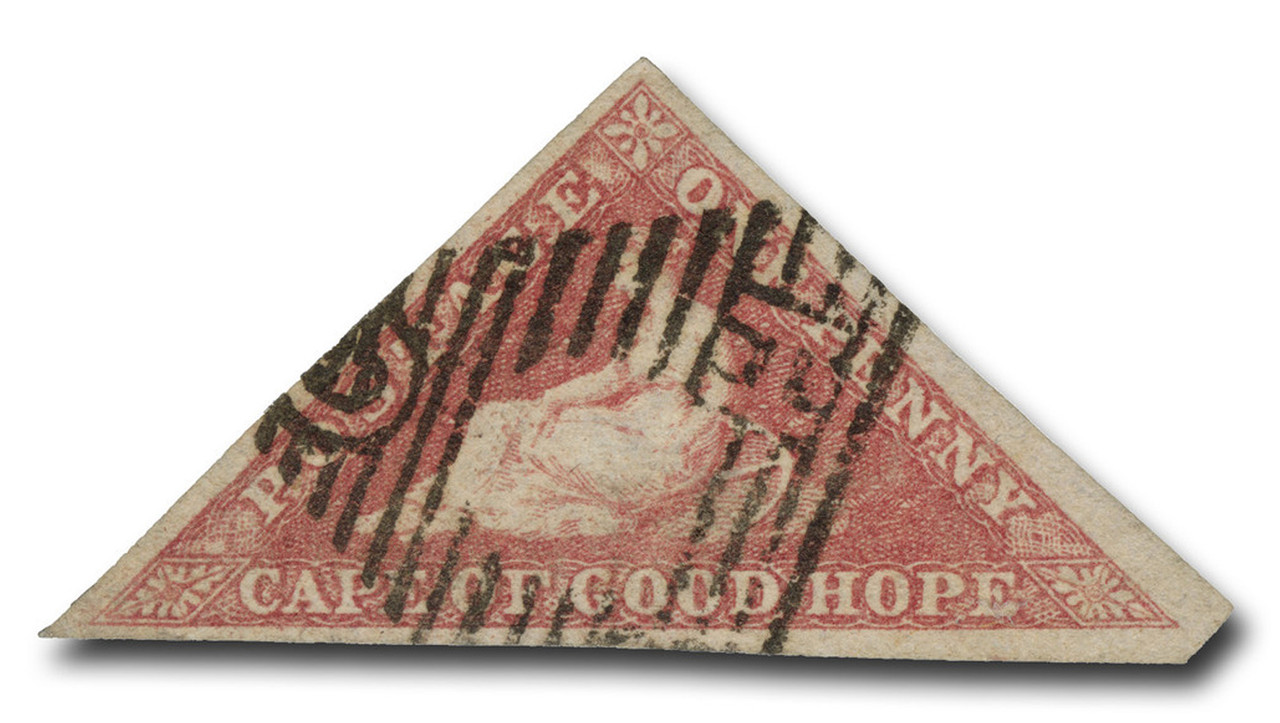
What makes them more than just “early stamps” is how every chapter of their story—why they were made triangular, how shortages forced emergency printing, and how printing changes created distinct varieties—still shows up in the stamps themselves.
The Cape of Good Hope and the Road to Its Own Postage
The Cape of Good Hope sits at the southern tip of Africa, a strategic waypoint on long sea routes. By the mid-1800s, the colony needed a local postal system with its own adhesive stamps—issues that could be recognized quickly and handled efficiently in everyday mail service.
That need led directly to one of the boldest choices in stamp design history.
Why Were Cape Stamps Triangular?
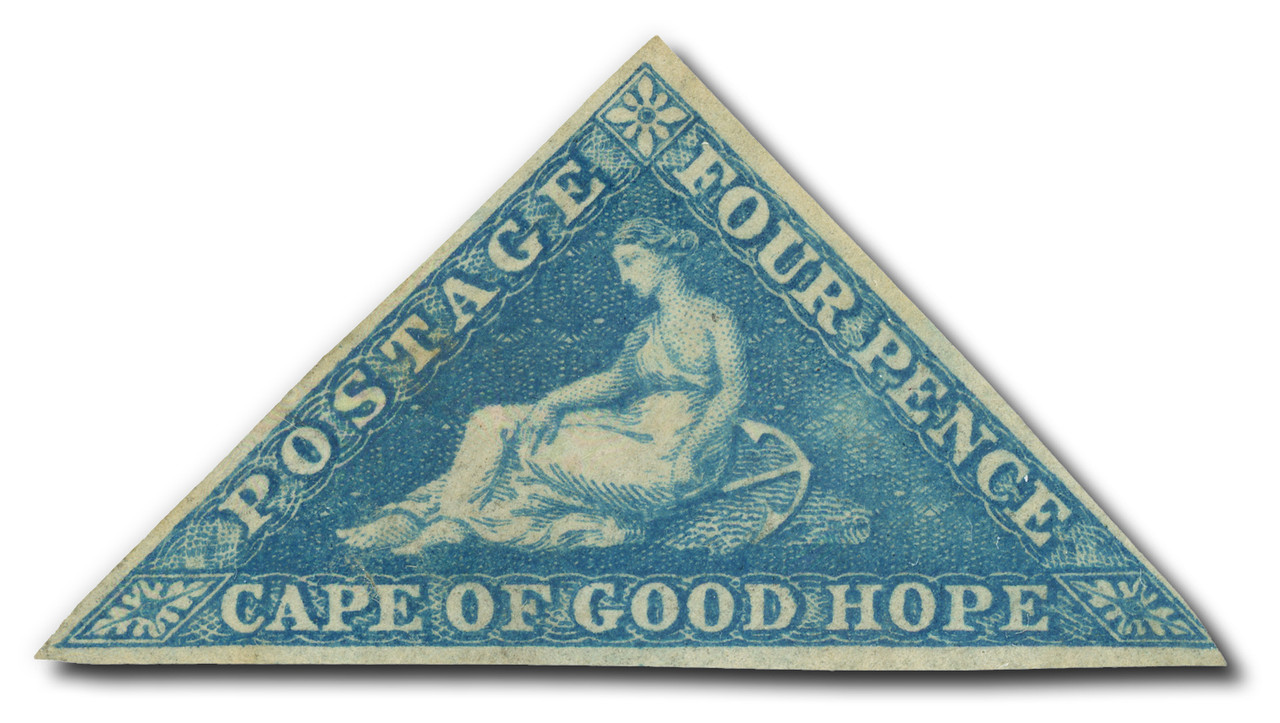
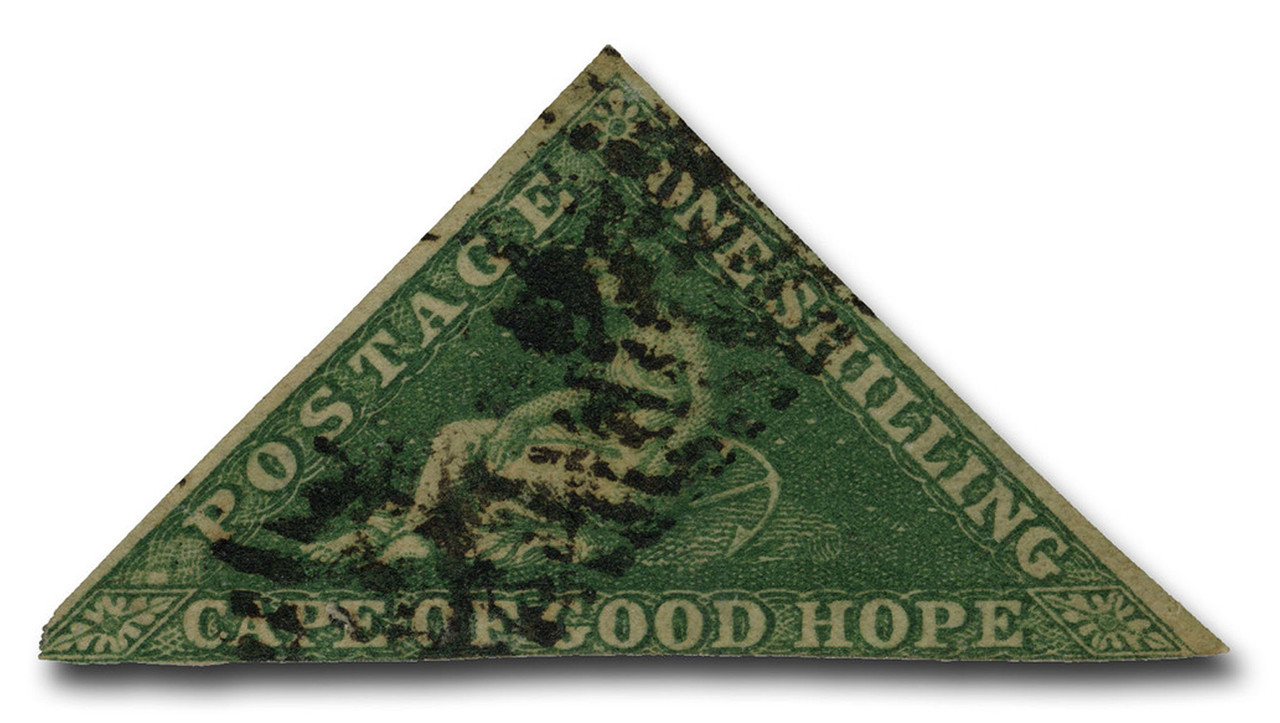
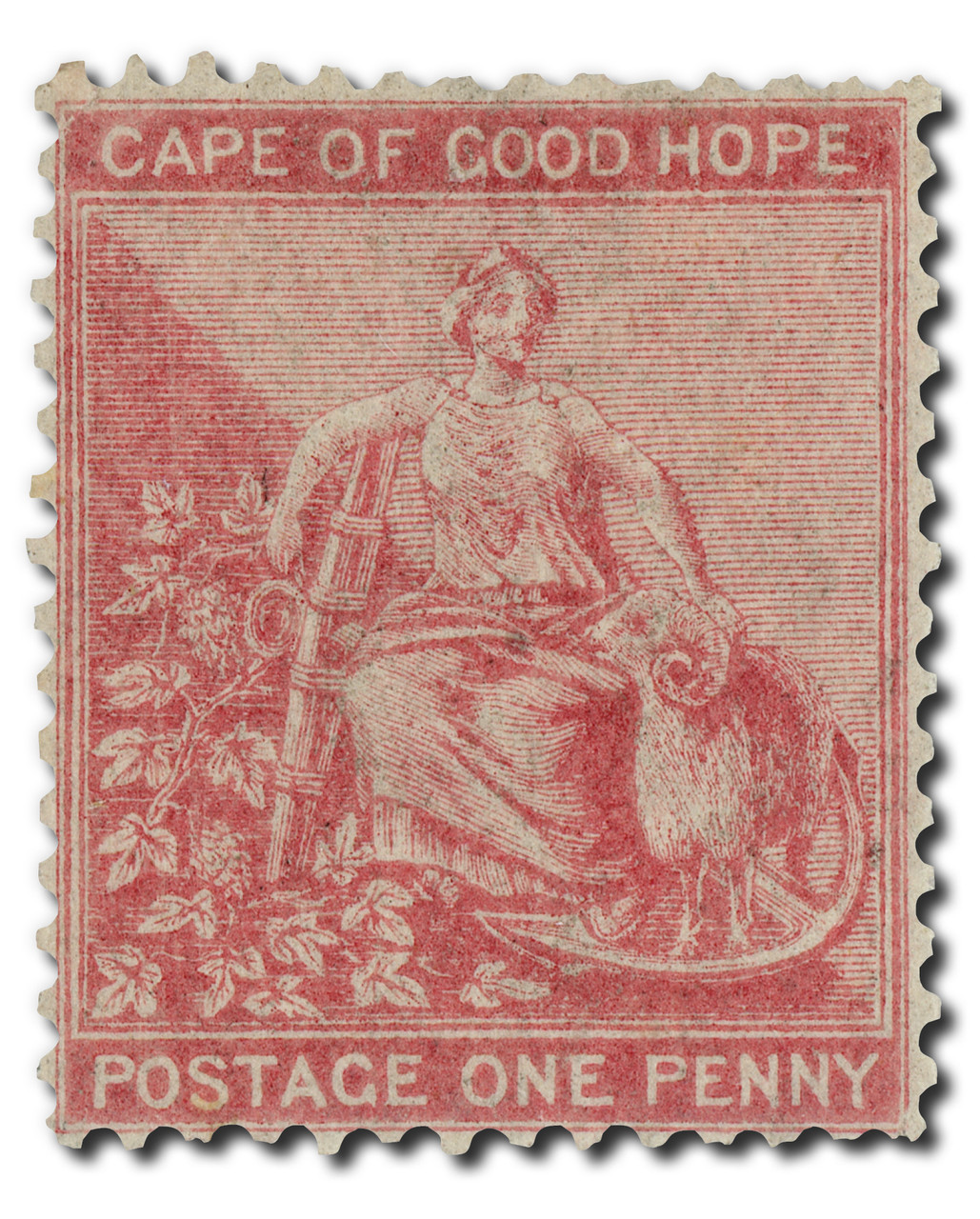
When the Cape’s first stamps appeared on September 1, 1853, they did something no other postage stamps had done before: they arrived as triangles, not rectangles.
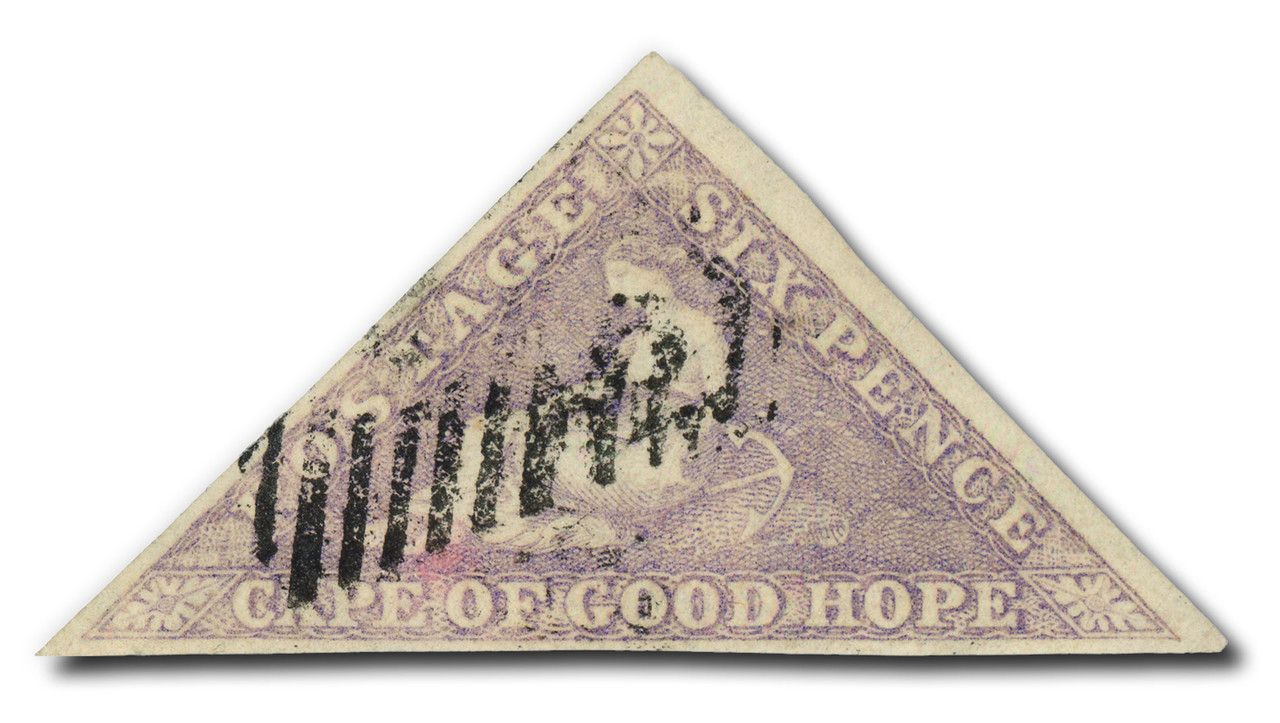
The triangular shape served a practical purpose. It helped Cape stamps stand out from the many rectangular British issues circulating through the empire, and it also made the stamps easier to identify at a glance—even for users who could not read.
The “Hope” design
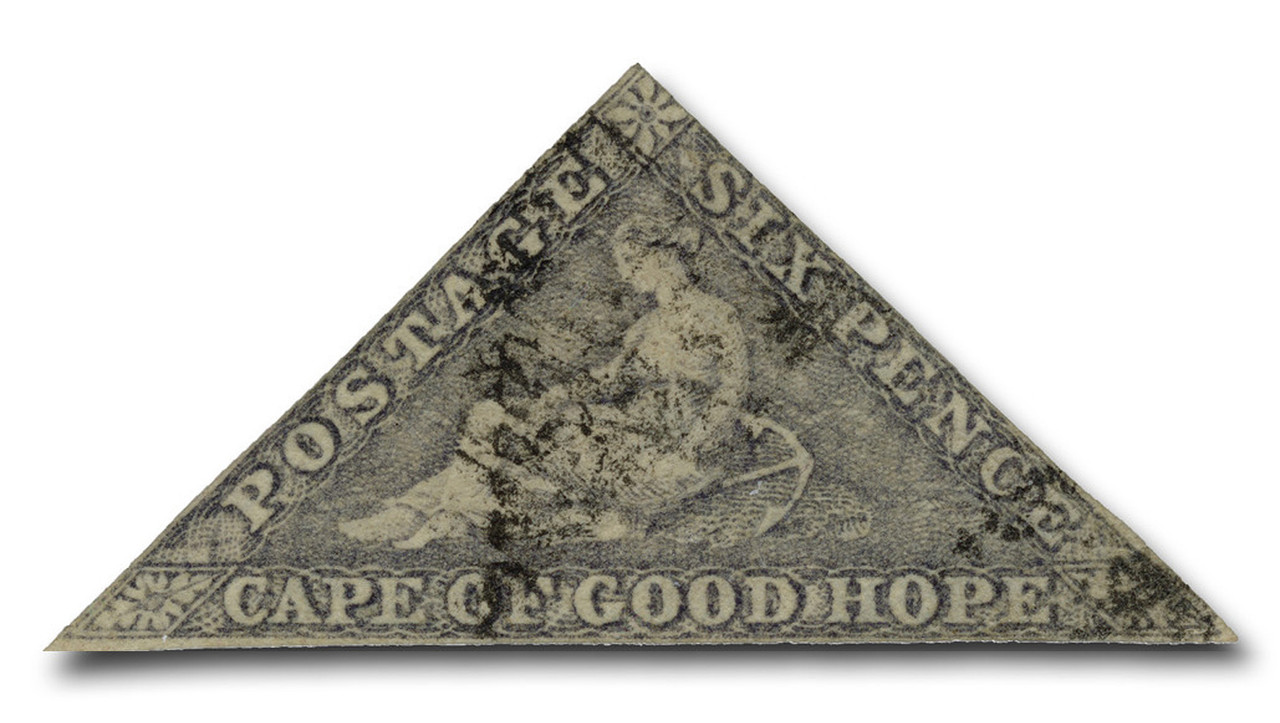
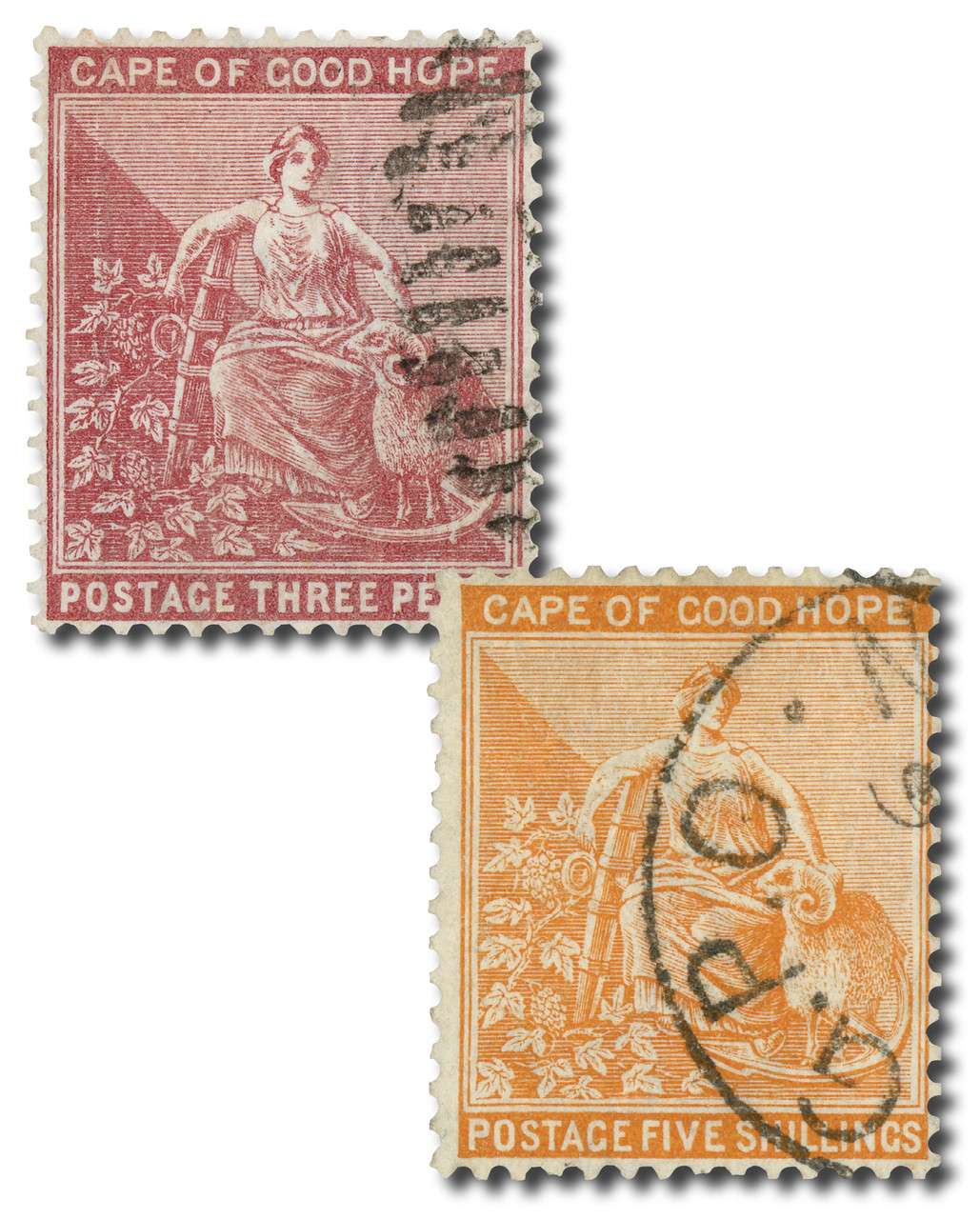
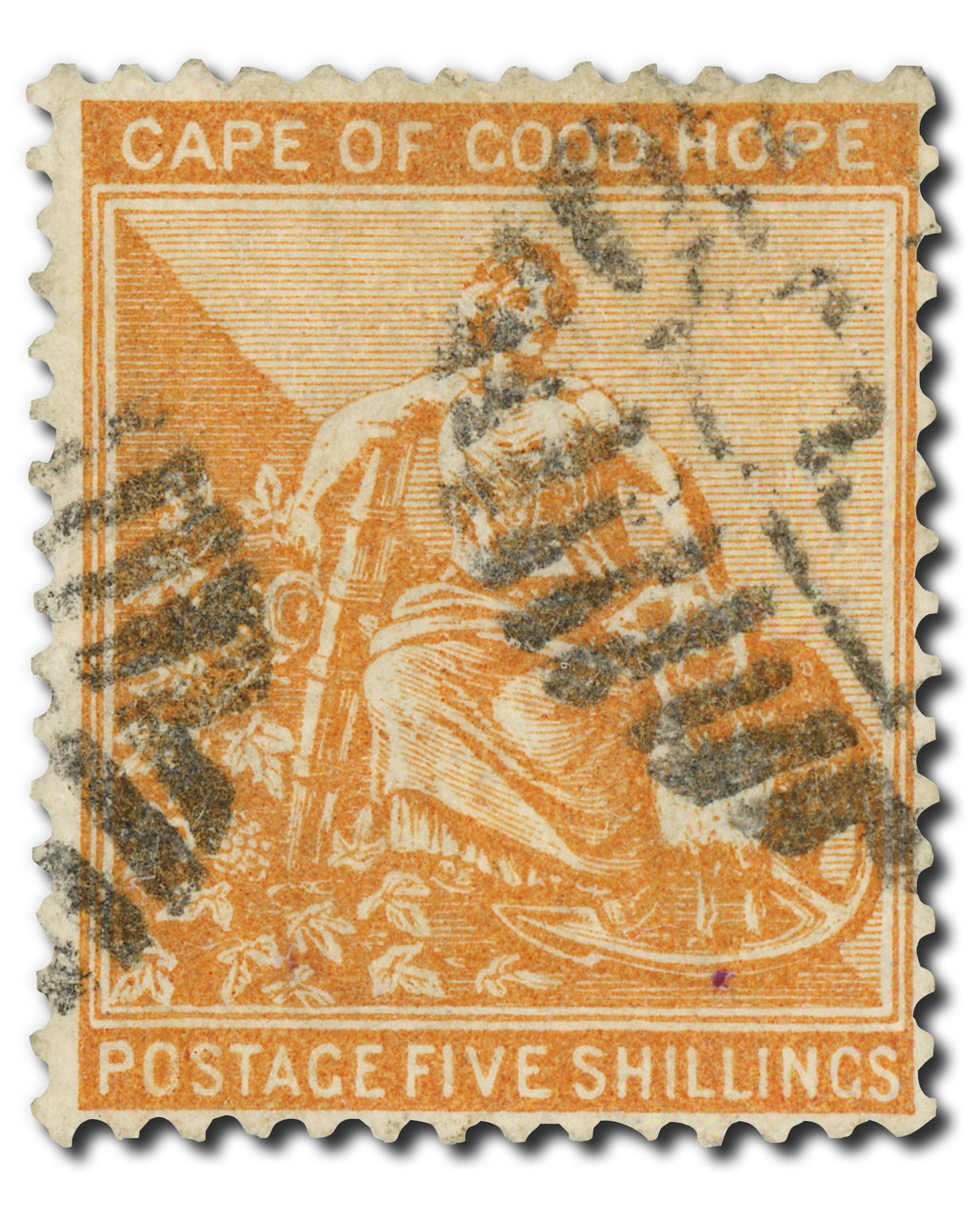
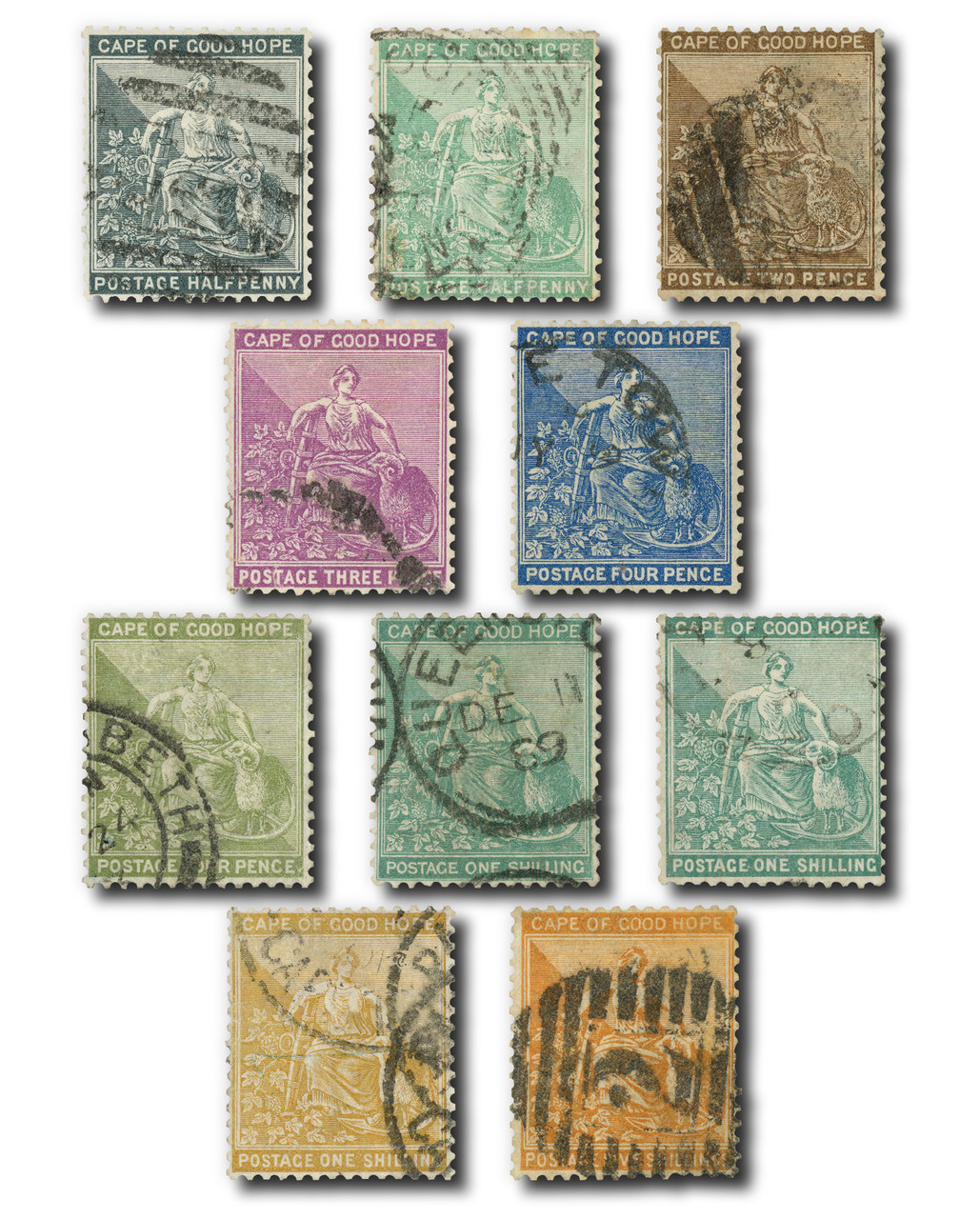
The design featured Hope, the colony’s allegorical symbol, seated with an anchor. The first two denominations were 1 penny (brick-red) and 4 pence (blue), printed in London by Perkins, Bacon & Co.
The 1861 Woodblocks: A Stamp Emergency That Created a Legend
If the first Cape triangles are famous for innovation, the 1861 “Woodblock” triangles are famous for urgency.
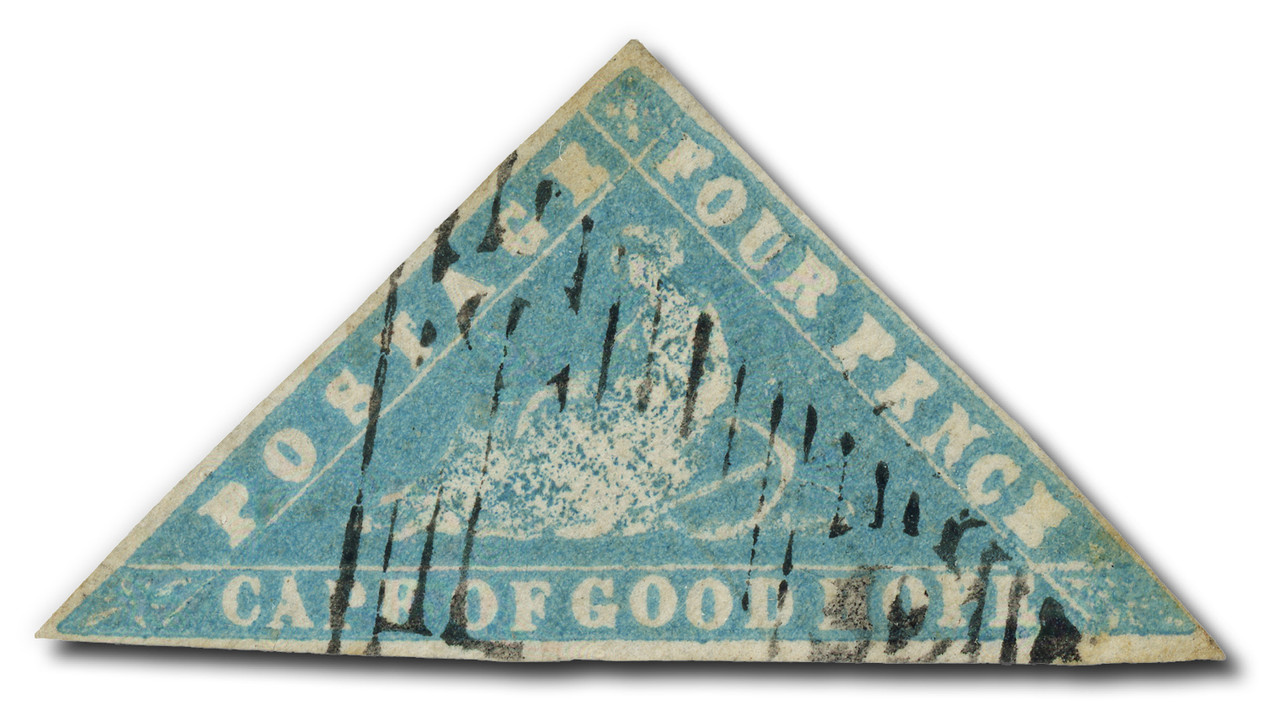
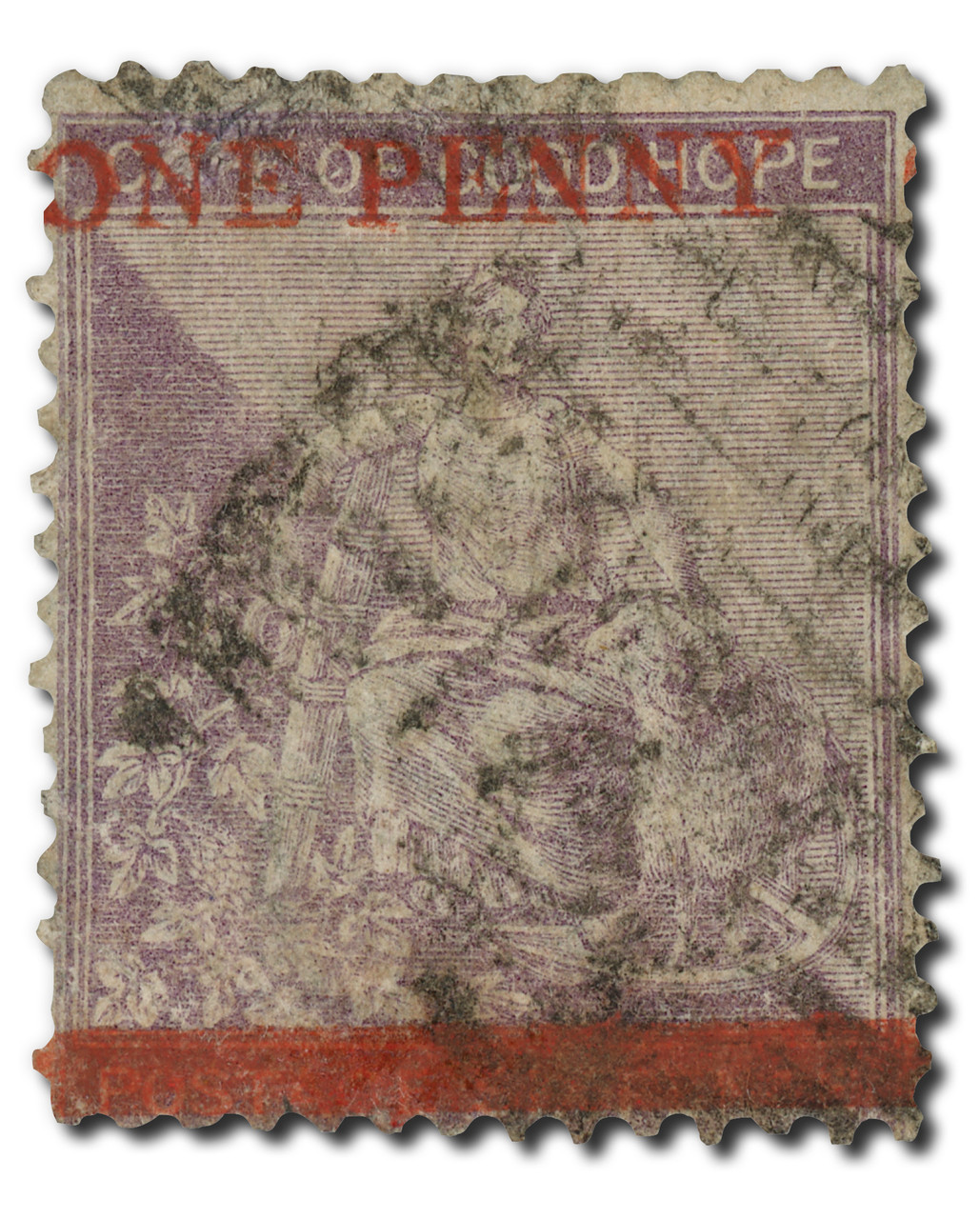
A stamp shortage pushed the colony to produce an emergency printing locally through Saul Solomon & Co. of Cape Town. The engraving work was done by C. J. Roberts, who created the designs as individual units rather than as a single uniform plate—one reason collectors still prize these stamps for their distinctive look and subtle differences.
Because they were produced as a local stopgap rather than a polished London printing, Woodblocks carry a character all their own: tiny variations, uneven impressions, and small quirks that turn “one stamp” into a category of collectible varieties.
De La Rue Printings: The Final Cape Triangulars (1863–1864)
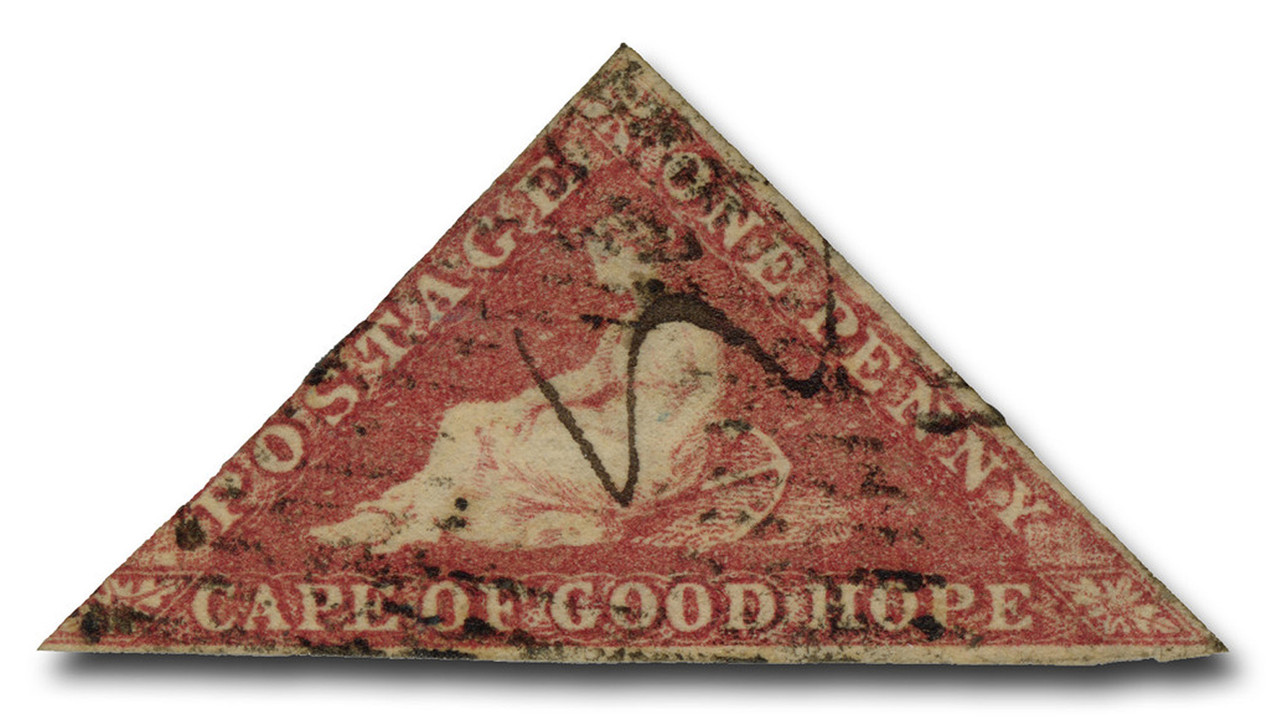
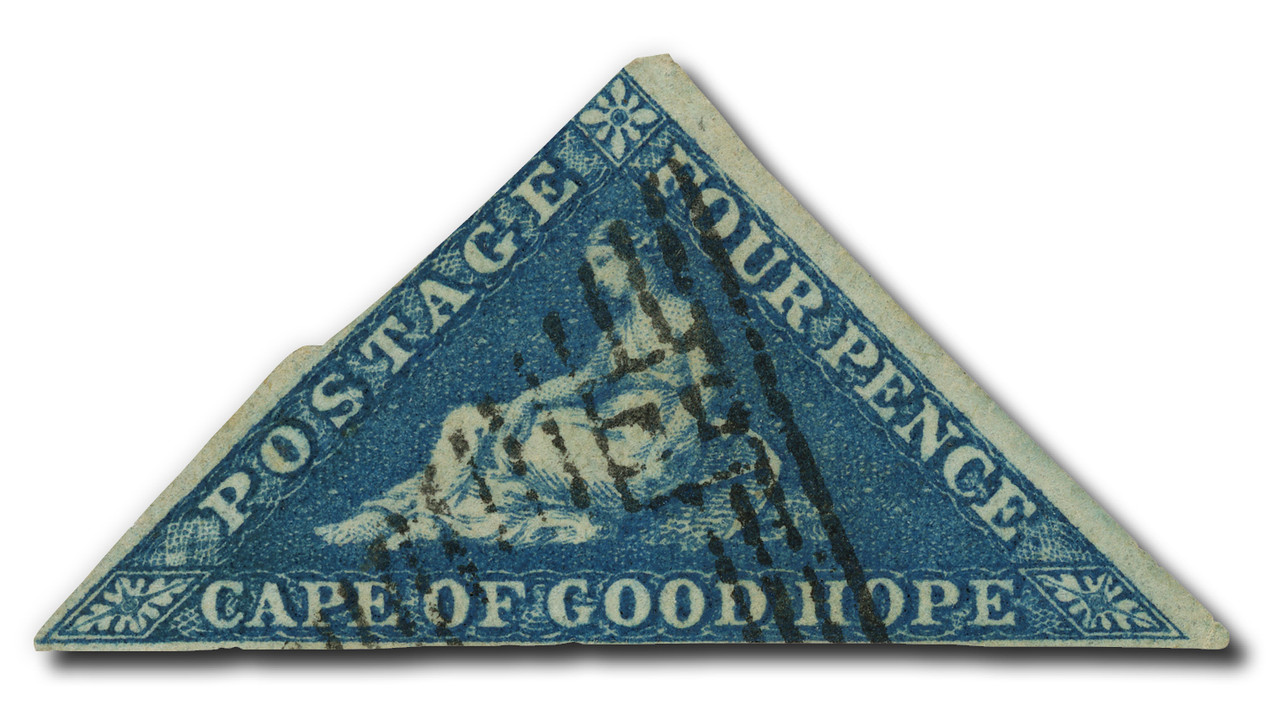
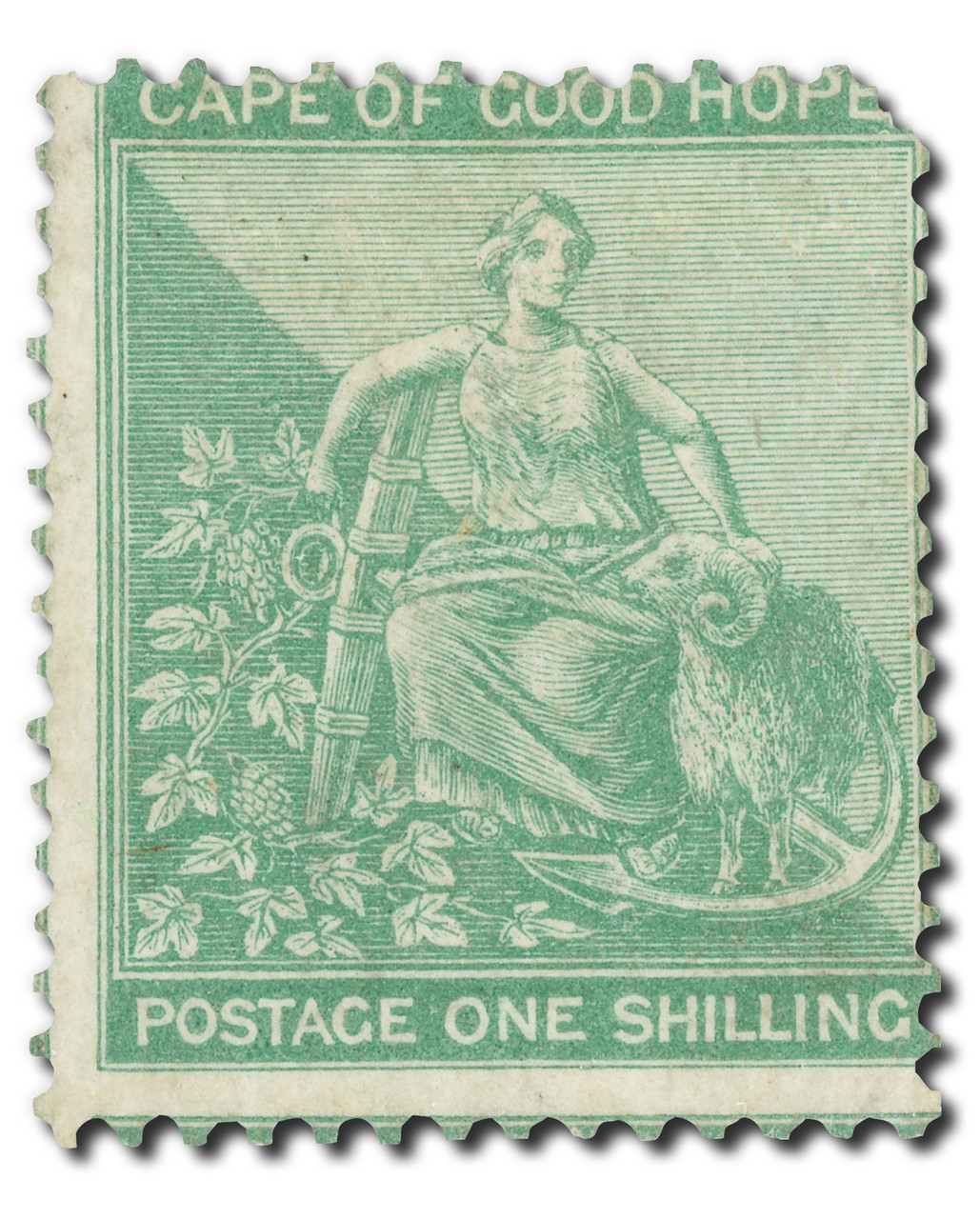
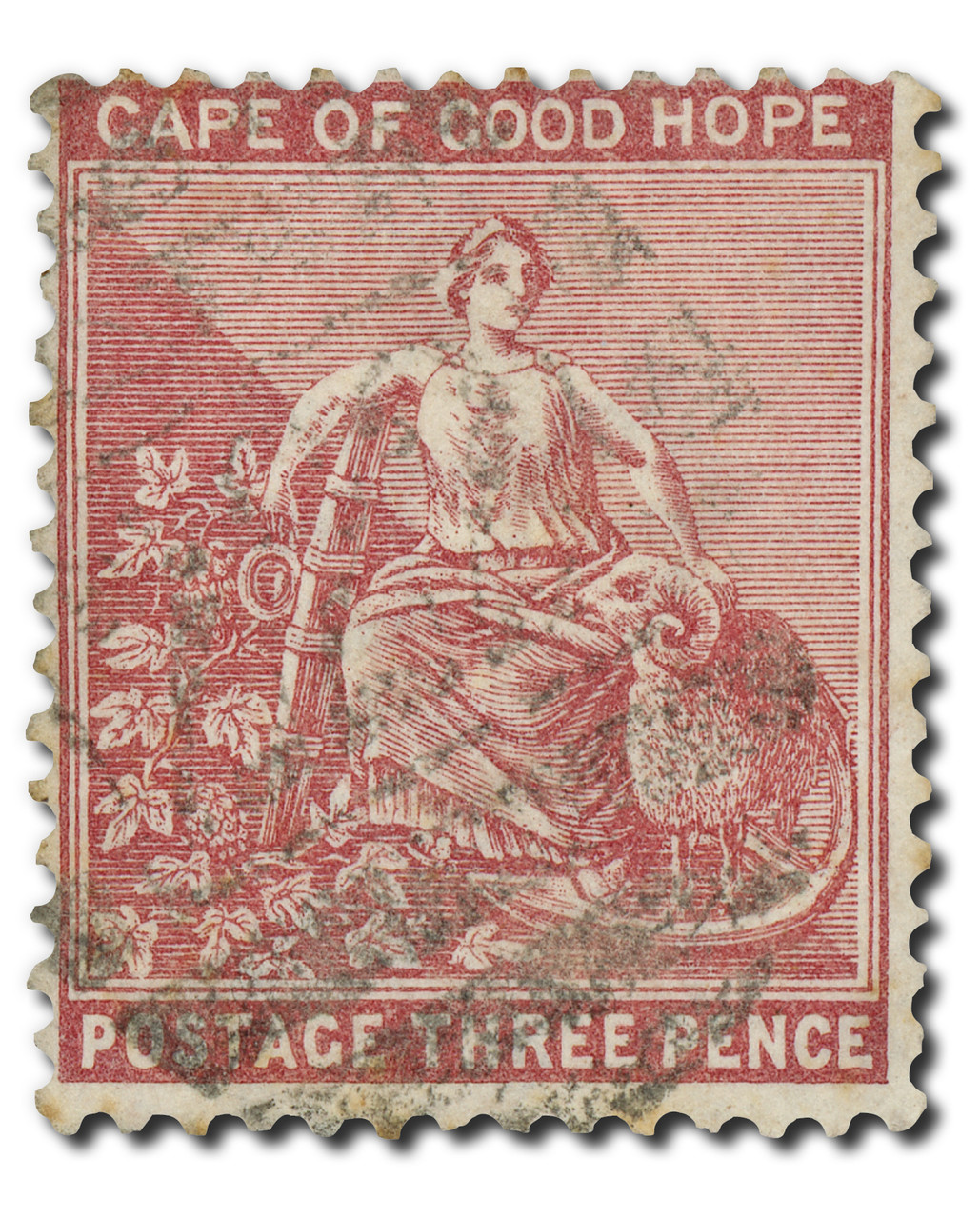
The Woodblock crisis also set in motion a change in printers. The Crown Agents transferred the contract from Perkins, Bacon & Co. to De La Rue & Co., who produced one final series of triangulars in 1863–64. These De La Rue printings are distinguished by their slightly sharper impressions and subtly different colors—a noticeable refinement over both the original Perkins Bacon issues and the rough-hewn Woodblocks. They were the last triangular stamps the Cape would ever produce.
Why the Cape Abandoned Triangles
By 1864, the Cape moved on from triangles and adopted rectangular, perforated stamps, which were generally faster and easier to separate and handle in volume. The triangle era was over—but its legend was just beginning.
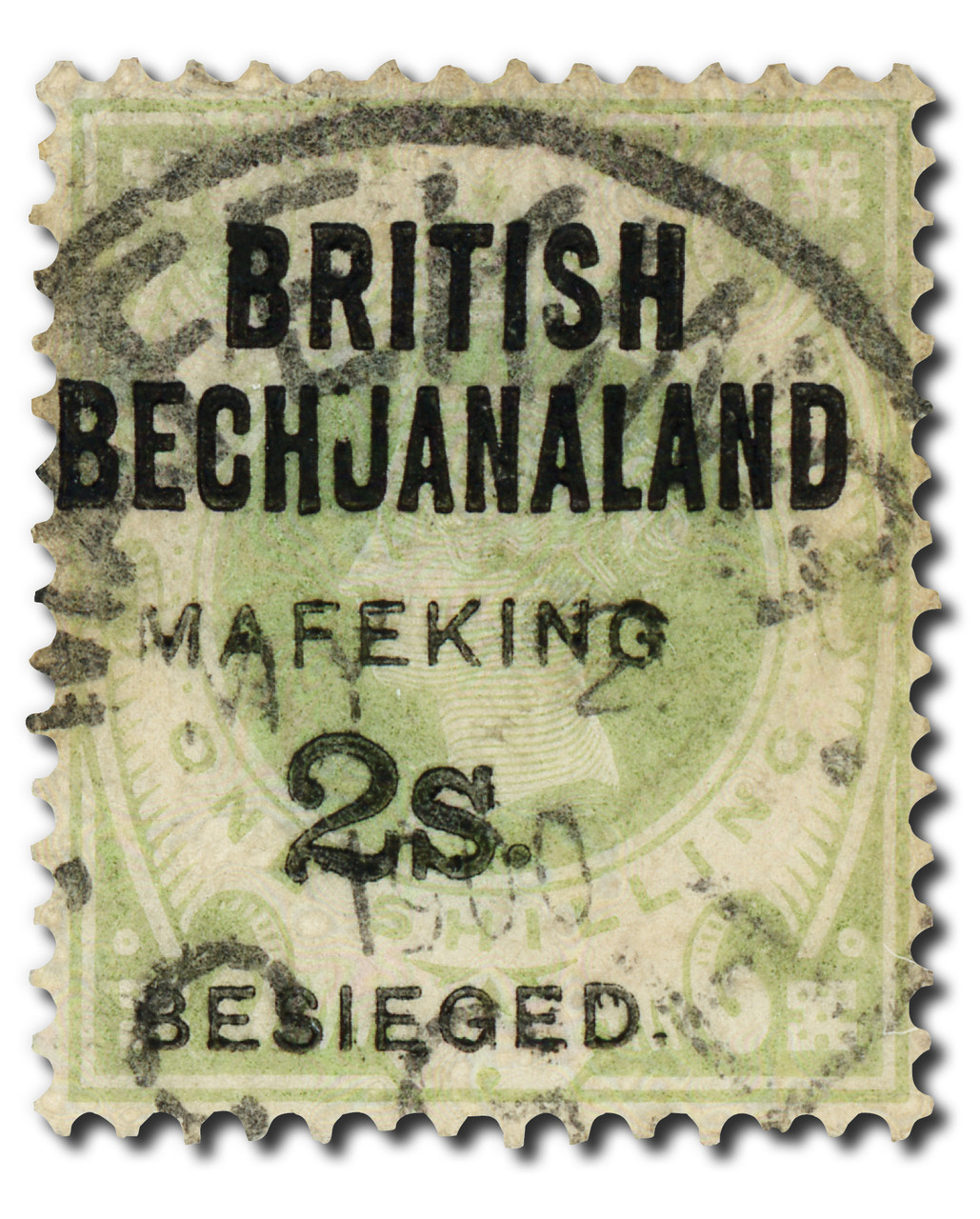
Triangle Stamps from the US Postal Service
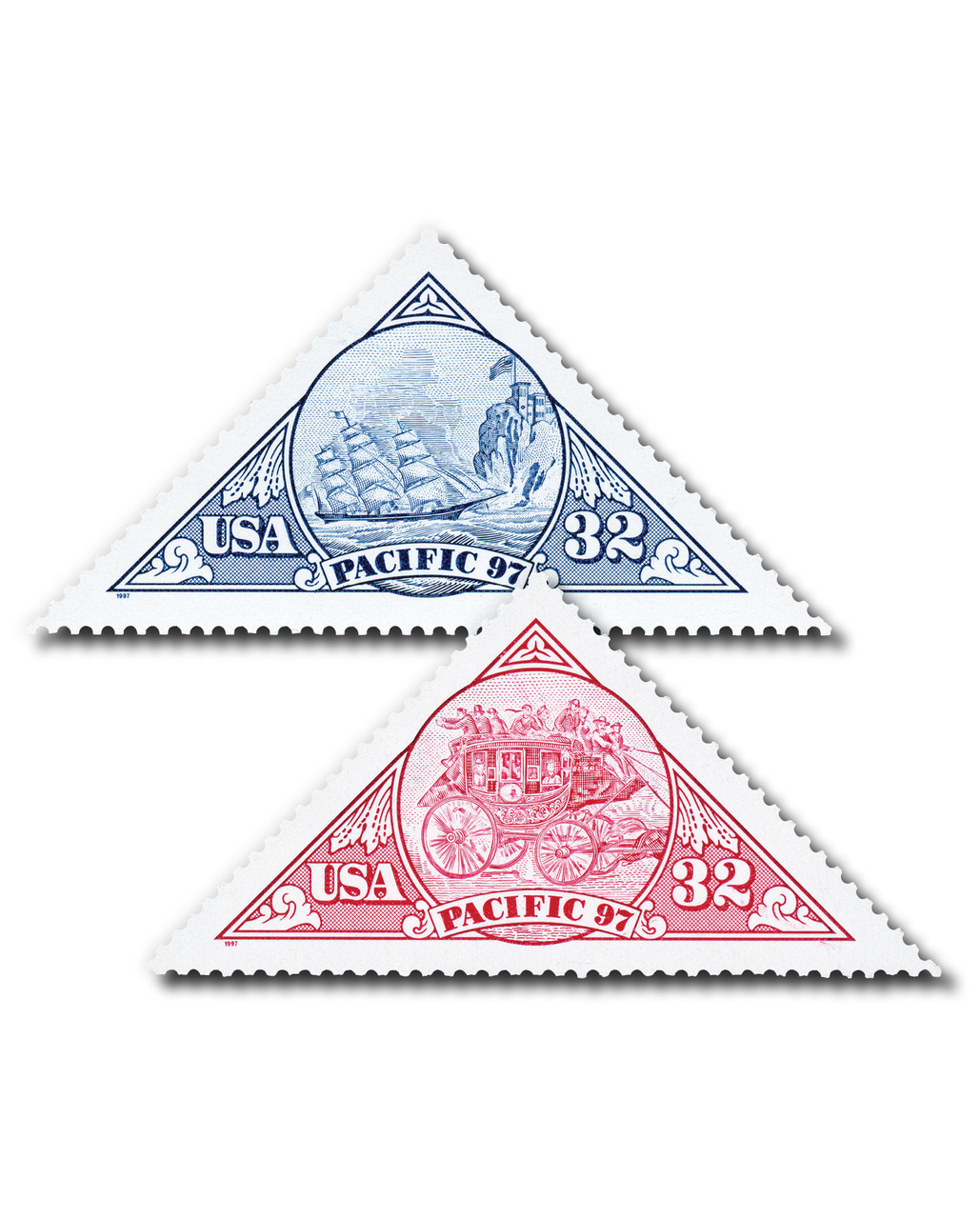
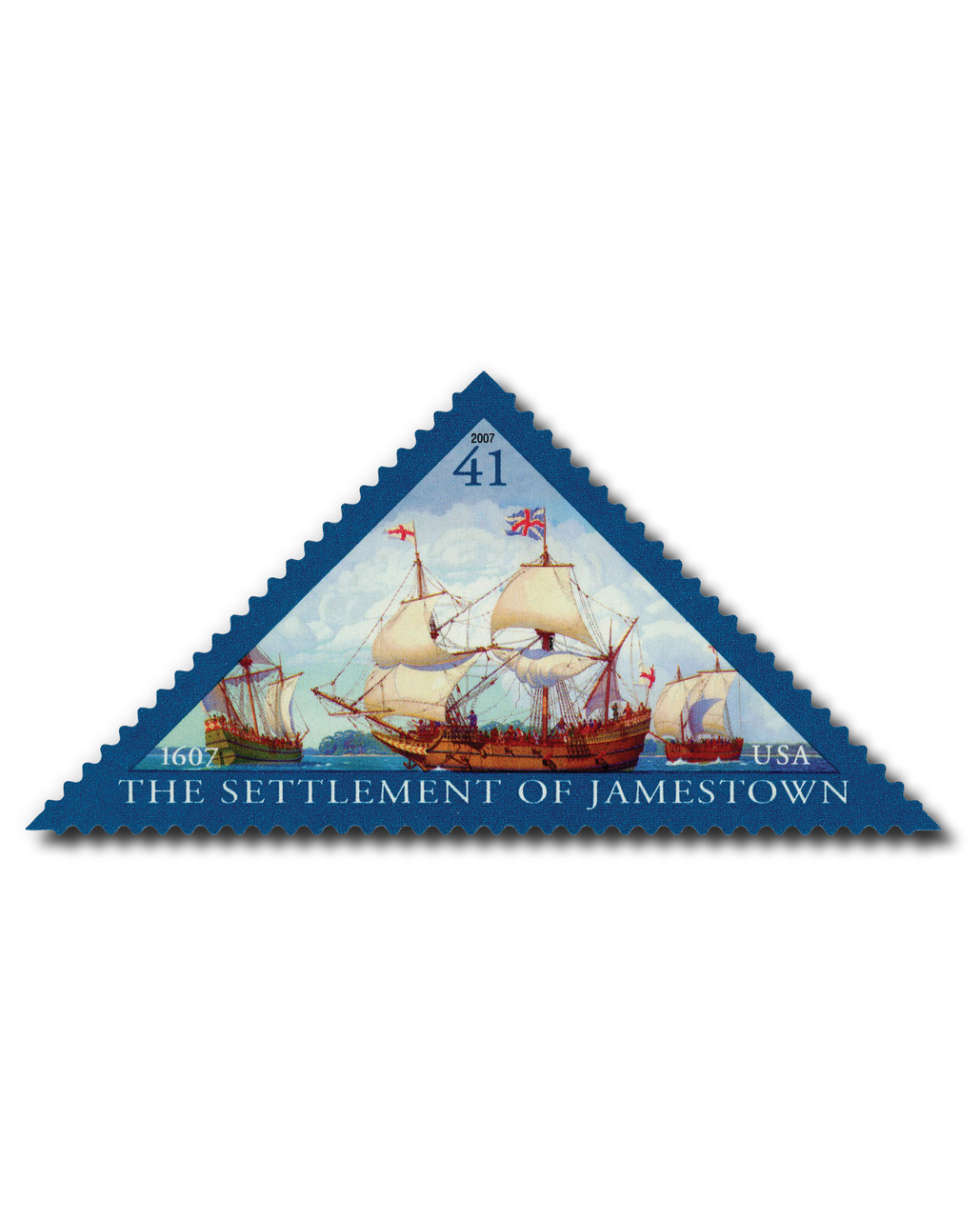
The first US triangle stamps were issued by the United States Postal Service on March 13, 1997. The debut was tied to the Pacific 97 International Stamp Exhibition, and the inaugural triangle designs featured a clipper ship and a stagecoach—a fitting nod to how mail moved by sea and land to reach San Francisco, where the exhibition was held, before modern transportation.
A decade later on May 11, 2007, a third triangle stamp was issued for the 400th anniversary of the settlement of Jamestown. The shape was chosen in honor of the colony’s triangular fort.
Get Dozens of Triangle-Shaped Stamps in One Easy Order!
Add eye-catching triangles to your album with these three offers. Contents may vary, but you’ll find a variety of countries and topics. Mystic is offering collections of 50, 95, or 200 stamps, giving you the freedom to choose the quantity that’s right for you.