St. Patrick’s Day: Irish History, Heritage, and Stamps
St. Patrick’s Day is more than a day of green clothing and parades. Celebrated each year on March 17, it began as the feast day of St. Patrick, the patron saint of Ireland. St. Patrick is one of the strongest symbols of Ireland because his story became closely tied to Irish religious and national identity. Tradition holds that he used the shamrock to explain the Christian Trinity, and the shamrock itself became a national emblem of Ireland. That helped transform St. Patrick from a missionary saint into a lasting symbol of Irish faith, culture, and pride.
Click here for our collection of stamps from Ireland.
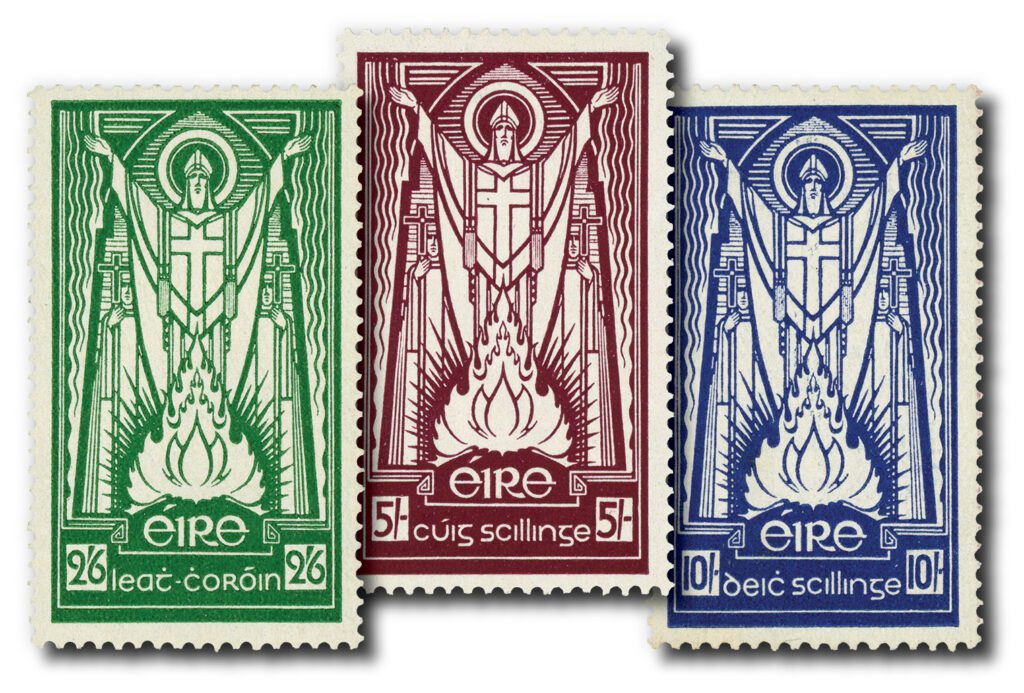
96-98 – 1937 Ireland, St. Patrick and the Paschal Fire, Set of 3 Stamps
Irish Immigrants Spread St. Patrick’s Day in the US
The holiday became especially important in the United States because Irish immigrants helped turn it into a public celebration of heritage. St. Patrick’s Day developed into an Irish-American holiday marked by parades and public expressions of identity. In many American cities, the holiday gave Irish immigrants and their descendants a visible way to celebrate their roots and claim their place in American life. Between 1820 and 1930, as many as 4.5 million Irish arrived in the US, spreading Irish traditions across the country.
US-Ireland Joint-Issue Stamps
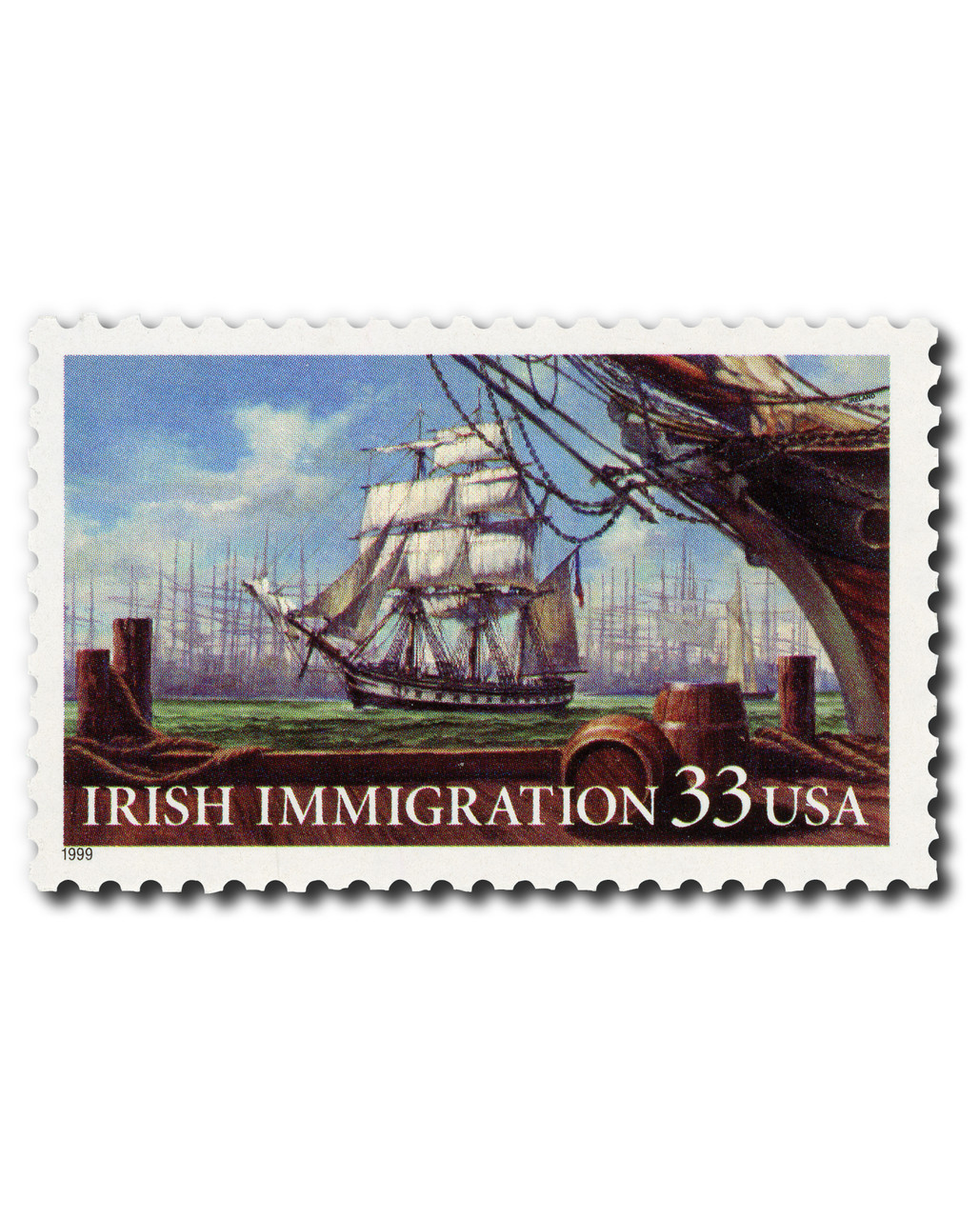
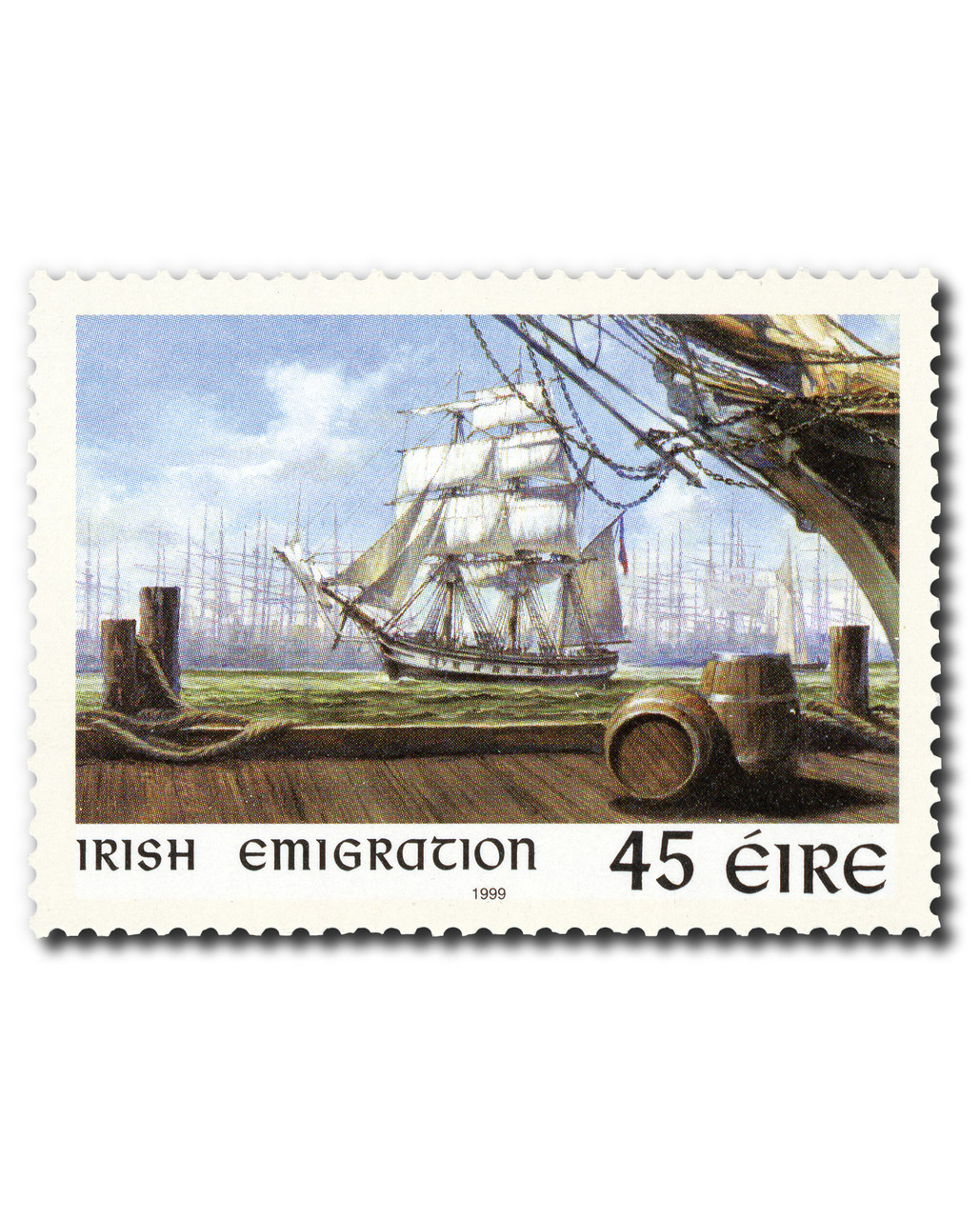
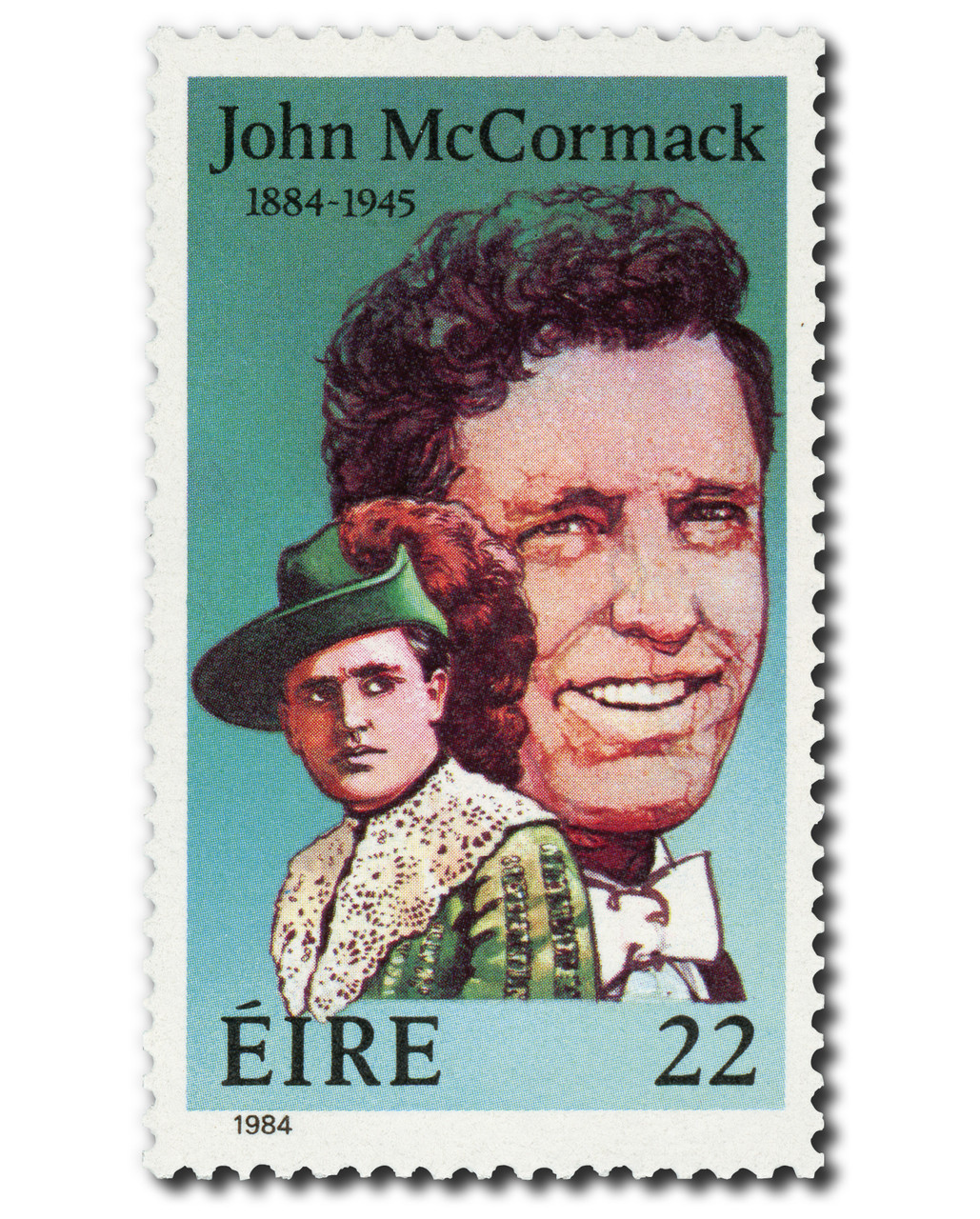
There have been three official US-Ireland joint issues. The 1999 Irish Immigration/Emigration stamps marked the 150th anniversary of the major wave of Irish migration to the US following the Great Irish Famine. Earlier, a 1981 joint issue honored the 150th anniversary of the death of James Hoban, the Irish-born architect of the White House; in the US, that stamp appeared in two denominations because of a rate change. Then, in 1984, another joint issue marked the 100th birth anniversary of Irish tenor John McCormack, who became a naturalized US citizen in 1917.




Ireland Stamp Mixes
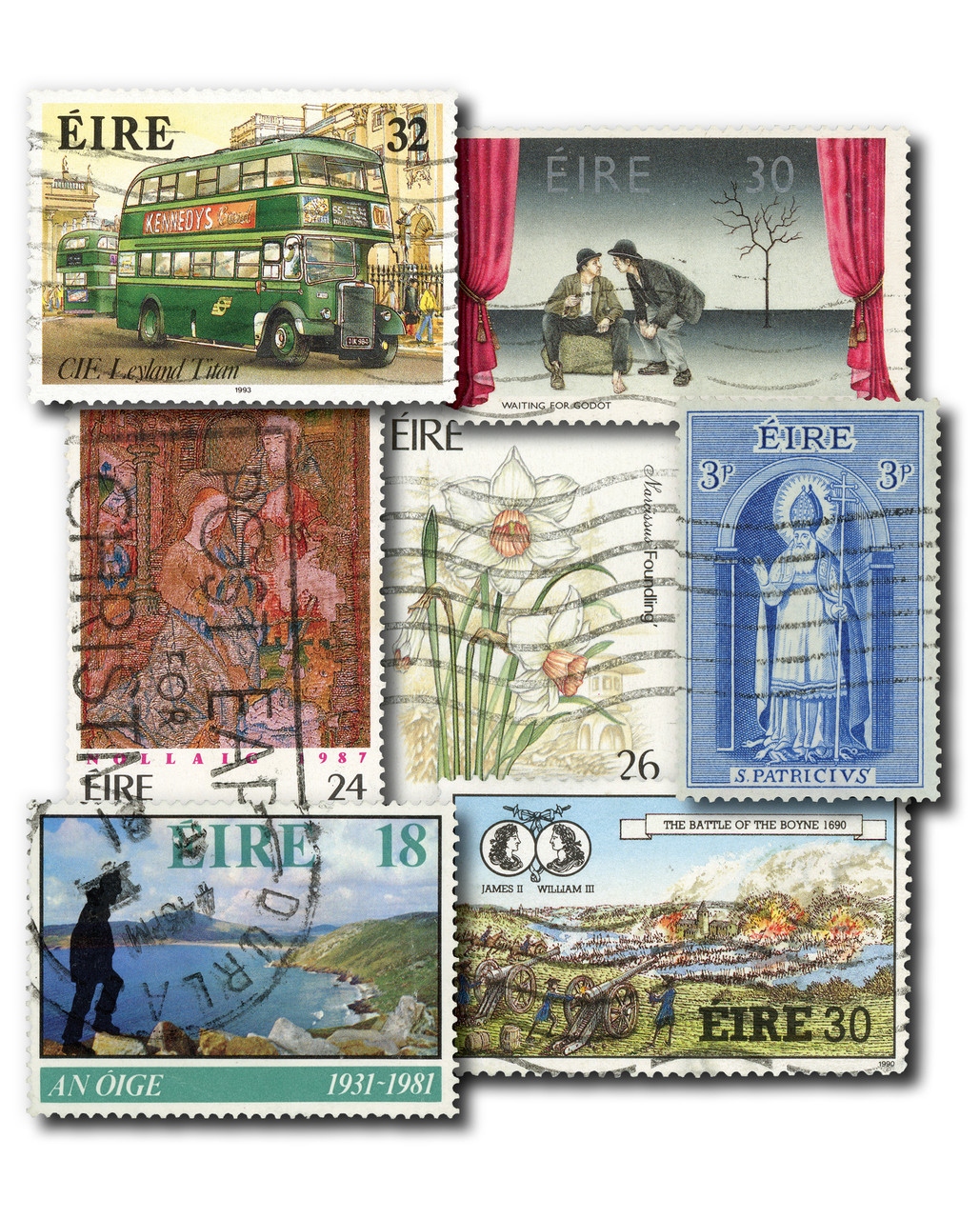
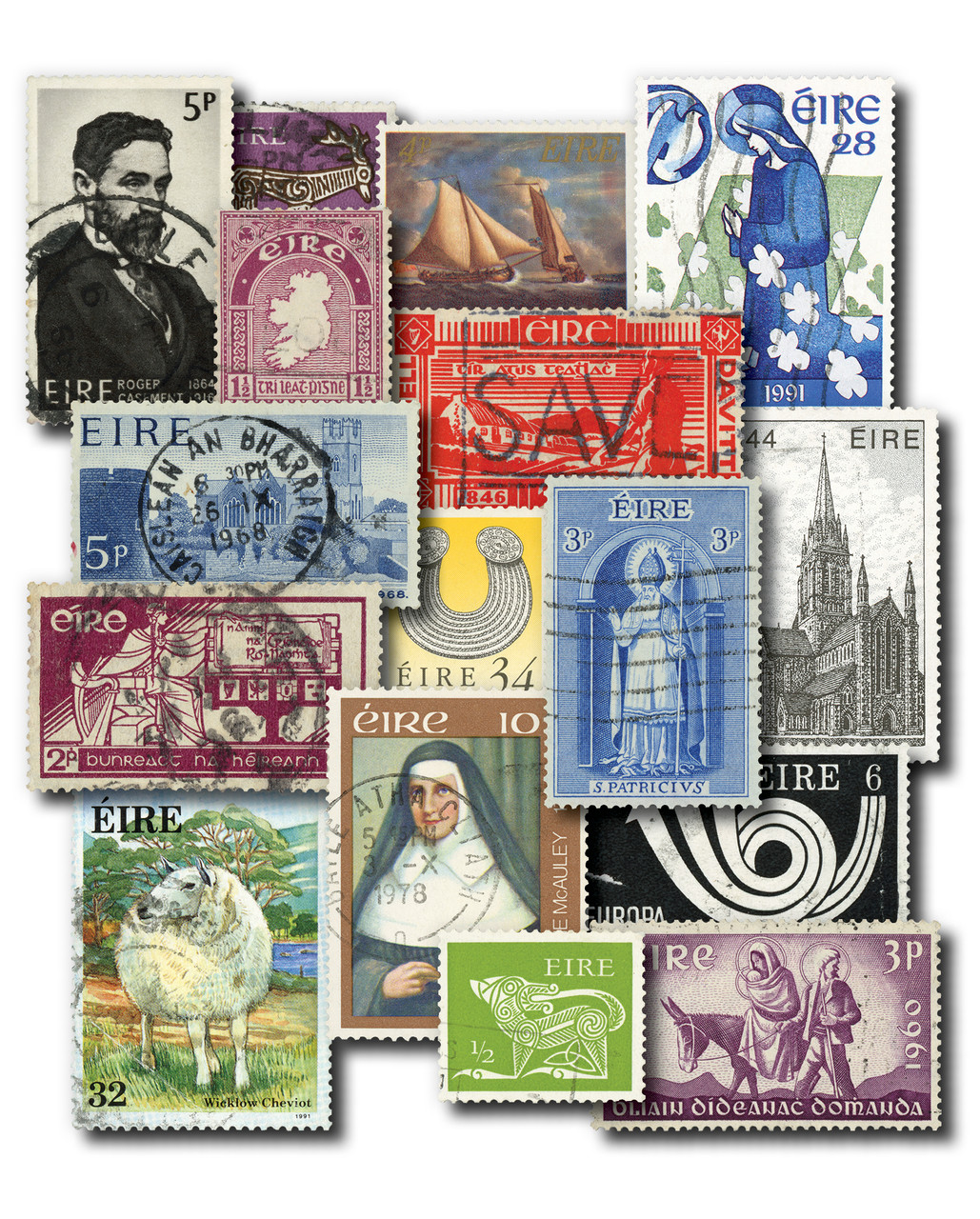
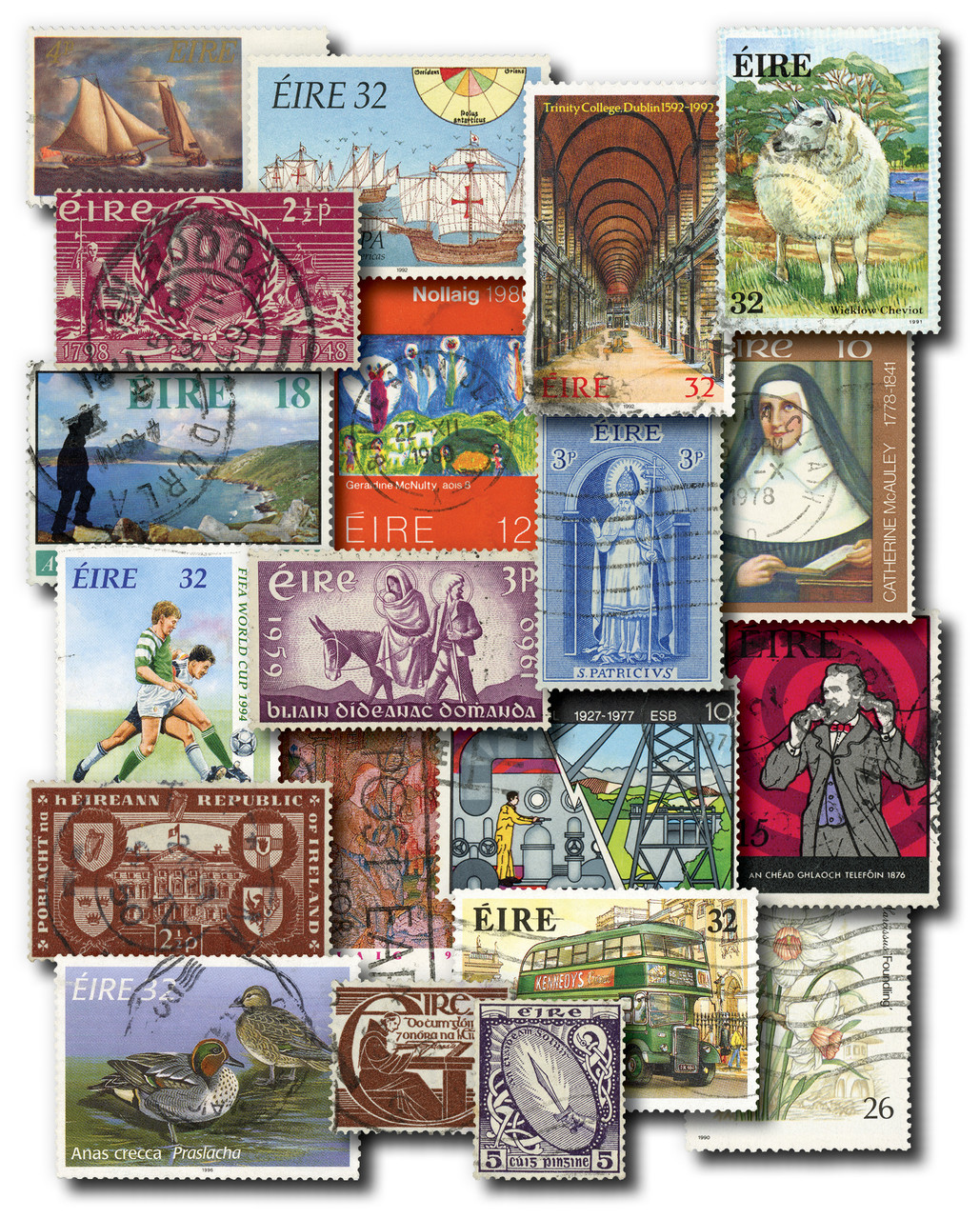
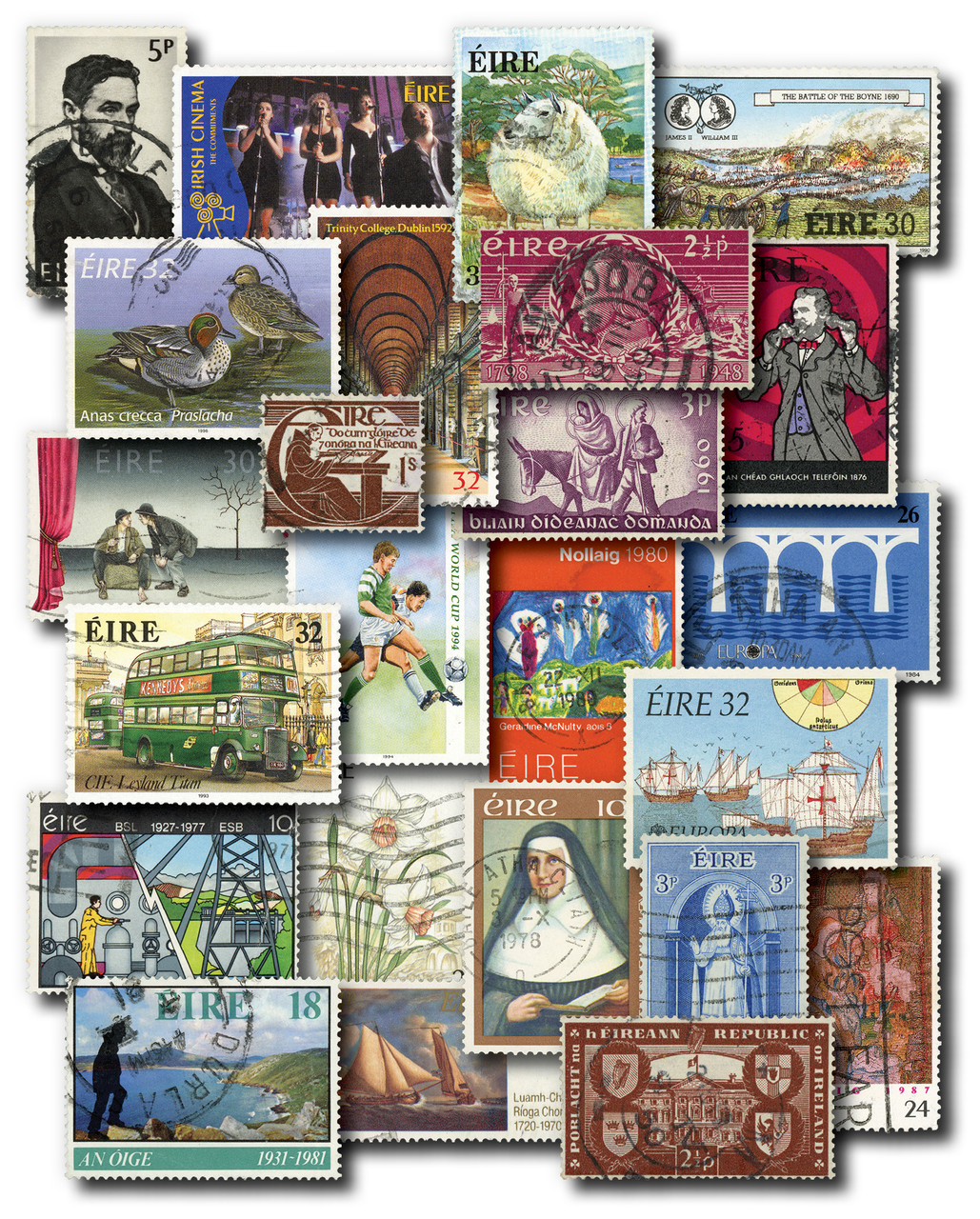
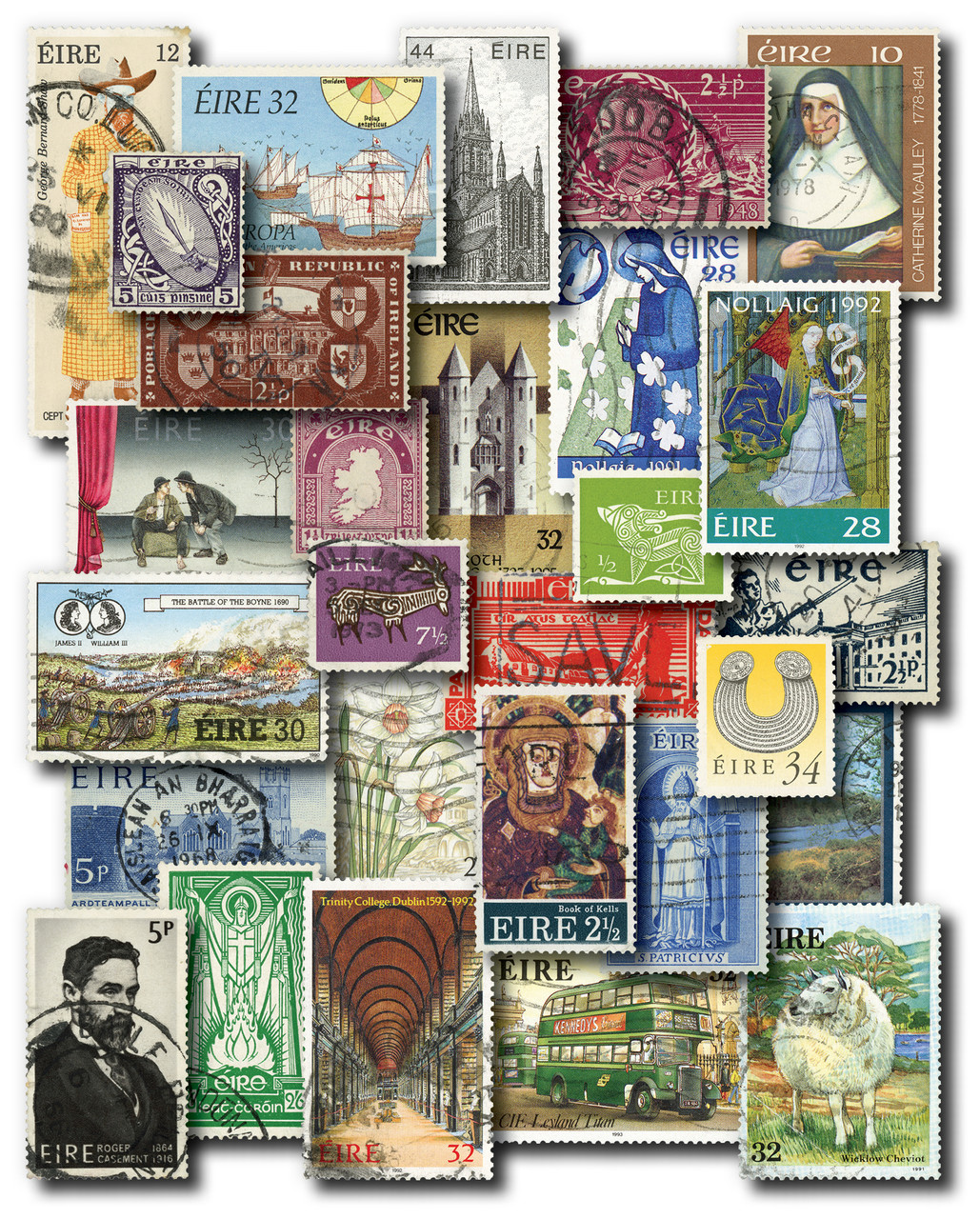
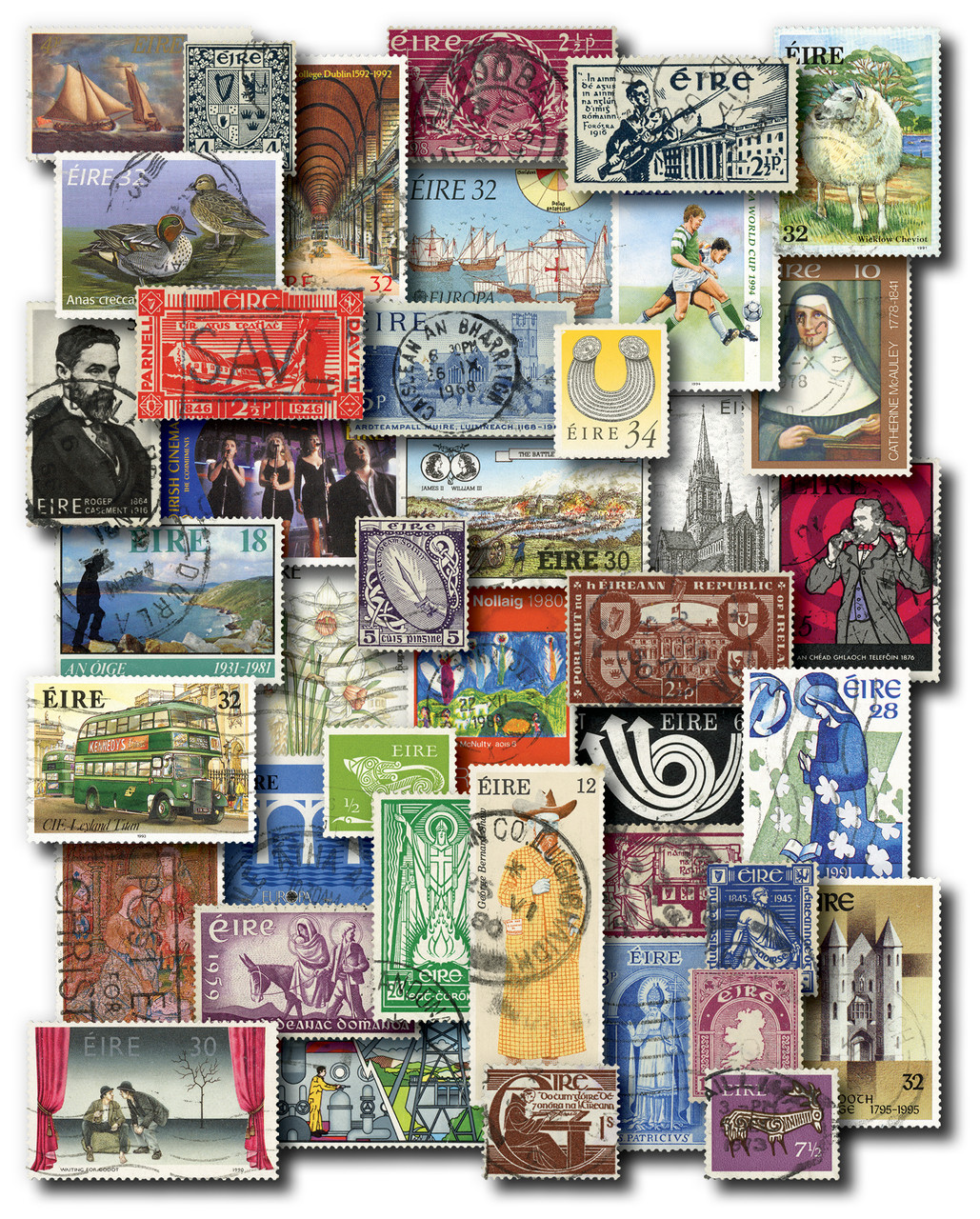
Explore the rich history and beauty of Ireland with Mystic’s stamp mixes. These assorted stamps offer a colorful look at Ireland’s culture, landscapes, wildlife, and historic milestones, making them a fun and affordable way to grow your collection. Perfect for starting a new collection or growing an existing one, we have a mix that is the right size for you. Contents may vary.
Or click here for our entire collection of stamps from Ireland.