First Run of the Best Friend of Charleston
On December 25, 1830, the Best Friend of Charleston completed its first run. It was the first American-built steam locomotive to haul a train of passenger cars on a public railroad.

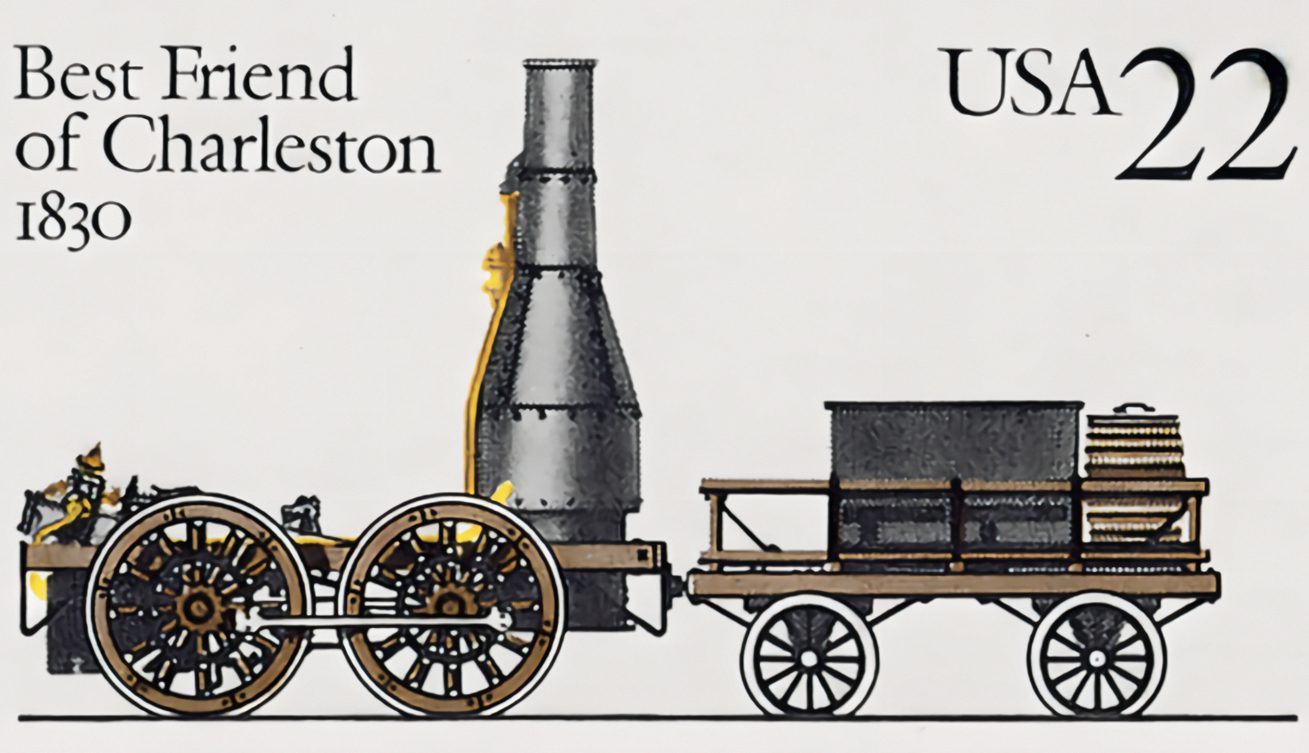
On December 25, 1830, the Best Friend of Charleston completed its first run. It was the first American-built steam locomotive to haul a train of passenger cars on a public railroad.
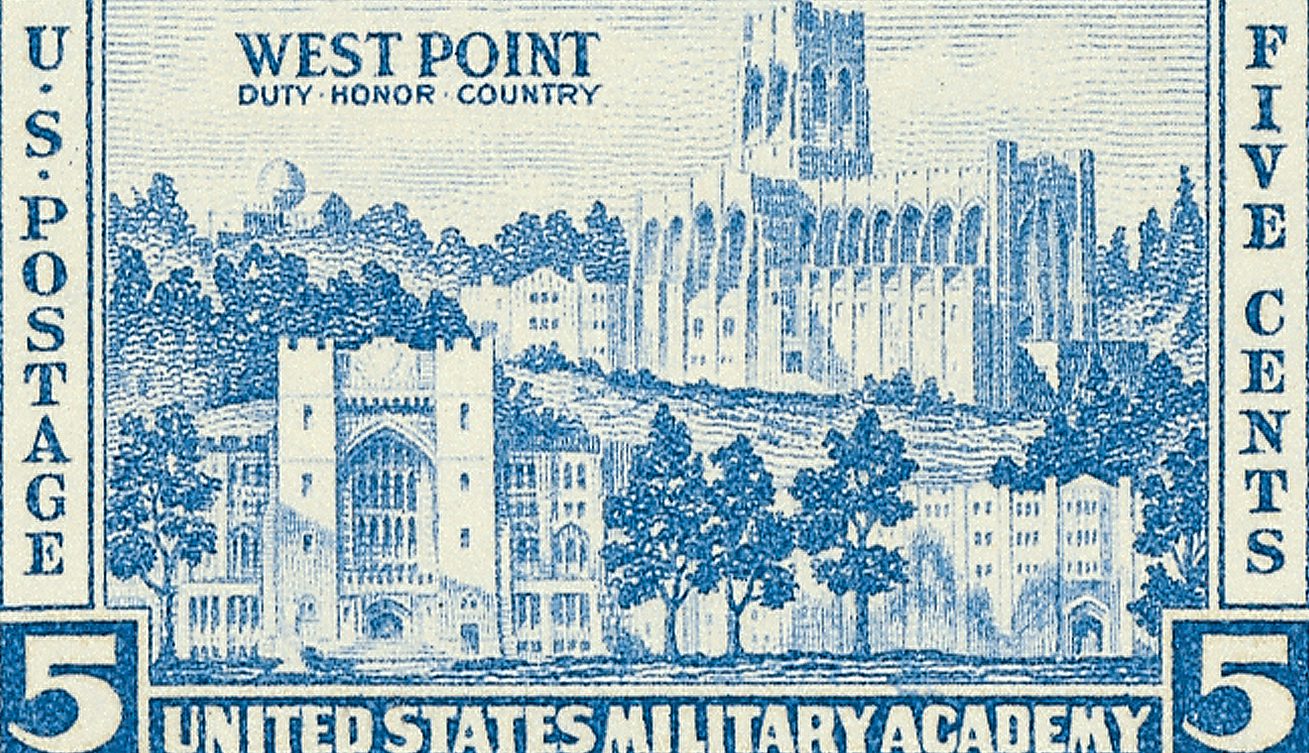
On the cold night of December 24, 1826, a group of cadets at the United States Military Academy at West Point launched an eggnog-fueled riot that shocked the school and embarrassed the young nation. What began as a forbidden holiday celebration quickly spiraled into violence, gunfire, and destruction. By the following morning, order was restored—but the incident, later known as the Eggnog Riot, left a lasting mark on West Point’s history.

On December 19, 1843, Charles Dickens published A Christmas Carol, a small book that would become one of the most famous holiday stories ever written. Released just days before Christmas, the tale of Ebenezer Scrooge and his ghostly visitors captured the spirit of the season—and the conscience of Victorian England. Though Dickens was already a well-known author, few could have predicted that this short Christmas book would become his most enduring work, shaping how Christmas itself is celebrated and remembered.
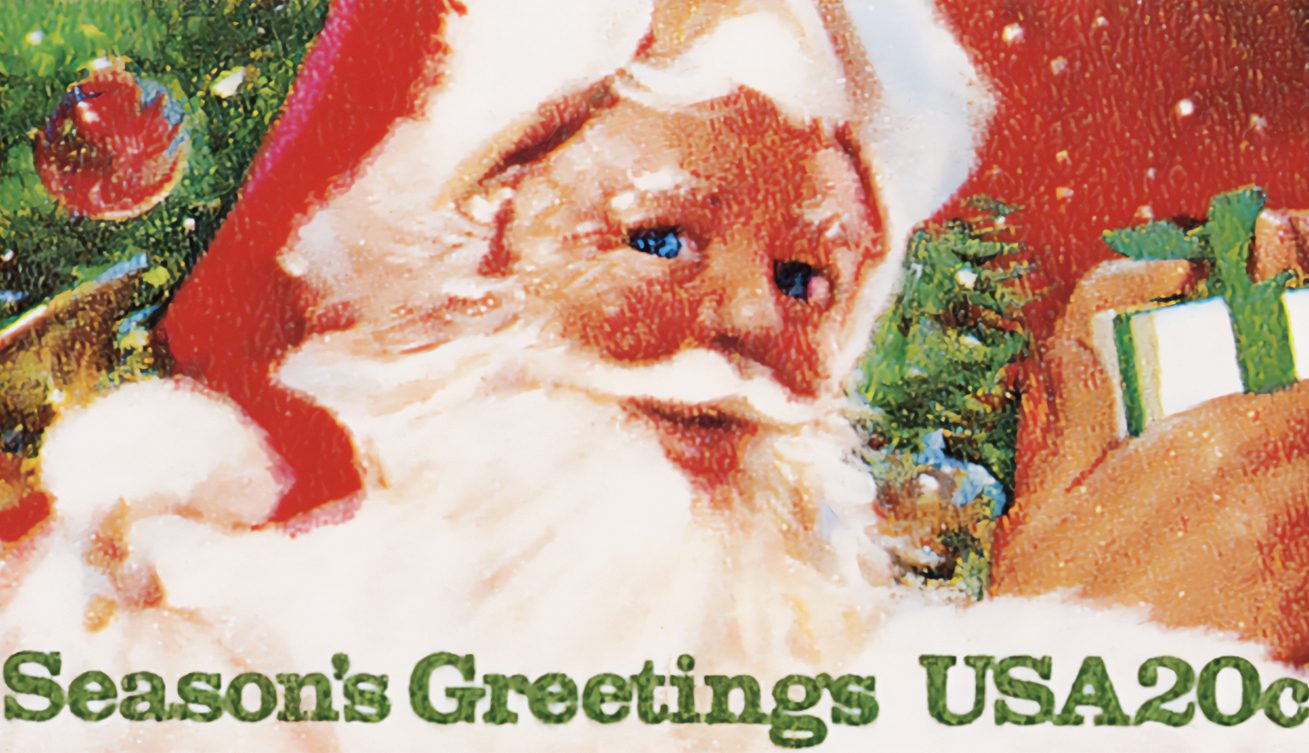
On September 21, 1897, The Sun, a New York City newspaper, published what would become one of the most famous editorials ever written. It was titled simply, “Is There a Santa Claus?” but is better known today as “Yes, Virginia, There Is a Santa Claus.” The editorial was written in response to a letter from an eight-year-old girl named Virginia O’Hanlon, whose simple question sparked an answer that has inspired generations.
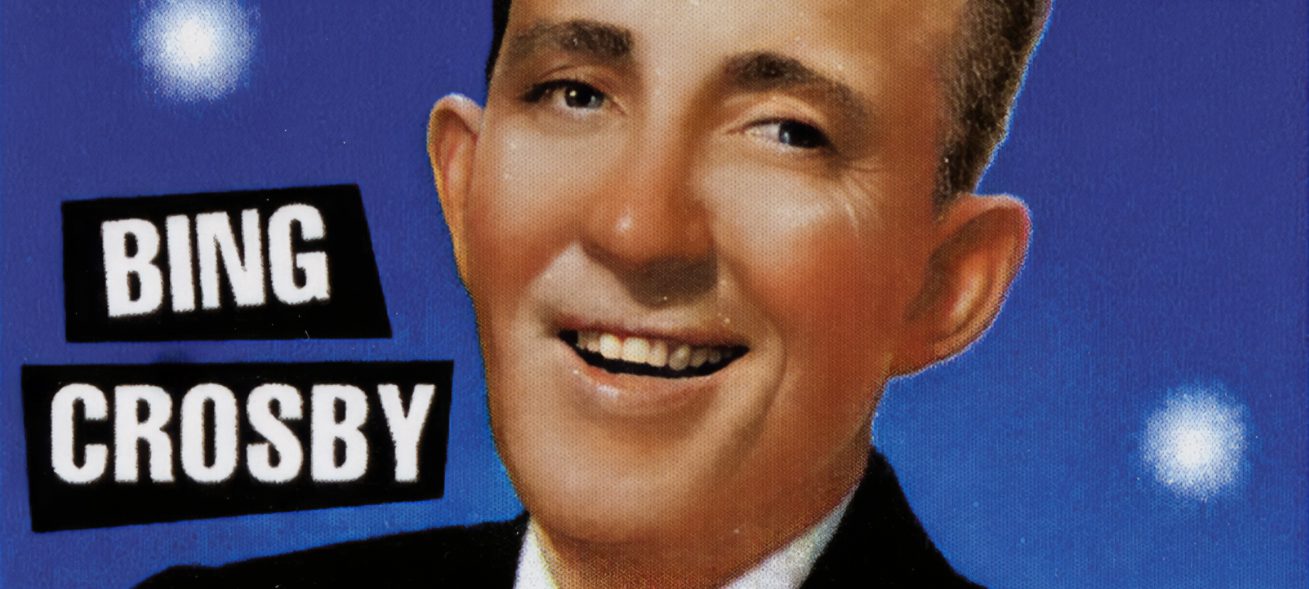
One of the best-selling recording artists of the 20th century, Bing Crosby, was born Harry Lillis Crosby Jr. in Tacoma, Washington, on May 3, 1903. The first major star of multiple media, he was a leader in record sales, radio ratings, and motion picture sales.
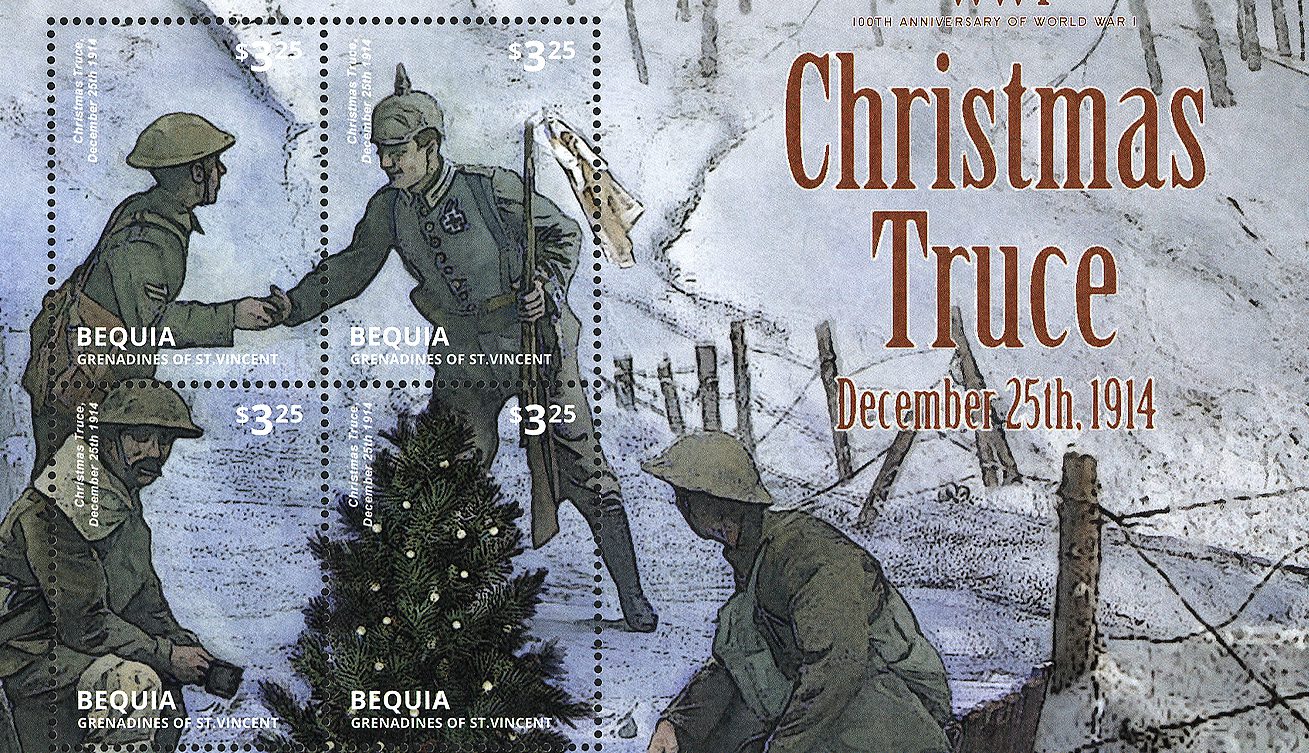
On December 24, 1914, soldiers from both sides engaged in a truce for the Christmas holiday. For a short time, German and British troops laid down their arms and became friends instead of enemies.

Saint Nicholas of Myra died on December 6, 343. This date has long been celebrated as Saint Nicholas Day or the Feast of Saint Nicholas. Leaving gifts for children at night, he served as the inspiration for Santa Claus.

After burning Atlanta, Union General William Tecumseh Sherman embarked on his month-long March to the Sea on November 15, 1864.

On November 9, 1964, the US Post Office issued its first se-tenant, which was also America’s third Christmas issue. Today, the USPS issues at least one se-tenant every year.