Birth of Harlan F. Stone
Supreme Court Justice Harlan Fiske Stone was born on October 11, 1872, in Chesterfield, New Hampshire. He served on the court for over 20 years, including over four years as chief justice.

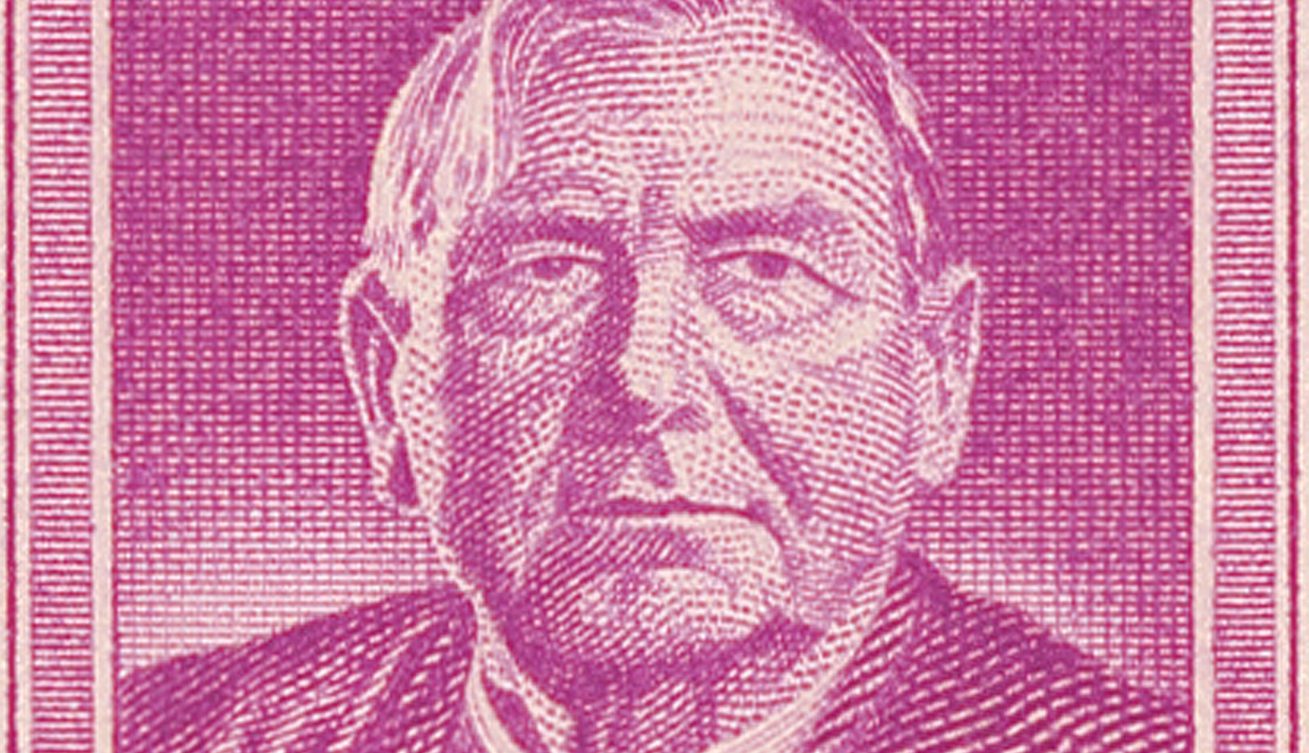
Supreme Court Justice Harlan Fiske Stone was born on October 11, 1872, in Chesterfield, New Hampshire. He served on the court for over 20 years, including over four years as chief justice.
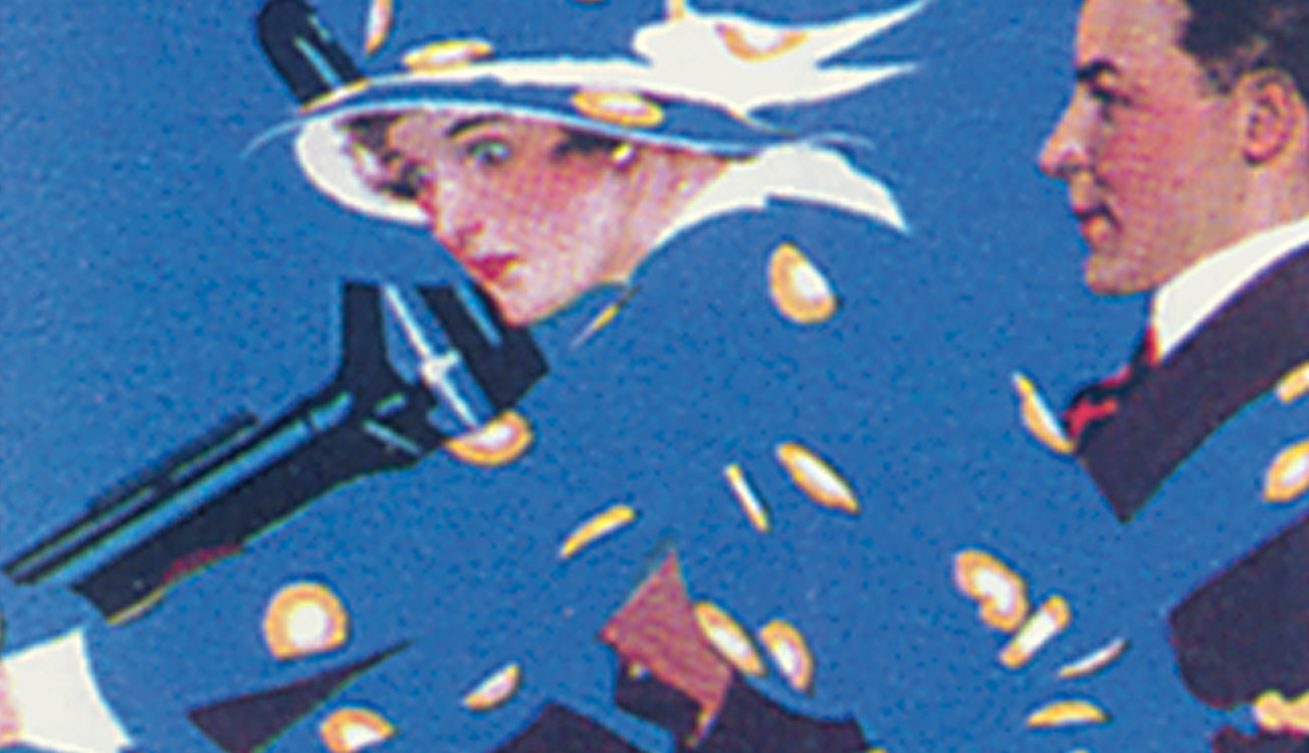
Clarence Coles Phillips was born on October 3, 1880, in Springfield, Ohio. Considered one of the leaders of the Golden Age of Illustration, he’s most well-known for his “fadeaway” girls, as pictured on his 2001 stamp.
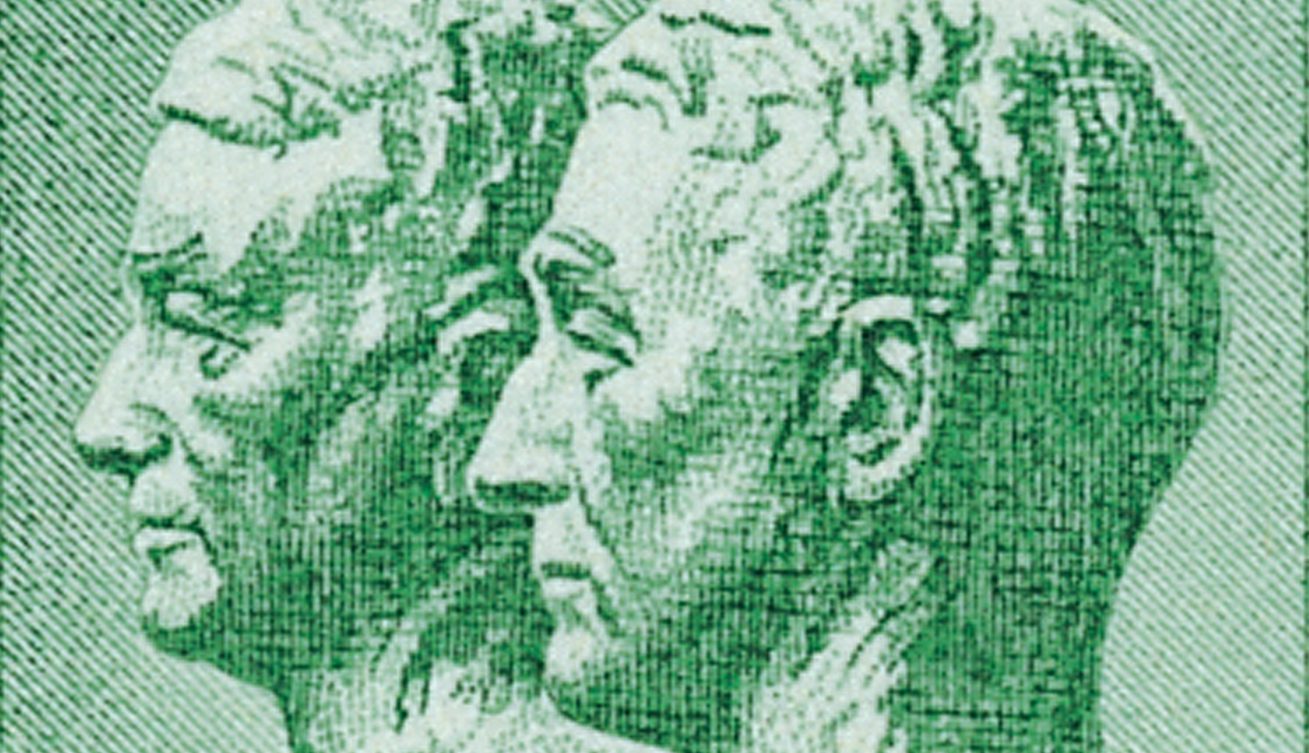
On September 30, 1889, the first building of the Mayo Clinic opened to the public. Today its one of the world’s largest medical centers and the top-ranked hospital in the US.
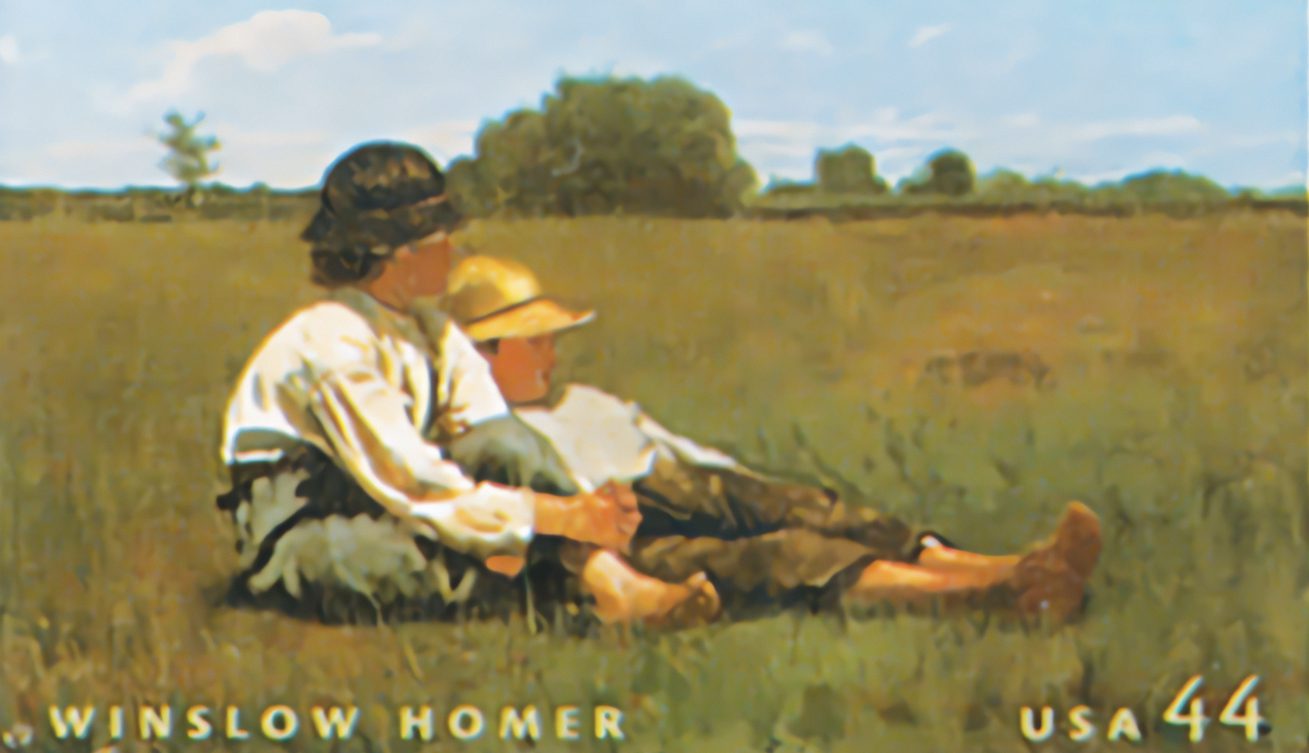
On September 29, 1910, Winslow Homer died at Prouts Neck, Maine, after a career that helped define American art. He began as a magazine illustrator, but his paintings and watercolors came to portray war, work, childhood, and the sea with unusual clarity and force.

George Gershwin was born Jacob Gershwine on September 26, 1898, in Brooklyn, New York. A successful composer and pianist, he created beloved orchestral compositions, popular jazz standards, as well as Broadway and Hollywood hits.

Shel Silverstein was born Sheldon Allan Silverstein on September 25, 1930, in Chicago, Illinois. Before he became known for children’s poetry, he had worked as a military cartoonist, a magazine illustrator, a playwright, a recording artist, and a songwriter.
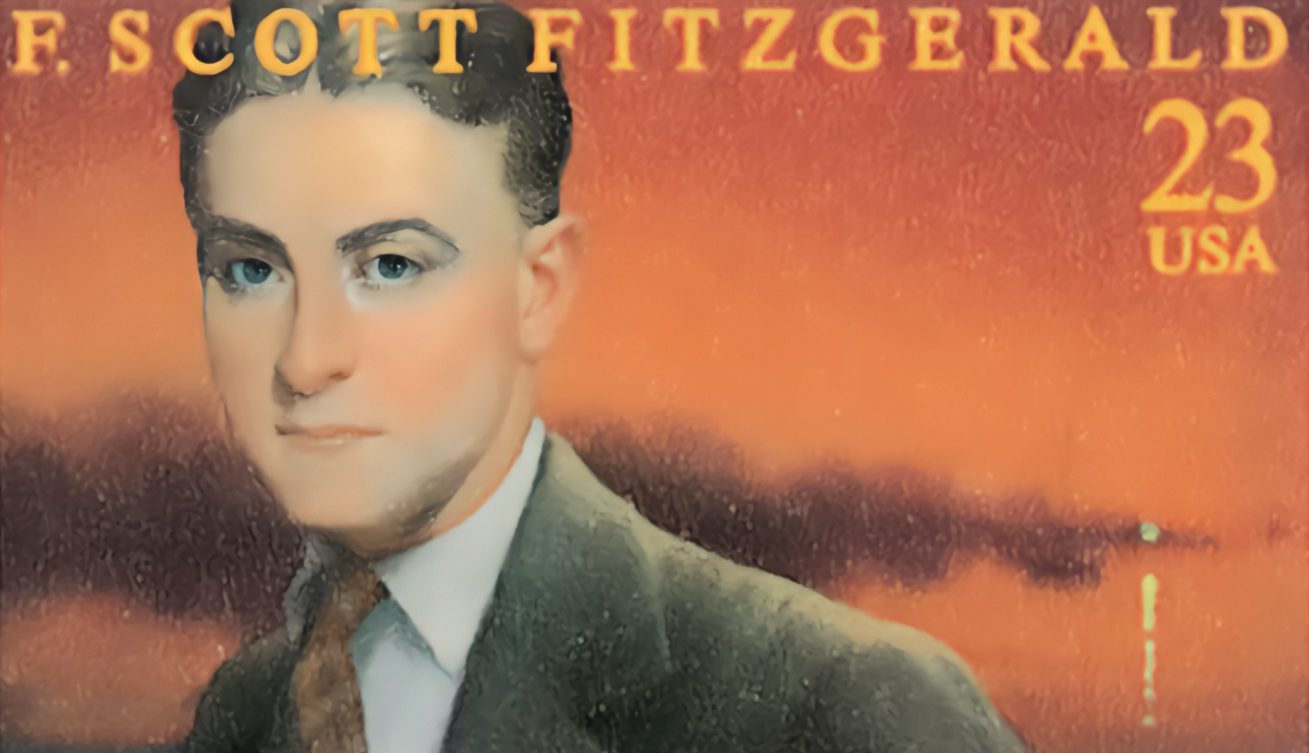
Francis Scott Key Fitzgerald was born on September 24, 1896, in St. Paul, Minnesota. He would become one of the best-known writers of the Jazz Age, recording its energy, wealth, restlessness, and disappointments in novels and short stories.

The American Association for the Advancement of Science (AAAS) was founded on September 20, 1848, in Philadelphia, Pennsylvania. It grew to become the world’s largest general scientific society with more than 120,000 members.
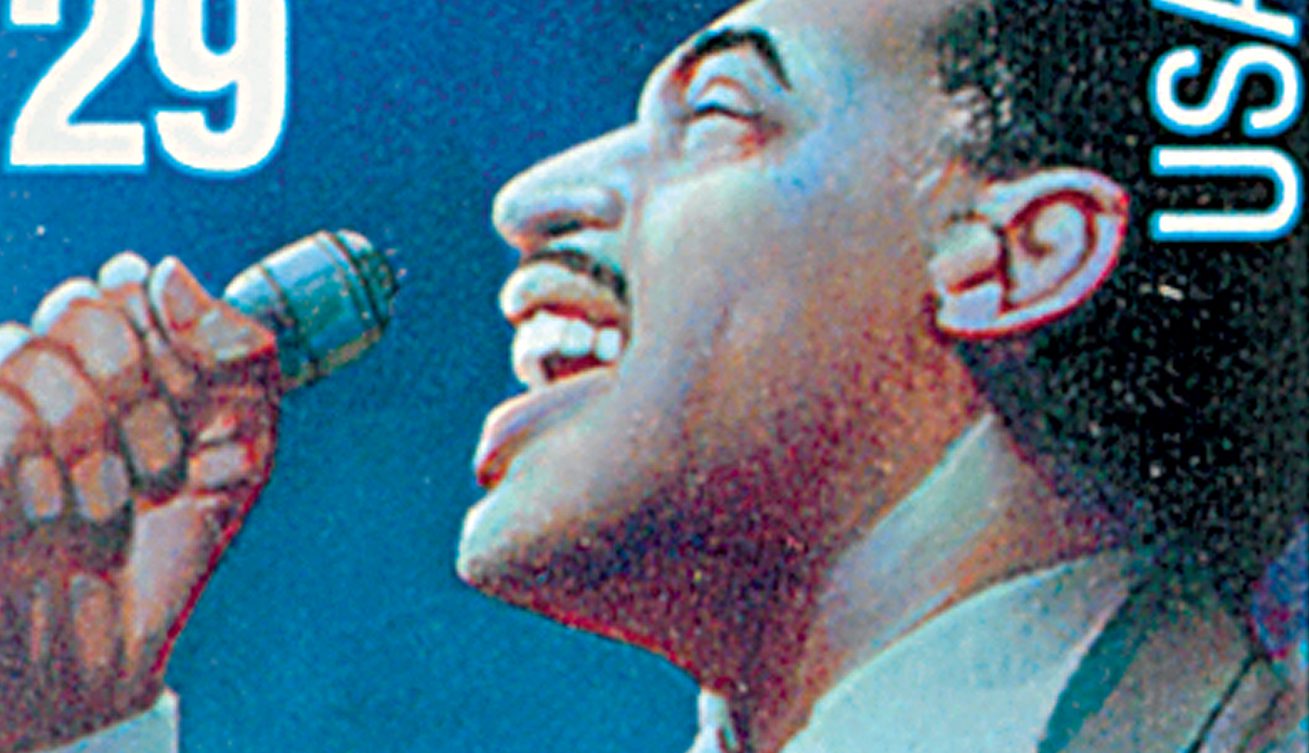
Otis Ray Redding Jr. was born on September 9, 1941, in Dawson, Georgia. Despite his brief career, it’s been said that his marriage of traditional R&B with folk music in the 1960s took soul to a new level.