Birth of Wilma Rudolph
Wilma Glodean Rudolph was born on June 23, 1940, in Saint Bethlehem, Tennessee. Dubbed “The Fastest Woman in History,” she became the first female athlete to win three gold medals in a single Olympic Games.


Wilma Glodean Rudolph was born on June 23, 1940, in Saint Bethlehem, Tennessee. Dubbed “The Fastest Woman in History,” she became the first female athlete to win three gold medals in a single Olympic Games.

Legendary illustrator Albert Hirschfeld was born on June 21, 1903, in St. Louis, Missouri. Hirschfeld’s work was so iconic, the USPS broke their own rules to feature his illustrations on two sets of stamps…
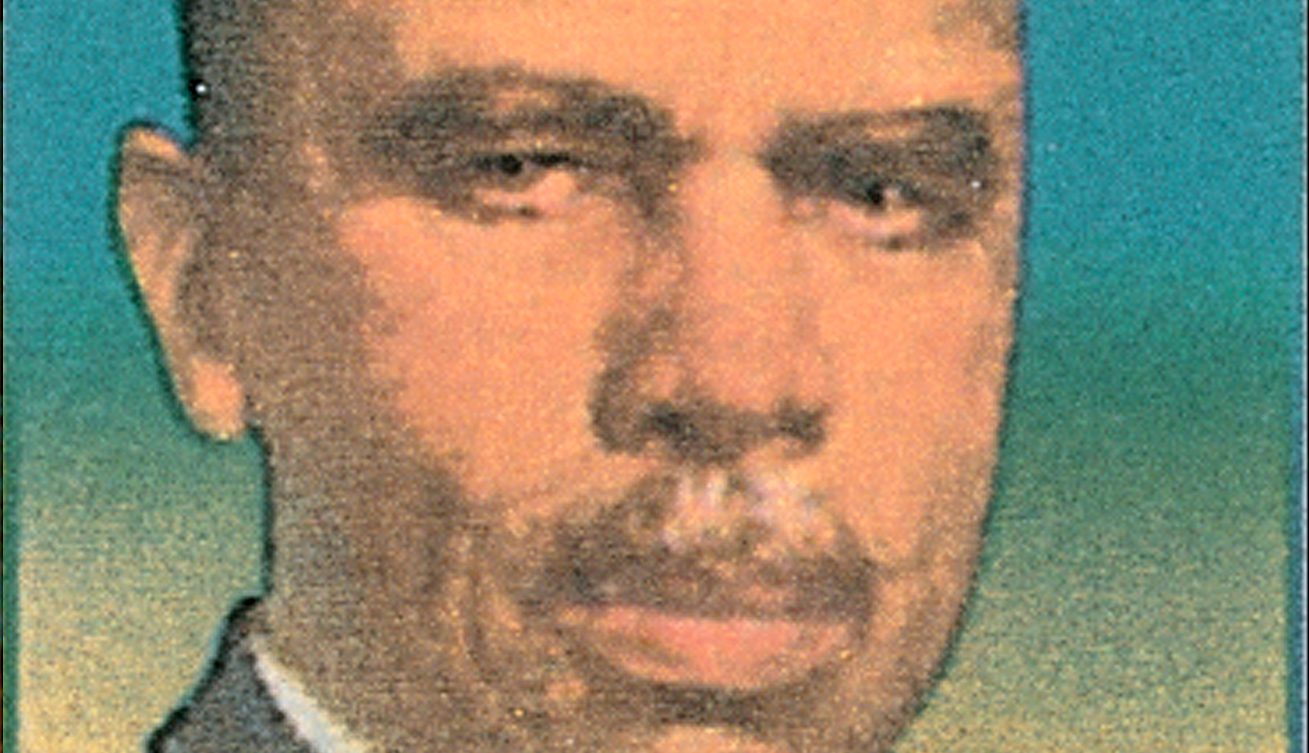
James Weldon Johnson was born on June 17, 1871, in Jacksonville, Florida. A poet, songwriter, diplomat, and activist, he was the first African American executive secretary of the NAACP.
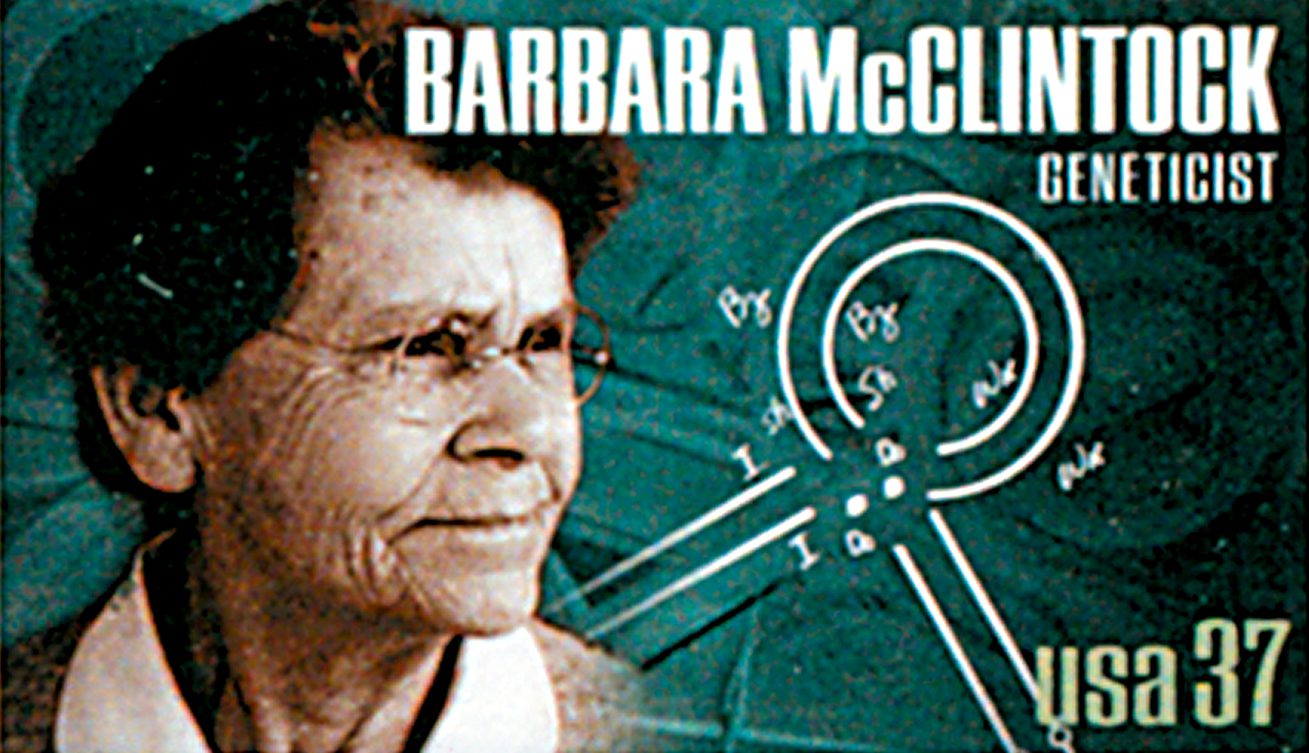
Barbara McClintock was born Eleanor McClintock on June 16, 1902, in Hartford, Connecticut. She’s the first, and to date only woman to receive an unshared Nobel Prize in Physiology or Medicine, for her discovery of transposition, or genetic “switches” in genes.
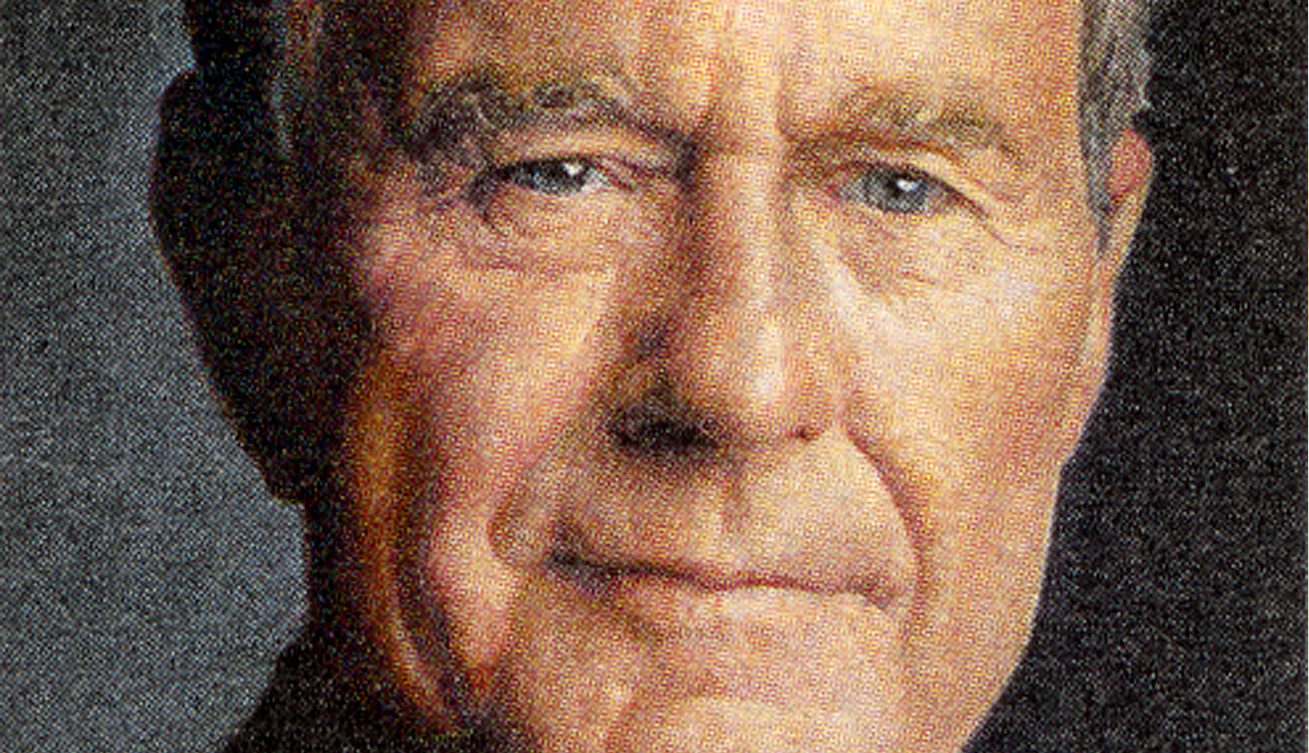
George Herbert Walker Bush was born on June 12, 1924, in Milton, Massachusetts. As America’s 41st president, he led the US through conflicts in Panama and Iraq, helped bring about the end of the Soviet Union, and negotiated treaties to reduce the number of global nuclear weapons. At home, Bush fought against rising drug use and cracked down on the drug trade.

Cumberland Gap National Historical Park was established on June 11, 1940, along the Kentucky-Virginia border. The park preserves and honors the “first great gateway to the West.”
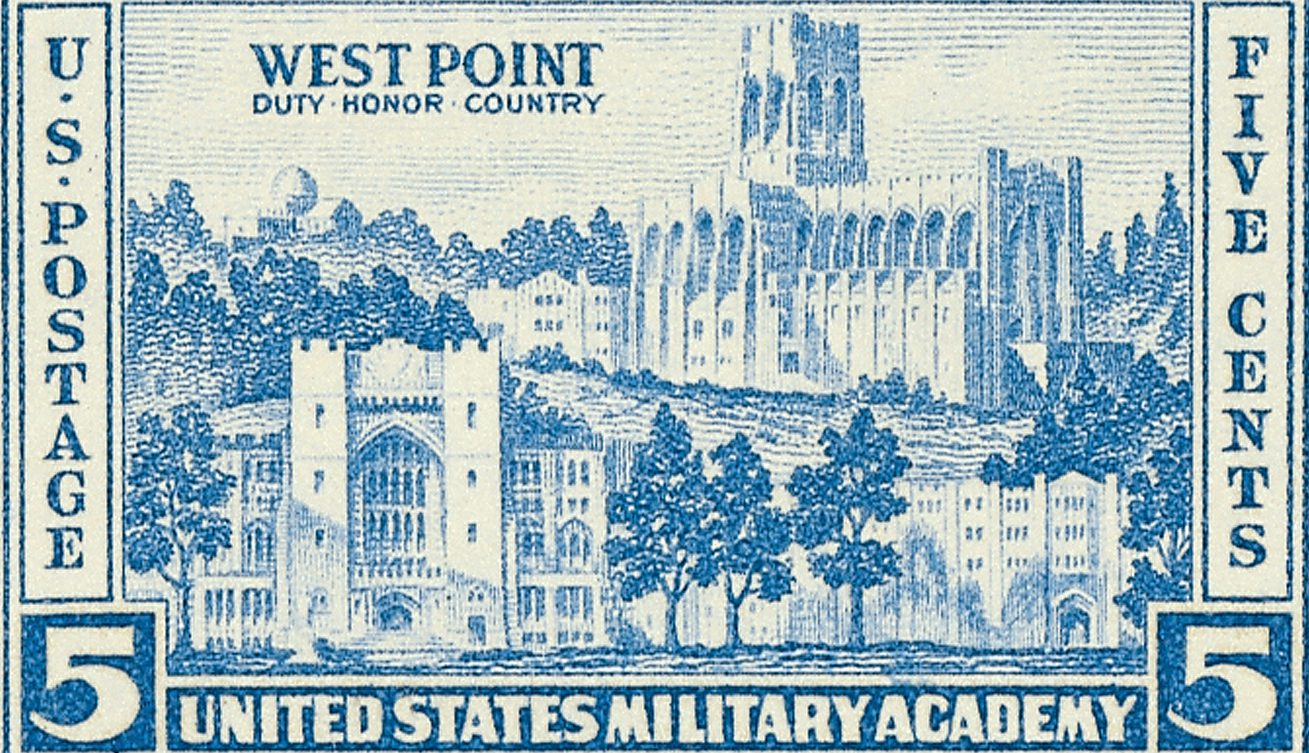
“The Father of West Point,” Sylvanus Thayer was born on June 9, 1785, in Braintree, Massachusetts. During his 16 years as superintendent, Thayer transformed West Point into one of the finest military academies in the world.

Architect Frank Lloyd Wright was born Frank Lincoln Wright on June 8, 1867, in Richland Center, Wisconsin. He’s considered one of the greatest architects of all time.
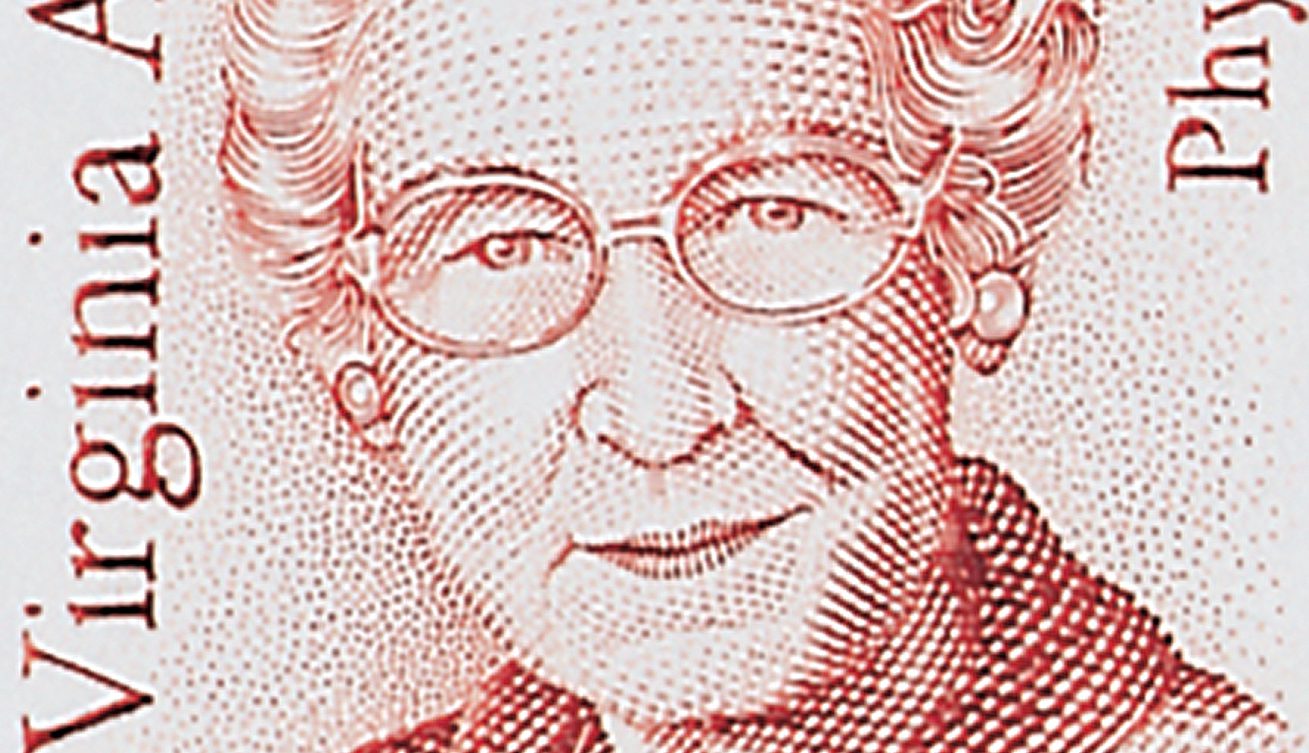
Dr. Virginia Apgar was born on June 7, 1909, in Westfield, New Jersey. She was a pioneer in the field of neonatology, the area of medicine that specializes in premature and ill newborns. Her work is credited with drastically reducing infant mortality worldwide.