Roosevelt’s Four Freedoms
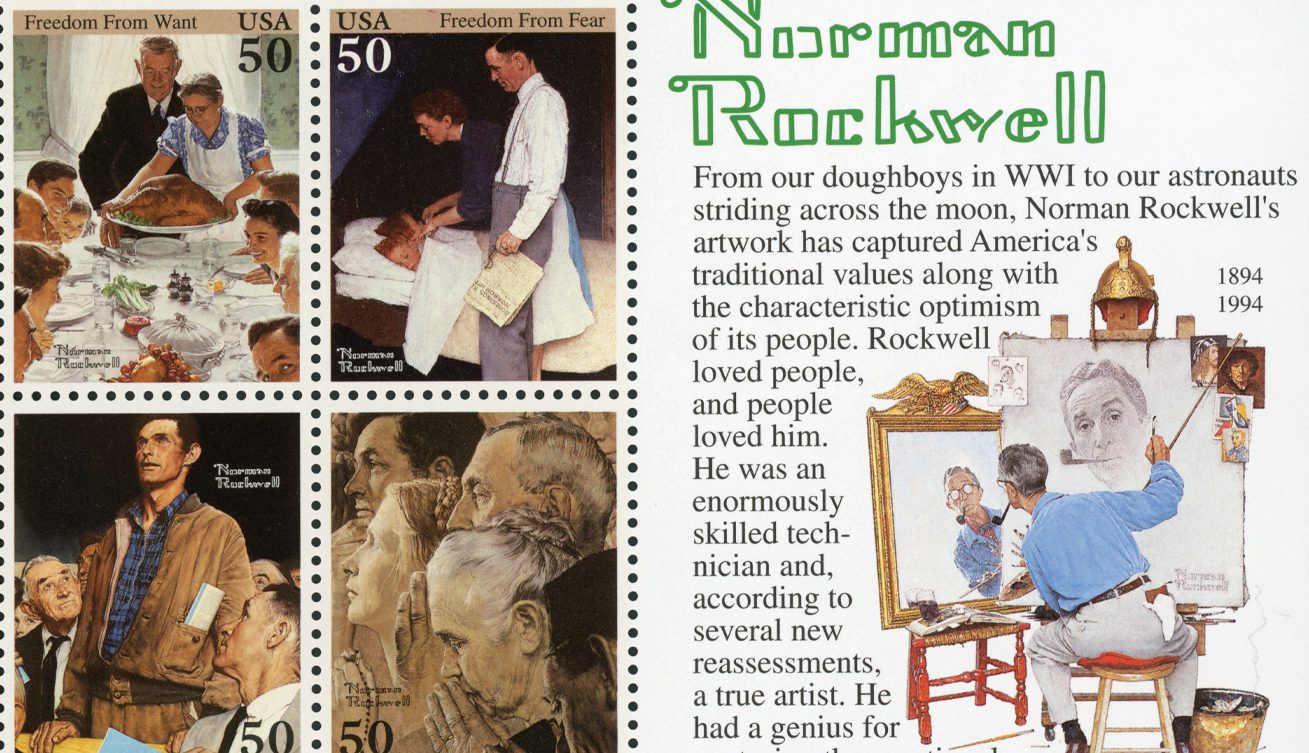
On January 6, 1941, President Franklin Roosevelt gave his “Four Freedoms” speech while delivering the State of the Union Address. The Four Freedoms represented America’s goals for a peaceful post-war world.
On December 26, 1972, America’s 33rd president, Harry S. Truman, died, closing the chapter on a leader who had guided the nation through the final days of World War II and the uncertain dawn of the Cold War. Plainspoken and decisive, Truman rose from humble beginnings to make some of the most consequential choices in US history—decisions that reshaped America’s role on the world stage and still spark debate today.
On December 2, 1980, President Jimmy Carter established Glacier Bay National Park and Preserve in Alaska. Today the park is part of one of the world’s largest international protected areas.
On November 29, 1944, the War Department officially adopted the Honorable Discharge Emblem, a small but meaningful symbol worn by millions of service members returning home from World War II. For many veterans, it represented not only their service, but also their safe return after years of sacrifice.
On November 26, 1789, Americans celebrated Thanksgiving for the first time under a presidential proclamation. Although people in the colonies had held harvest celebrations of thanks since the 1600s, the idea of a single, nationwide holiday did not yet exist. For more than two centuries, different communities held their own thanksgiving observances at various times of the year, often tied to local harvests, military victories, or special religious moments. It would take national leadership—and eventually the influence of several presidents—to turn Thanksgiving into the unified holiday we know today.
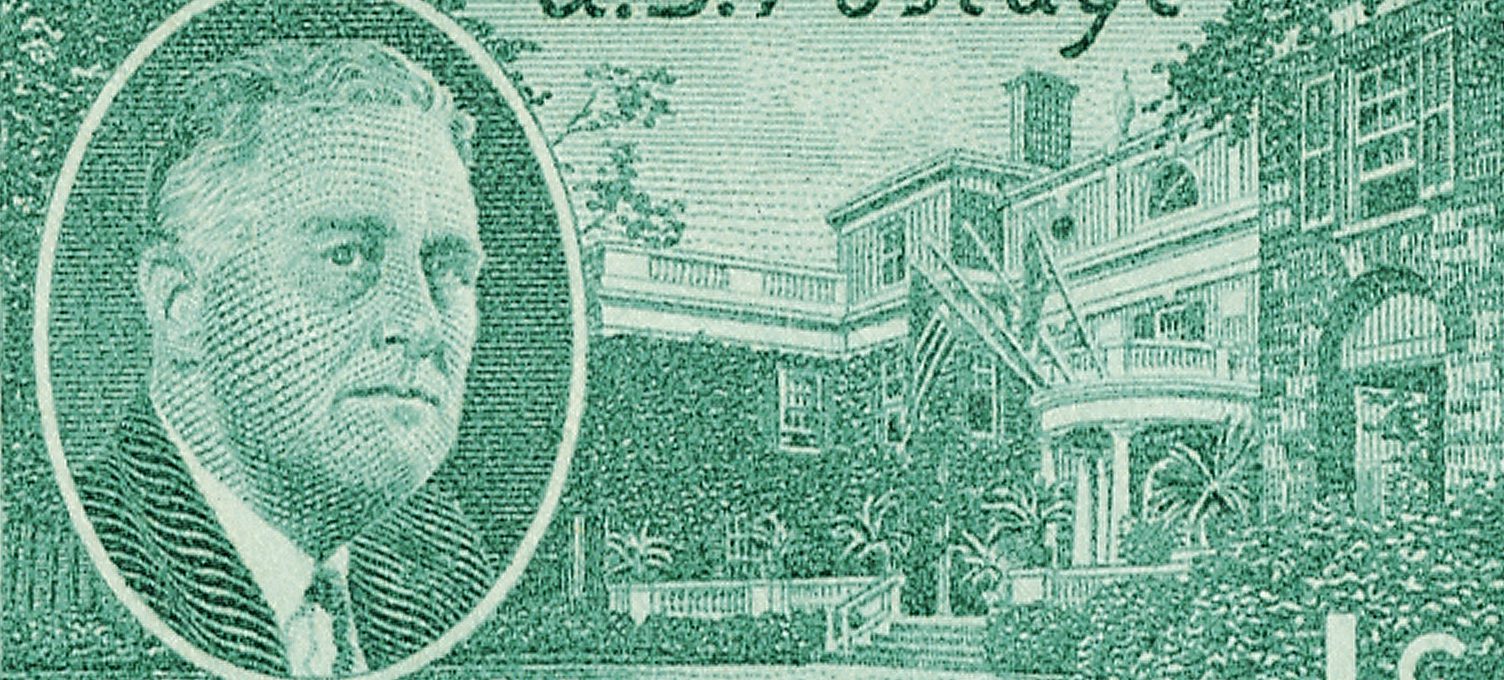
On November 7, 1944, Franklin D. Roosevelt made history as the first—and only—US president elected to a fourth term. His remarkable political career reshaped both the country’s government and its role in the world.
On October 28, 1942, construction was completed on one of the most ambitious engineering projects of World War II — the 1,700-mile Alaska Highway. What began as a desperate military necessity became one of the great infrastructure achievements of the 20th century, linking Alaska to the continental United States for the first time by land.
On August 12, 1955, the Presidential Libraries Act was passed, providing for the organized transfer of presidential papers and other items to the federal government.
On June 20, 1863, West Virginia joined the Union as the 35th state. It had formed from the western counties of Virginia which disagreed with the state’s decision to secede during the Civil War.