First Modern Grocery Store
On September 6, 1916, the first self-service grocery store as we know it today opened in Memphis, Tennessee. The store was Piggly Wiggly, and it revolutionized the way people bought groceries.


On September 6, 1916, the first self-service grocery store as we know it today opened in Memphis, Tennessee. The store was Piggly Wiggly, and it revolutionized the way people bought groceries.

Frederic Eugene Ives was born on February 17, 1856, in Litchfield, Connecticut. He developed the first successful half-tone process and invented the “Kromskop,” which projected three identical images through different colored filters to produce some of the first color photographs.
On February 15, 1946, the Electronic Numerical Integrator and Computer (ENIAC) was unveiled to the public. It’s considered the first general-purpose electronic digital computer.
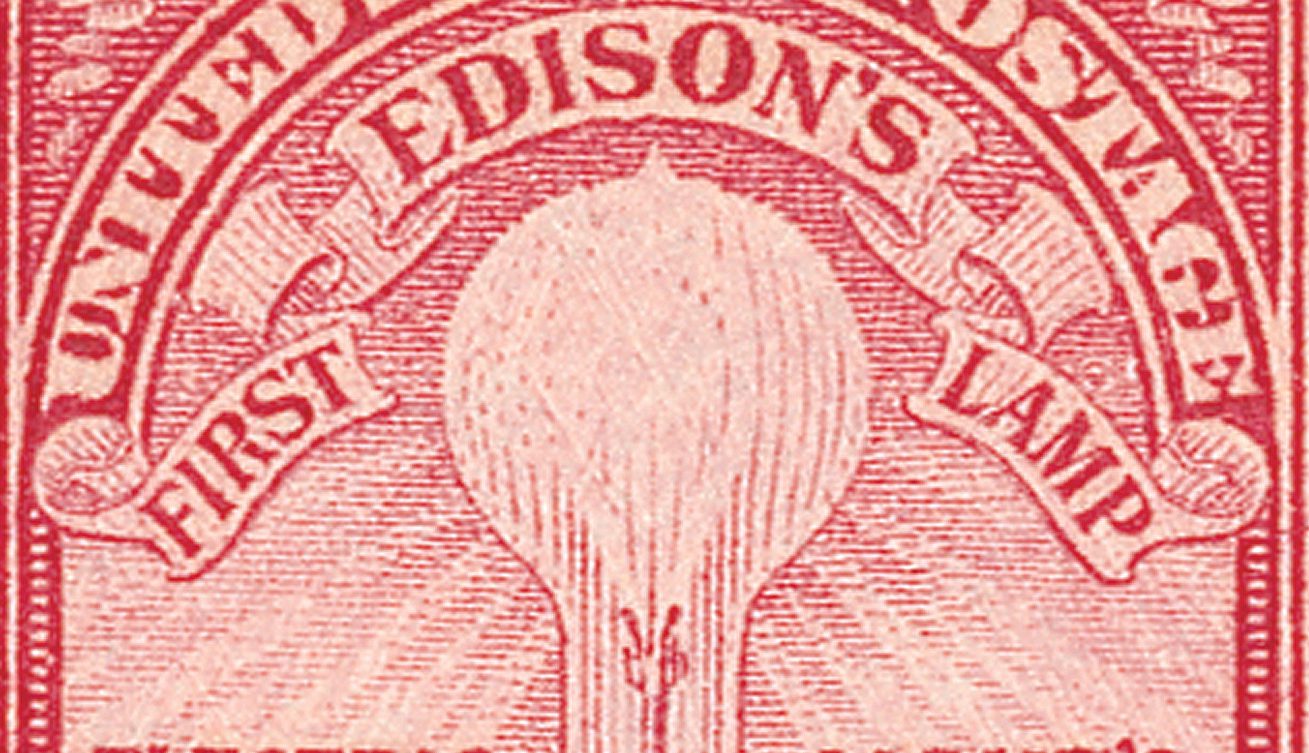
On September 4, 1882, Thomas Edison began providing electricity to a portion of New York City, an event often considered the start of the electrical age.

On August 20, 1920, Detroit’s 8MK radio station began daily broadcasts. Still in operation today, the station often claims to be the first commercial radio station, though a few others have also staked their claim on that title.

On August 6, 1991, Tim Berners-Lee published the first-ever website, heralding the start of the world wide web. The web has grown to over 1.8 billion websites today, and continues to grow every day.

Inventor Elias Howe Jr was born on July 9, 1819, in Spencer, Massachusetts. Howe is best remembered for patenting the modern lockstitch sewing machine.

On May 24, 1844, Samuel Morse sent the first message over telegraph. While in the Supreme Court chamber of the US Capitol, he sent the message “What hath God wrought!” over the telegraph to his assistant in Baltimore, Maryland.
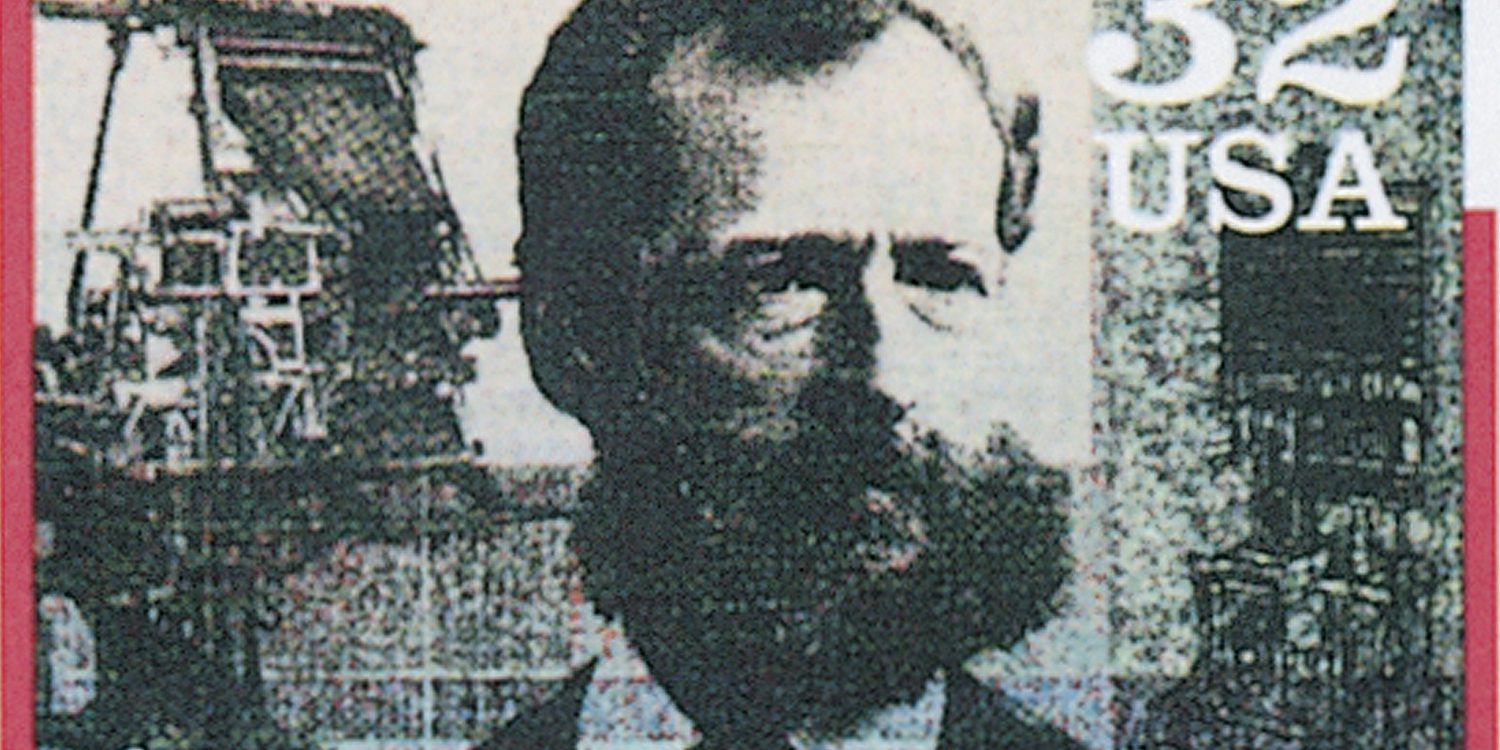
Inventor Ottmar Mergenthaler was born on May 11, 1854, in Hatchel, Kingdom of Württemberg (present-day Baden-Württemberg). Mergenthaler invented the linotype machine, which made it quicker and easier to set complete lines of type for printing presses, revolutionizing printing in the 19th century.