
Military

  • Birth of Neysa McMein

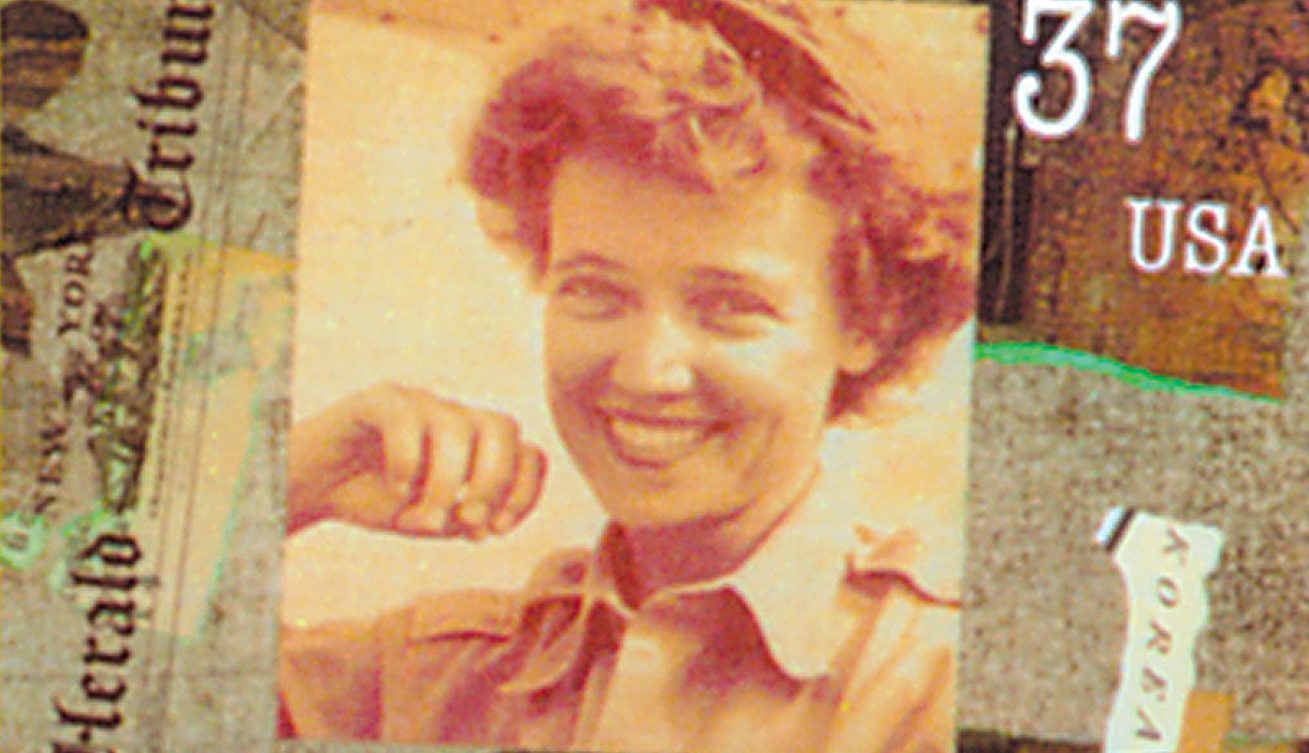
    Neysa McMein, born on January 24, 1888, helped shape how America saw itself during the early 20th century through powerful images that appeared everywhere from magazines to movie studios. Her art captured modern beauty, wartime patriotism, and celebrity culture at a moment when illustration defined public life.

  • Death of Former President Harry Truman 

    On December 26, 1972, America’s 33rd president, Harry S. Truman, died, closing the chapter on a leader who had guided the nation through the final days of World War II and the uncertain dawn of the Cold War. Plainspoken and decisive, Truman rose from humble beginnings to make some of the most consequential choices in US history—decisions that reshaped America’s role on the world stage and still spark debate today.

  • West Point’s Eggnog Riot

    On the cold night of December 24, 1826, a group of cadets at the United States Military Academy at West Point launched an eggnog-fueled riot that shocked the school and embarrassed the young nation. What began as a forbidden holiday celebration quickly spiraled into violence, gunfire, and destruction. By the following morning, order was restored—but the incident, later known as the Eggnog Riot, left a lasting mark on West Point’s history.

  • Honorable Discharge 

    On November 29, 1944, the War Department officially adopted the Honorable Discharge Emblem, a small but meaningful symbol worn by millions of service members returning home from World War II. For many veterans, it represented not only their service, but also their safe return after years of sacrifice.

  • Battle of Tarawa Begins

    On November 20, 1943, US troops launched the Battle of Tarawa, the first American offensive in the central Pacific region of World War II. A turning point in the Pacific War, it saw effective use of the America’s newly developed island-hopping strategy and provided important lessons for future invasions.

  • The Alaska Highway 

    On October 28, 1942, construction was completed on one of the most ambitious engineering projects of World War II — the 1,700-mile Alaska Highway. What began as a desperate military necessity became one of the great infrastructure achievements of the 20th century, linking Alaska to the continental United States for the first time by land.