Birth of Otis Redding
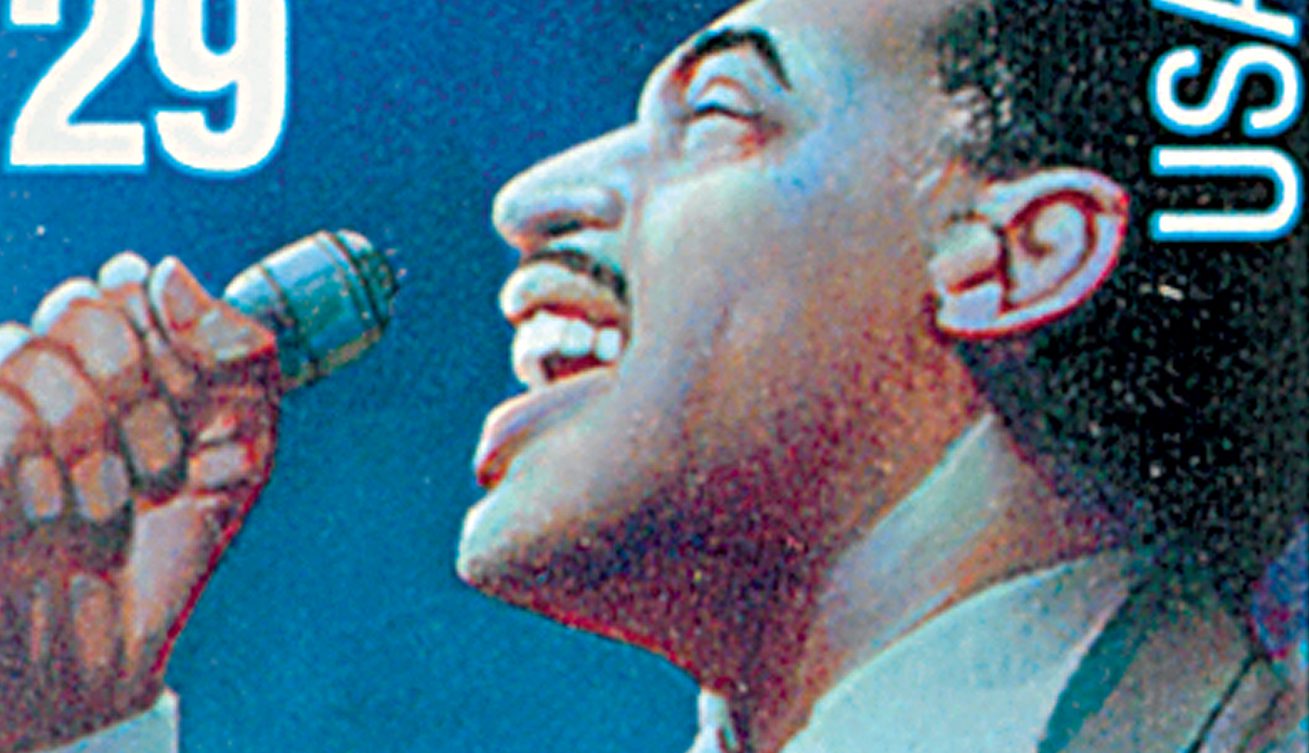
Otis Ray Redding Jr. was born on September 9, 1941, in Dawson, Georgia. Despite his brief career, it’s been said that his marriage of traditional R&B with folk music in the 1960s took soul to a new level.
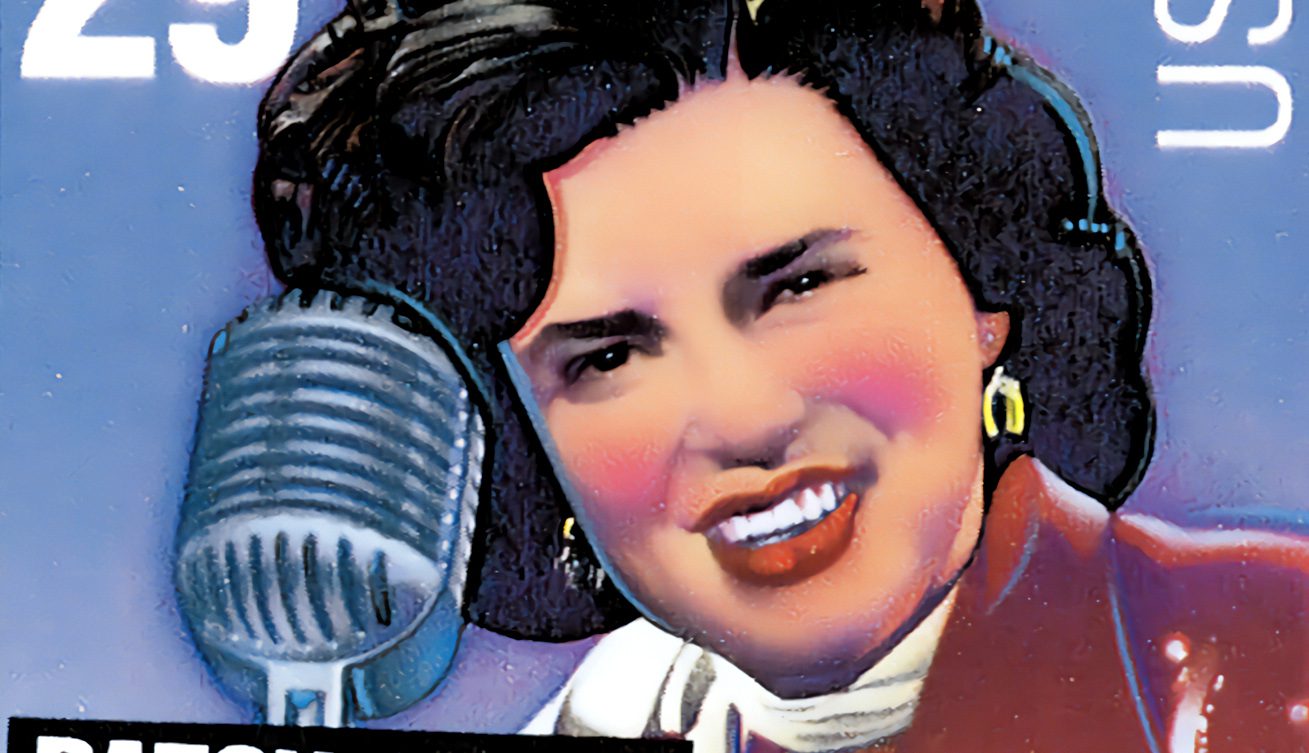
Singer Patsy Cline was born Virginia Patterson Hensley on September 8, 1932, in Winchester, Virginia. When she was 13, she was hospitalized for a throat infection and rheumatic fever, which she said gave her a “booming voice like Kate Smith.”
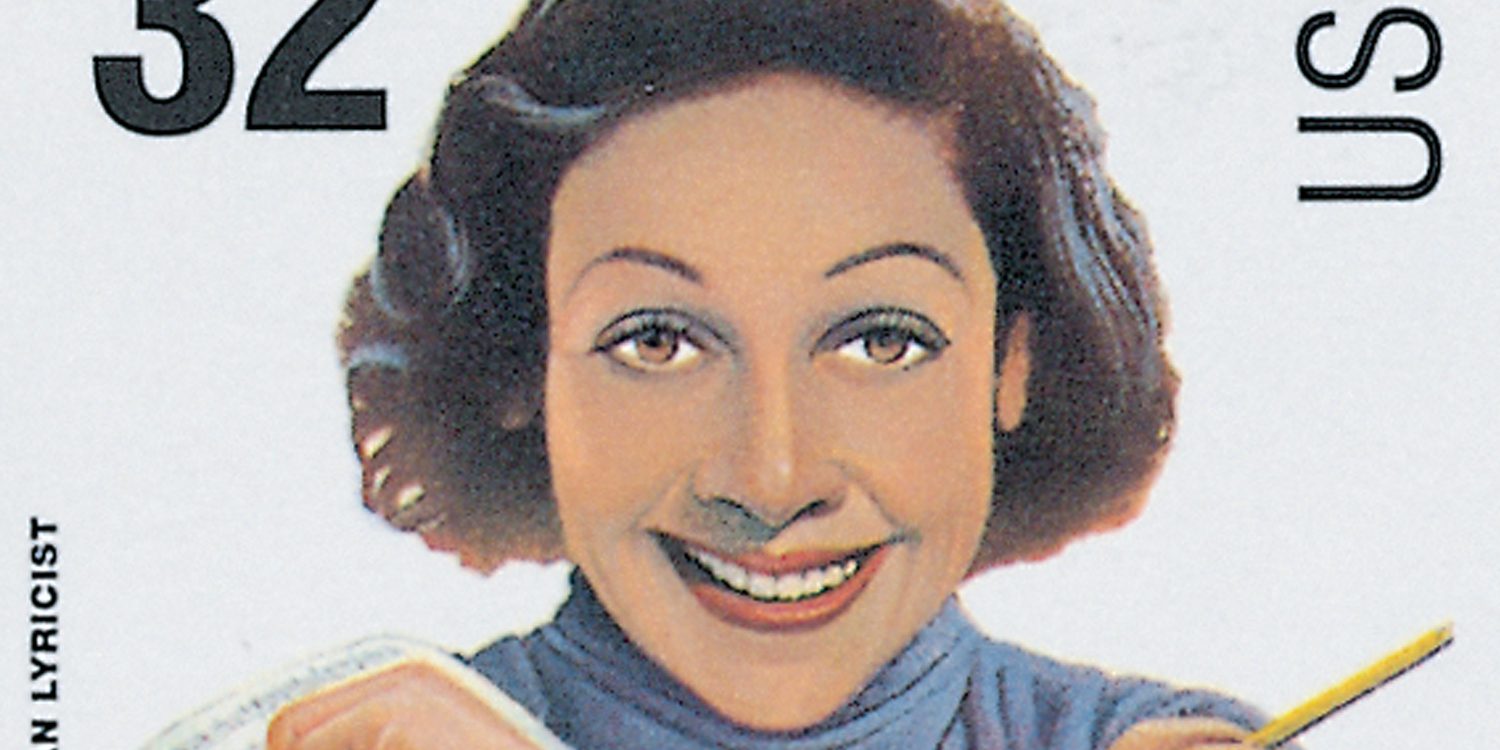
Lyricist Dorothy Fields was born on July 15, 1904, in Allenhurst, New Jersey. She wrote more than 400 songs for Broadway and film, including “The Way You Look Tonight” and “On the Sunny Side of the Street.”
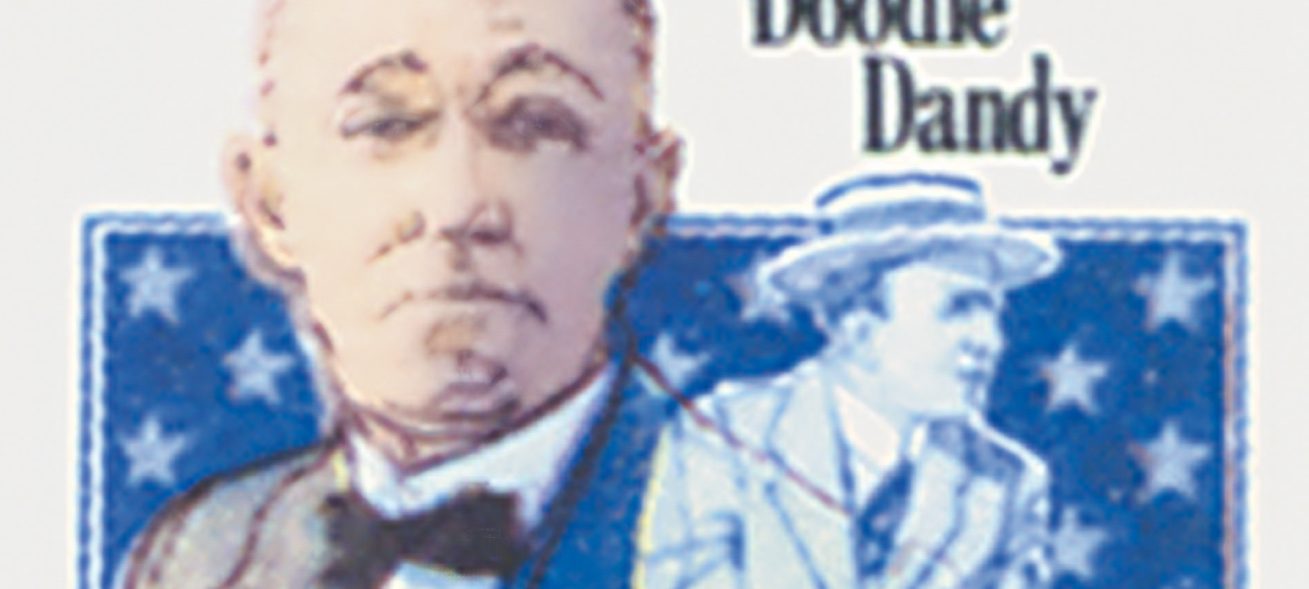
The father of American musical comedy, George Michael Cohan was born on July 3, 1878, in Providence, Rhode Island. He later became so closely associated with patriotic music that many Americans believed he had been born on the Fourth of July, a story Cohan himself enjoyed encouraging.
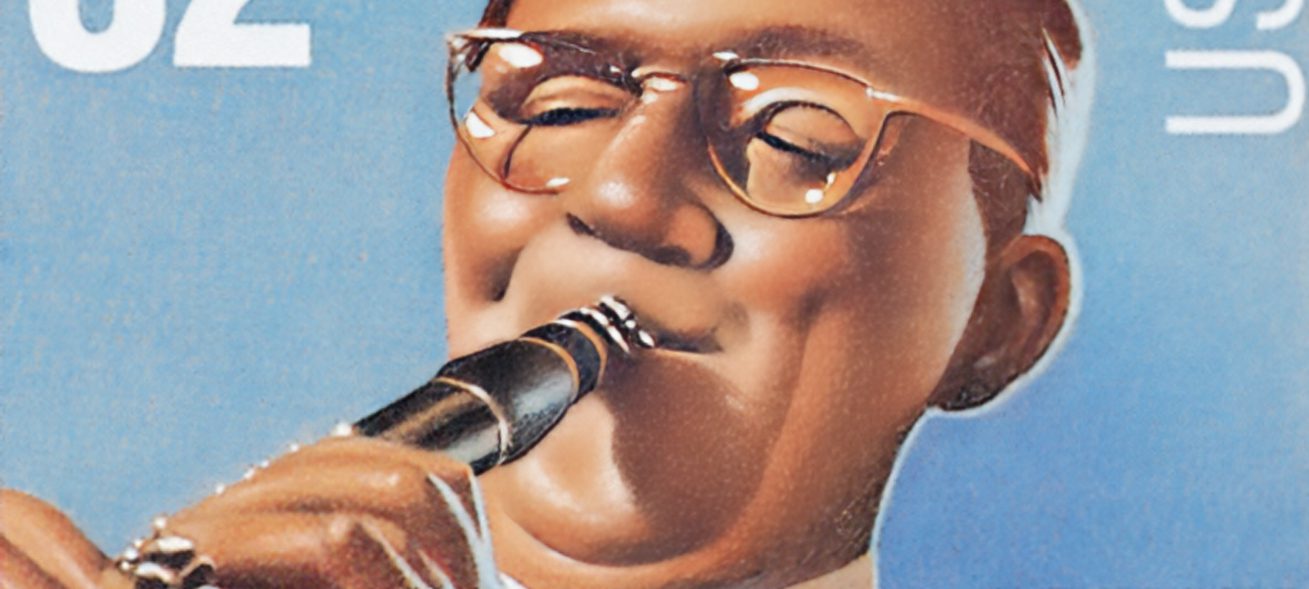
Bandleader Benjamin David Goodman was born on May 30, 1909, in Chicago, Illinois. Also a renowned clarinetist, he’s considered the “King of Swing.”
Asa “Al” Jolson said he did not know his true birthday, but he later chose May 26, 1886, as the date he would use. From a poor immigrant childhood, he rose to become one of America’s biggest entertainers and the star of the film that helped bring sound to the movies.
On May 24, 1978, the USPS issued the first stamp in the Performing Arts Series, honoring Jimmie Rodgers. Issued from 1978 to 1991, the 12-stamp Performing Arts Series honored singers, composers, actors, comedians, dancers, and other entertainers whose careers spanned nearly a century of American stage, screen, and musical history.
Lyman Frank Baum was born on May 15, 1856, in Chittenango, New York, about 30 miles from Mystic’s home in Camden. Long before he created Dorothy, Toto, and the Yellow Brick Road, Baum followed a winding path through printing, stamps, poultry, theater, newspapers, sales work, and children’s books.
On May 14, 1897, John Philip Sousa’s band officially debuted his march “Stars and Stripes Forever” in Philadelphia, Pennsylvania. It quickly became a hit, with calls for it to replace the “Star Spangled Banner” as the national anthem. Instead, it was made the national march in 1987.