National Parks

  • Bryce Canyon National Park

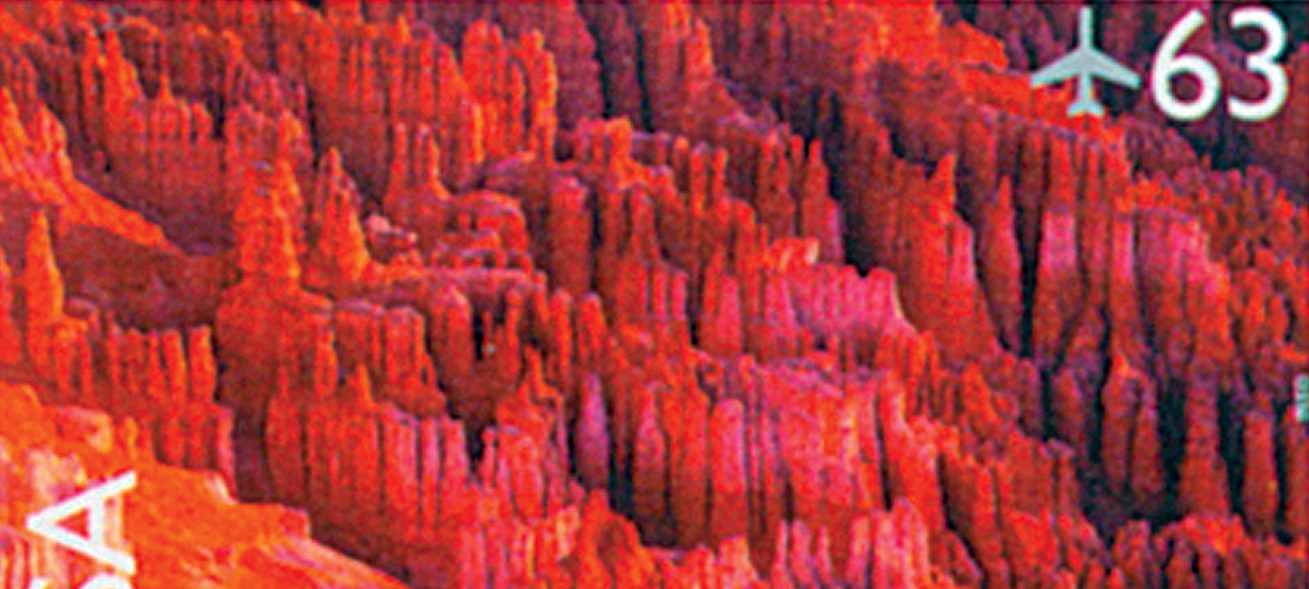
    On February 25, 1928, Bryce Canyon officially became Bryce Canyon National Park, securing permanent federal protection for one of America’s most unusual landscapes. What began as a remote stretch of pink cliffs and strange rock spires in southern Utah had become important enough to earn the highest level of preservation in the National Park System.

  • Petrified Forest National Park

    On December 9, 1962, Petrified Forest National Park was officially established, upgrading an already protected landscape into a full national park. The designation ensured stronger protection for its fossil-rich badlands, archaeological sites, and striking deposits of petrified wood, and it marked a major milestone in decades of preservation efforts.

  • Work Begins on Mount Rushmore

    On October 4, 1927, work officially began on one of America’s most iconic monuments: the carving of Mount Rushmore in the Black Hills of South Dakota. The project was led by sculptor Gutzon Borglum, whose vision and persistence transformed a simple idea into a towering symbol of national pride and unity.

  • Redwood National Park Established

    On October 2, 1968, President Lyndon B. Johnson signed legislation establishing Redwood National Park, protecting some of the most spectacular trees on Earth. This act was the result of decades of effort by conservationists who feared that these natural giants might vanish forever if logging continued unchecked. Today, the park stands not only as a refuge for the towering redwoods but also as a symbol of America’s growing awareness of the importance of preserving its natural treasures.

  • Devils Tower Becomes First American National Monument

    On September 24, 1906, President Theodore Roosevelt took a historic step in the protection of America’s natural and cultural treasures when he proclaimed Devils Tower in northeastern Wyoming as the first United States National Monument. This designation, made under the brand-new Antiquities Act of 1906, marked the beginning of a tradition of preserving special landscapes for future generations — a legacy that continues today in more than a hundred national monuments across the country.

  • Old Faithful Geyser 

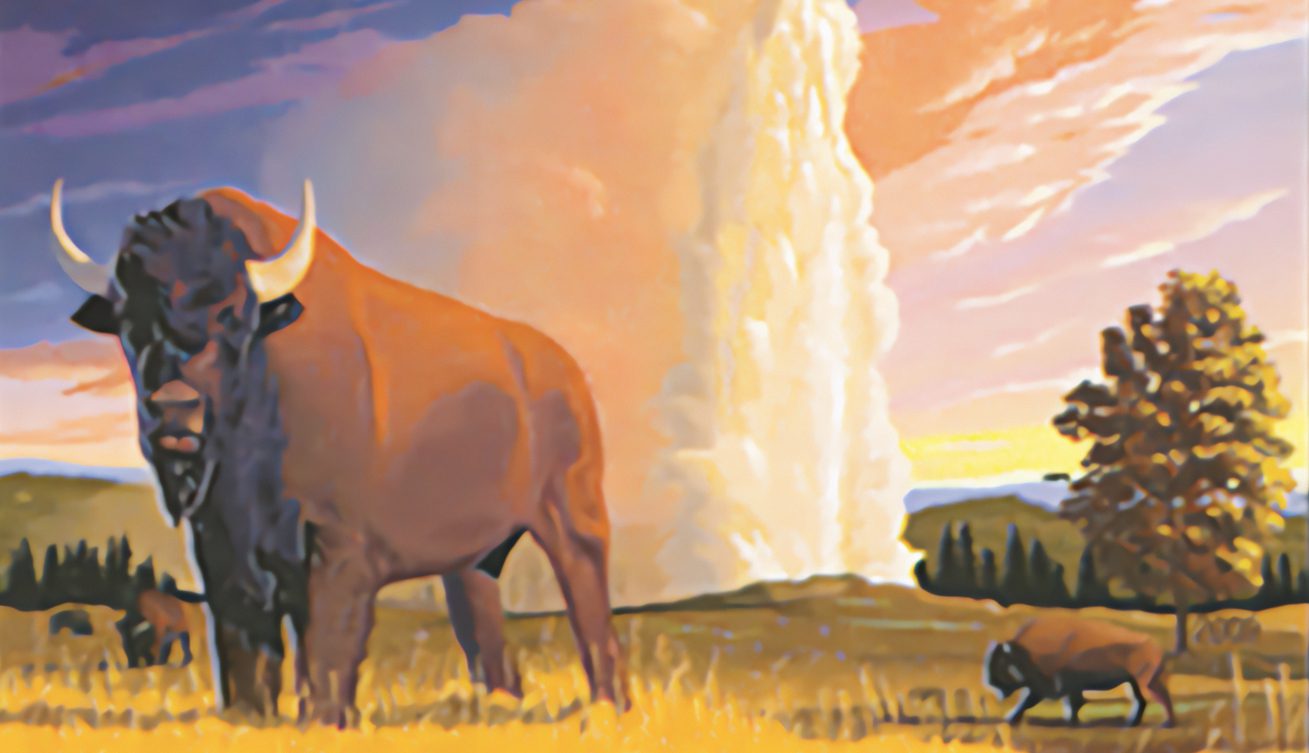
    On September 18, 1870, a group of explorers stood on the banks of the Firehole River and watched as a geyser erupted in a towering column of steam and water. Amazed by its power and regularity, they gave it a name that has endured for more than 150 years — Old Faithful.