The Peace Rose
On April 29, 1945, the Peace rose was made available for sale in the US. The Peace rose helped popularize gardening and provided a huge boost to the rose industry.


On April 29, 1945, the Peace rose was made available for sale in the US. The Peace rose helped popularize gardening and provided a huge boost to the rose industry.

John Muir was born on April 21, 1838, in Dunbar, Scotland. Considered the “Father of the National Parks,” he dedicated most of his life to exploring wilderness and protecting it, most famously Yosemite Valley in California.

On April 10, 1872, the first Arbor Day was held in Nebraska. Later moved to April 22 to celebrate the holiday’s founder, more than 200 million trees have been planted by the National Arbor Day Foundation.

On April 8, 1975, an Act of Congress officially established Voyageurs National Park. The park preserves and commemorates the thousands of men who paddled their canoes through Canada and Minnesota with their bundles of furs. Not only did they help grow the economy of the area, but they encouraged settlement and opened pathways previously unknown to bring people to the northwest.
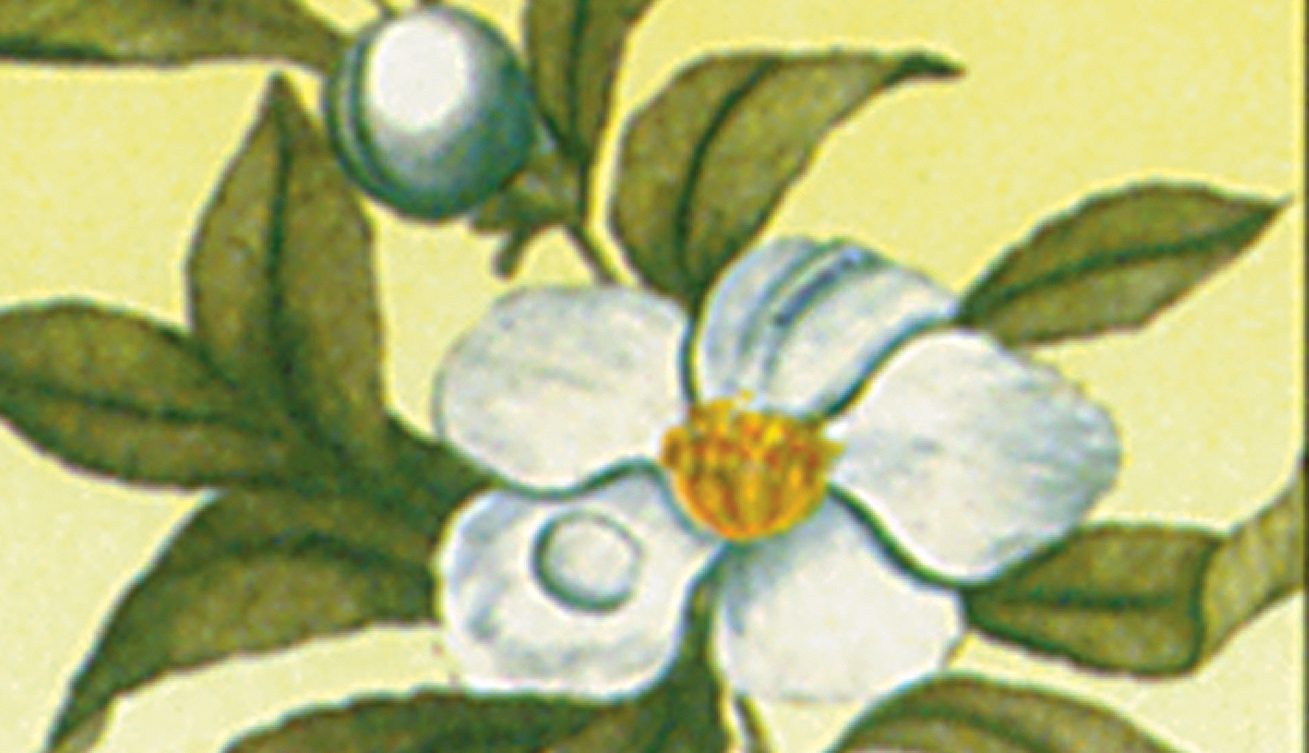
Botanist John Bartram was born on March 23, 1699, in Darby, Pennsylvania Colony. Called the “greatest natural botanist in the world,” he started one of the first botanic gardens in the United States.

On March 2, 1899, William McKinley signed a bill establishing Mount Rainier National Park. It was the first national park created from land already set aside as forest reserves.

On February 26, 1929, President Calvin Coolidge signed legislation creating Wyoming’s Grand Teton National Park.

On February 11, 1916, President Woodrow Wilson signed legislation establishing Bandelier National Monument in New Mexico. The 33,677-acre park protects ancient pueblo structures and is home to a notable Civilian Conservation Corp district.

On December 26, 1935, Shenandoah National Park was officially established in Virginia. The park is most well-known for its 105-mile Skyline Drive.