Taylor Wins the Battle of Palo Alto
On May 8, 1846, future President Zachary Taylor led US forces to their first major victory of the Mexican-American War at the Battle of Palo Alto.


On May 8, 1846, future President Zachary Taylor led US forces to their first major victory of the Mexican-American War at the Battle of Palo Alto.

On May 7, 1861, President Abraham Lincoln accepted the “honor of citizenship” from San Marino. It was one of the earliest instances of US and San Marino relations, which wouldn’t be formally established for decades.

Dean Gooderham Acheson was born on April 11, 1893, in Middletown, Connecticut. Serving in the state department for over a decade, he was influential in many of the United States’ World War II and post-war initiatives, including the Lend-Lease Act, Marshall Plan, and NATO.

President Woodrow Wilson addressed Congress on April 2, 1917, asking to declare war and join World War I. Despite Wilson’s desire to remain neutral, Germany had attacked several ships carrying US citizens, with no promise of stopping.
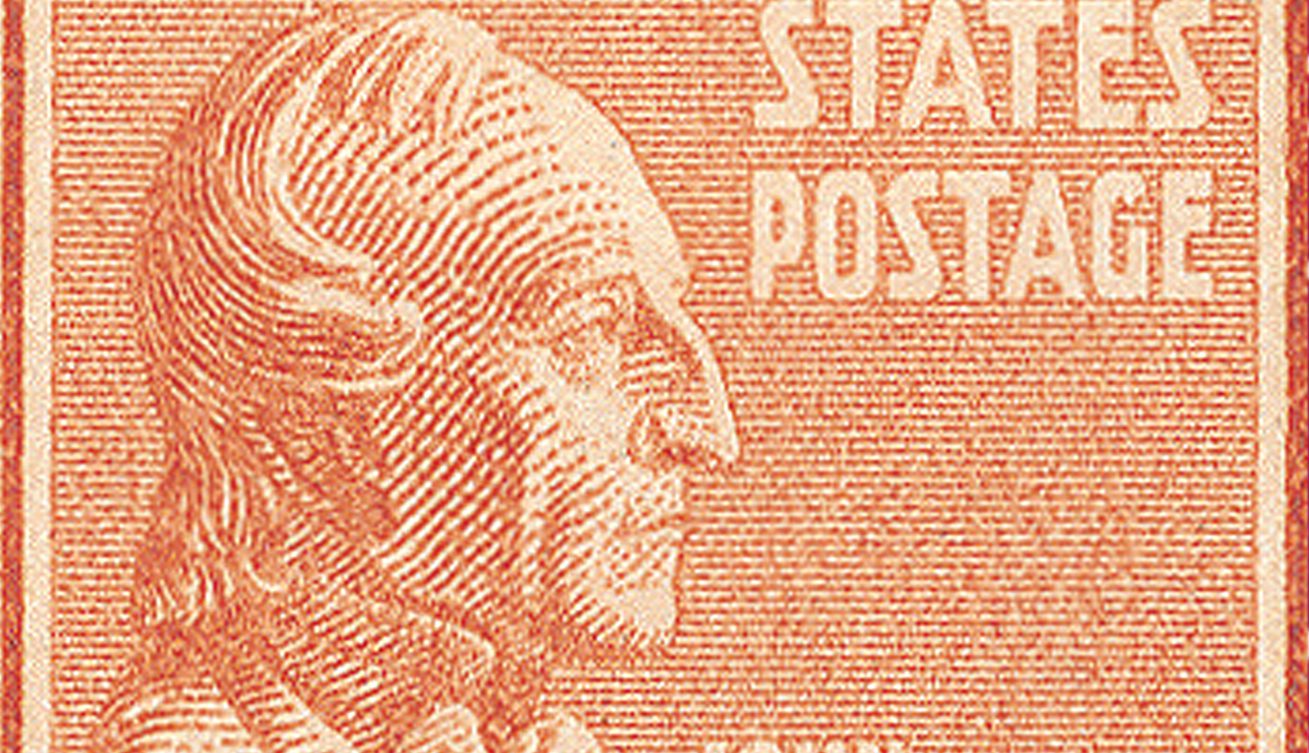
John Tyler was born on March 29, 1790, in Charles City County, Virginia. He was the first vice president to take the nation’s highest office following the death of a sitting president, setting the standard for Presidential succession.
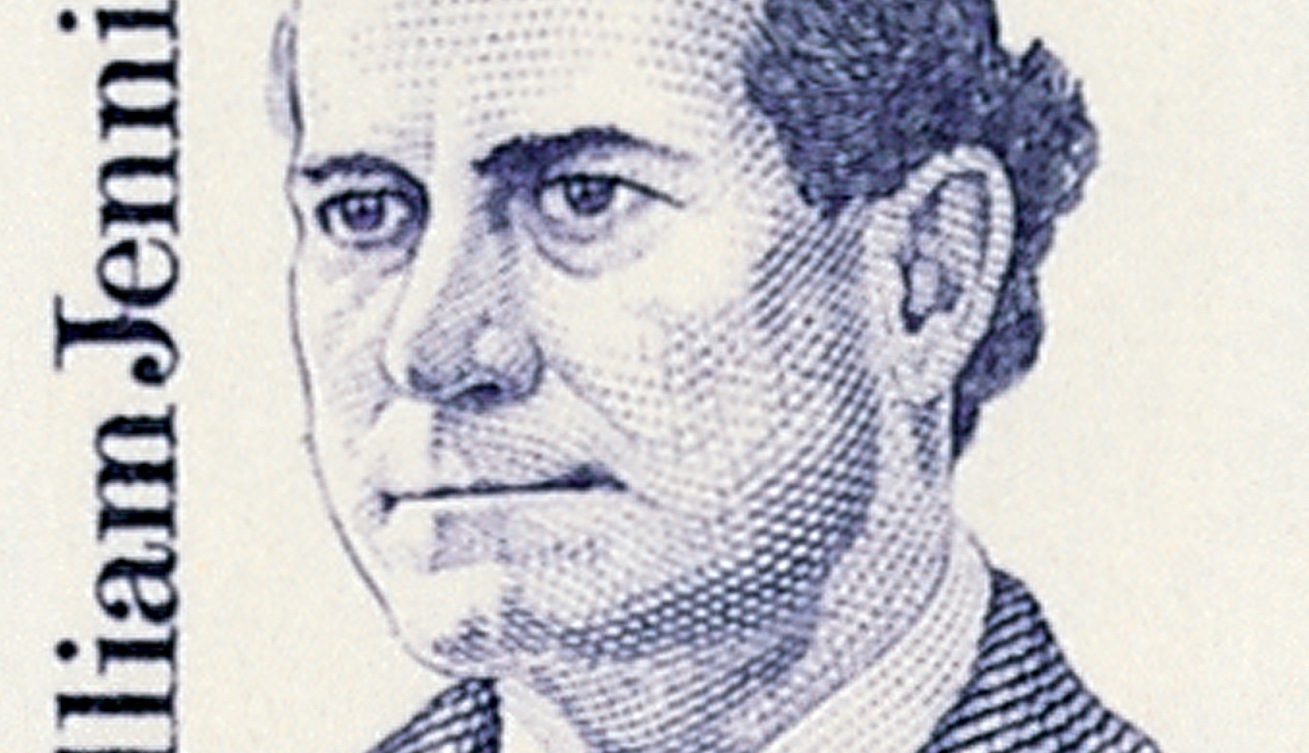
William Jennings Bryan was born on March 19, 1860, in Salem, Illinois. Known as “The Great Commoner,” Jennings ran for president three times, but is remembered for his impassioned speeches on a variety of topics, including anti-trust, anti-imperialism, prohibition, populism, and trust-busting.

James Madison was born on March 16, 1751, in Port Conway, Virginia. One of America’s Founding Fathers and the fourth US president, Madison is considered the “Father of the US Constitution” and led America through the War of 1812.

On March 12, 1947, President Harry S. Truman introduced his Truman Doctrine, a foreign policy aimed at reducing Soviet expansion during the Cold War.
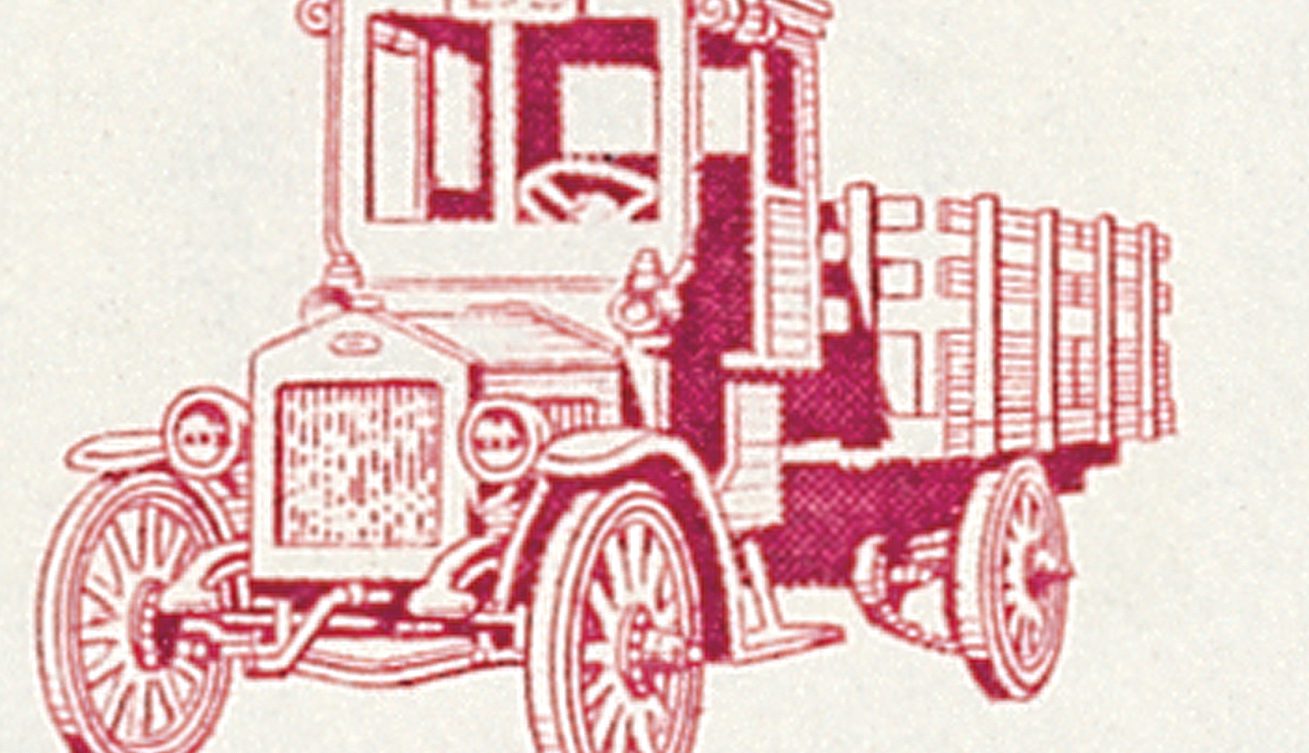
On March 3, 1845, a congressional act established star routes. Businesses would carry mail under contract with the post office on these postal routes.