“We choose to go to the Moon” Speech
On September 12, 1962, President John F. Kennedy delivered one of his most famous and stirring speeches, to generate support for the Apollo program.


On September 12, 1962, President John F. Kennedy delivered one of his most famous and stirring speeches, to generate support for the Apollo program.

On September 11, 1777, George Washington’s forces lost the battle of Brandywine. It was the largest battle of the war, involving over 30,000 troops between both sides, and it was the second-longest single-day battle, lasting 11 hours.

After eight years of tinkering, Elias Howe was awarded the first US patent for a practical lockstitch sewing machine on September 10, 1846.

On September 9, 1850, California became America’s 31st state. The discovery of gold there two years earlier created a population boom that led to the need for a state government.
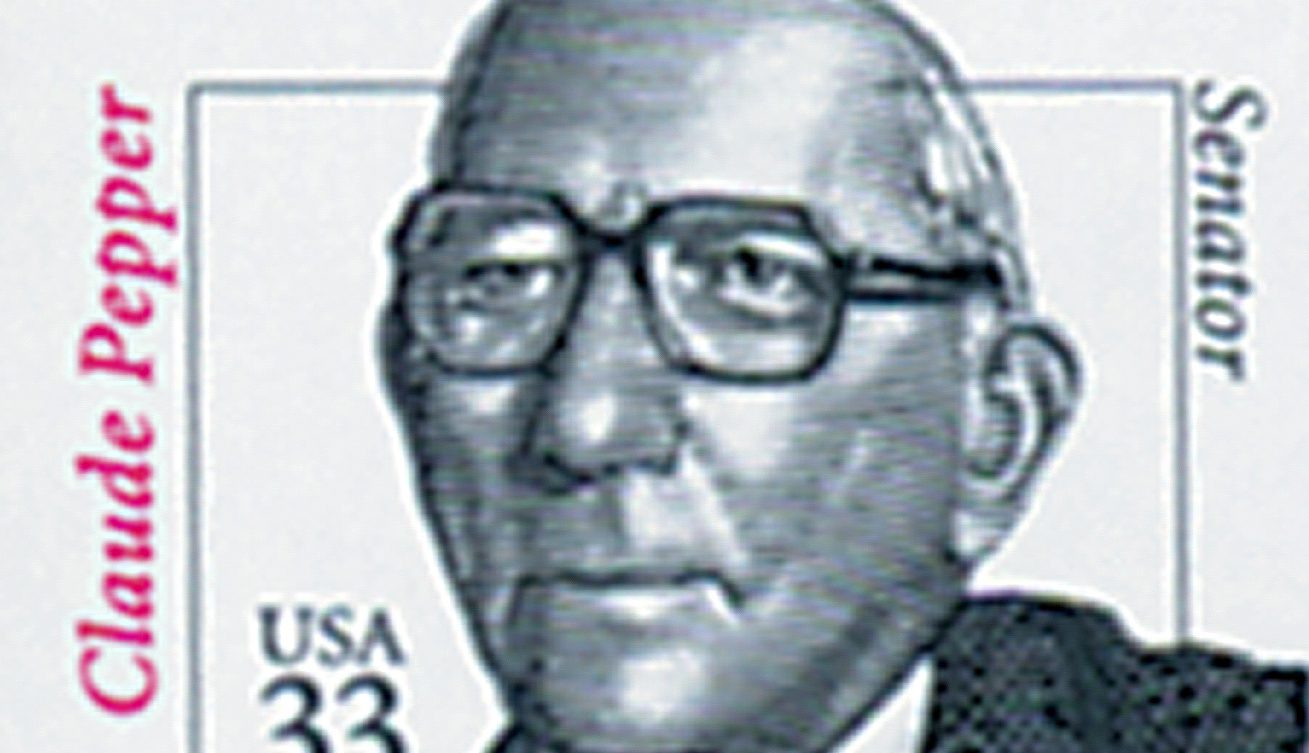
Claude Denson Pepper was born on September 8, 1900, in Chambers County, Alabama. Representing Florida in the House and Senate for over 40 years, he was instrumental in the passage of numerous important bills.

On September 7, 1927, inventor Philo T. Farnsworth made his first successful presentation of the “image dissector,” a crucial part of the first televisions.

Claire Lee Chennault was born on September 6, 1890, in Commerce, Texas. He formed and led the Flying Tigers during World War II.
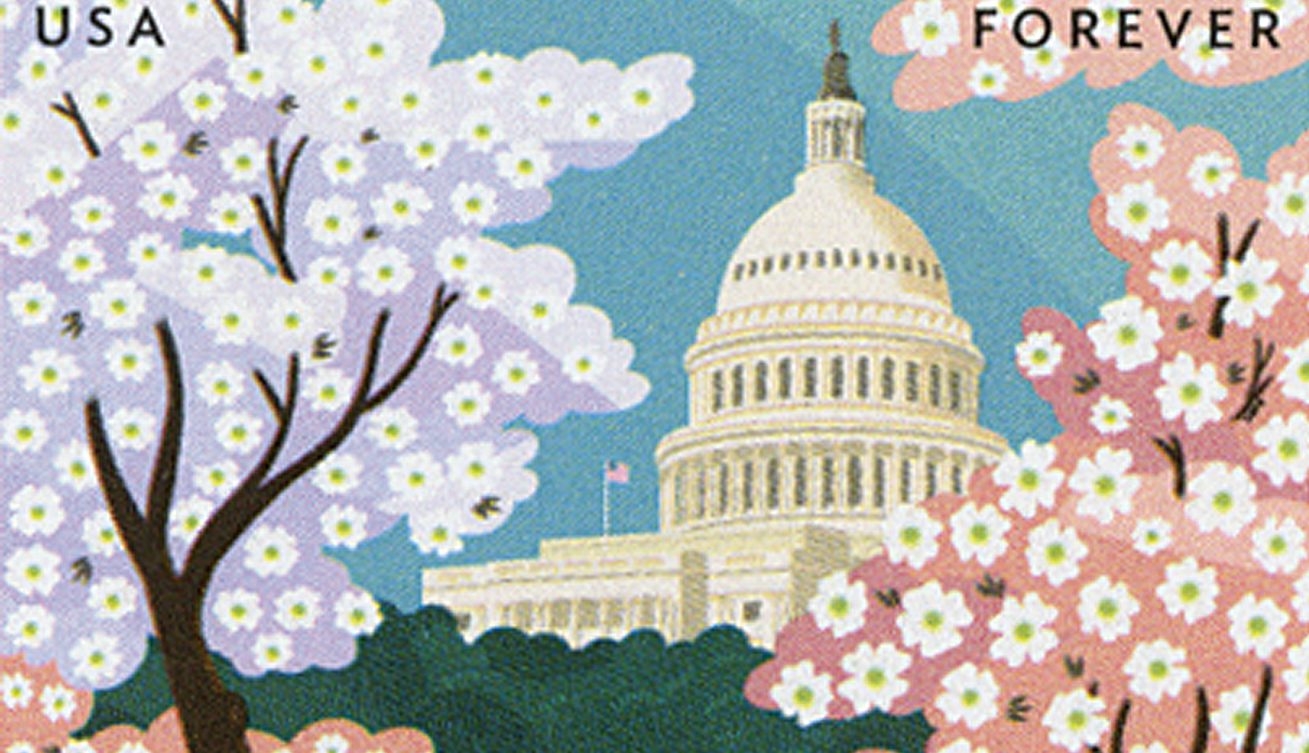
On September 5, 1905, President Theodore Roosevelt mediated the Treaty of Portsmouth, ending the Russo-Japanese War. It earned him a Nobel Prize and began a long-standing tree-giving tradition between the US and Japan.
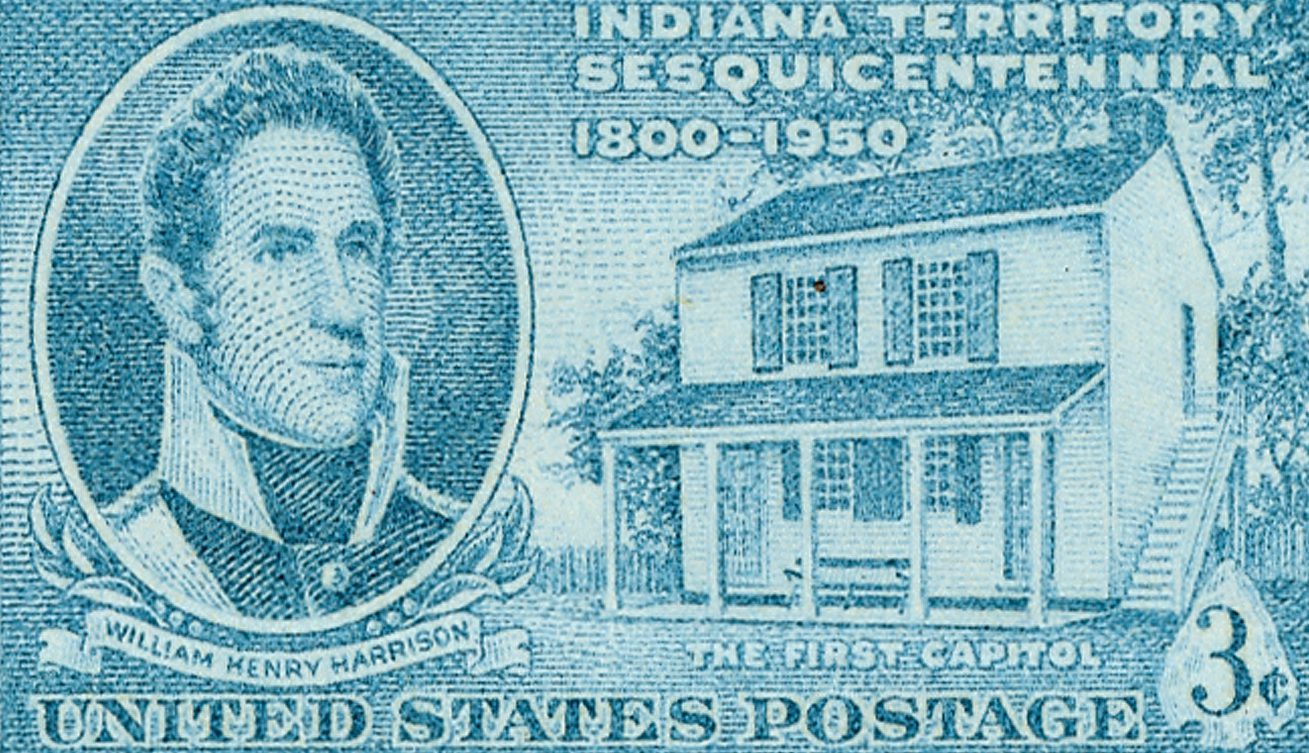
On September 4, 1812, the Siege of Fort Harrison began. It would end 11 days later in the first American land victory of the War of 1812.