19th Amendment Gives Women the Right to Vote
On August 18, 1920, the 19th Amendment was passed, granting women’s suffrage. It was a major victory several decades in the makine.


On August 18, 1920, the 19th Amendment was passed, granting women’s suffrage. It was a major victory several decades in the makine.
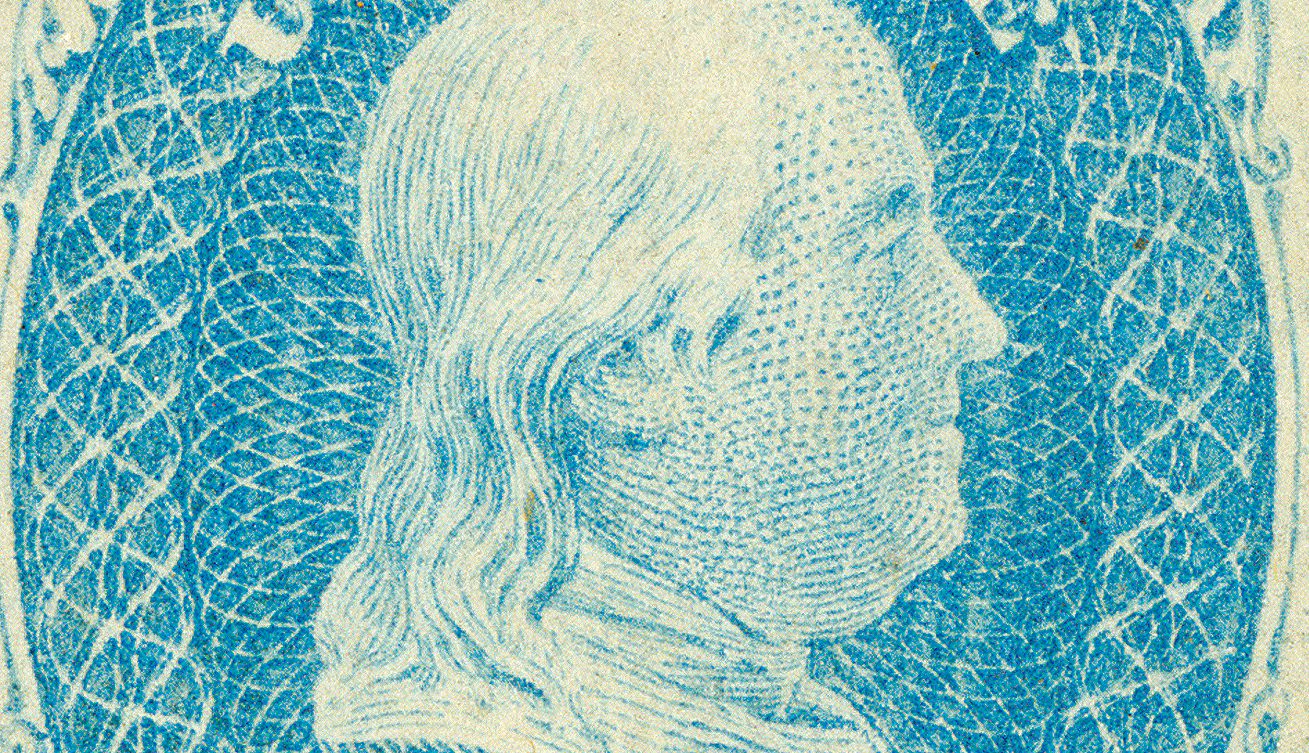
On August 17, 1861, the first of several Civil War-era stamps was used for the first time. New stamps were prepared to prevent the South from profiting off the sale of US stamps.

On August 16, 1916, the US and Canada signed the first Migratory Bird Treaty to protect the birds that live in both nations. Several programs came out of this agreement that has helped to save hundreds of species of migratory birds.
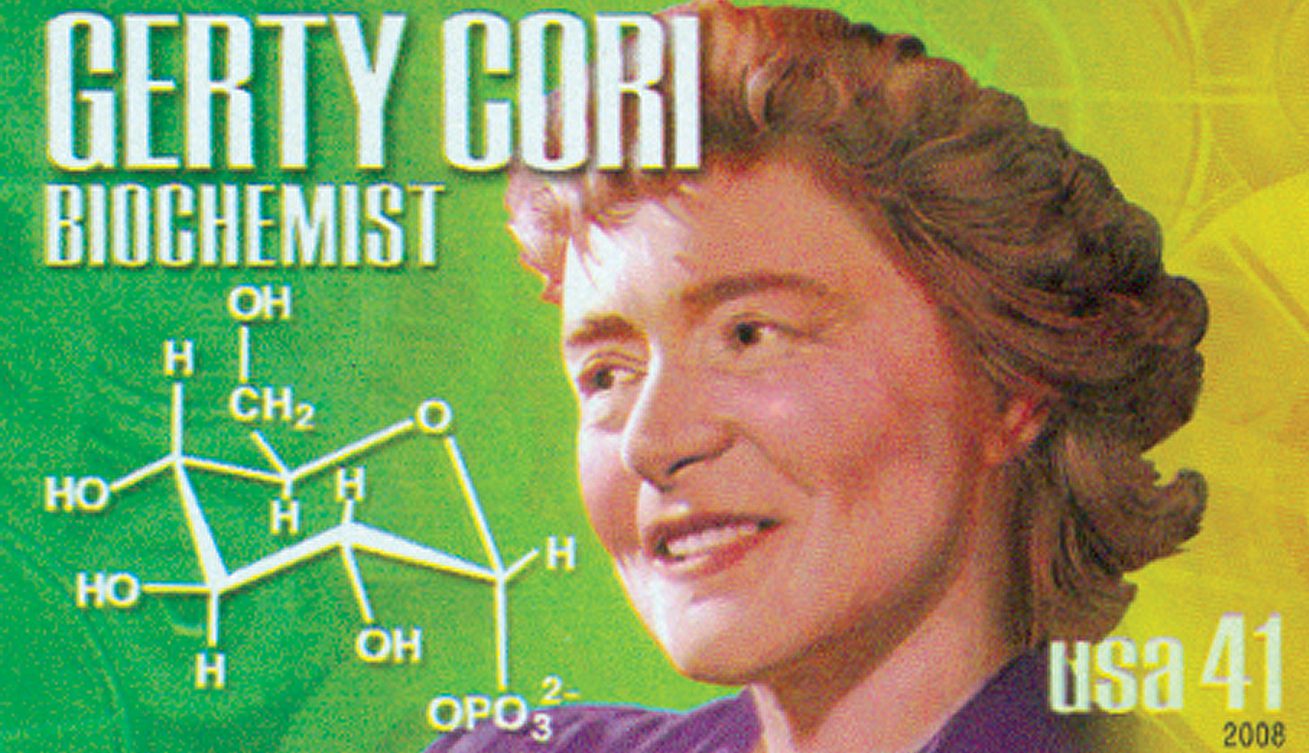
Biochemist Gerty Theresa Radnitz Cori was born on August 15, 1896, in Prague, Austro-Hungarian Empire. She was the first woman to earn a Nobel Prize In Physiology or Medicine.

On August 14, 1848, the Oregon Territory was established. It would be another 11 years before the territory achieved statehood.
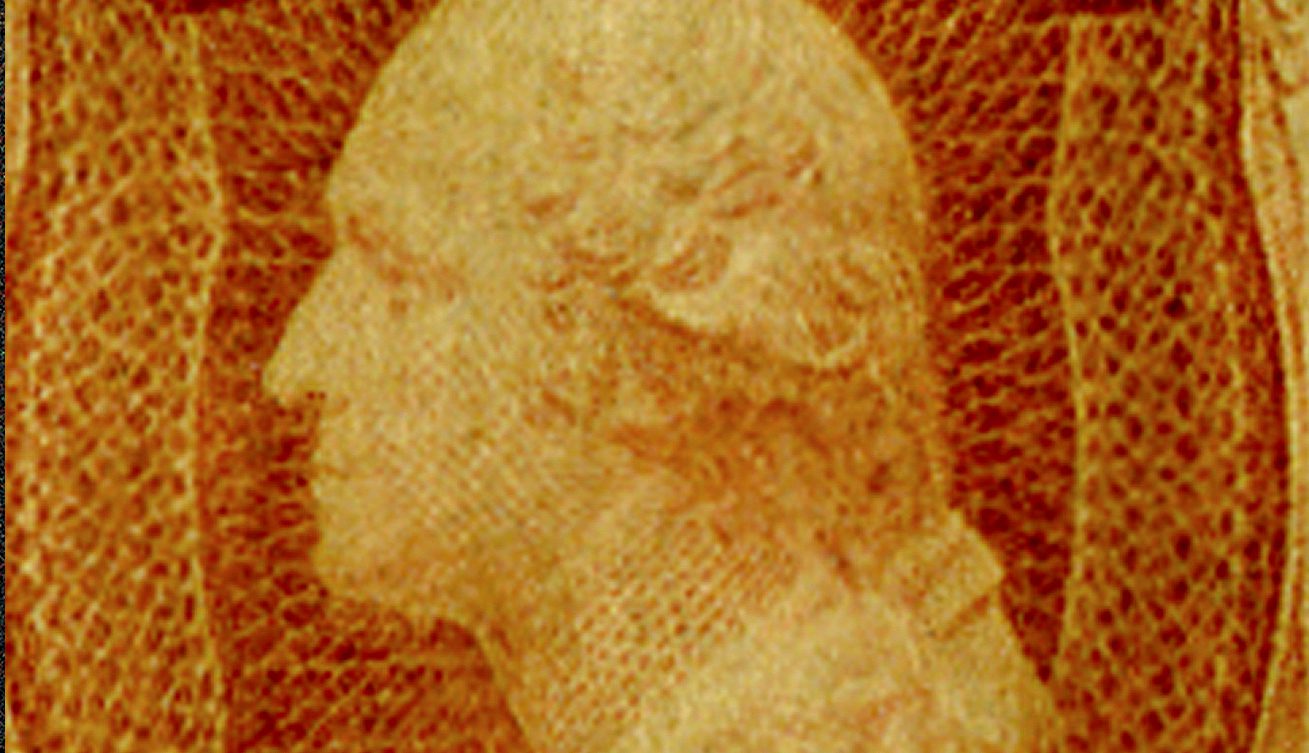
August 13, 1867, marks the earliest known use of the first stamp produced with a grill, US #79. Grills were added to stamps to prevent their reuse.

On August 12, 1983, the USPS issued its first Express mail stamp, though the service, and those like it, had been available for several years.

Noted author Edith Wharton died on August 11, 1937. Best known for her novel The Age of Innocence, she was the first woman to receive the Pulitzer Prize for Fiction.

On August 10, 1936, President Franklin Roosevelt used the power of the 1906 Antiquities Act to create Joshua Tree National Monument. Decades later, the trees received additional protection when the area was made into a national park.