Pure Food and Drug and Meat Inspection Acts
On June 30, 1906, President Theodore Roosevelt signed the Pure Food and Drug Act and the Meat Inspection Act into law, to help improve the quality and labeling of America’s food and medicines.


On June 30, 1906, President Theodore Roosevelt signed the Pure Food and Drug Act and the Meat Inspection Act into law, to help improve the quality and labeling of America’s food and medicines.
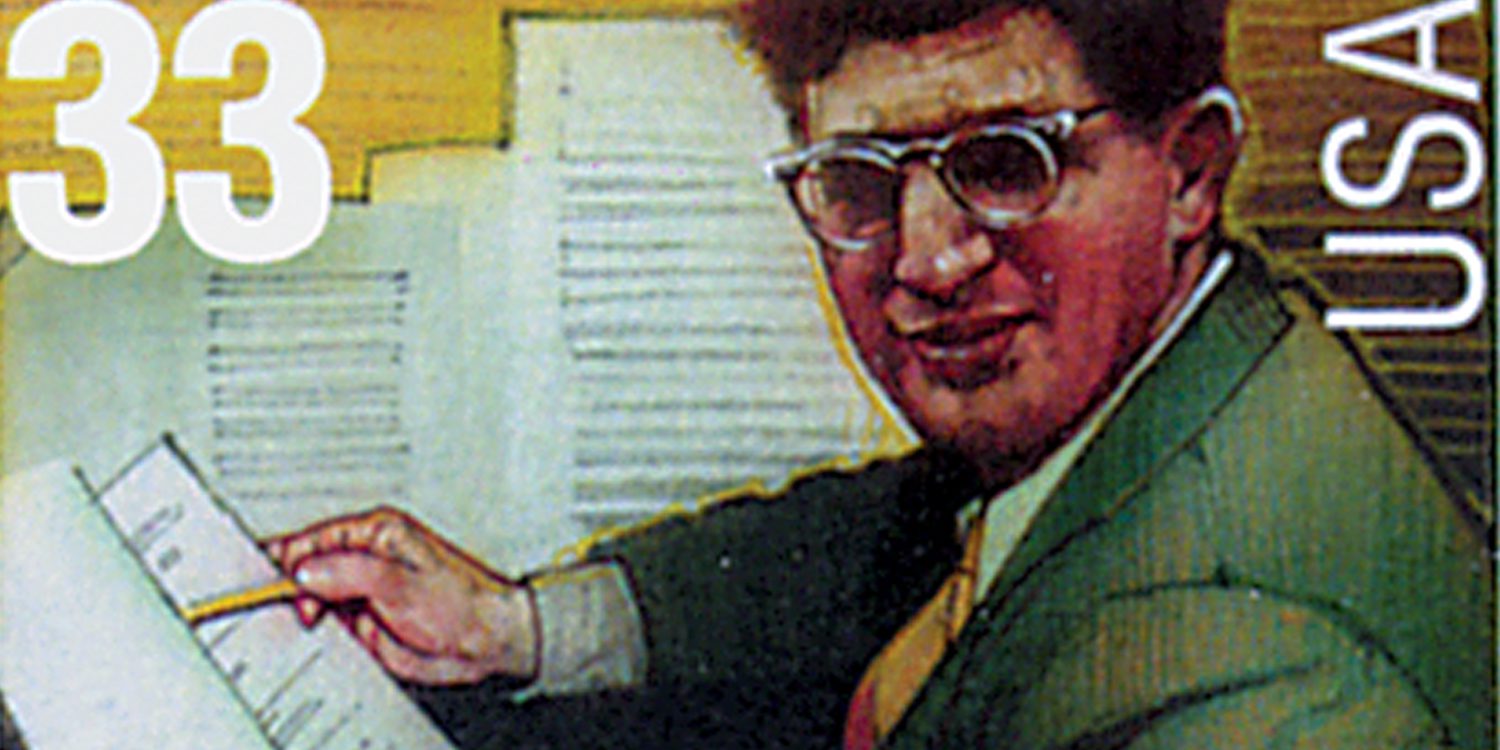
Composer Bernard Herrmann was born Maximillian Herman on June 29, 1911, in New York City, New York. He famously worked with Orson Welles, Alfred Hitchcock, and Martin Scorsese, and is often considered one of the most influential and pioneering composers in cinema history.

On June 28, 1778, US and British forces clashed at Monmouth Court House, New Jersey. While the battle was inconclusive, it produced one of the war’s most notable legend – Molly Pitcher.

On June 27, 1542, Juan Rodriguez Cabrillo departed New Spain (present-day Mexico) in search of a water route between the Atlantic and Pacific. He’s considered to be the first European to travel the California coast and many spots in that state are named in his honor.

Author Pearl Sydenstricker Buck was born on June 26, 1892, in Hillsboro, West Virginia. She was awarded the Pulitzer Prize in 1932, the Nobel Prize in 1938, and was the only woman at that time to receive both honors.

Illustrator and writer Rose Cecil O’Neill was born on June 25, 1874, in Wilkes-Barre, Pennsylvania. O’Neill was the highest-paid female illustrator of her time, most famous for creating Kewpie, the most well-known cartoon character until Mickey Mouse.
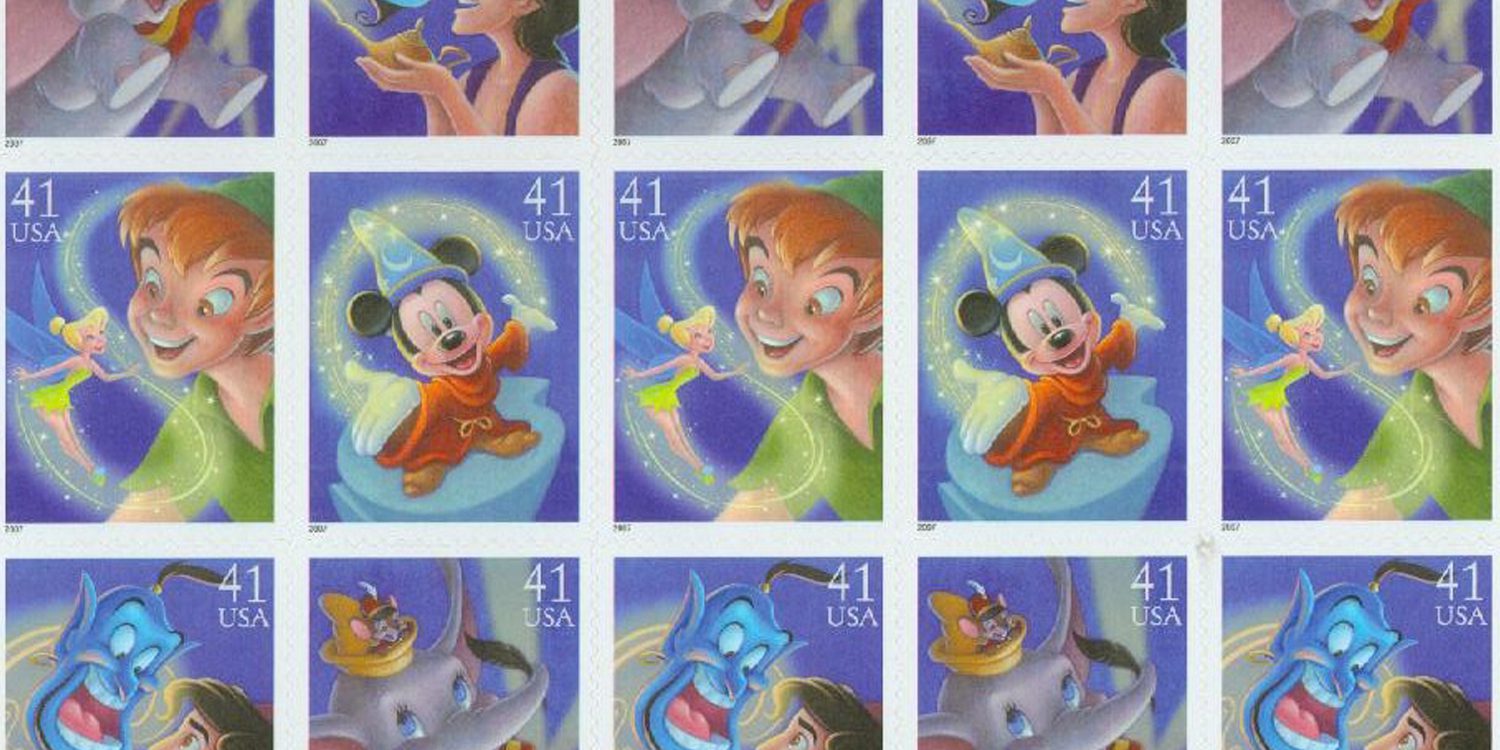
On June 23, 2004, the USPS issued the first stamps in its Art of Disney Series. The USPS worked with Disney artists to create this whimsical series of stamps, with each year featuring a different theme.

On June 22, 1942, Congress formally adopted the Pledge of Allegiance. Originally written by Francis Bellamy in 1884, the pledge been altered some over the years, but has remained unchanged since 1954.

On June 21, 1945, US troops captured Okinawa from the Japanese. It was the last major WWII battle in the Pacific and has been called the “typhoon of steel” for the fierce fighting, intense kamikaze attacks, and large number of Allied ships and vehicles that assaulted the island.