First Modern Olympic Games
On April 6, 1896, the first Olympic Games in 1,500 years began in Athens, Greece. Revived from ancient tradition, the modern Olympics brought nations together in a new era of international competition and athletic pride.


On April 6, 1896, the first Olympic Games in 1,500 years began in Athens, Greece. Revived from ancient tradition, the modern Olympics brought nations together in a new era of international competition and athletic pride.

On April 5, 1856, Booker Taliaferro Washington was born into slavery in Hale’s Ford, Virginia. From those beginnings, he built a life centered on education, discipline, and practical progress in the years after the Civil War.

On April 4, 1841, President William Henry Harrison died of pneumonia, just one month after his inauguration. His sudden death ended the shortest presidency in US history and raised immediate questions about presidential succession.
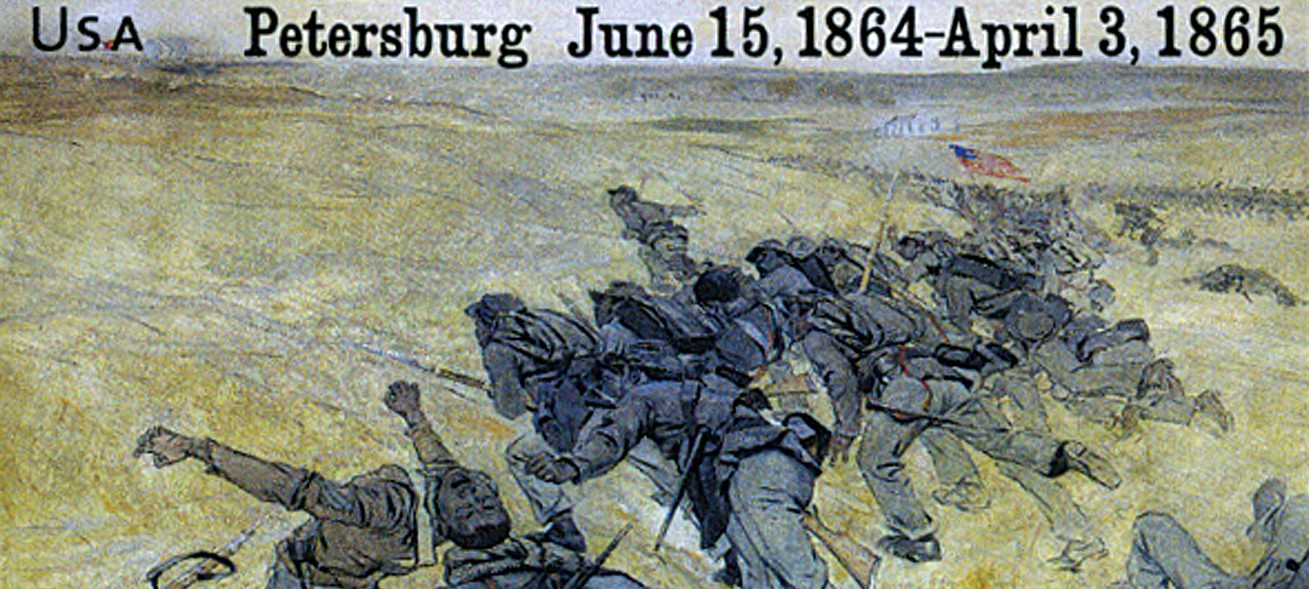
On April 3, 1865, Union forces entered Richmond, Virginia, the capital of the Confederacy, following their breakthrough at Petersburg. The fall of the city marked the collapse of the South’s political center and signaled that the Civil War’s end was close at hand.

On April 2, 1872, telegraph inventor Samuel Morse died, closing the life of a man whose work helped make near-instant communication possible. His system turned electricity into language, allowing messages to travel across vast distances in seconds rather than days.

On April 1, 1883, Lon Chaney was born Leonidas Frank Chaney in Colorado Springs, Colorado, beginning a life that would reshape character acting in early film. Known as the “Man of a Thousand Faces,” he built a career on transformation, using makeup, body language, and physical endurance to create some of the silent era’s most memorable roles.

On March 31, 1933, President Franklin D. Roosevelt established the Civilian Conservation Corps (CCC), putting thousands of unemployed young men to work almost immediately. The program became one of the earliest and most visible efforts of the New Deal, addressing both economic hardship and environmental need with practical, measurable results.
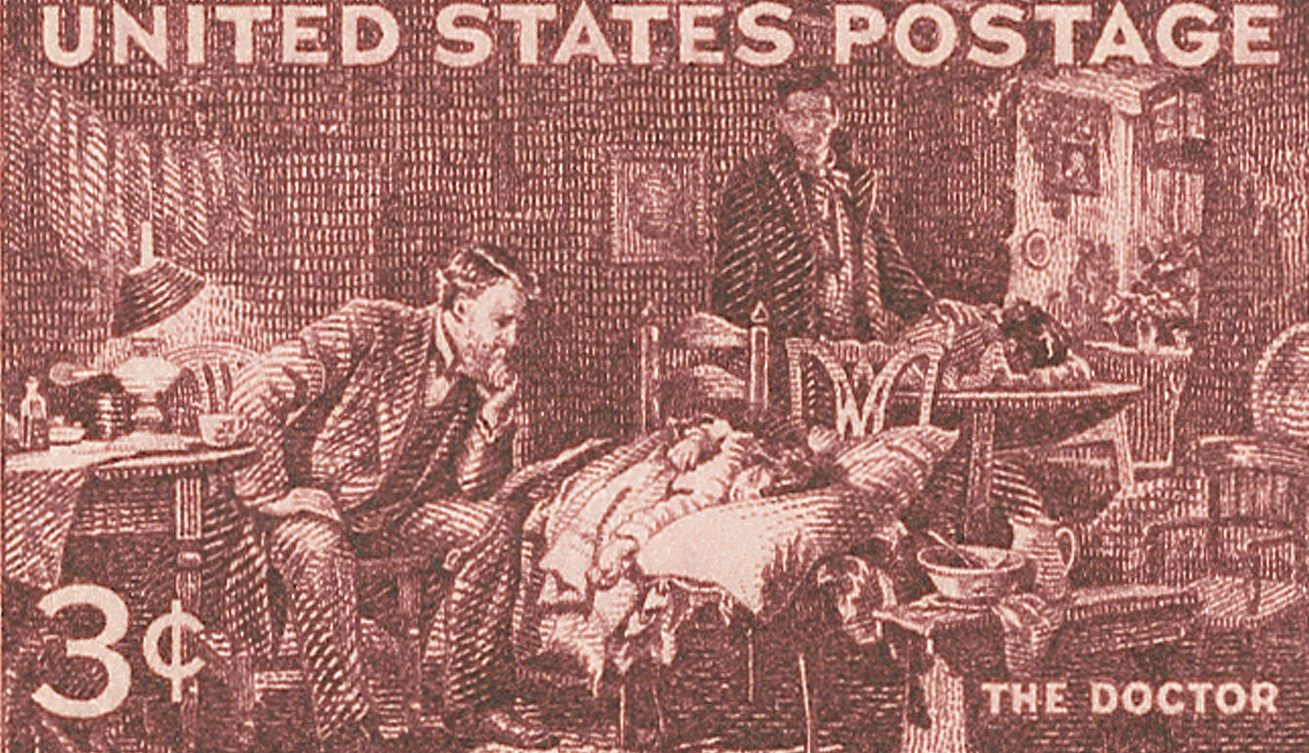
On March 30, 1842, Dr. Crawford W. Long used ether during surgery for the first time, allowing a patient to undergo a procedure without pain. That moment is now honored each year as National Doctors’ Day, recognizing both the event and the physicians who continue to apply medical science in practice.

On March 29, 1974, Mariner 10 became the first space probe to fly by Mercury. It would eventually send back over 2,700 photos, capturing nearly half of the planet’s surface.