
The Journey That Opened the American West
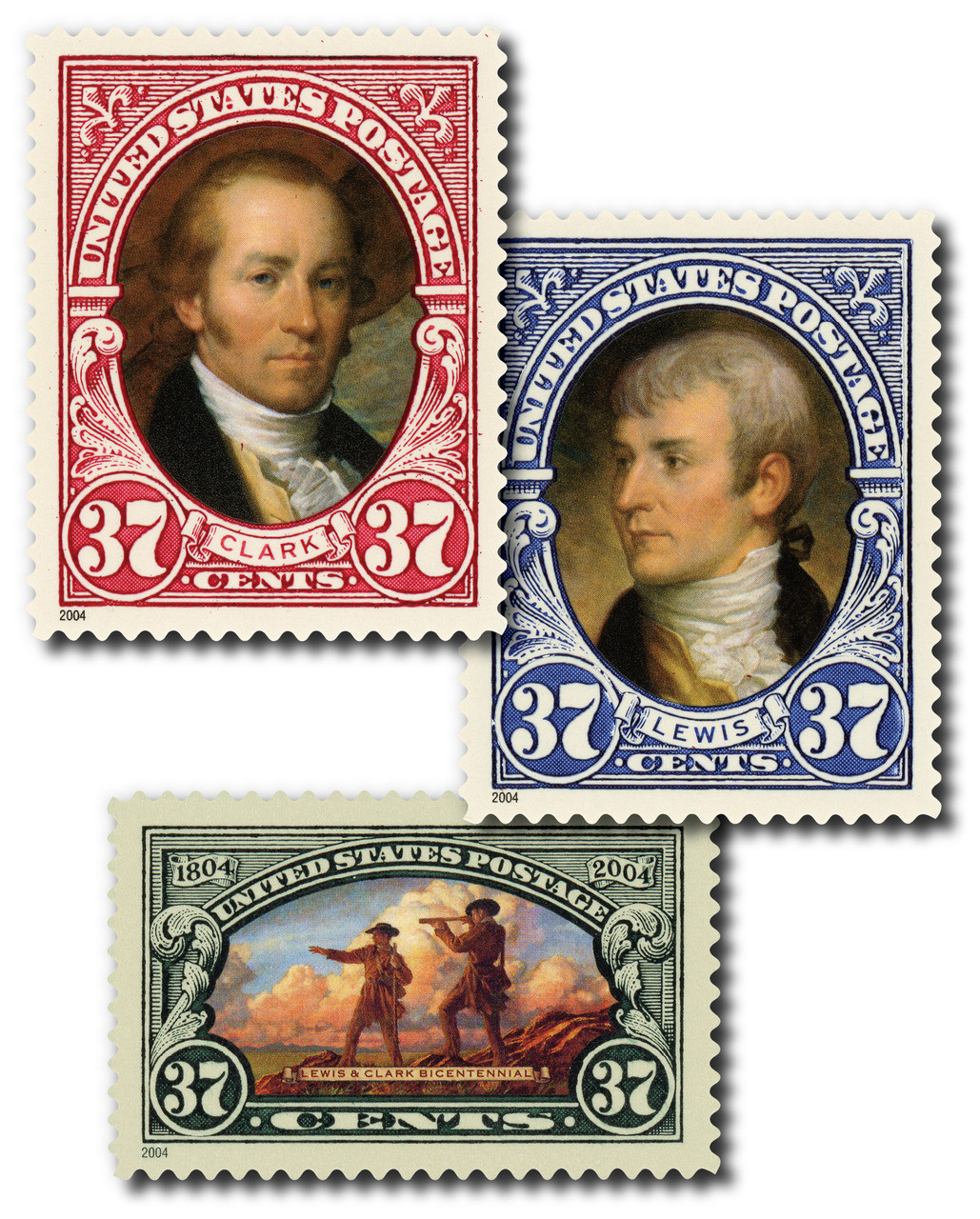
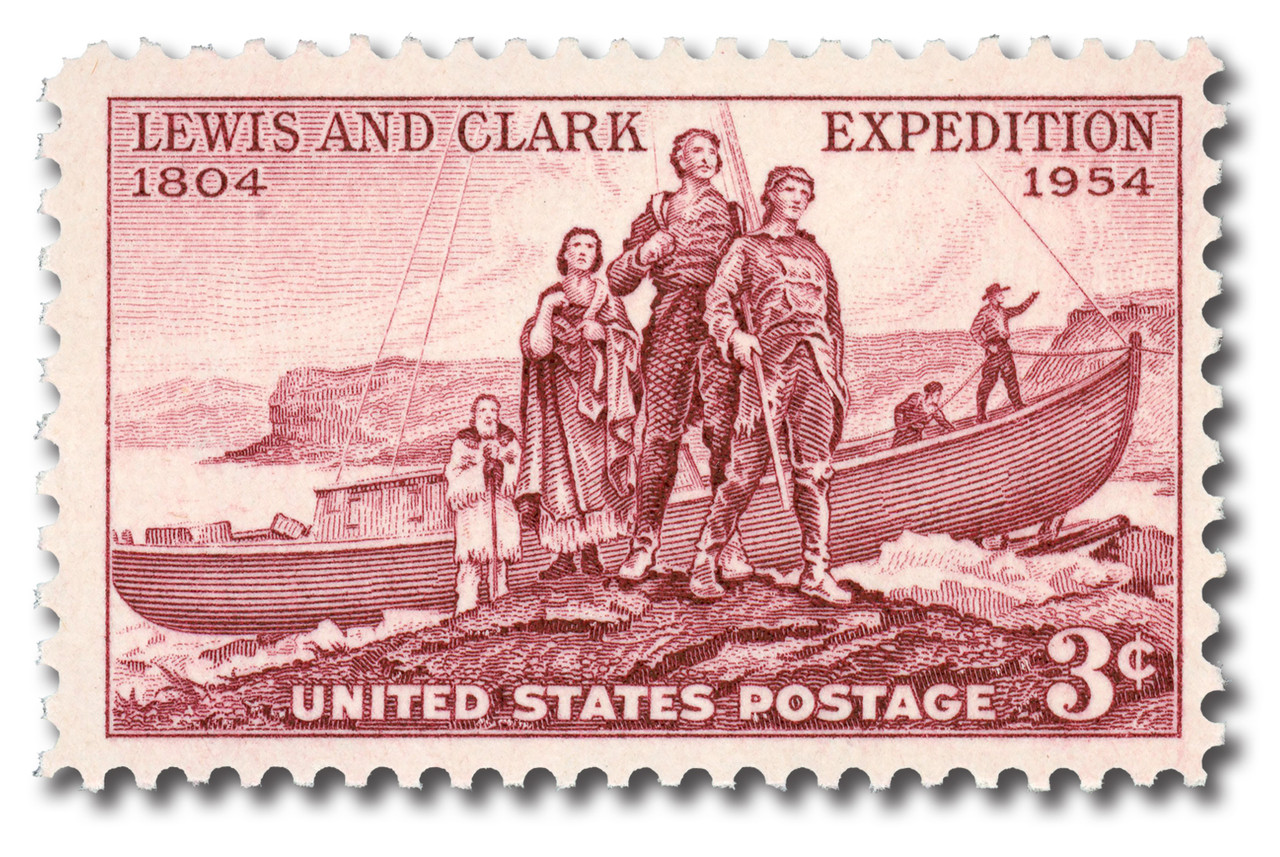
In 1804, Meriwether Lewis and William Clark set out on one of the most important journeys in American history. Their mission was to explore the vast lands west of the Mississippi River, newly acquired through the Louisiana Purchase. Known as the Corps of Discovery, the Lewis and Clark Expedition became a two-year, 8,000-mile journey that helped map the American West and forever changed the country’s future.
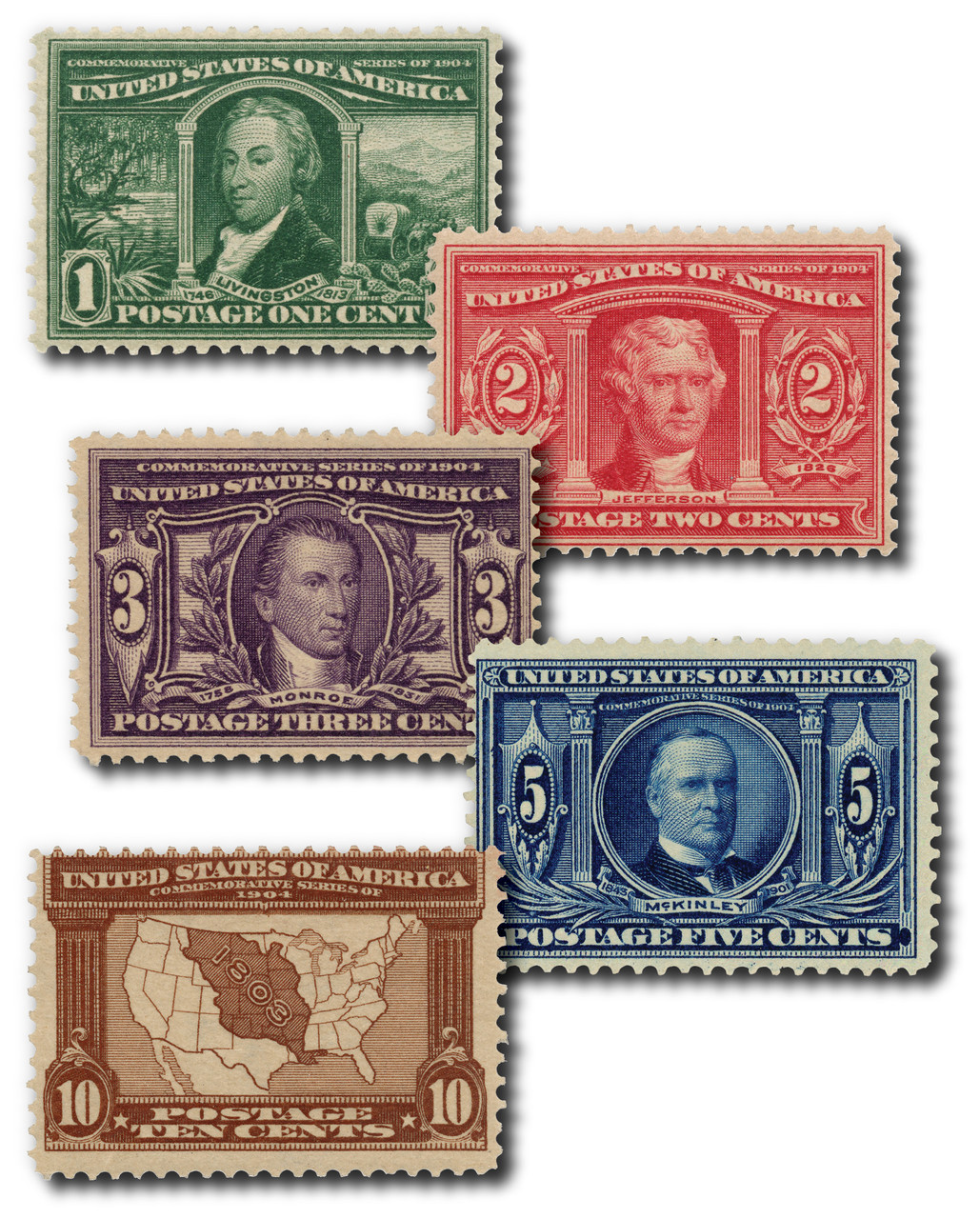
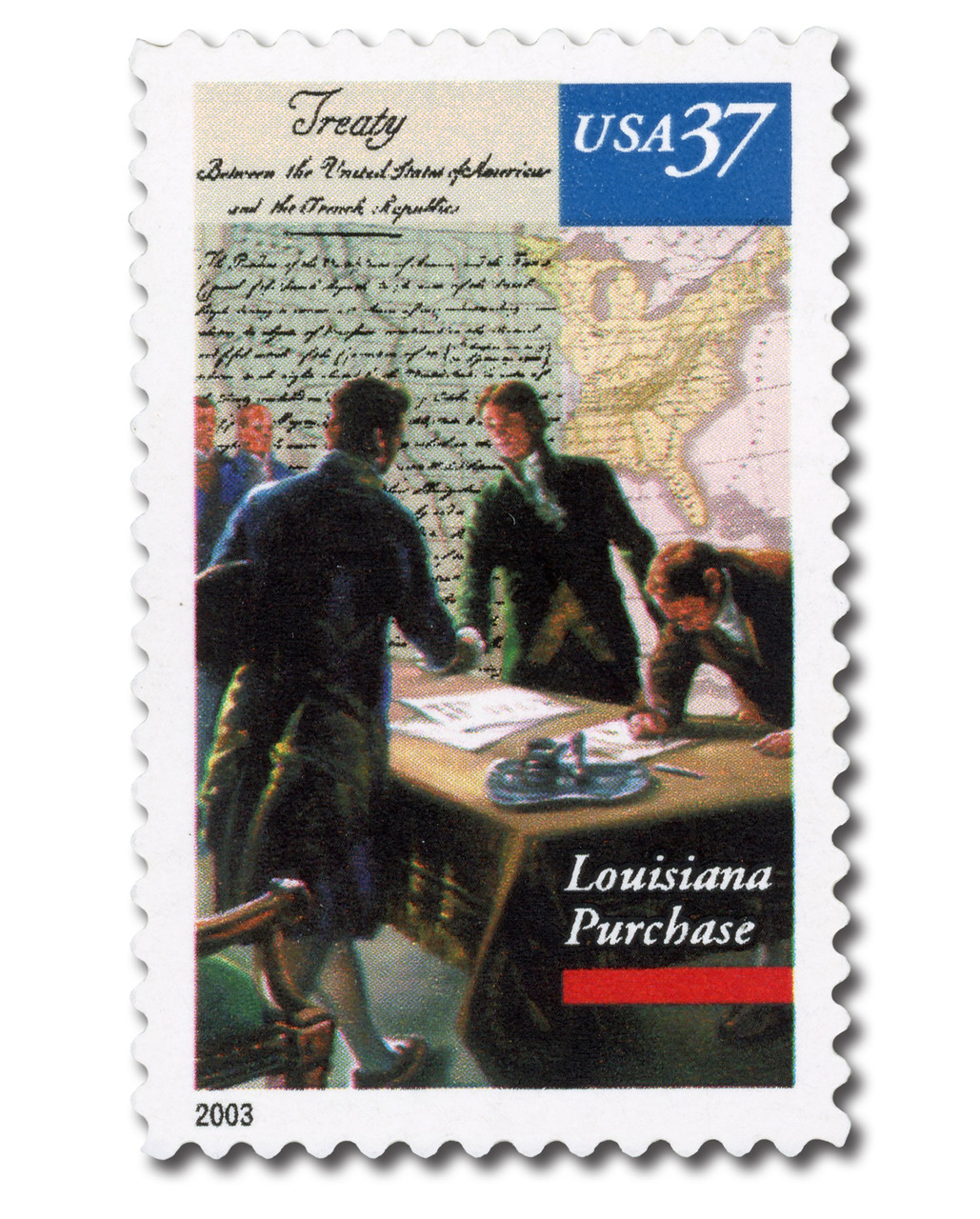
Just one year earlier, the US had purchased the Louisiana Territory from France for $15 million, doubling the size of the country. But much of the land beyond the Mississippi River remained unknown to most Americans. President Thomas Jefferson wanted answers: What plants and animals lived there? Who called this land home? And was there a water route to the Pacific?
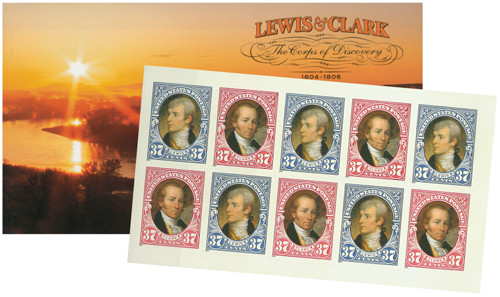

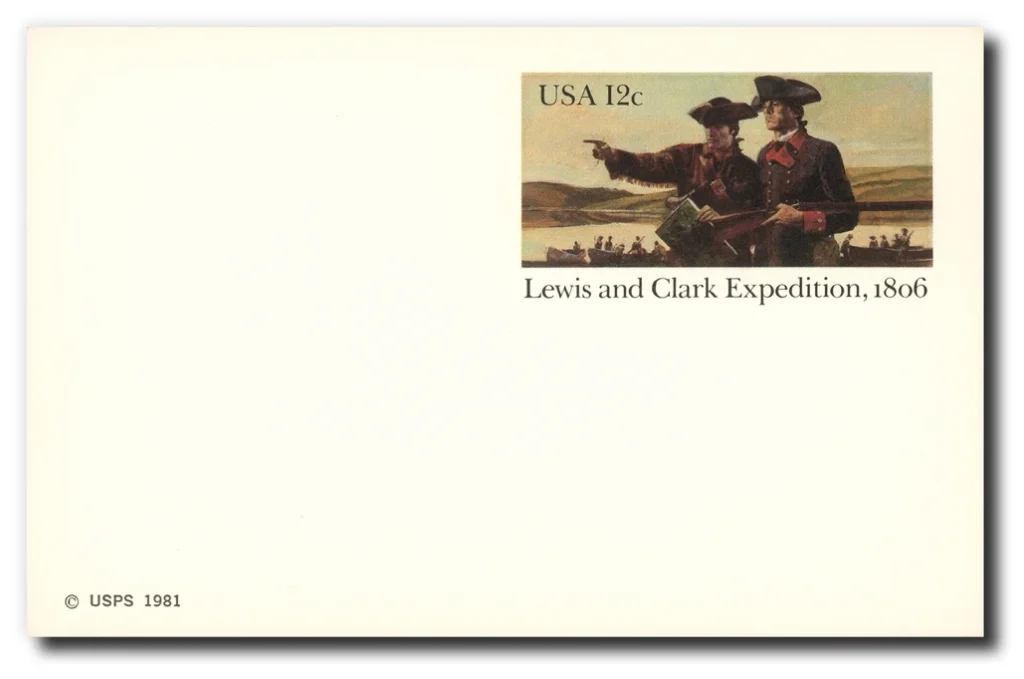
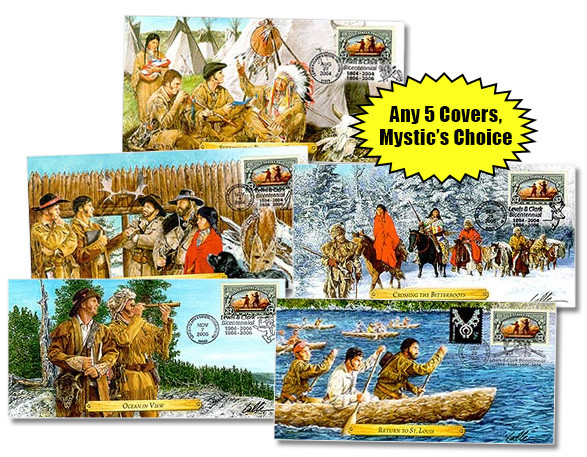
That’s where Lewis and Clark came in. Leading a group of soldiers, woodsmen, and explorers, they traveled up the Missouri River, crossed the Rocky Mountains, and followed the Columbia River to the Pacific Ocean. Along the way, they met with dozens of Native American nations, documenting their cultures, exchanging goods, and building diplomatic ties.
Sacagawea’s Vital Role
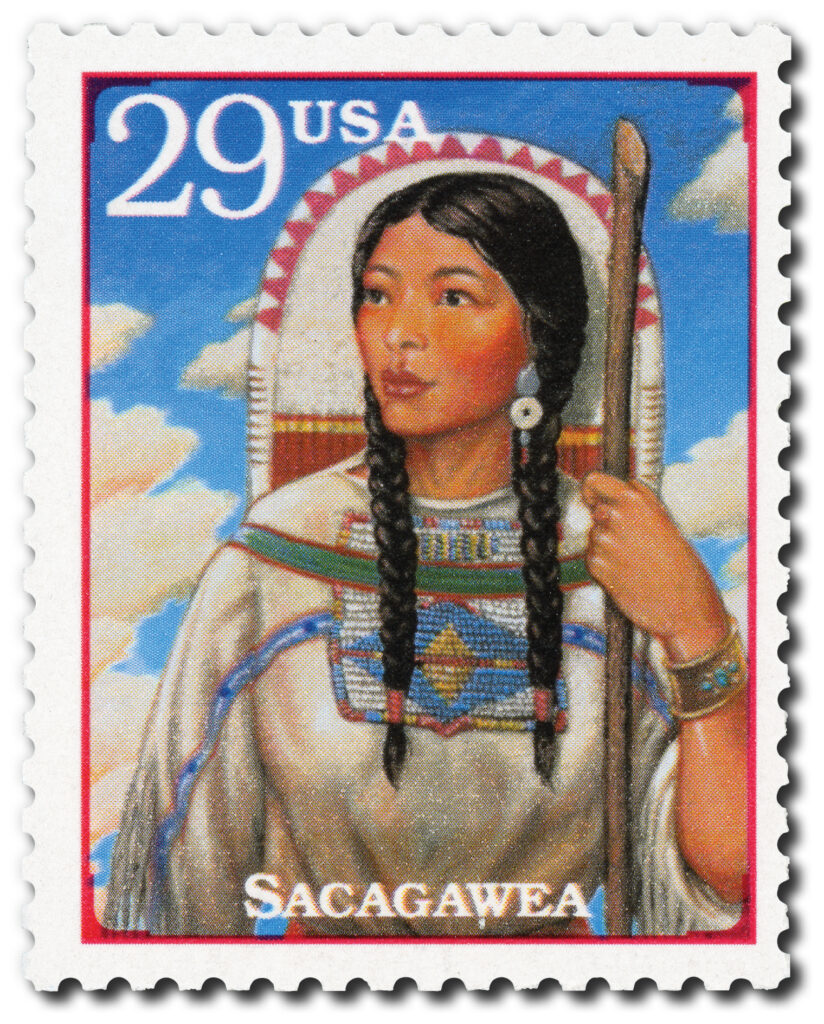
2869s – 1994 29c Legends of the West: Sacagawea
Sacagawea was a young Lemhi Shoshone woman who became one of the most important members of the Lewis and Clark Expedition. She had been taken as a child during a raid and later lived among the Hidatsa people near present-day North Dakota. While still a young teenager, she was purchased by French-Canadian trader Toussaint Charbonneau, who claimed her as one of his wives. Lewis and Clark hired Charbonneau as an interpreter, and Sacagawea joined the expedition in 1805, traveling with the Corps of Discovery while caring for her infant son, Jean Baptiste.
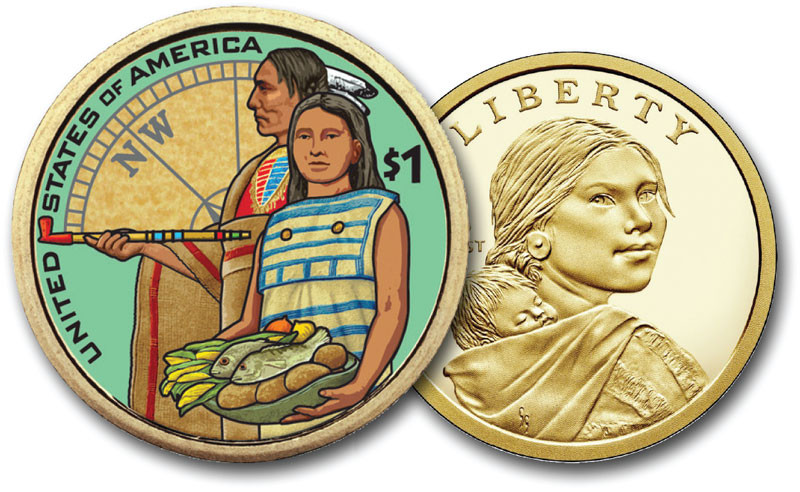
Sacagawea’s presence proved valuable throughout the expedition. She spoke Shoshone, helped bridge communication with Native nations, and knew how to find edible plants and navigate parts of the western landscape. Just as important, traveling with her infant son helped show that the Corps of Discovery was not a war party, making some meetings with Native communities less tense.
Fun Facts About the Expedition
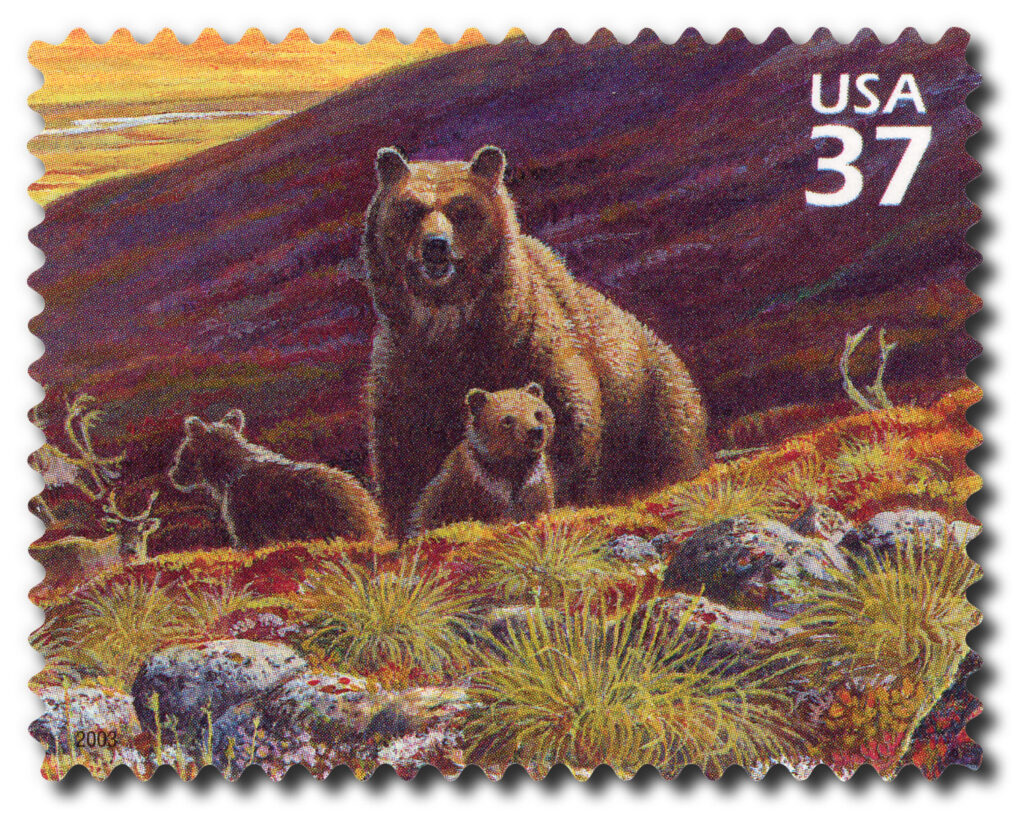
They didn’t know what a grizzly bear was.
Lewis and Clark had only read about grizzlies before their journey. When they finally encountered one, they were shocked at how large and hard to kill it was. It took ten shots to bring one down – and from then on, the Corps had a new level of respect for the western wilderness.
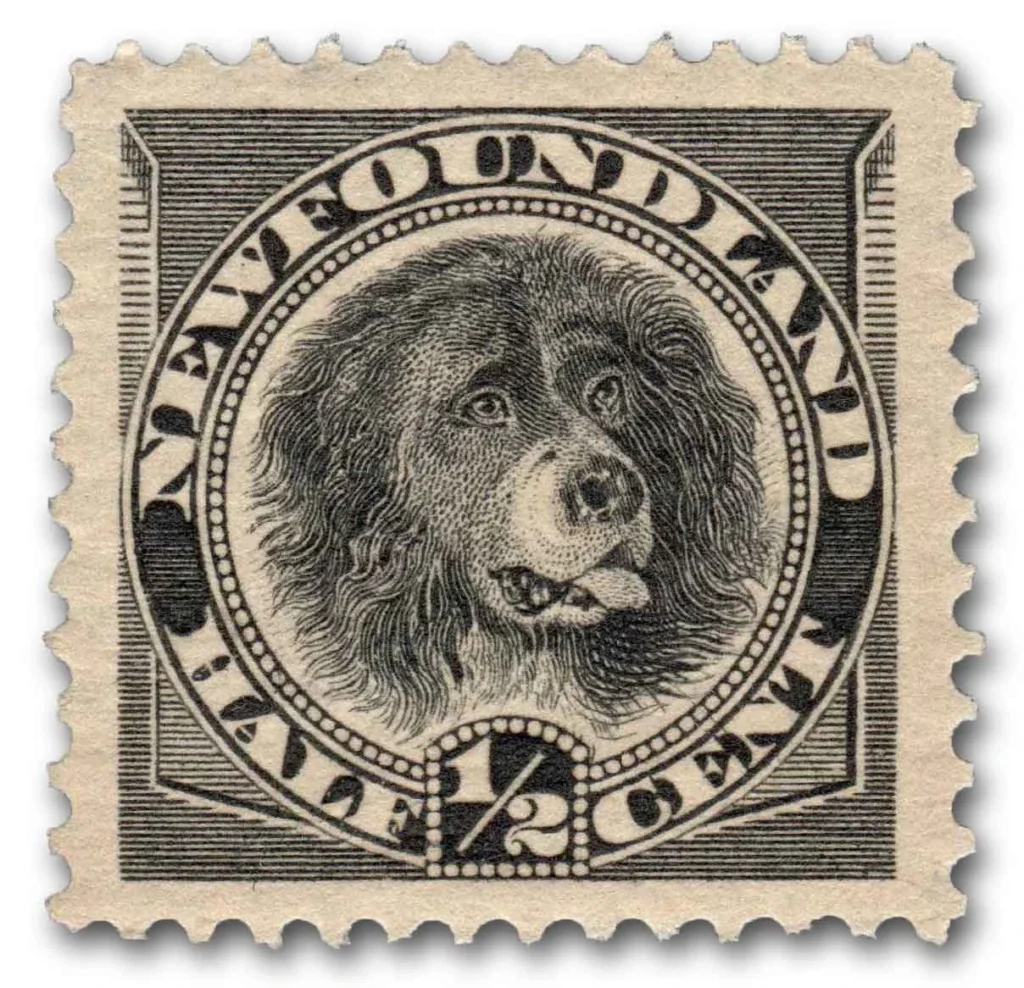
A dog named Seaman made the whole journey.
Lewis brought along a big black Newfoundland named Seaman, who swam across rivers, chased off buffalo, and kept watch at camp. He was the only animal to make the entire trip to the Pacific and back.
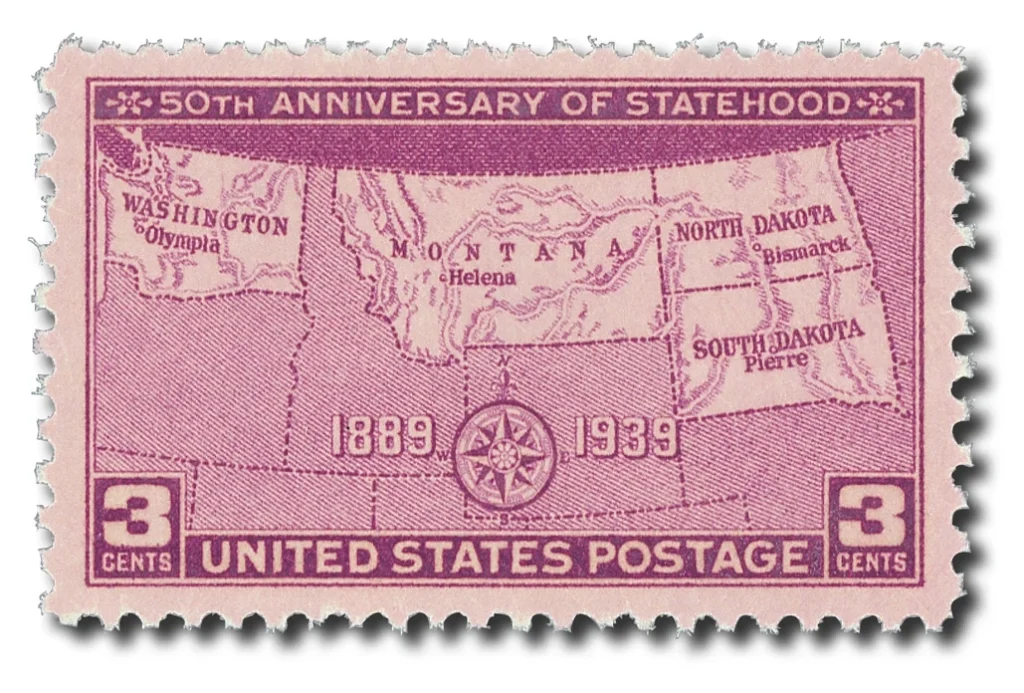
Clark’s mapmaking was so good, it was used for decades.
William Clark’s hand-drawn maps were remarkably accurate – within a few miles of modern satellite measurements. He was off by just 40 miles in his total calculation of how far they had traveled from Camp River Dubois to the Pacific Ocean.