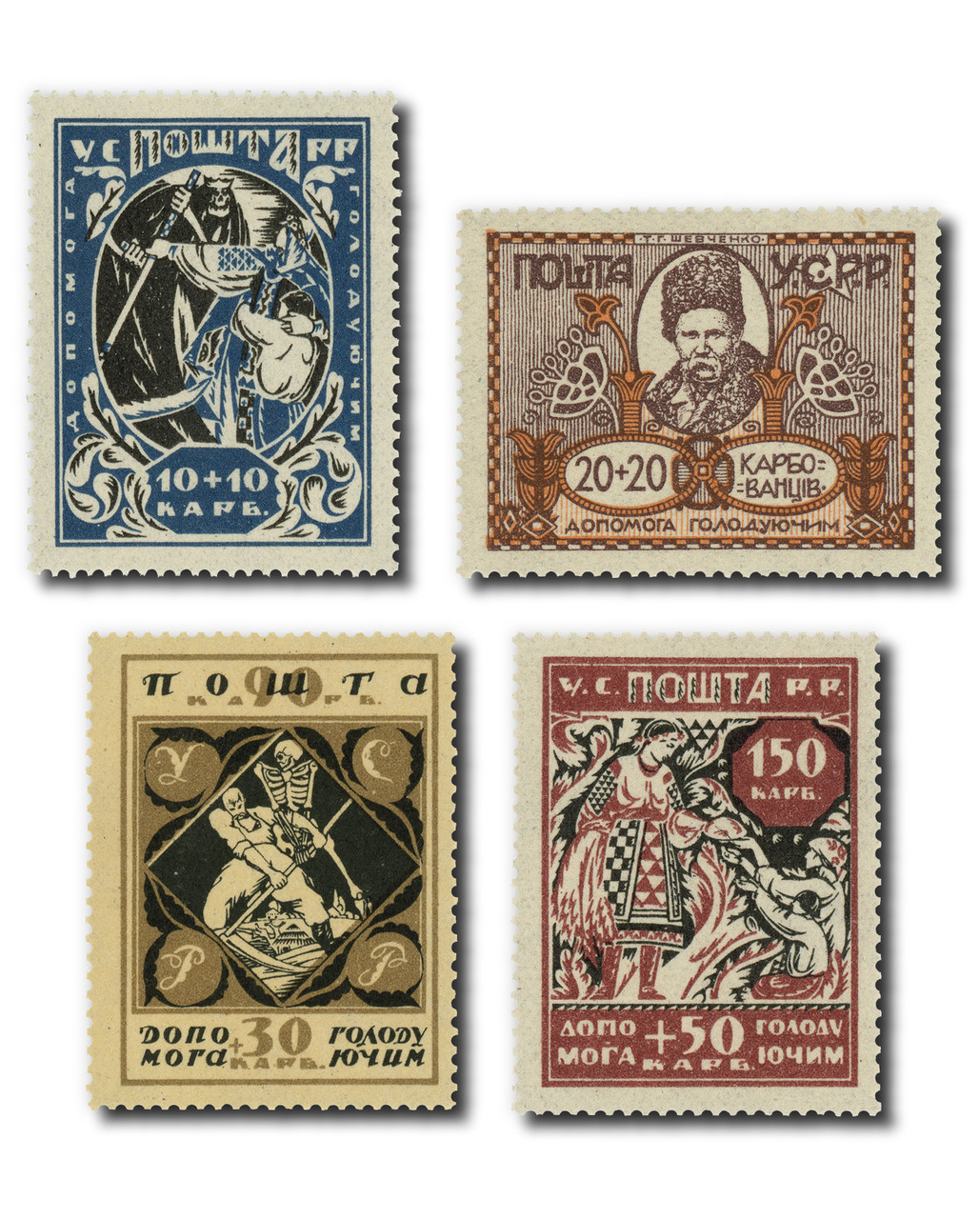
Semipostals: Stamps With a Cause
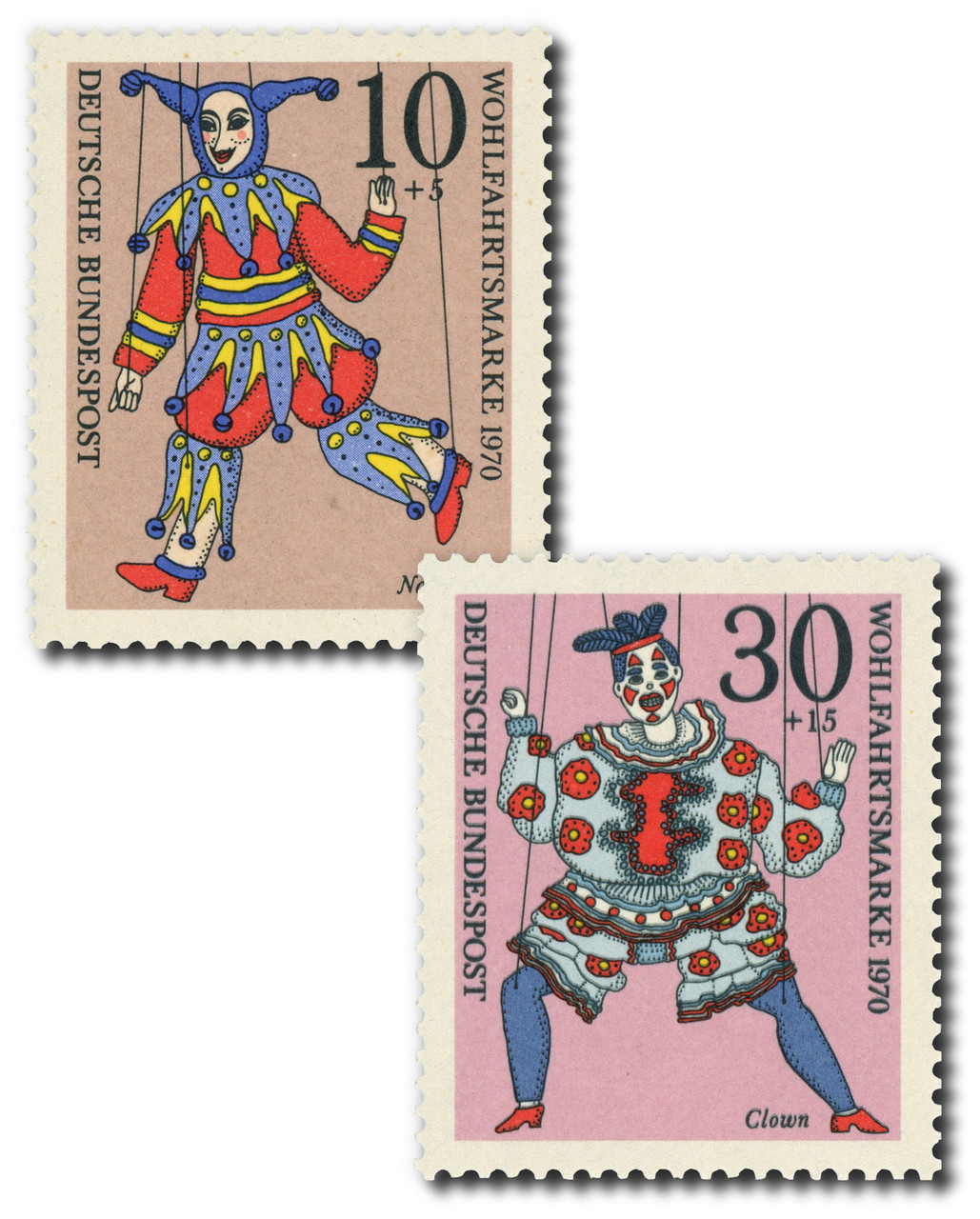
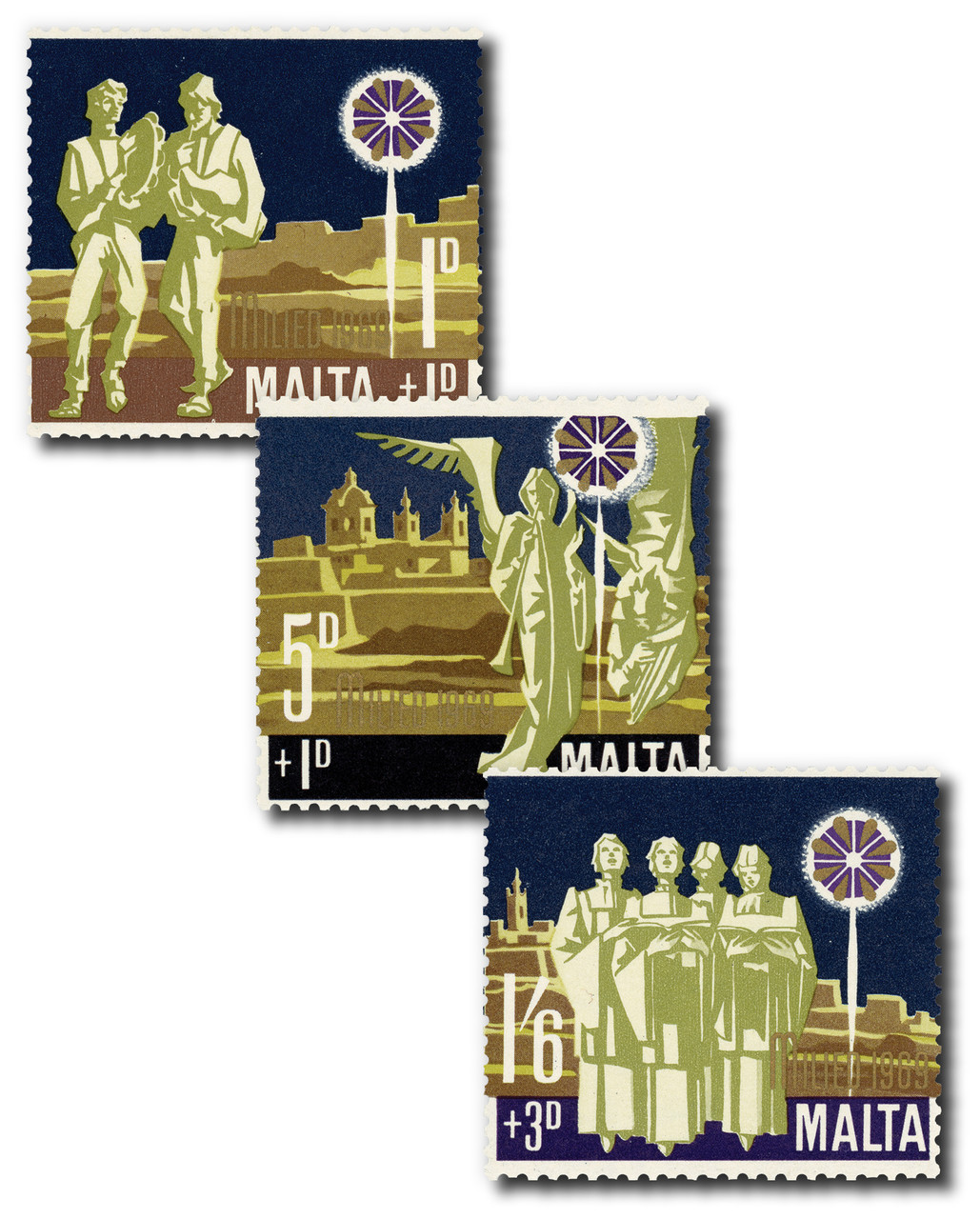
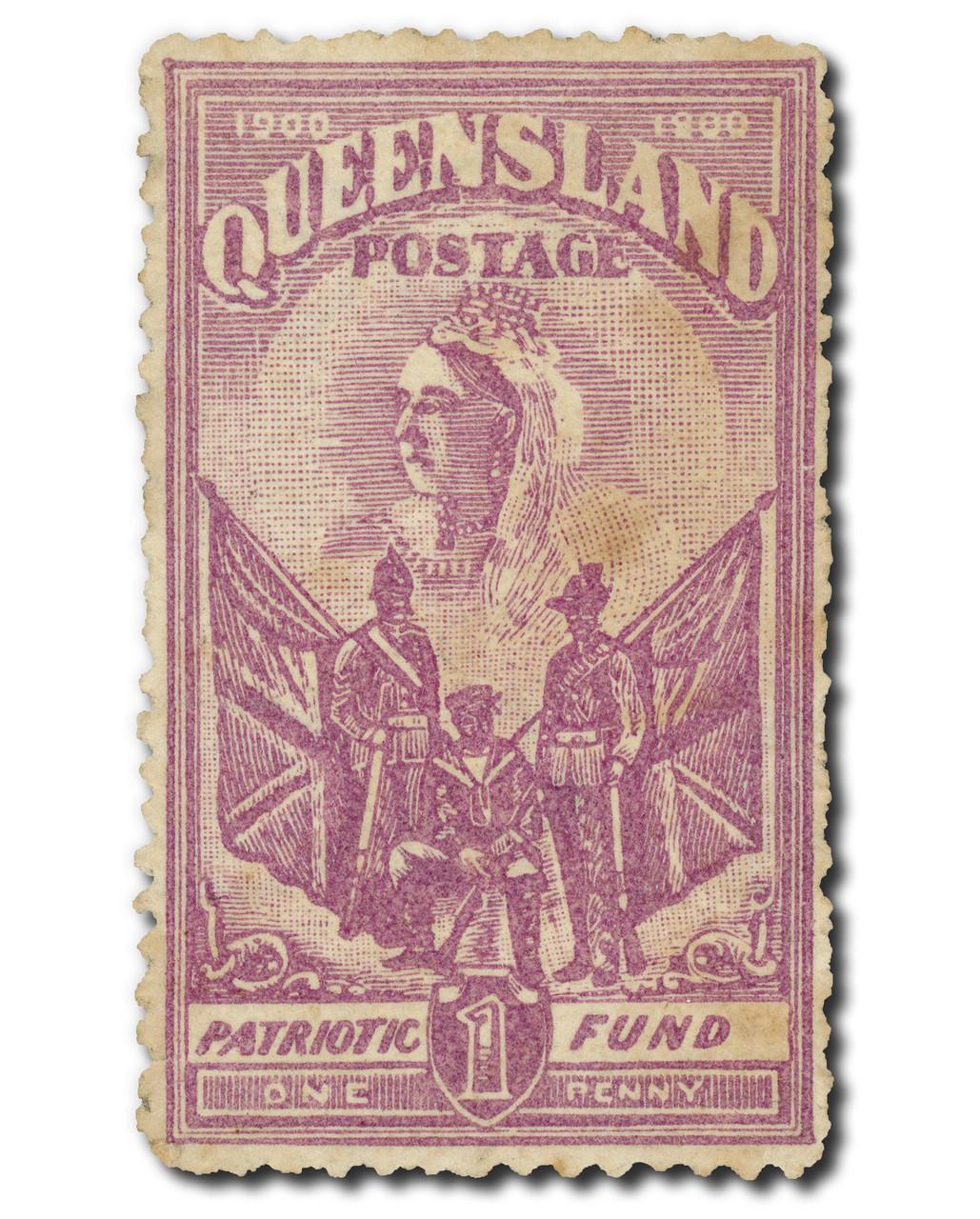
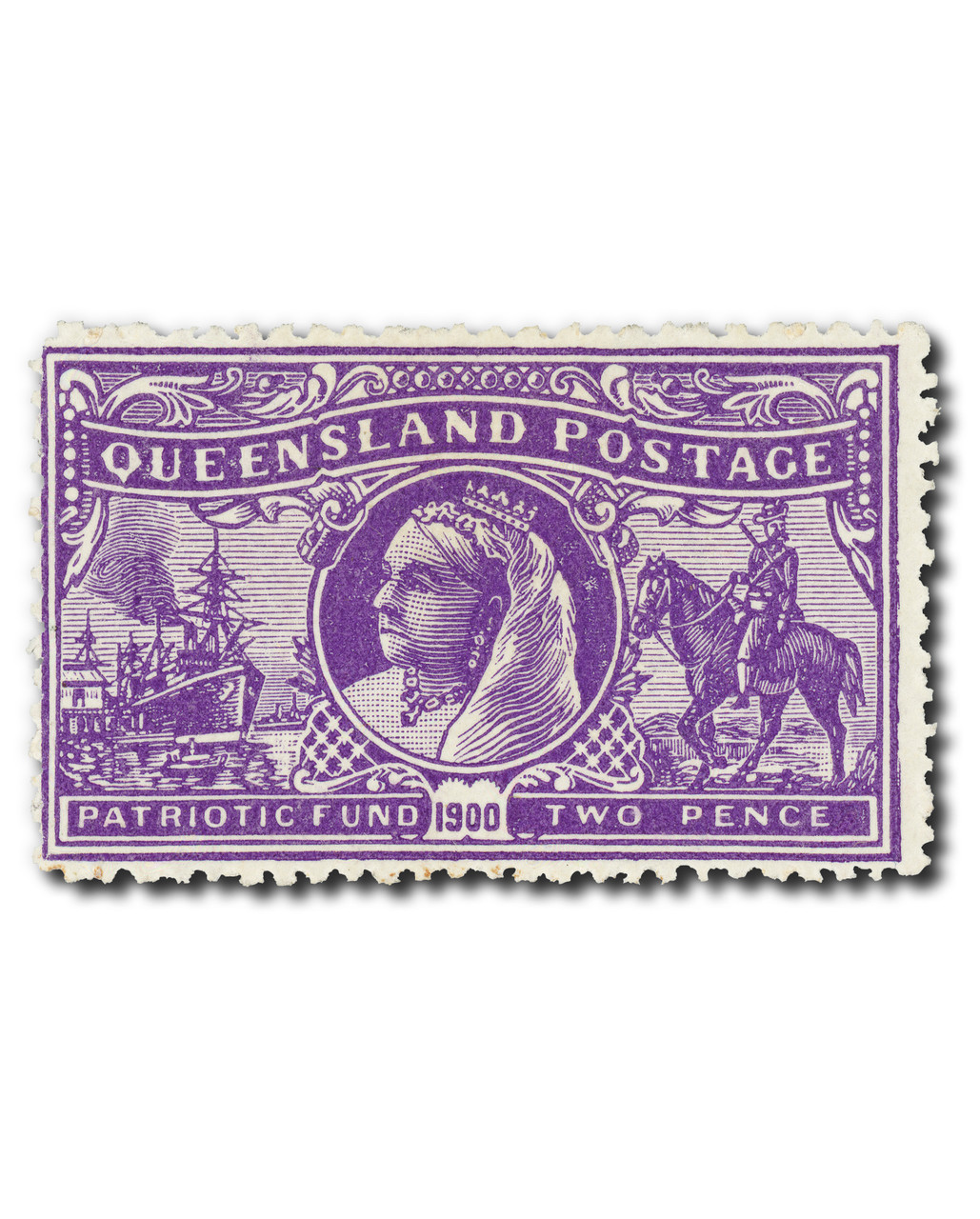
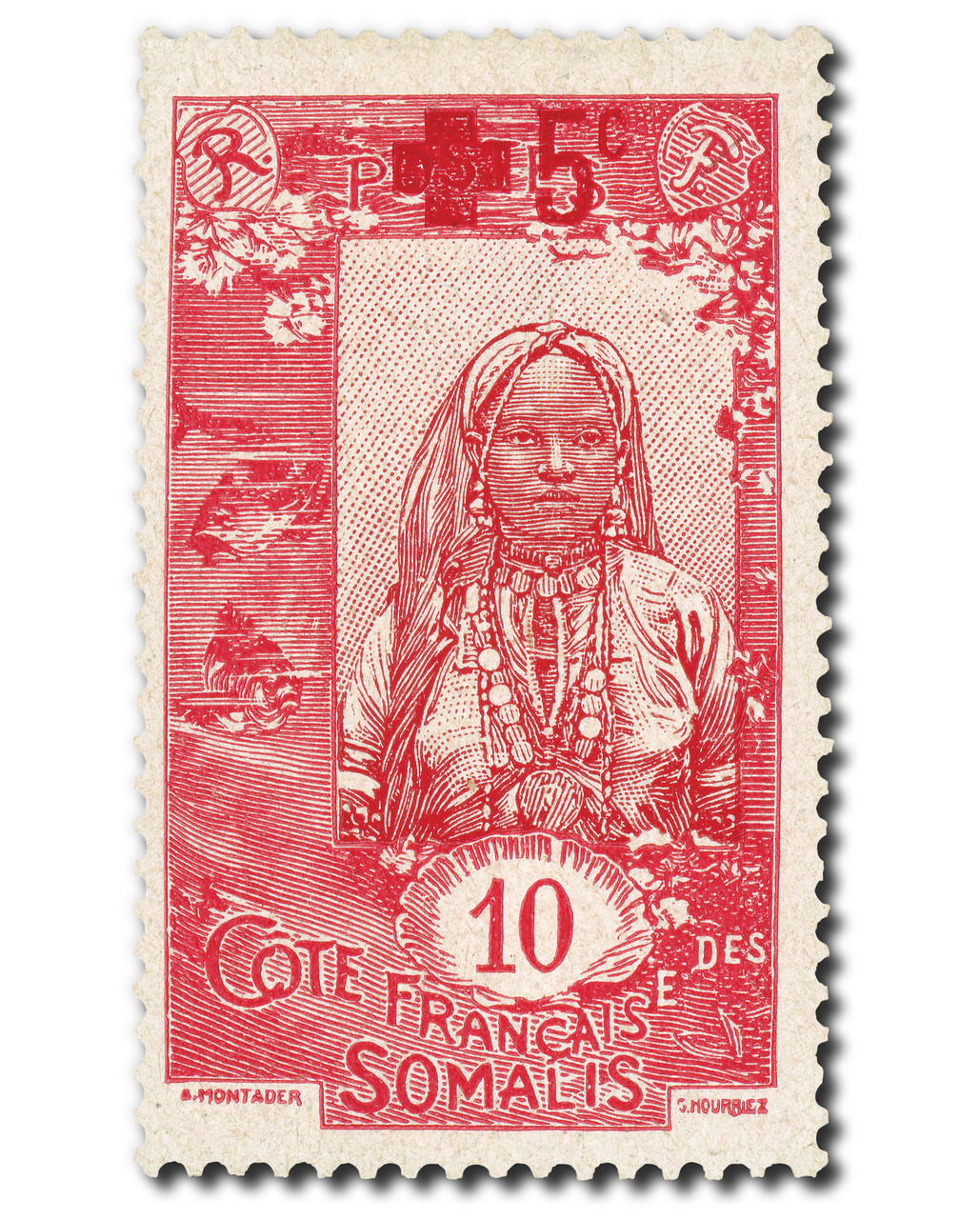
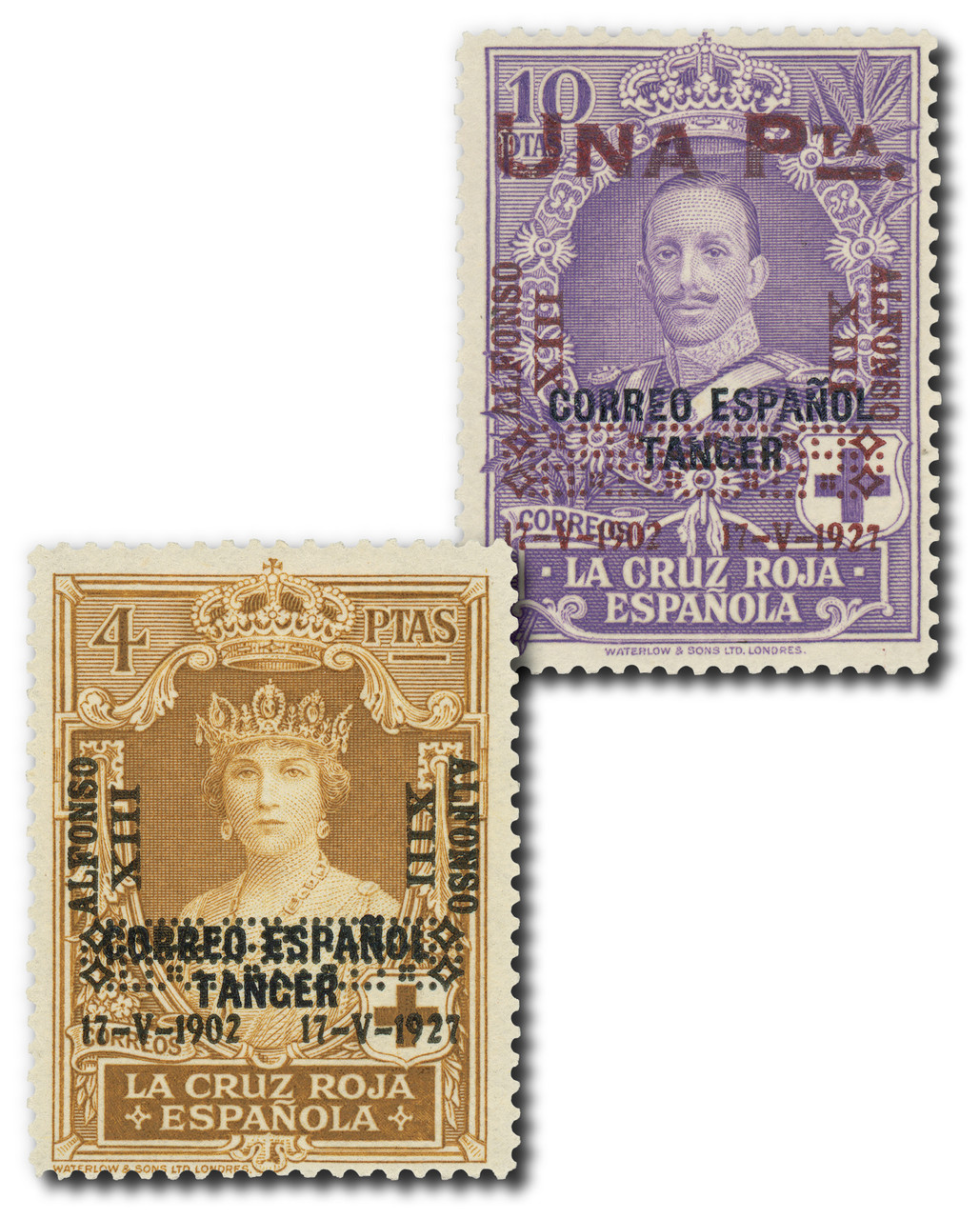
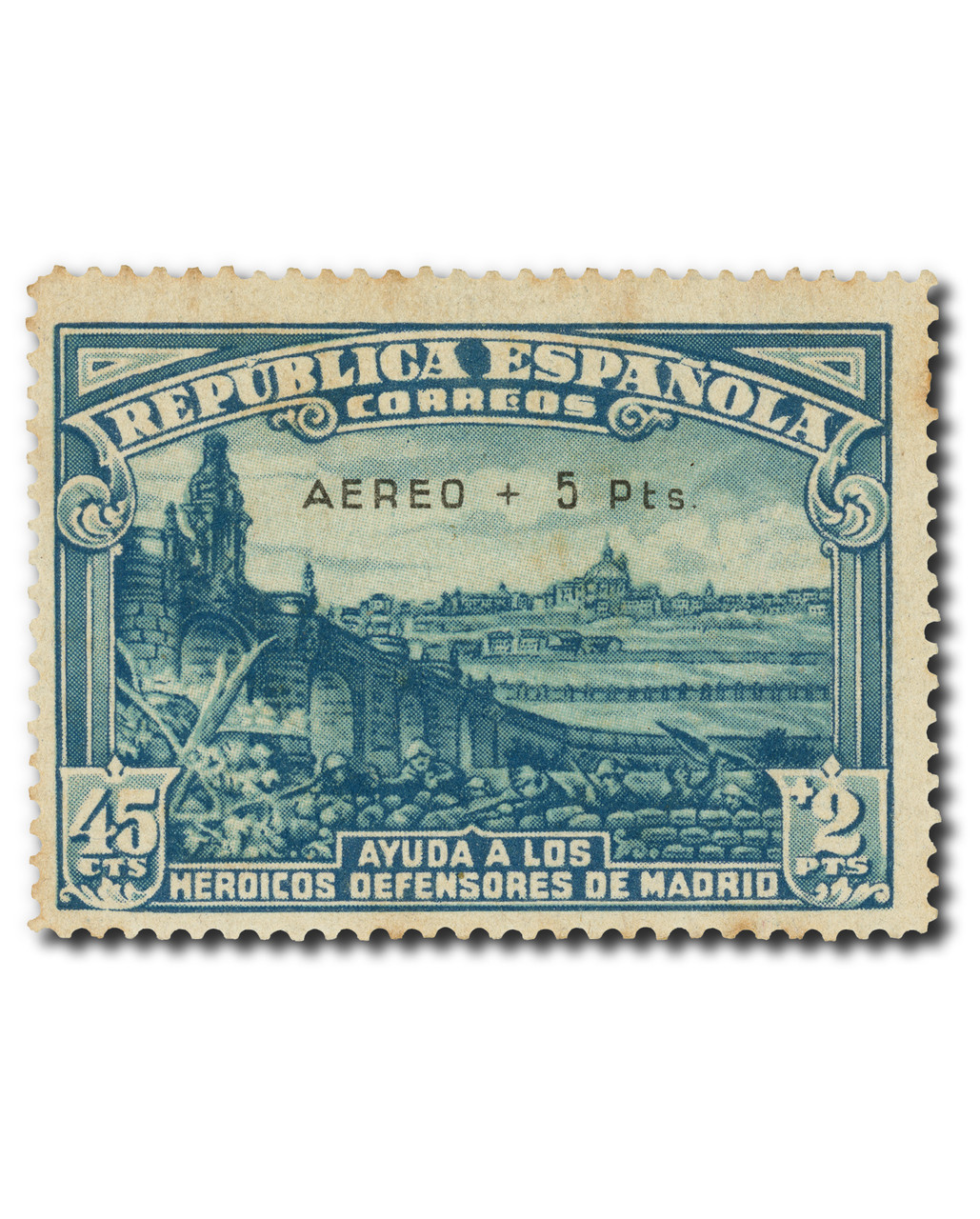
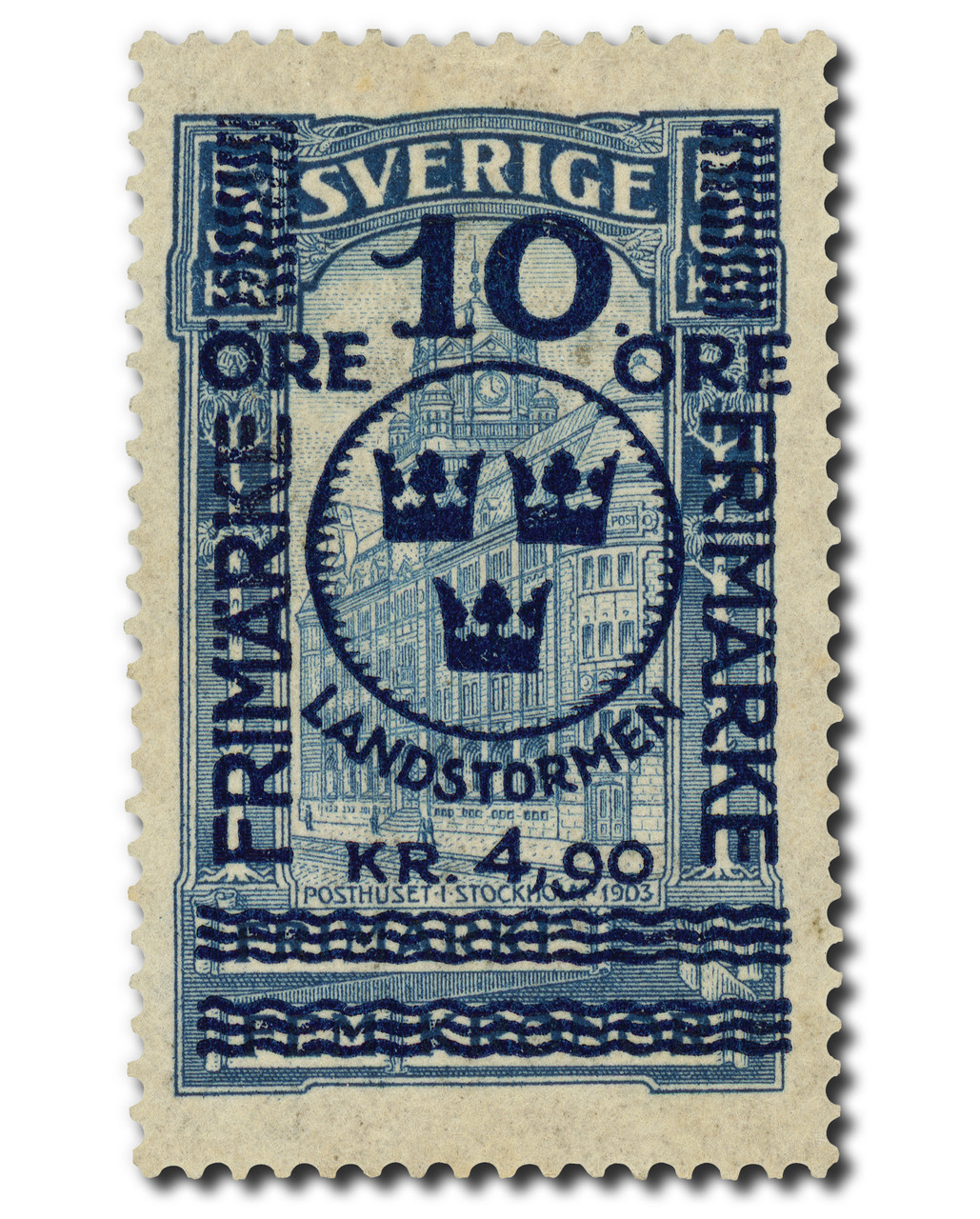
Most postage stamps pay for mail service and mark a moment in history. Semipostal stamps do something more. Sold for more than the standard postage rate, they include a surcharge that helps fund a specific national cause, such as medical research, disaster response, conservation, or public health awareness.
The United States issued its first semipostal stamp in 1998, beginning a small but meaningful modern collecting area. Since then, US semipostals have helped raise funds for breast cancer research, families of September 11 emergency responders, domestic violence programs, endangered species conservation, Alzheimer’s research, and support for those affected by post-traumatic stress disorder.
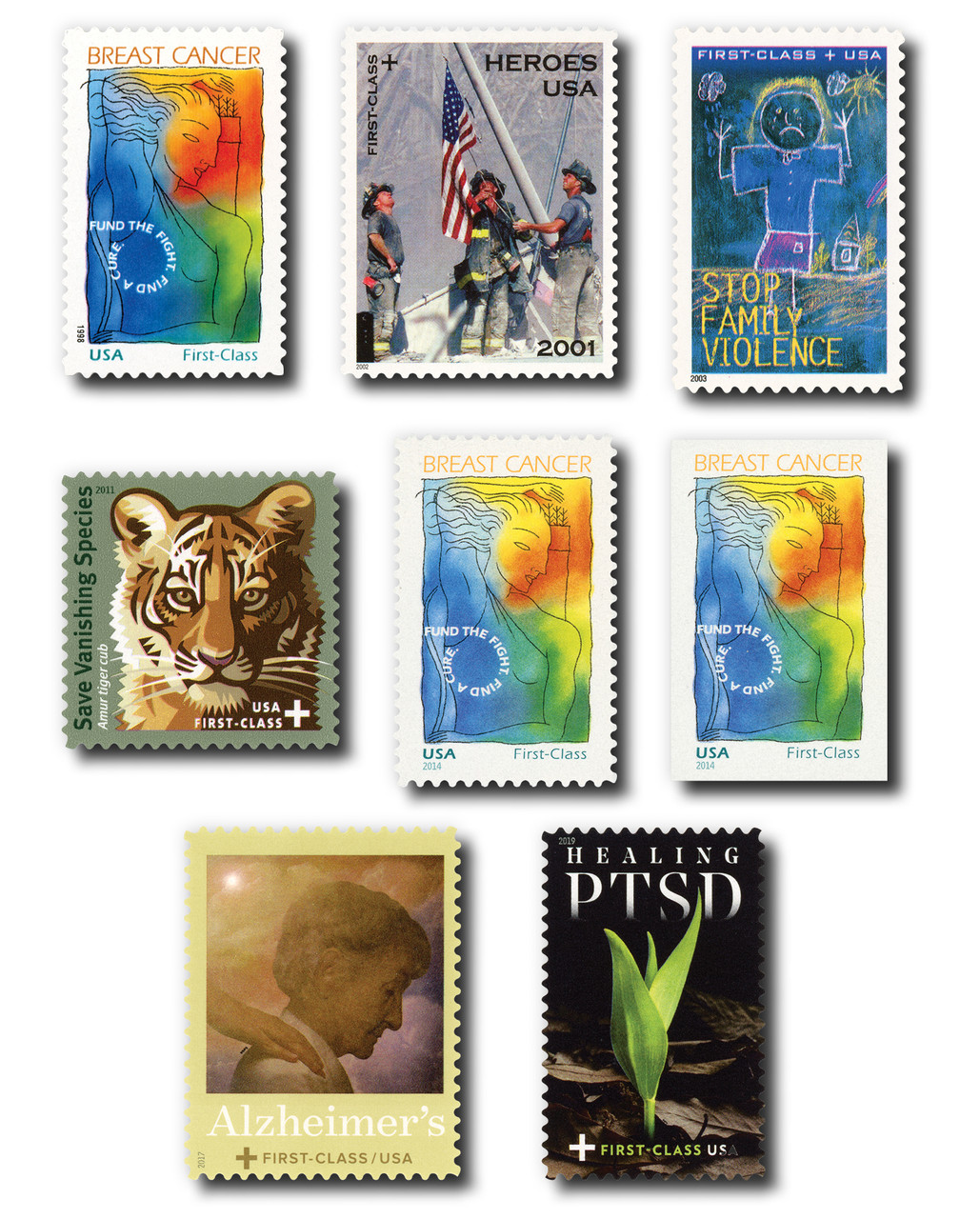
1998 Breast Cancer Research
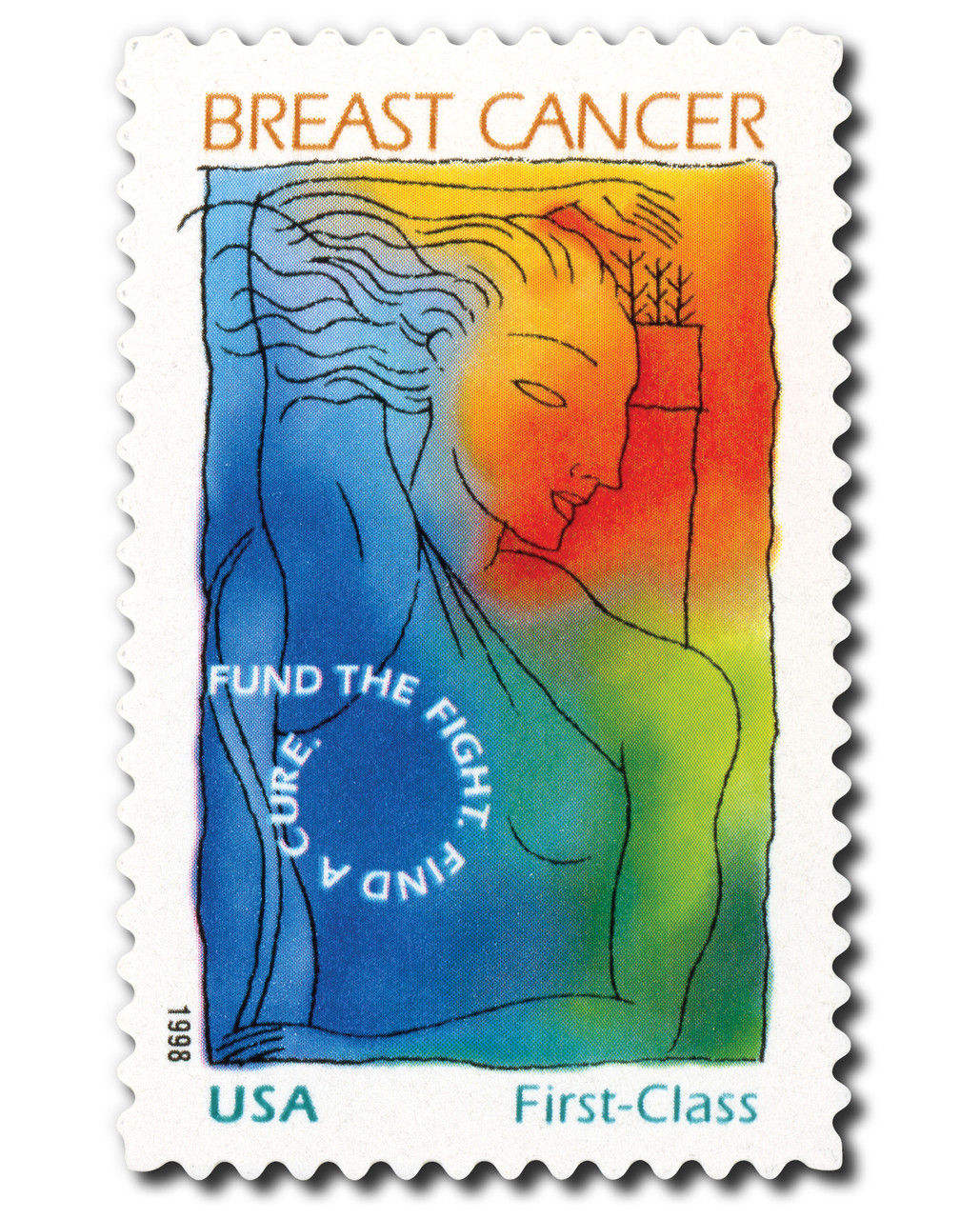
The Breast Cancer Research stamp was issued July 29, 1998, in Washington, DC. It was the first semipostal stamp ever issued by the US Postal Service. Created after Congress passed the Stamp Out Breast Cancer Act, the stamp gave postal customers a simple way to support breast cancer research while mailing letters.
The design pictures a strong female figure, often described as a “goddess of the hunt,” symbolizing determination, protection, and the fight against breast cancer. The stamp was originally sold for 40¢, paying the 32¢ first-class rate and adding an 8¢ surcharge for research. Net proceeds are divided between the National Institutes of Health and the Department of Defense Medical Research Program, with 70 percent going to NIH and 30 percent to DOD.
The Breast Cancer Research semipostal became one of the most successful modern US stamps. As of the end of March 2026, USPS reported more than 1.1 billion sold and more than $99.7 million raised. That success helped prove that semipostals could be meaningful to the public, useful to national causes, and appealing to collectors.
2002 Heroes of 2001
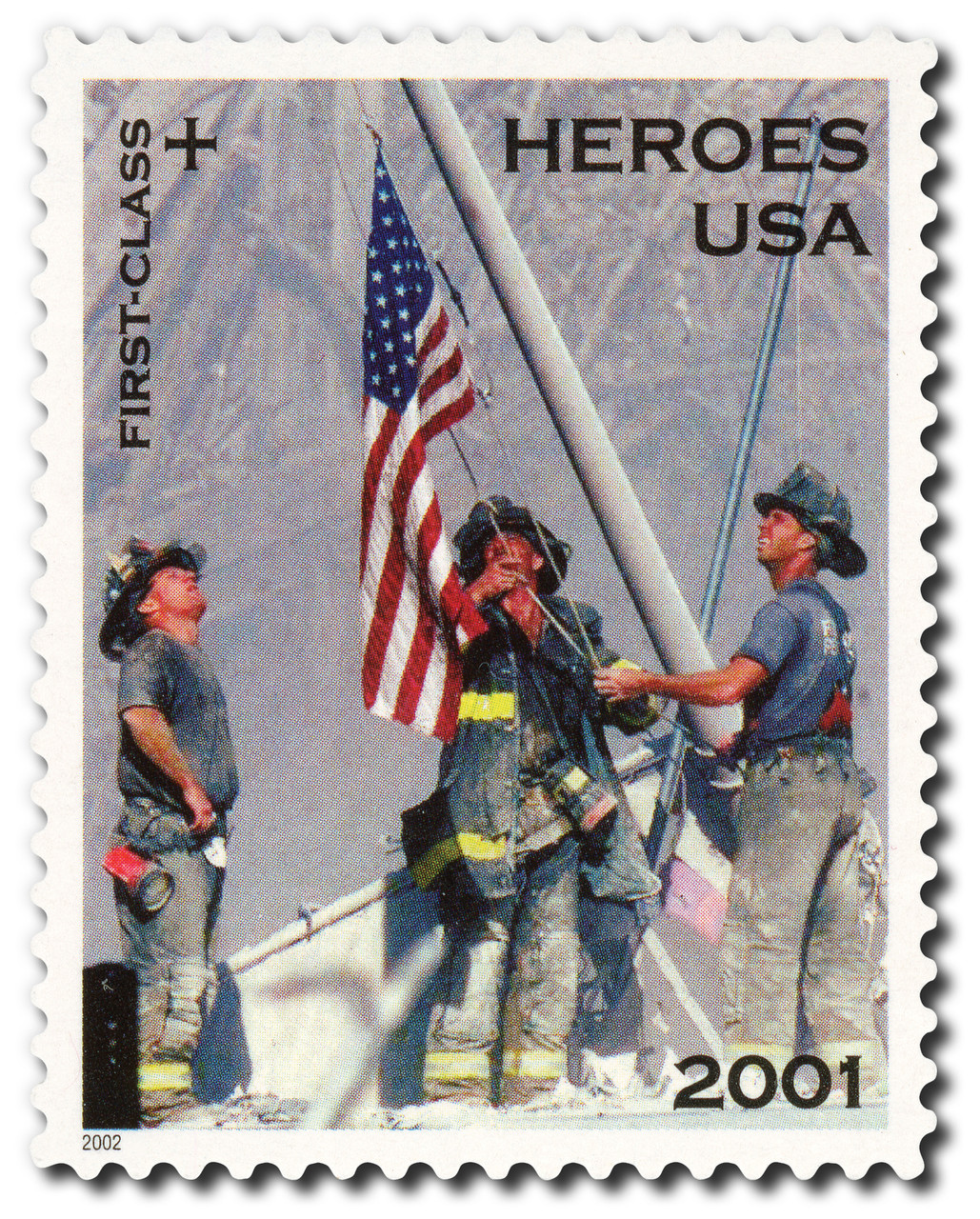
The Heroes of 2001 semipostal was issued June 7, 2002, following the September 11, 2001, terrorist attacks. It features Thomas E. Franklin’s now-famous photograph of three firefighters raising the American flag at the World Trade Center site. The image quickly became one of the most recognized symbols of courage, sacrifice, and national unity after the attacks.
Congress authorized the stamp through the 9/11 Heroes Stamp Act of 2001. Funds raised were intended to help families of emergency workers who were killed or permanently disabled while responding to the attacks. The Heroes of 2001 semipostal was sold from 2002 to 2004 and raised more than $10 million.
2003 Stop Family Violence
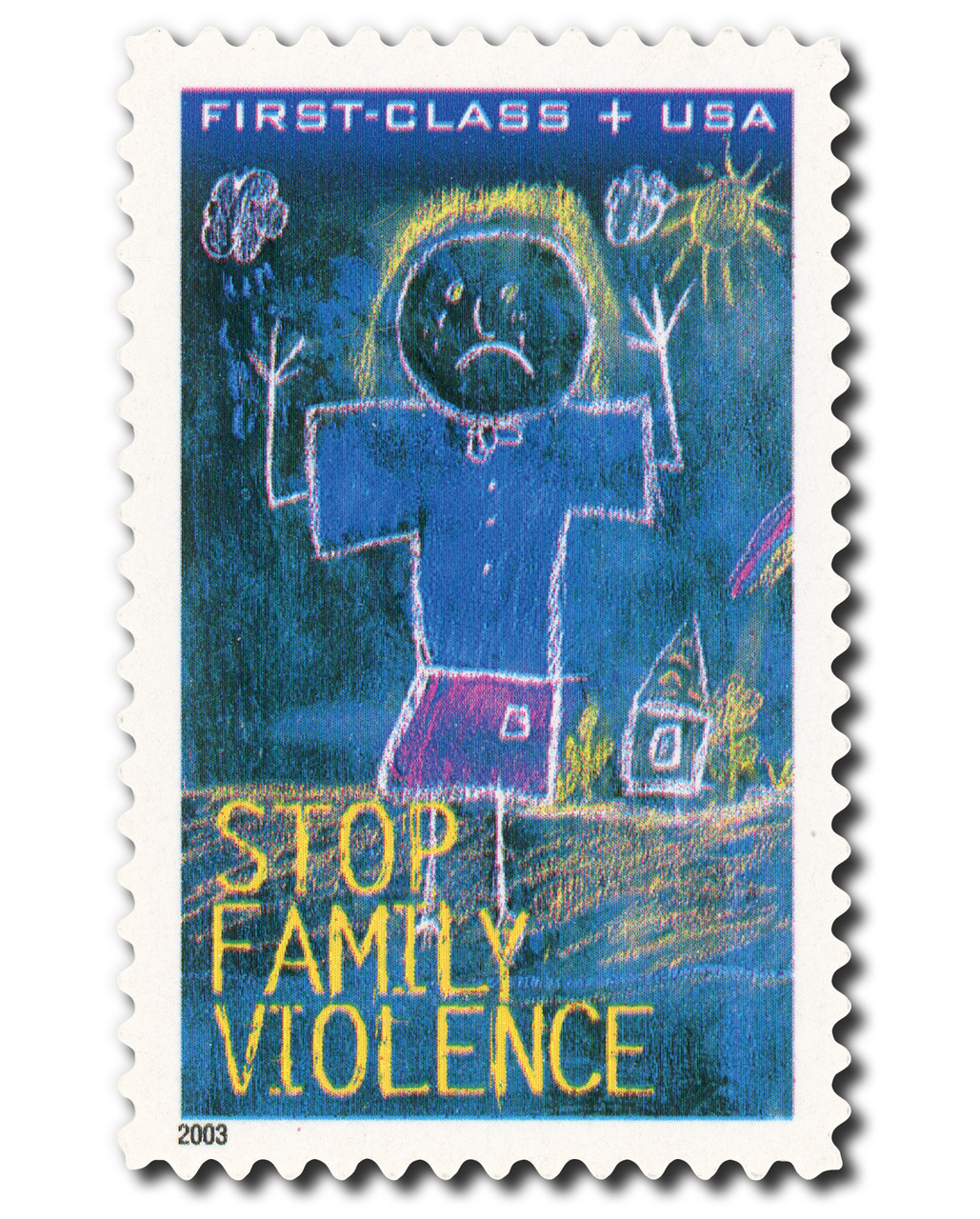
The Stop Family Violence semipostal was issued October 8, 2003. It was the third US semipostal and was created under the Stamp Out Domestic Violence Act of 2001. The stamp raised funds for domestic violence programs through the Department of Health and Human Services.
The design has the look of a child’s drawing, making the issue especially direct and emotional. Its simple artwork helped communicate the human impact of family violence without relying on complex imagery. Like earlier semipostals, it paid the first-class mail rate while adding a surcharge for the designated cause.
The Stop Family Violence semipostal remained on sale through 2006 and raised more than $3 million.
2011 Save Vanishing Species

The Save Vanishing Species semipostal was issued September 20, 2011, in Louisville, Kentucky. The stamp supports wildlife conservation, with net proceeds transferred to the US Fish and Wildlife Service for the Multinational Species Conservation Funds. These funds help protect threatened and endangered animals around the world.
Artist Nancy Stahl created the design under the direction of USPS art director Derry Noyes. The stamp pictures the face of an Amur tiger cub, a striking choice that gives the issue strong visual appeal for collectors of animal stamps, conservation stamps, and topical wildlife issues.
As of the end of March 2026, the USPS reported more than 74 million Save Vanishing Species stamps sold and more than $8.8 million raised.
2014 Breast Cancer Awareness Reissue
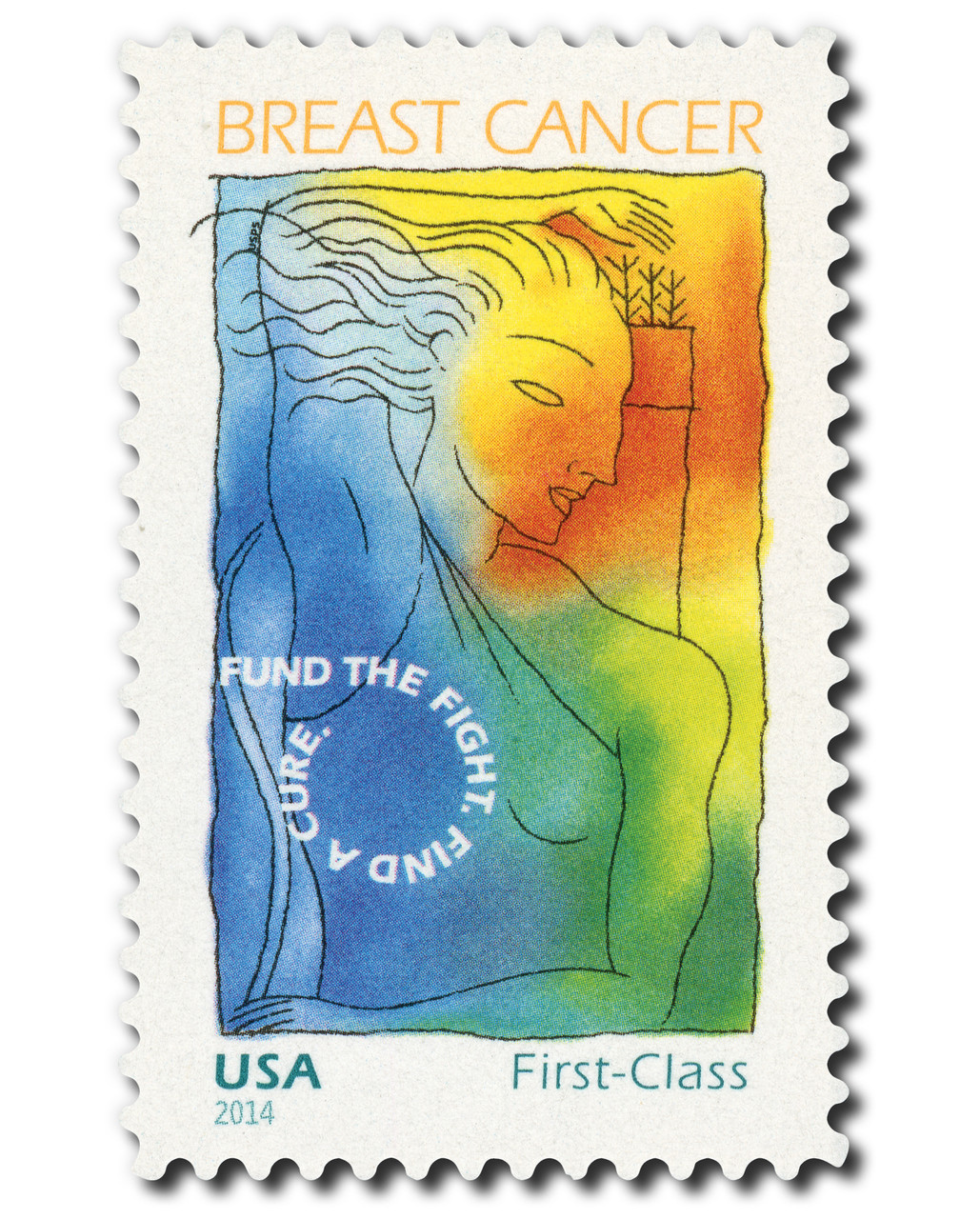
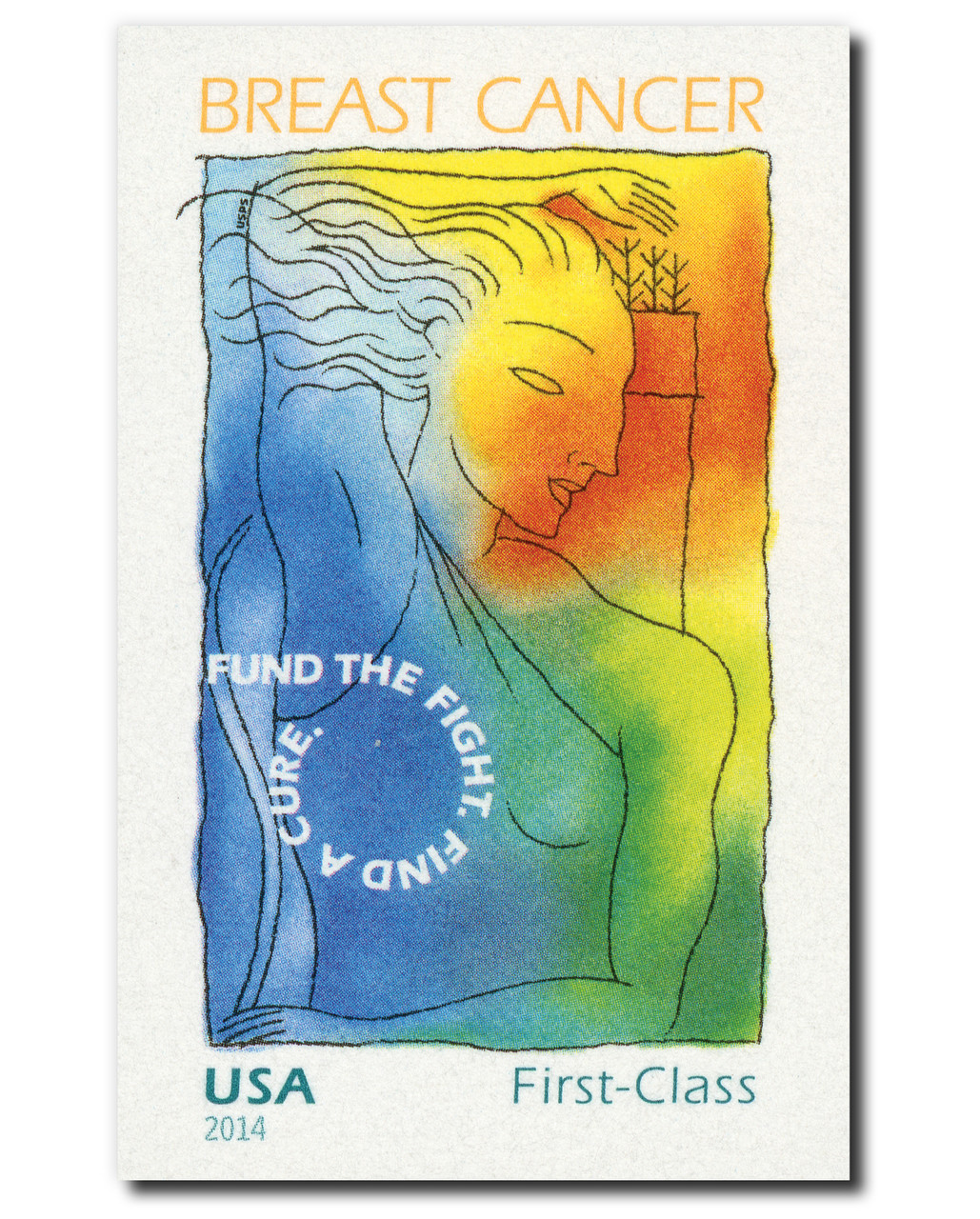
In 2014, the USPS reissued the Breast Cancer Research semipostal with an updated date. Though it continued the same important cause as the 1998 issue, the 2014 version is listed separately by collectors as its own semipostal issue. The USPS announced the reissue for September 30, 2014, with a 60¢ price that included the 49¢ First-Class Mail rate and an 11¢ surcharge.
The 2014 reissue is especially interesting because it was also released in an imperforate variety. This version lacks the normal die cuts, giving collectors a scarcer modern variety to add alongside the regular 2014 issue.
2017 Alzheimer’s Disease Awareness

The Alzheimer’s semipostal was issued November 30, 2017, in Baltimore, Maryland. It was the first stamp issued under the USPS’s discretionary semipostal program, which allowed the Postal Service to select certain national causes for fundraising stamps.
The stamp supports Alzheimer’s research and caregiving efforts. Its design shows a person being comforted, a quiet image that reflects both the personal and family impact of the disease. The stamp was withdrawn from sale in January 2019 under program rules, then resumed sale on October 5, 2020.
As of the end of March 2026, the USPS reported more than 13 million Alzheimer’s semipostal stamps sold and more than $1.7 million raised.
2019 Healing Post-Traumatic Stress Disorder
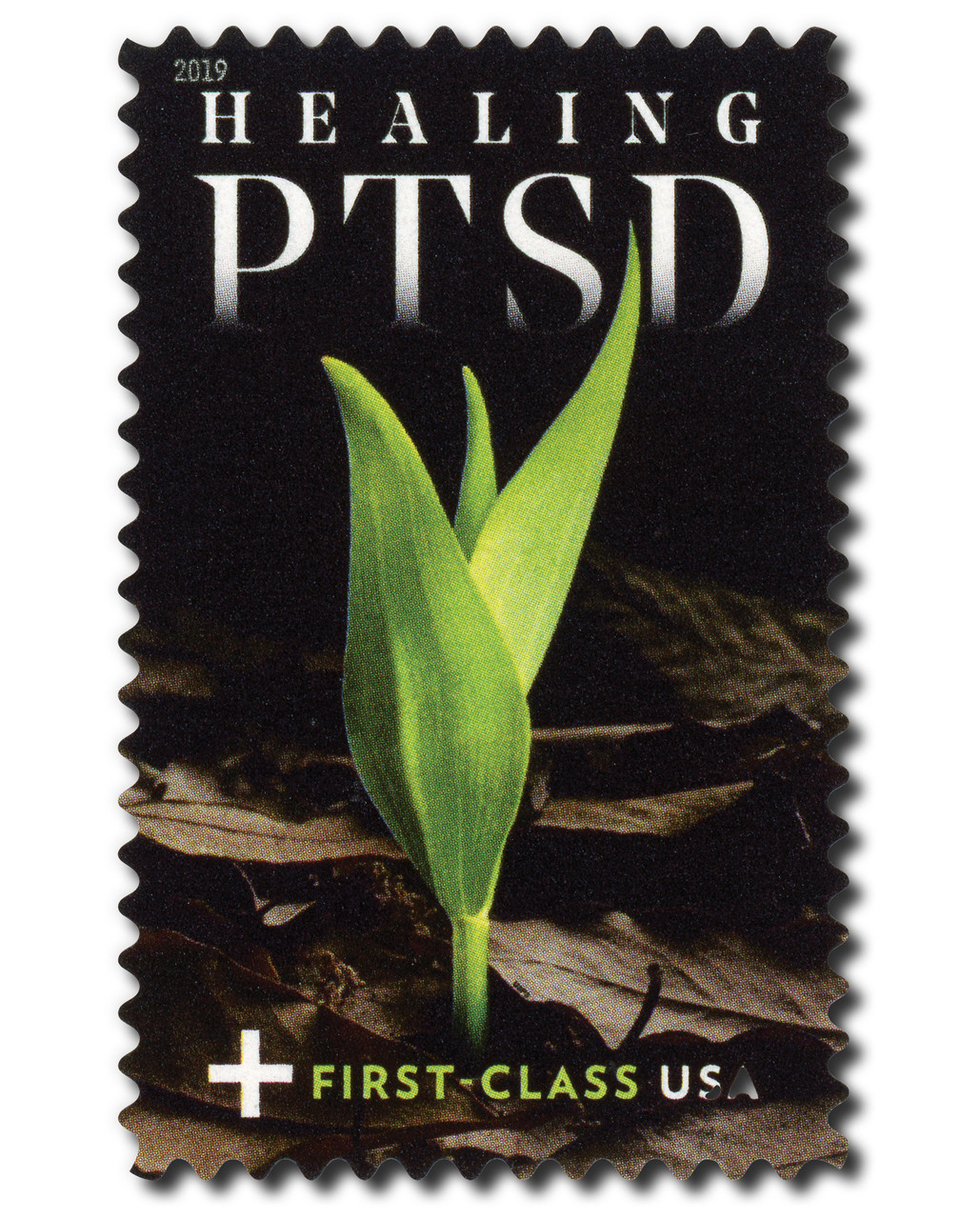
The Healing PTSD semipostal was issued December 2, 2019, in Charlotte, North Carolina. It was created to support those affected by post-traumatic stress disorder, with net proceeds transferred to the Department of Veterans Affairs.
The design features a green plant emerging from fallen leaves, a symbol of healing, renewal, and hope. While PTSD can affect many people, the stamp’s connection to the Department of Veterans Affairs gives it special importance as an issue tied to veterans, service, recovery, and public awareness.
As of the end of March 2026, the USPS reported more than 20.7 million Healing PTSD stamps sold and more than $2 million raised.