Shootout at the OK Corral
On October 26, 1881, the Earp brothers took on the Clanton-McLaury Gang at the OK Corral in Tombstone, Arizona. The shootout became one of the most famous events in the Old West.

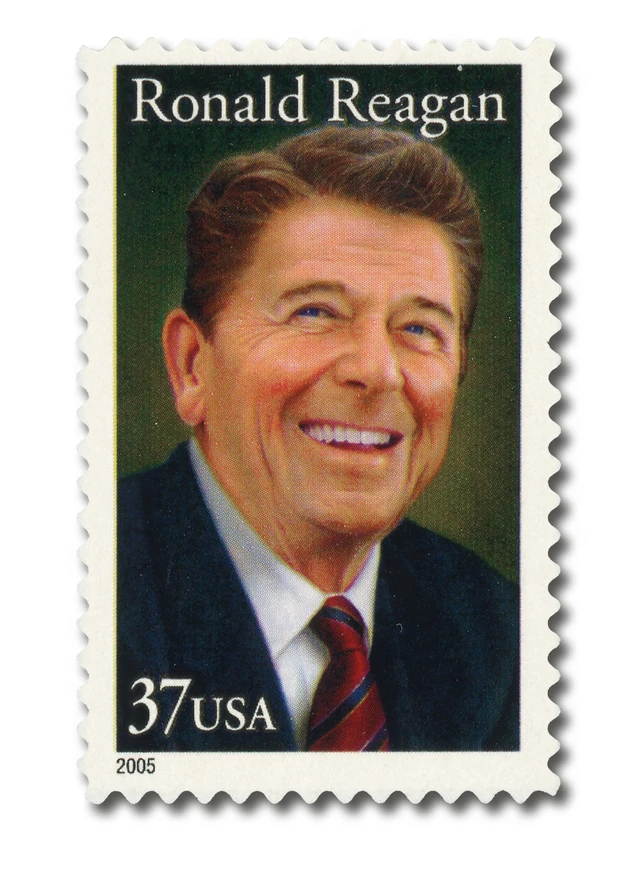
On October 27, 1964, Ronald Reagan took a campaign speech for Barry Goldwater to a national television audience. His address introduced many Americans to Reagan as a political speaker and helped bring him wider attention.

On October 26, 1881, the Earp brothers took on the Clanton-McLaury Gang at the OK Corral in Tombstone, Arizona. The shootout became one of the most famous events in the Old West.

Effigy Mounds National Monument in Iowa was established on October 25, 1949. The monument protects and interprets the history behind about 200 mounds built by Native Americans centuries ago.

Born on October 24, 1911, Saunders Terrell became Sonny Terry, a blues harmonica player known for making his instrument sound like trains, hounds, and other voices. After childhood accidents left him blind, he built a career that took him from local churches and dance halls to Carnegie Hall and concert stages around the world.
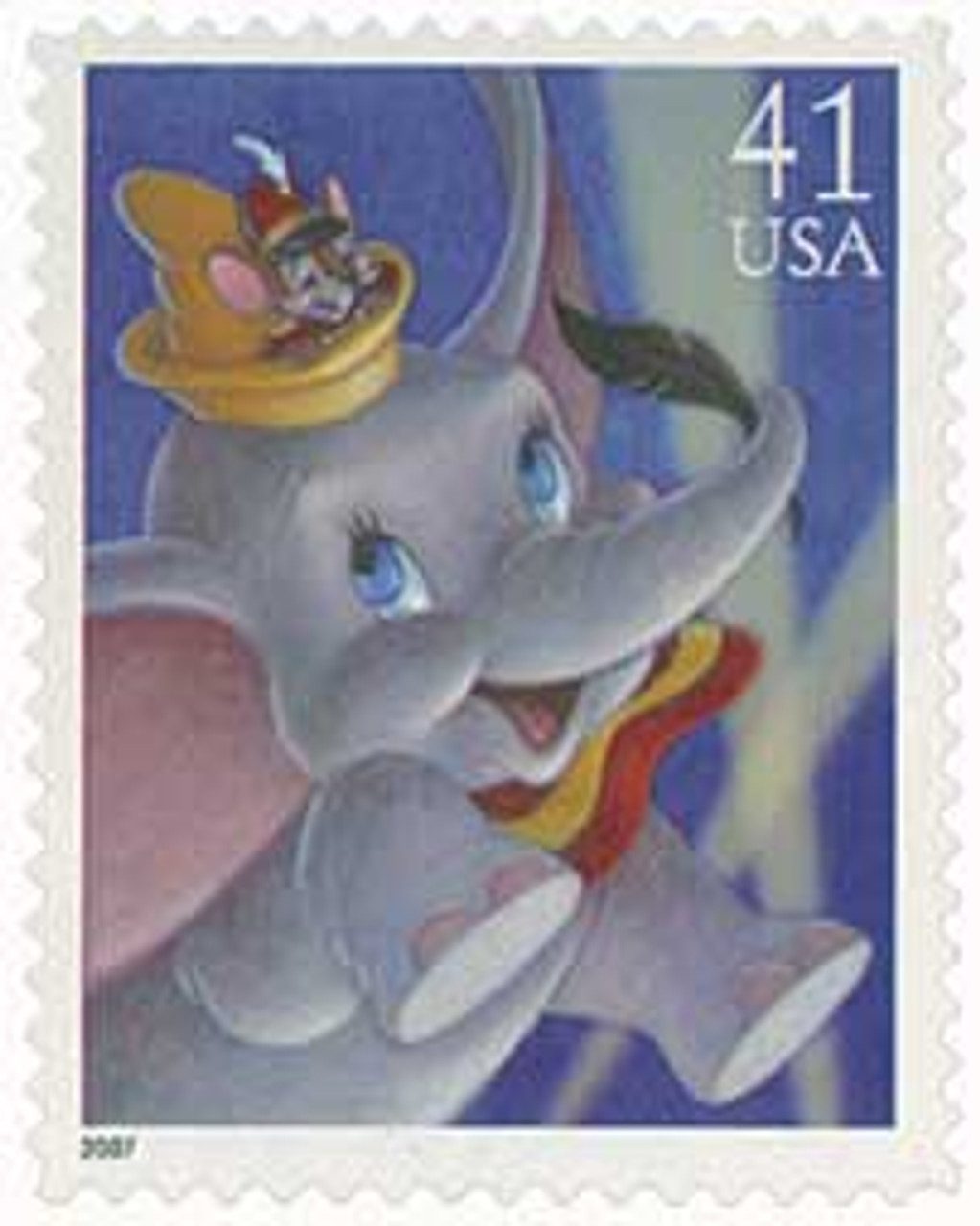
On October 23, 1941, Dumbo premiered in New York, bringing a flying circus elephant to the screen. The film began as an unpublished story by Syracuse writer Helen Aberson and became a compact production that gave Disney a welcome profit after two costly releases.
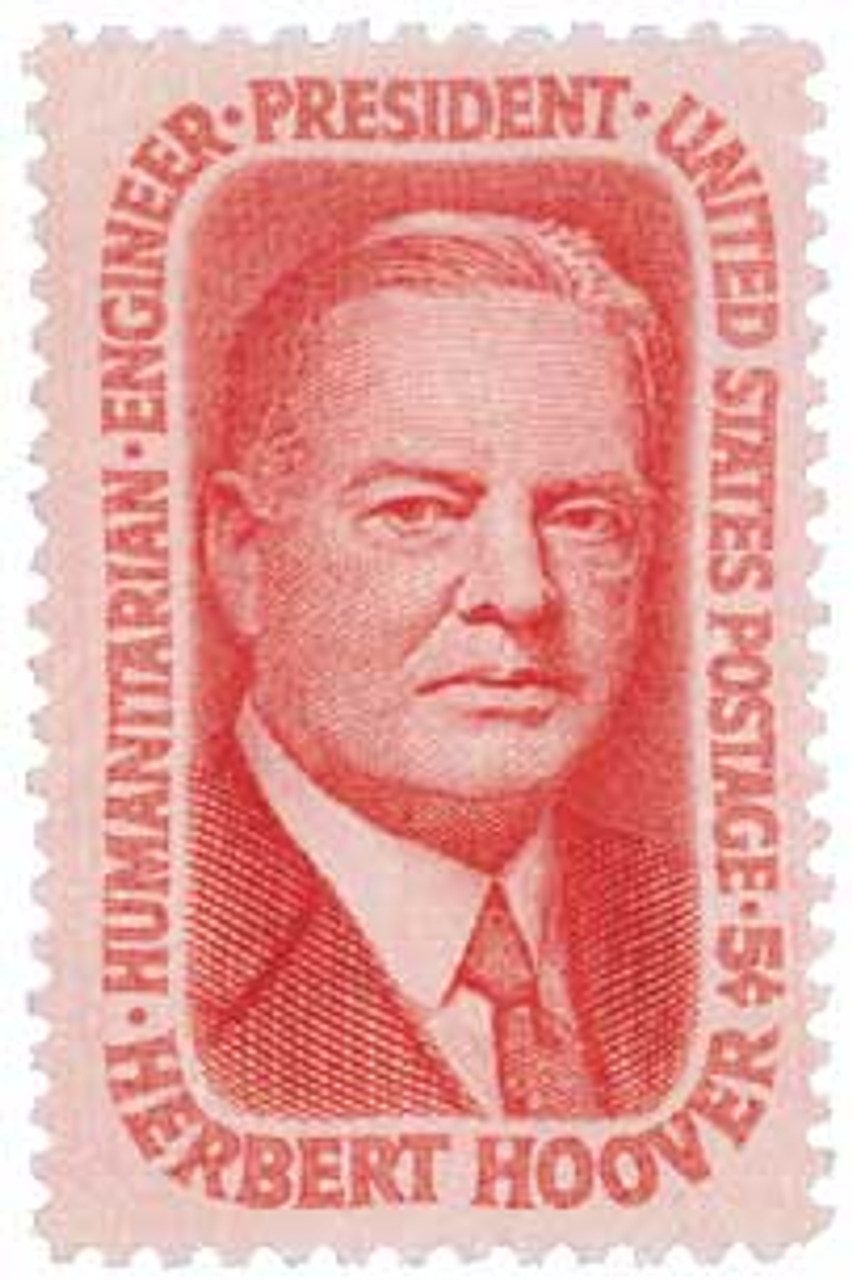
On October 20, 1964, Herbert Hoover, America’s 31st president, died at age 90. Before the Great Depression defined his presidency, he had built a career as a mining engineer and organized relief efforts for people in several countries.
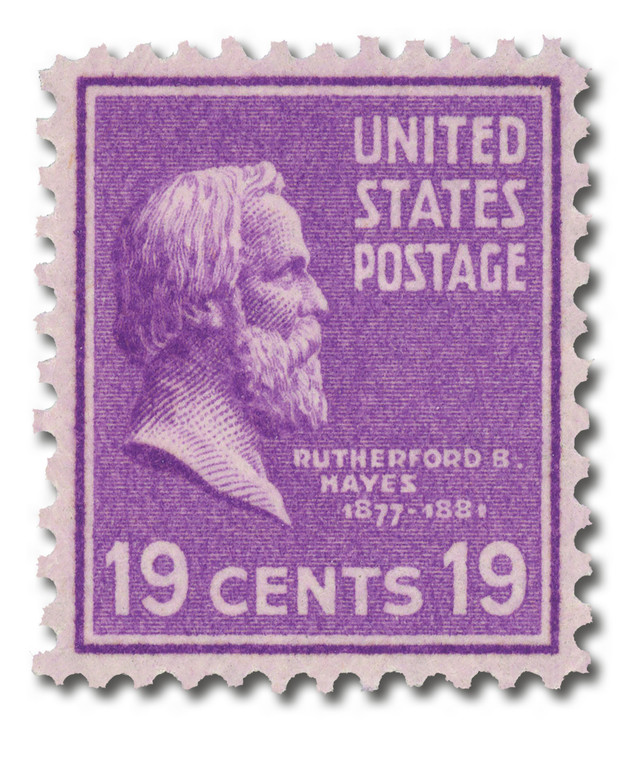
Rutherford Birchard Hayes was born on October 4, 1822, in Delaware, Ohio. He would become president after the nation’s most disputed election of the 19th century, then serve a single term shaped by Reconstruction’s end, civil-service reform, and difficult questions about money, immigration, and racial equality.
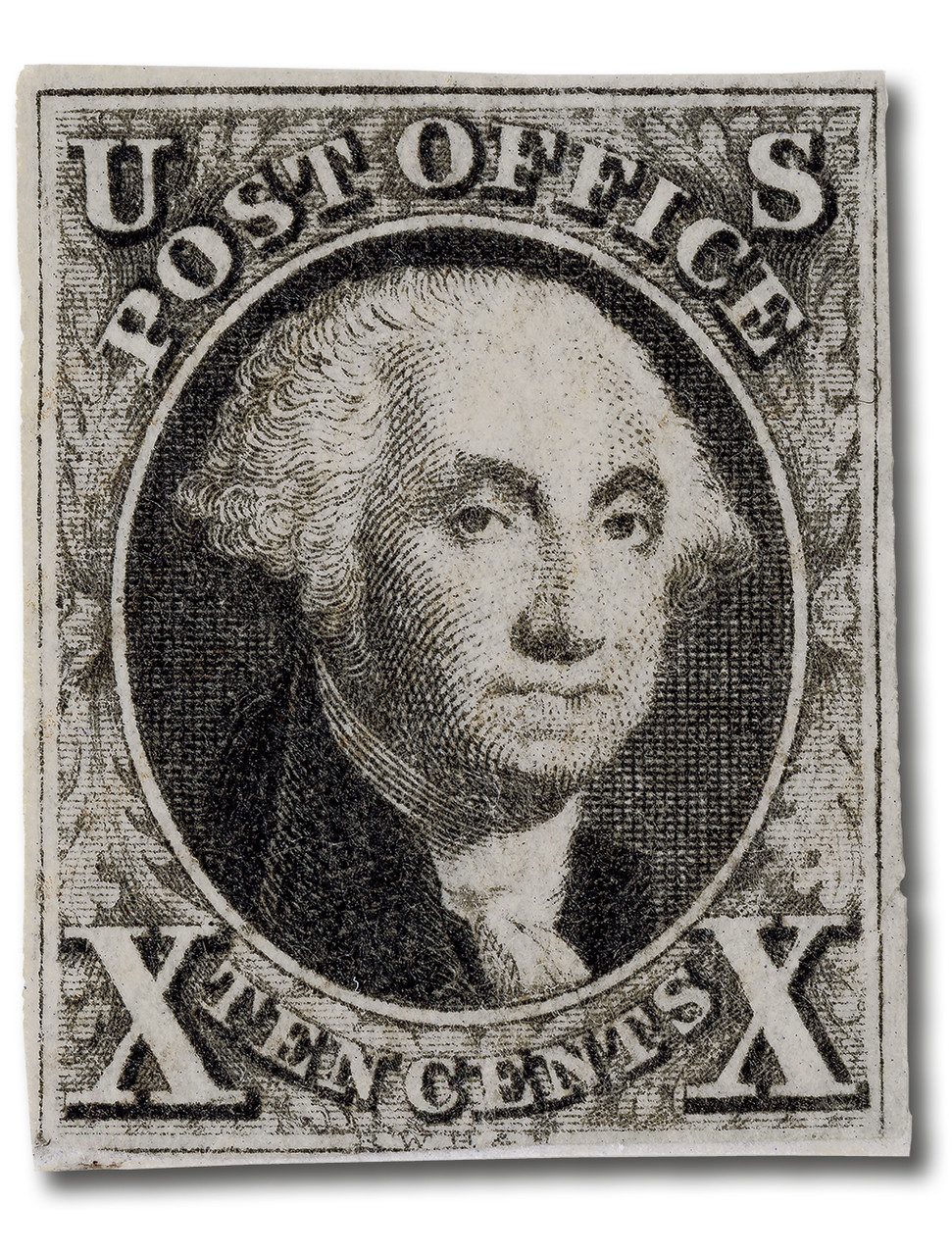
On September 19, 1796, the American Daily Advertiser published President George Washington’s Farewell Address for the first time. It’s considered one of the most important documents in United States history.
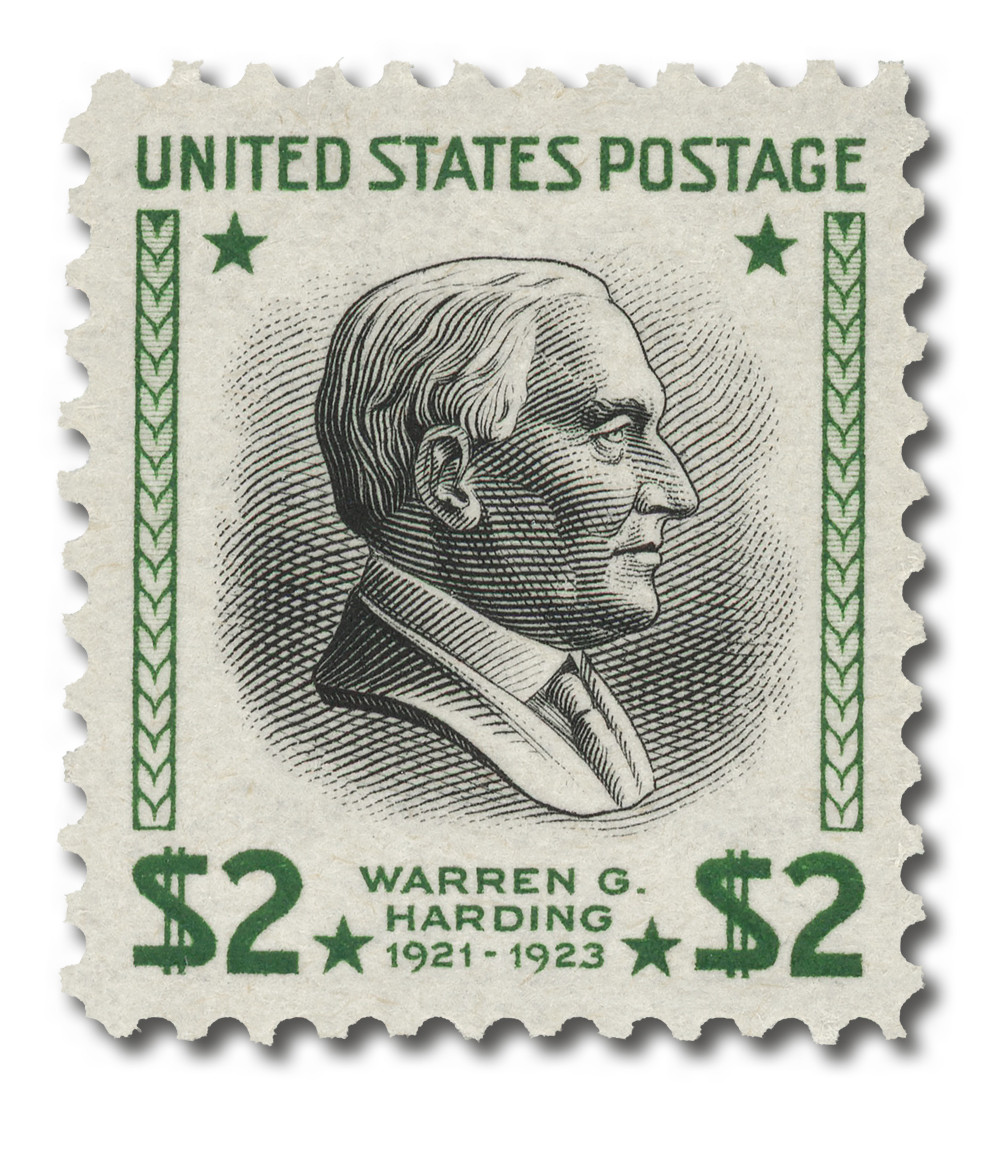
Though he had been in poor health for some time, President Warren G. Harding’s death on August 2, 1923, shocked a nation that had watched him greet cheering crowds only days earlier. The lack of an autopsy, combined with scandals emerging from his administration, soon encouraged rumors that lasted for decades.
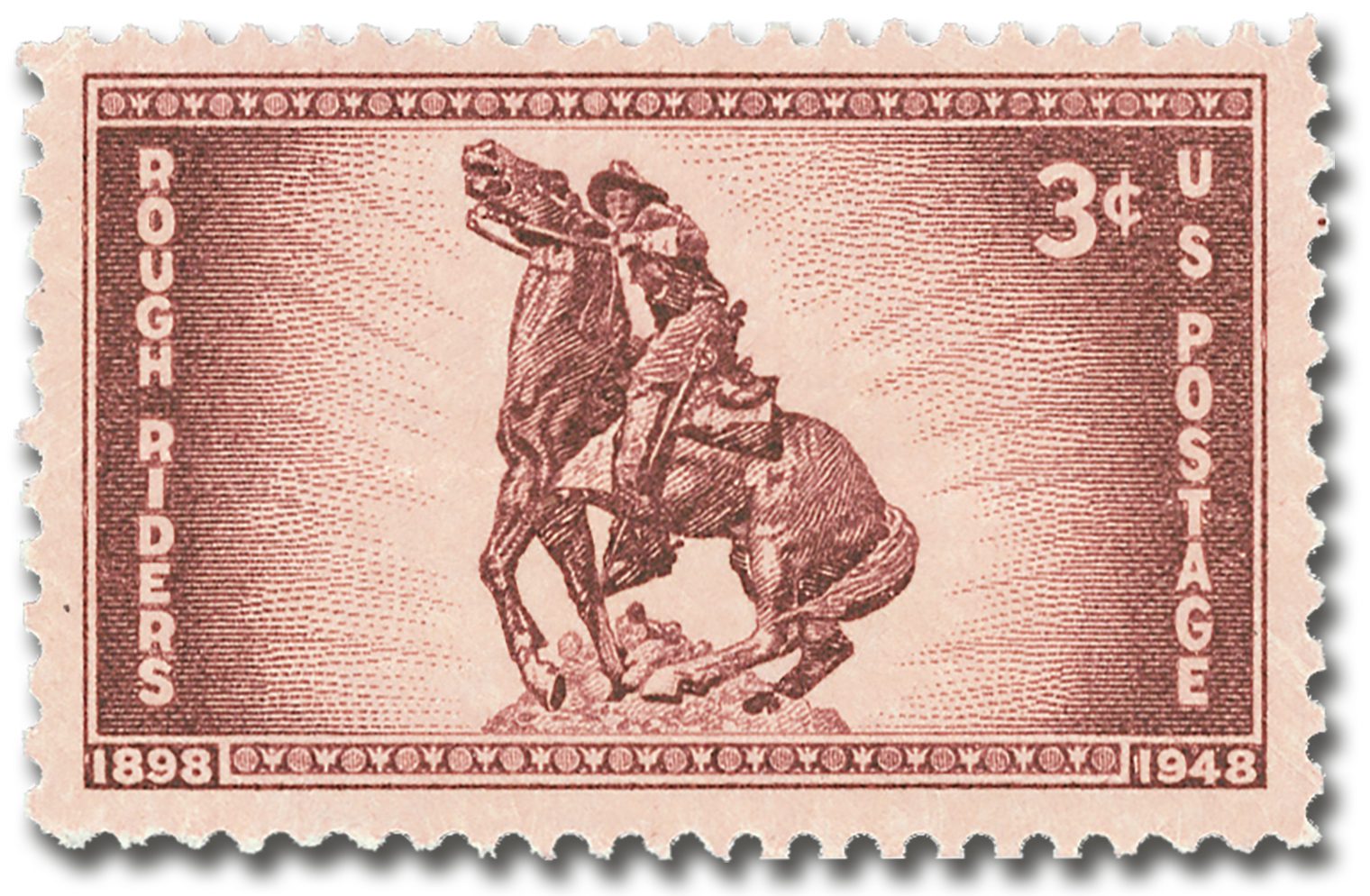
On October 27, 1948, the US Post Office issued a stamp honoring the 50th anniversary of the Theodore Roosevelt’s Rough Riders.
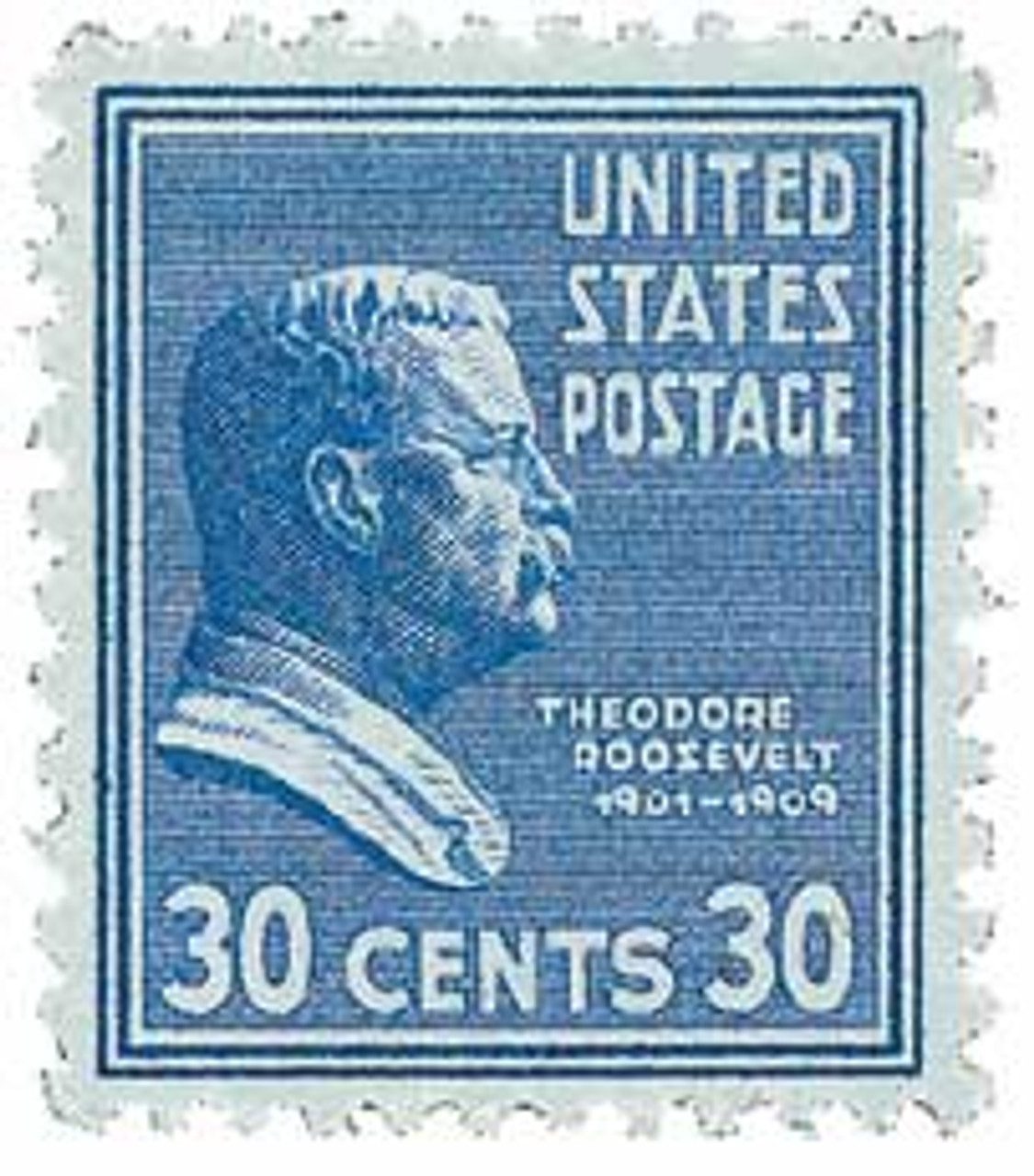
America’s 26th president, Theodore “Teddy” Roosevelt was born October 27, 1858, in New York City. The youngest man to ever hold the office, he considered one of his greatest achievements to be the Panama Canal.
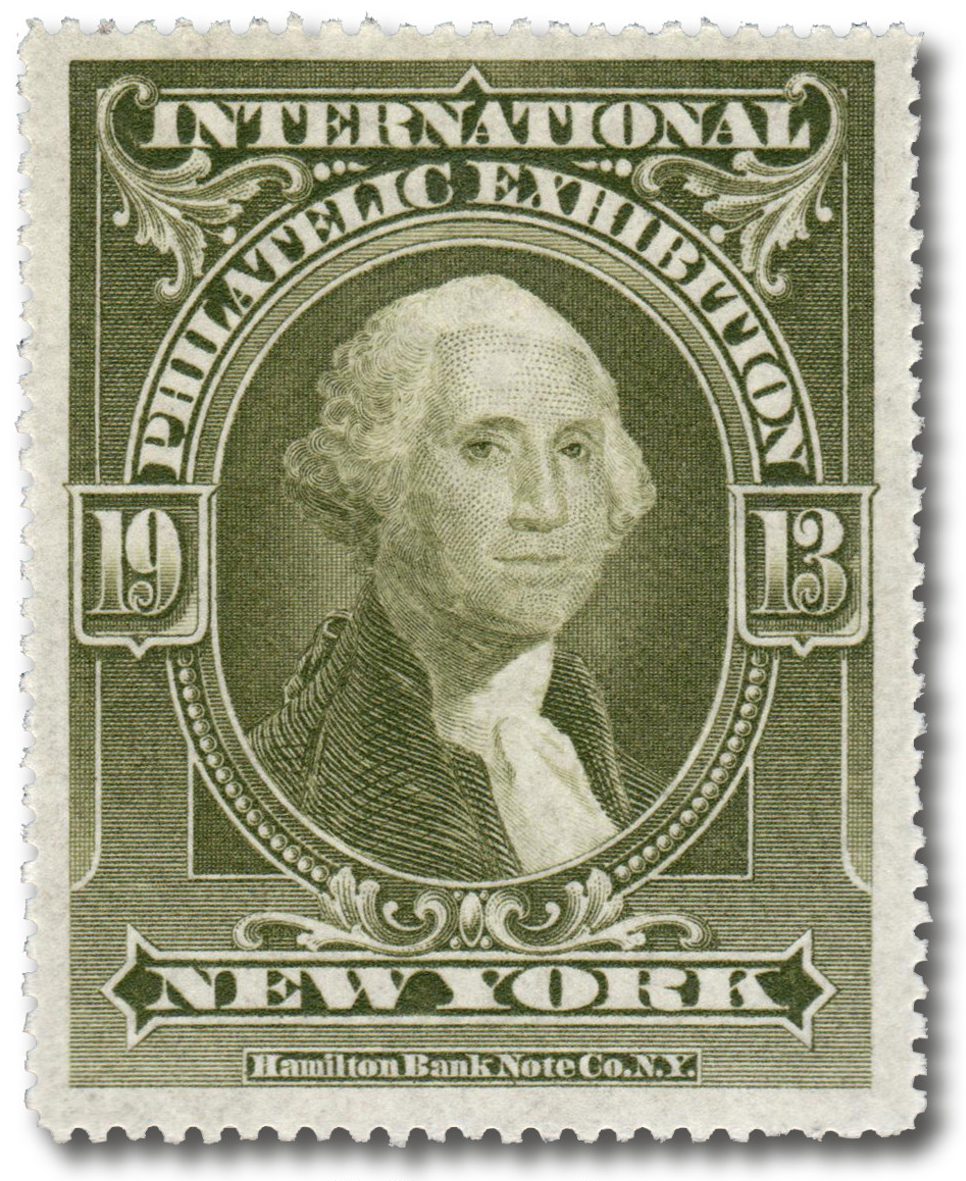
On October 27, 1913, the US hosted its first International Philatelic Exhibition (IPEX). Dubbed the “Great Exhibition,” it received significant praise and was considered a major success.
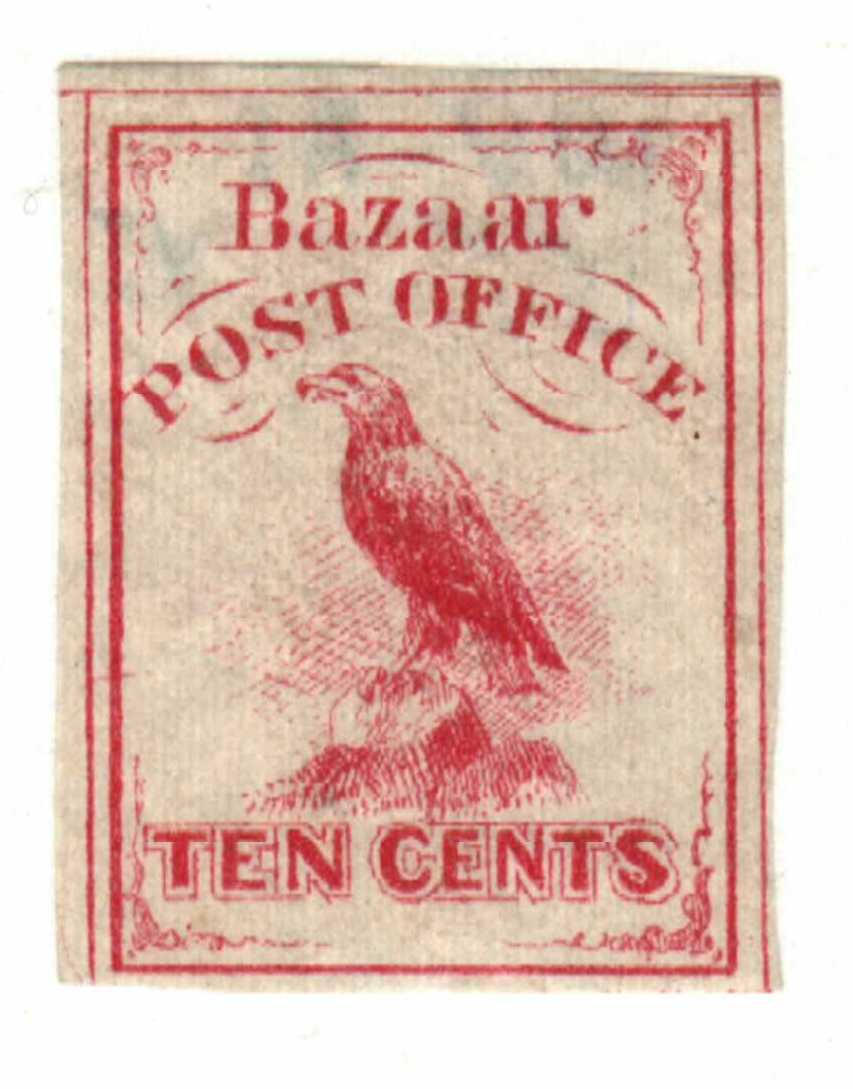
On October 27, 1863, the first major Sanitary Fair was held to raise money during the Civil War. Special stamps were produced and sold at these fairs, which were not valid for use outside of the fairs.
Love history?
Subscribe to get This Day in History stories straight to your inbox every day!