
2-Cent Reds Explained: Why Were So Many 2-Cent Stamps Printed in Red?

When stamp collectors speak of “2¢ Reds,” they’re referring to a colorful chapter in American philatelic history that spans decades of commemorative issues. But why were so many 2-cent stamps printed in red? The answer lies in an international agreement that standardized stamp colors around the world.
The Universal Postal Union’s Color Standards Begin in 1898
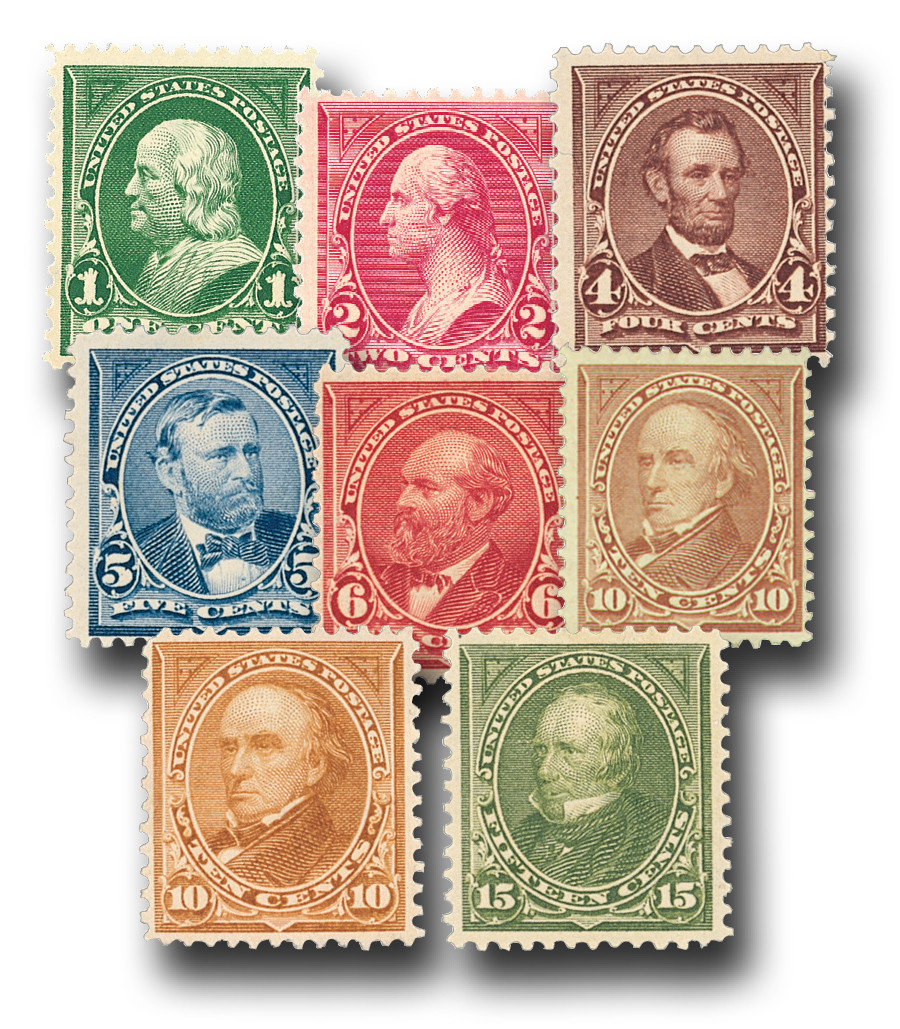
In 1898, the Universal Postal Union (UPU) established guidelines recommending that member countries use standardized colors for stamps of equivalent value. This international organization, founded in 1874 to coordinate postal services across borders, proposed a simple color-coding system: green for the international single printed-matter rate (1¢ in the US), red for the international postcard rate (2¢ in the US), and blue for the international single letter rate (5¢ in the US).
The United States Post Office adopted these recommendations, and on January 17, 1898, issued its first stamps conforming to the new UPU color standards. This established a tradition that would continue for decades.
Why 2-Cent Stamps Mattered
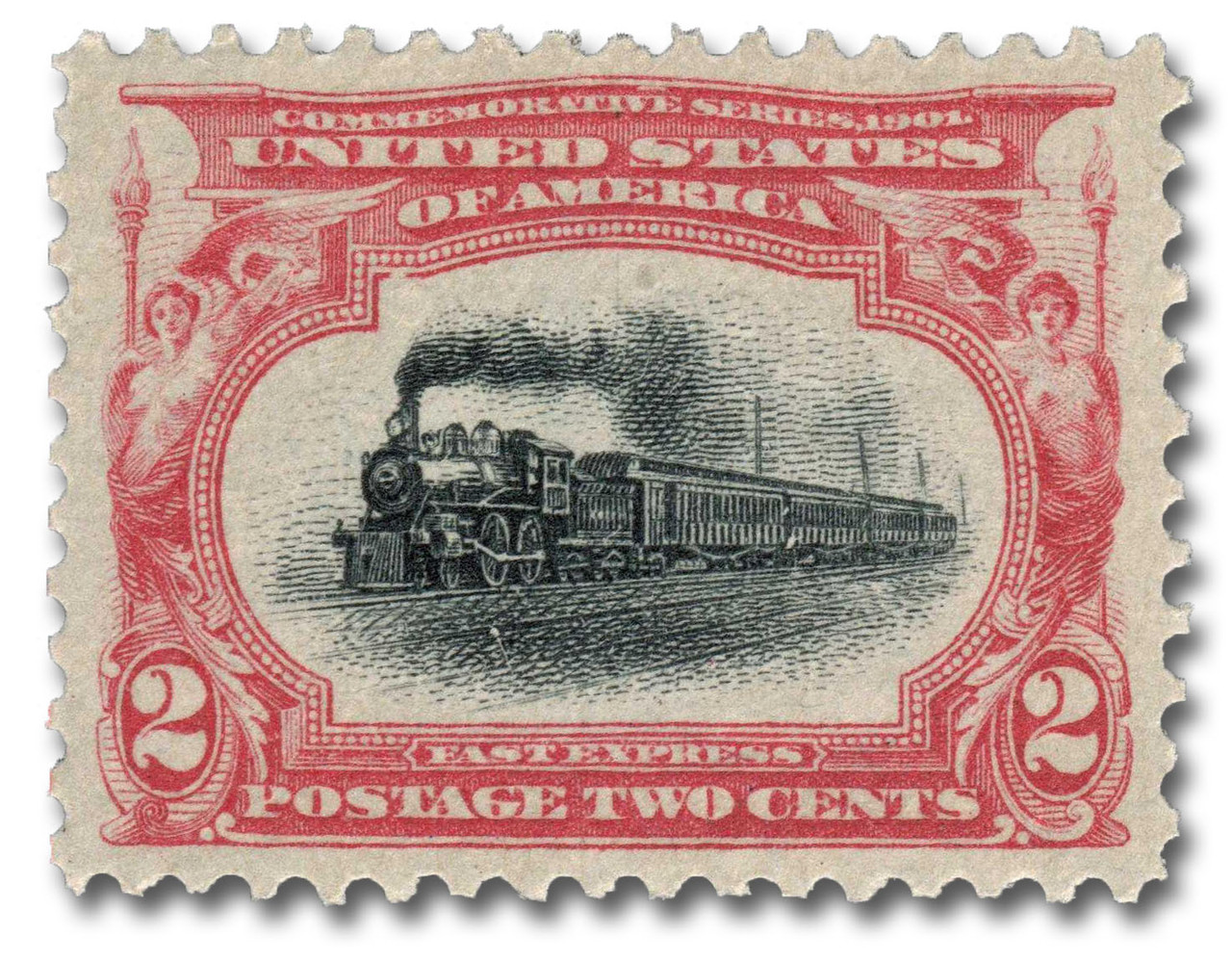
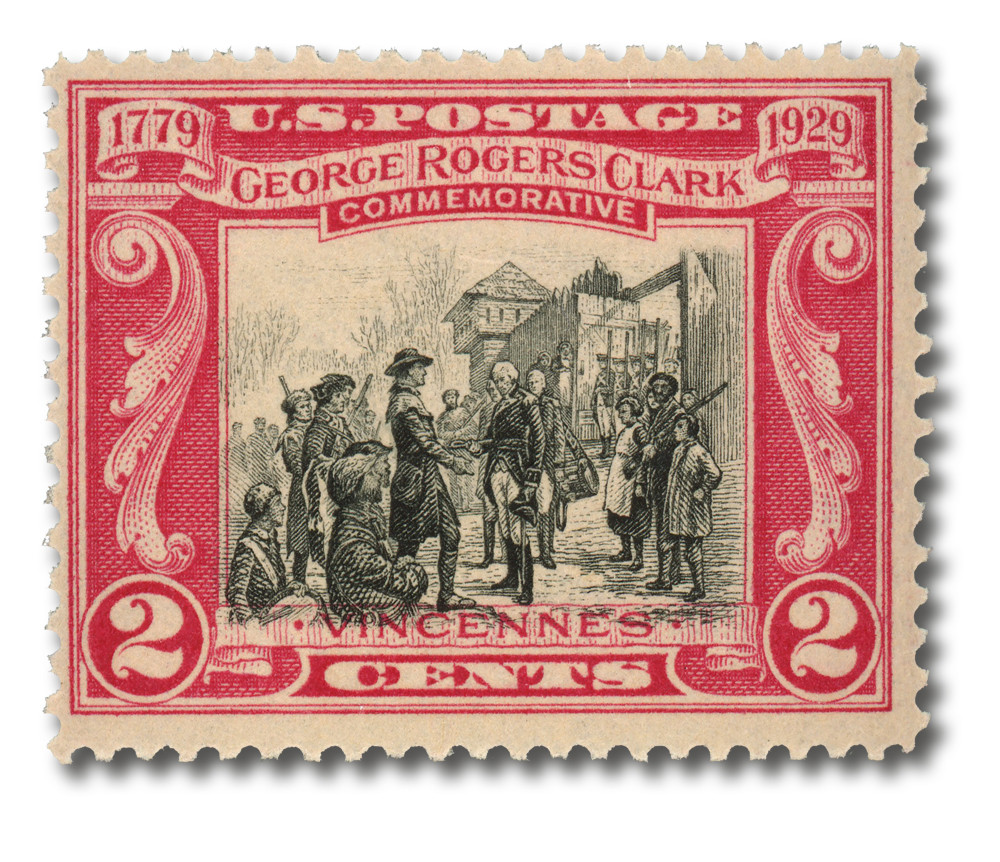
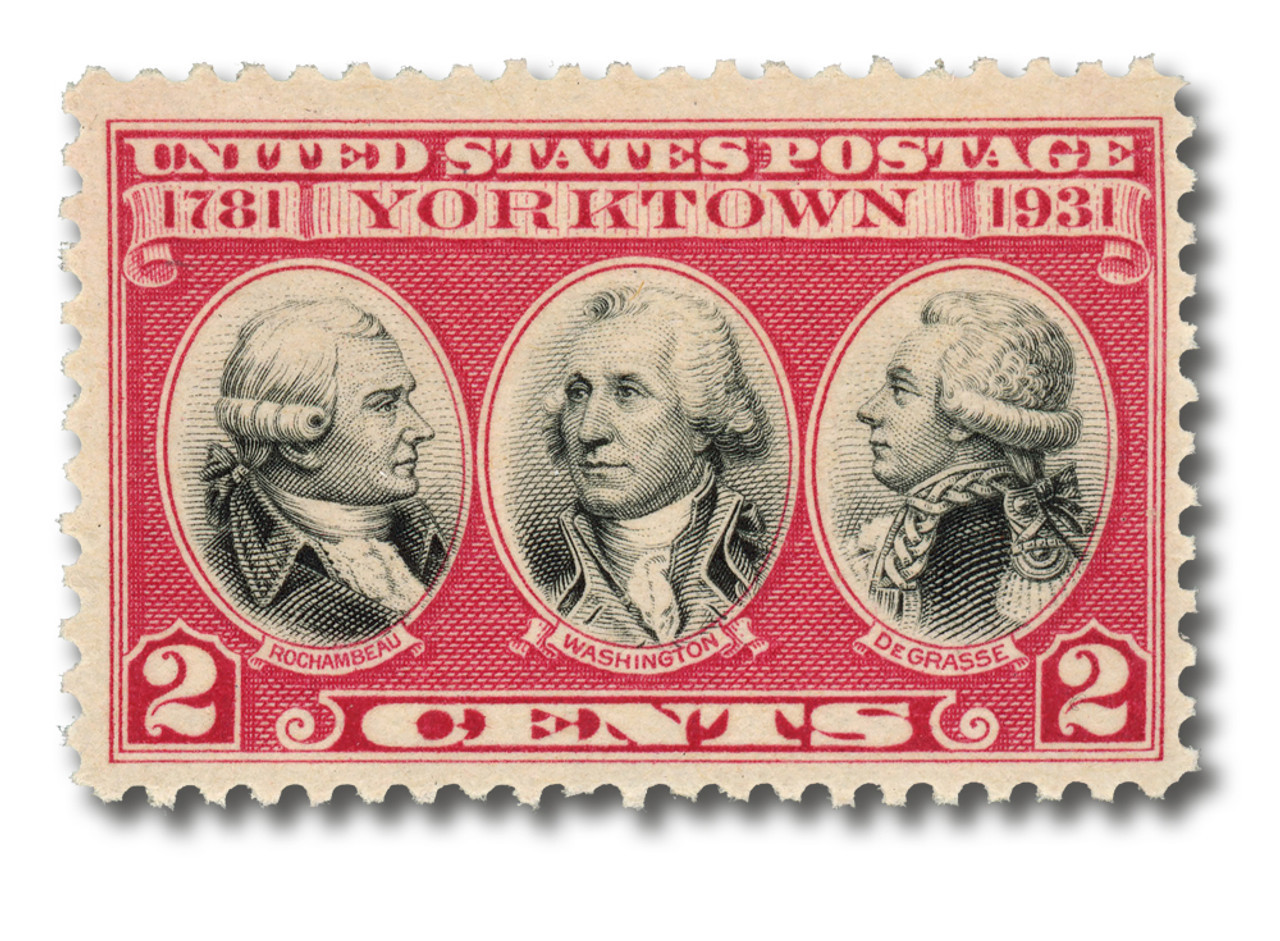
The 2-cent denomination held special significance in American postal history. It served dual purposes: while it matched the international postcard rate giving it the red color recommended by the UPU, it was also used to cover the domestic first-class rate. This made the 2¢ stamp one of the most heavily used denominations in the postal system, with billions of stamps printed to meet demand.
From 1898 through the early 20th century, the tradition of portraying George Washington on the standard letter-rate stamp continued. The 2-cent Washington stamp became a ubiquitous sight on American mail, and its red color—mandated by international agreement—became instantly recognizable.
The 2-Cent Reds Commemorative Stamps Collection
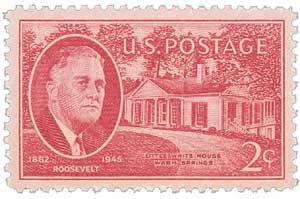
While the term “2¢ Reds” technically applies to any 2-cent red stamp, collectors and dealers typically use it to refer specifically to commemorative issues rather than definitive (regular-issue) stamps.
The extensive Washington-Franklin definitive series (1908-1922), for instance, included numerous 2-cent red stamps depicting George Washington. These definitives, while conforming to the UPU color standard, are generally not included when dealers reference “2¢ Reds” collections. The same applies to other definitive series that featured 2-cent red stamps. Instead, “2¢ Reds” commonly refers to the many commemorative stamps issued during this era—special stamps released to honor specific events, anniversaries, or achievements.
Postal Rate Increase of 1932 Brings About the End of the 2-Cent Reds Era
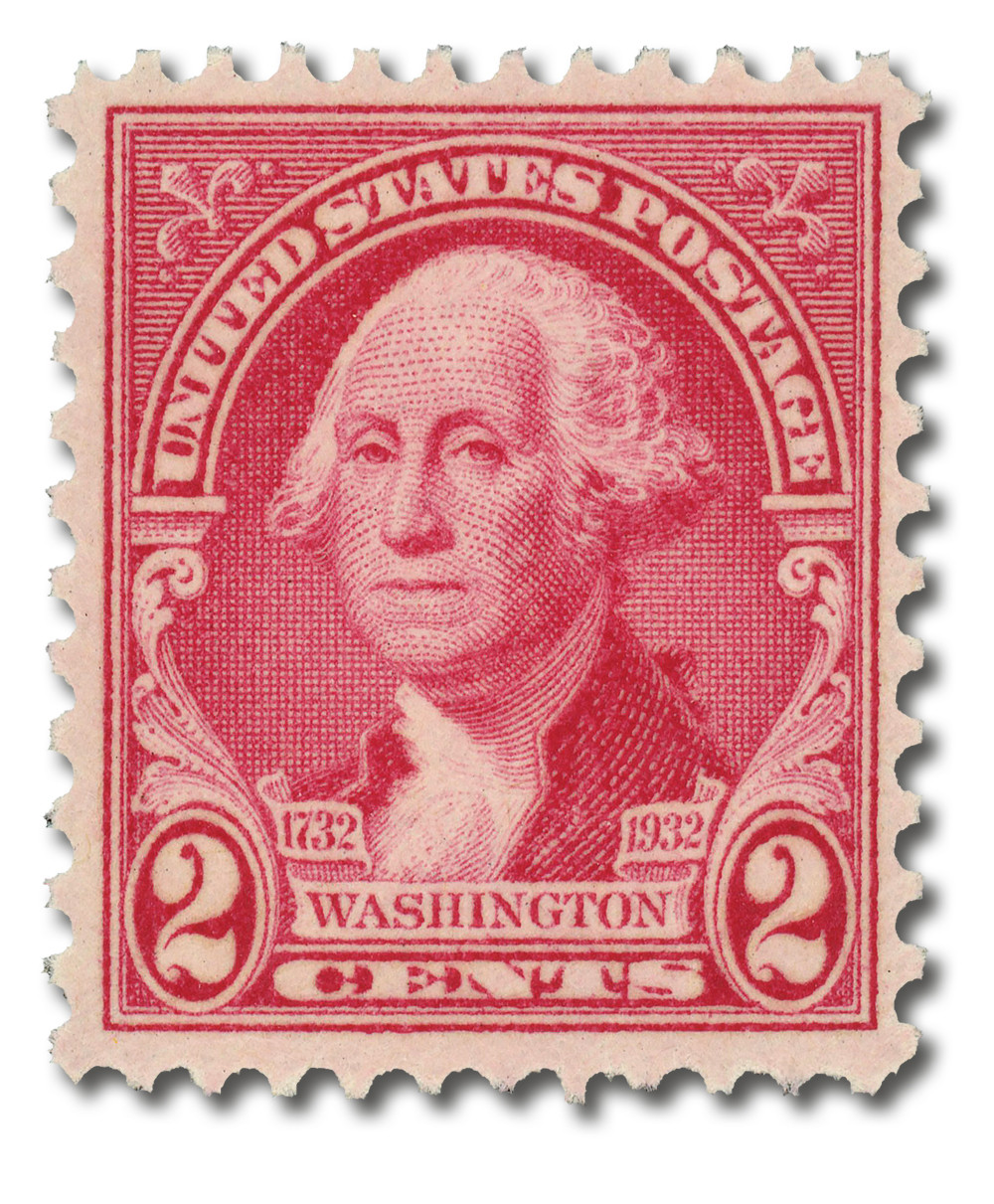
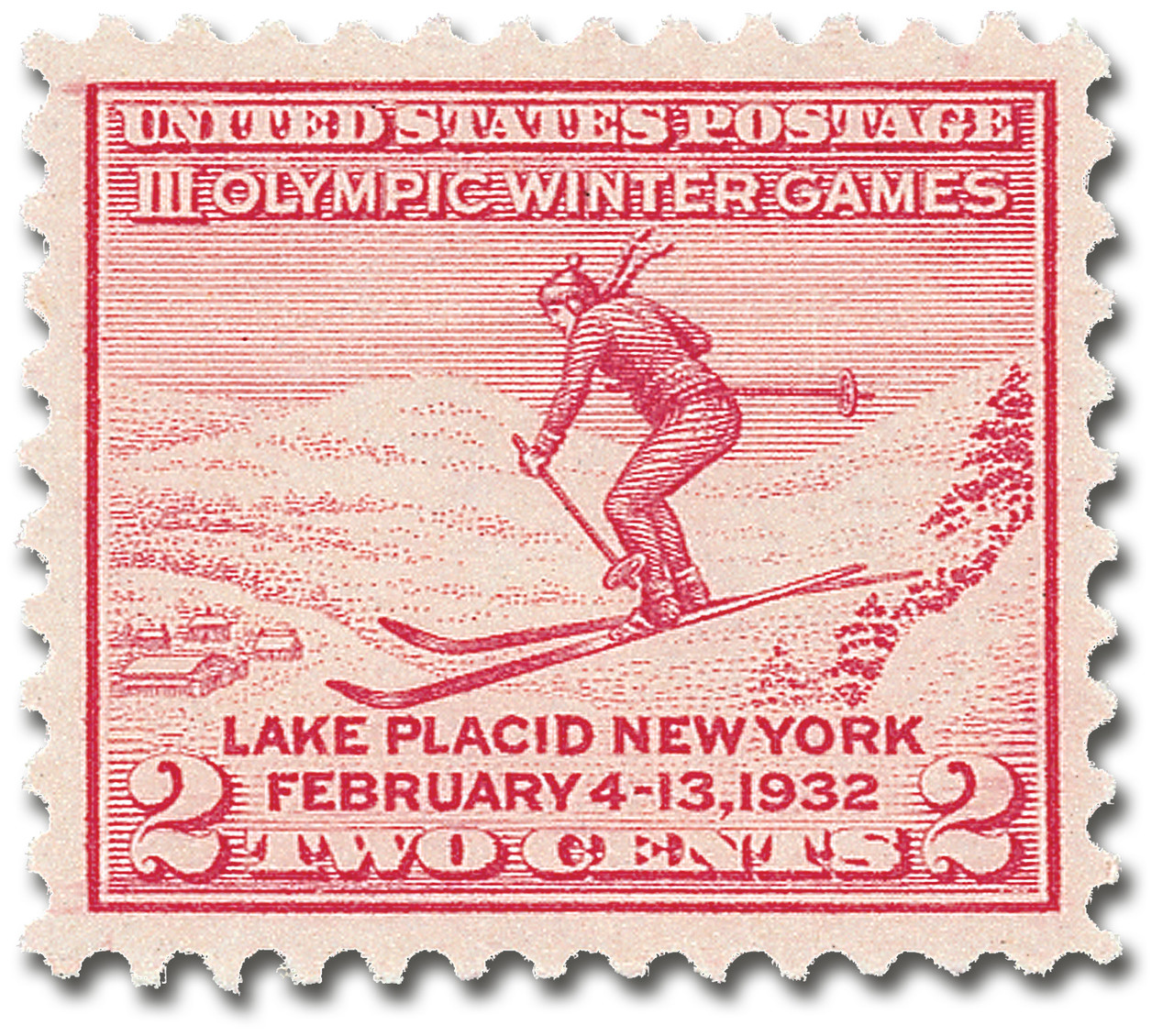
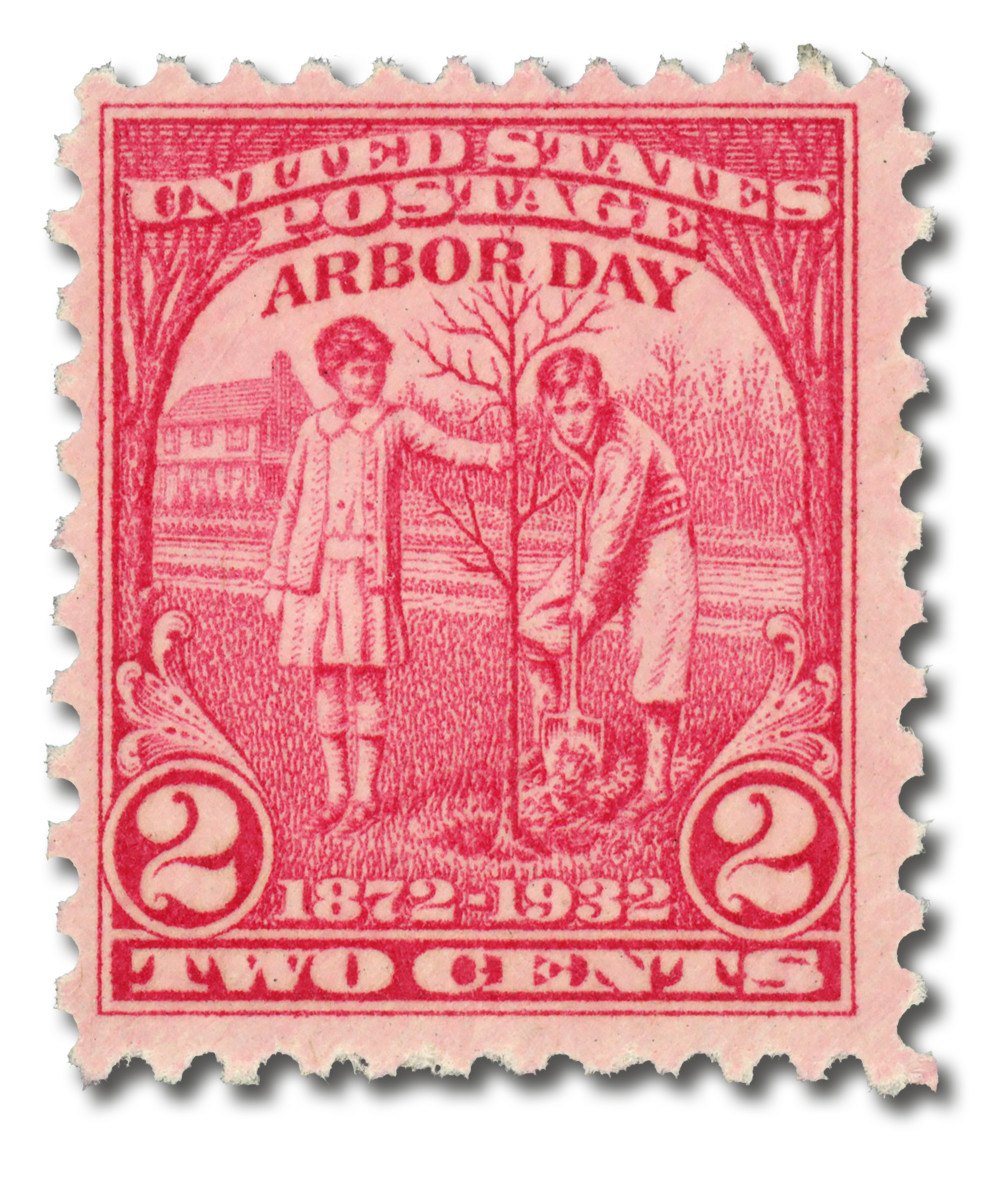
The standardization of stamp colors represented a remarkable achievement in international cooperation. By adopting the UPU’s recommendations, the United States joined other countries in making international mail easier to process and sort. Postal workers in any country could quickly identify a 2-cent stamp by its red color, regardless of the specific design or text.
The 2¢ rate for first-class mail remained in effect for over three decades, lasting until July 6, 1932. The only interruption came during World War I, when the Wartime Emergency Rate increased postage from November 2, 1917 through June 30, 1919. When the first-class rate was finally raised to 3¢ on July 6, 1932, most commemorative stamps shifted from red to purple to reflect the new standard rate. This marked the end of the classic 2¢ Reds era.
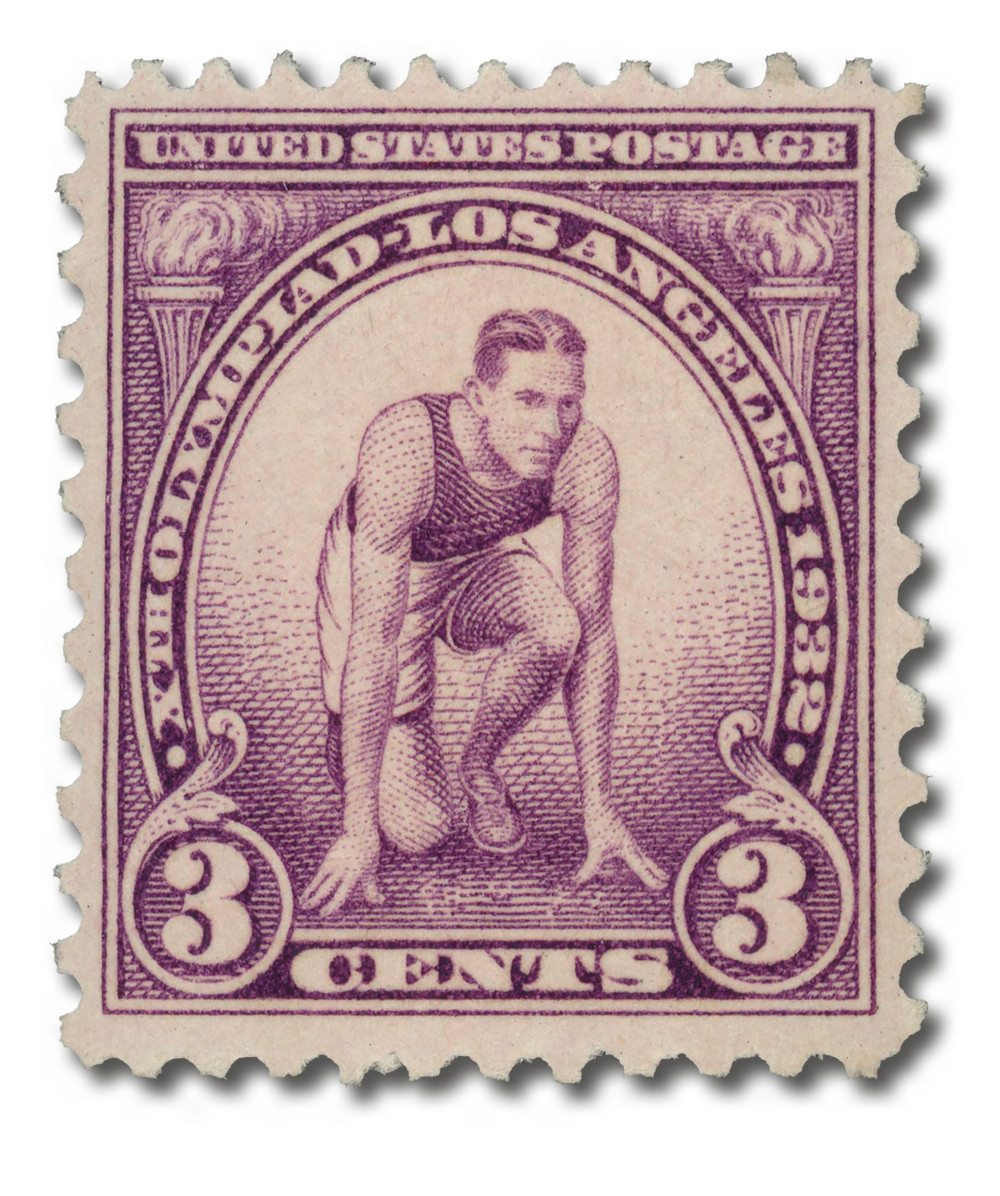
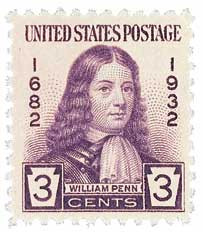
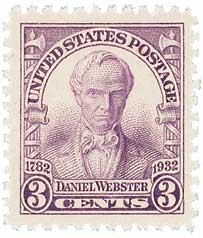
This color-coding system remained influential through the end of World War II, even after postal rates changed and new stamp series were introduced. The 2¢ red stamps of the late 19th and early 20th centuries became some of the most recognizable and widely collected stamps in American philatelic history.
Why Stamp Collectors Still Love 2-Cent Reds
For collectors today, the 2¢ Reds represent not just individual stamps, but a window into an era when international agreements shaped the everyday experience of mailing a letter. Each red 2-cent commemorative tells a story—of the event it celebrated, the time it was issued, and the broader efforts to create a standardized, efficient global postal system.
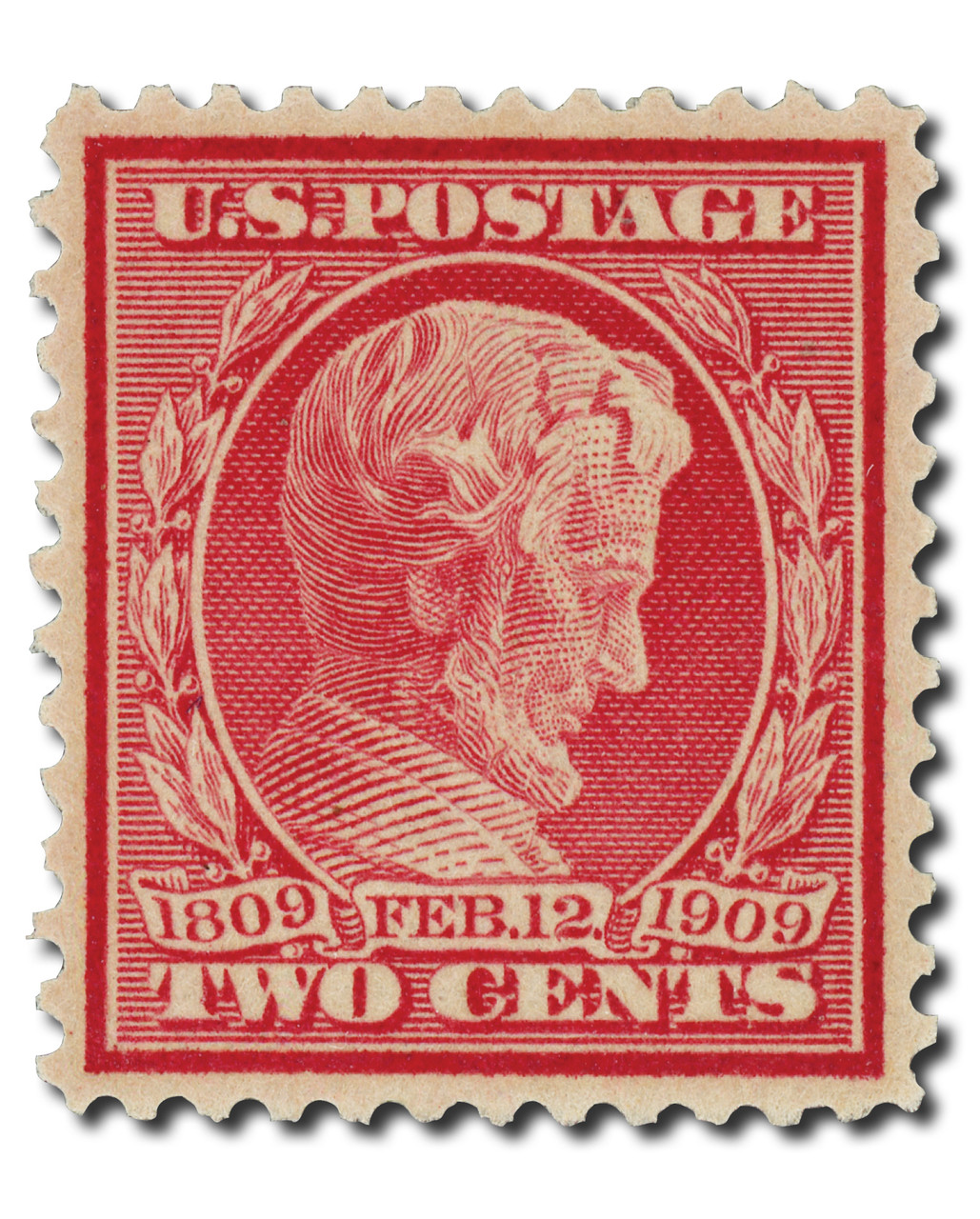
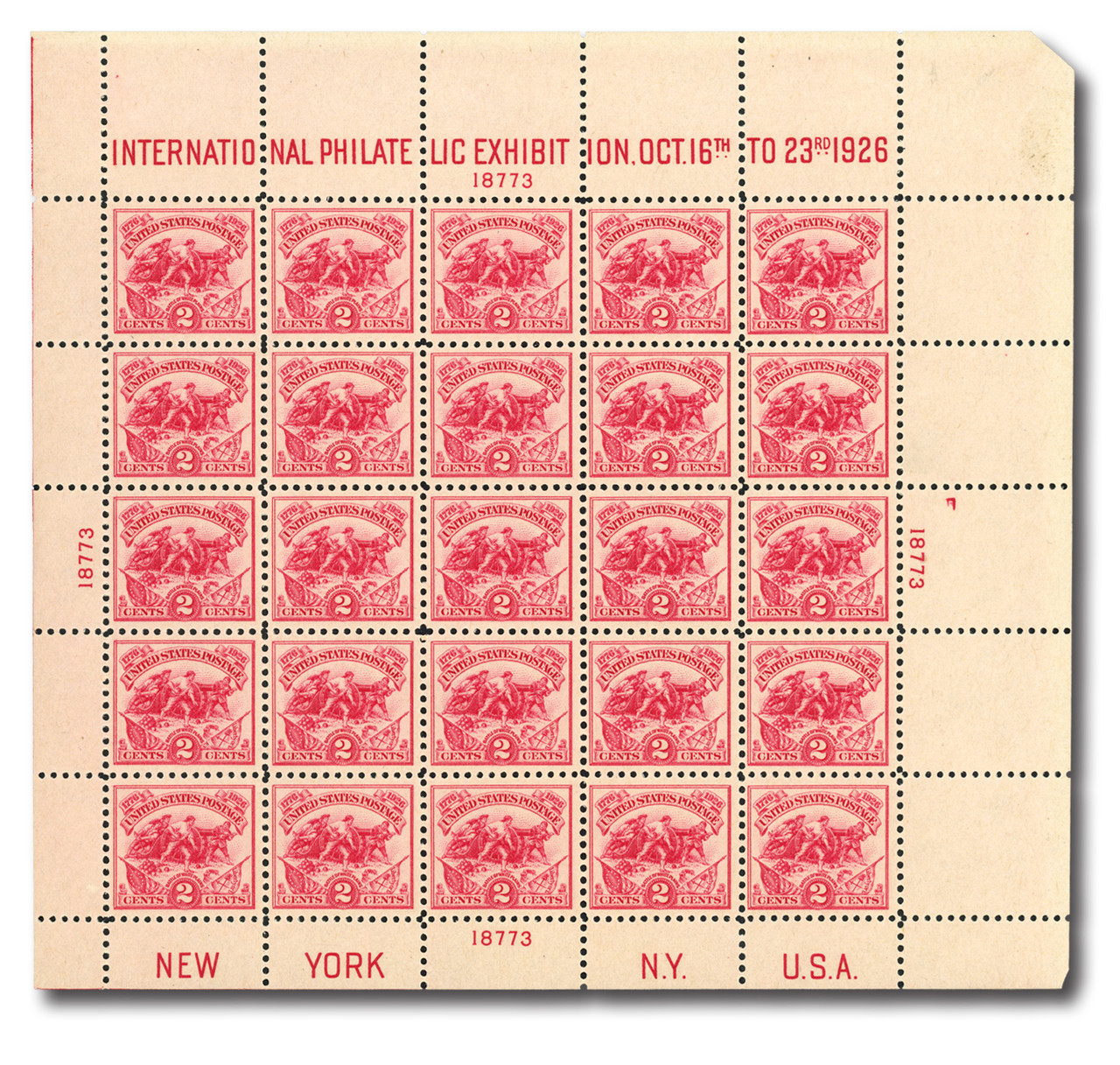
Whether you’re examining a single commemorative or building a complete collection, the 2¢ Reds offer a fascinating glimpse into how international cooperation and American history came together on small pieces of paper that traveled the world.