

What Are Booklet Pane Stamps? Why Collectors Find Them So Interesting
Stamp booklet panes are interesting to collectors because they combine everyday use with design variation and production history. They’re small, practical pieces of postal history that often differ in subtle but meaningful ways from regular sheet stamps.
Booklet pane stamps stand out as a unique and fascinating way to present stamps. Let’s explore the history, features, and appeal of booklet pane stamps, and why they’re a fun addition to your collection.

First Booklet Pane Stamps Issued Over 125 Years Ago
In 1884, a man named Albert W. Cooke of Boston received a patent for a “Book for Holding Stamps.” Cook’s design was for a small book that could fit in a vest pocket that had alternating pages of stamps and paper treated with wax “so that the gummed side of the stamps shall not stick to it under the action of heat or moisture.”
It’s unknown whether or not Cooke shared his idea with the post office at the time, however it would be 16 years before they would adopt a similar idea. By early 1900, Captain P.C. Bane, a bookbinder at the Bureau of Engraving and Printing (BEP) had started creating stamp booklets for his personal use. He would place blocks of stamps in between pieces of cardboard and lunch paper for convenience. He thought it was a good idea, so he shared it with the director of the BEP.
The director agreed it was a good idea and in turn shared it with the post master general. The postmaster agreed as well, and on March 26, 1900, ordered that stamp books be prepared for public use. On April 18 (some sources say April 16), the first US stamp books were placed on sale for the public. The post office offered the books in three sizes. Each book only had 2¢ stamps, but customers could choose between 12, 24, and 48 stamps in a book. The books were sold at 1¢ over the face value (so the 12-stamp book sold for 25¢, etc.)

Each book contained sheets of six stamps with paraffined paper between them to prevent sticking. The cardboard covers had domestic and foreign postage rates printed on them, as well as information about the money order and registry systems. The books proved to be very popular with the general public and several post offices sold out of their supplies on the first day they were placed on sale. In the coming months, the post office quickly perfected their system for making the books and were able to produce 20,000 per day at a cost of $3.85 per thousand.
The stamps used for the first run of books were Scott #279Bj, the red 2¢ Washington from the Universal Postal Union Colors series. In January 1903, the booklets were made with the new ornate 2¢ Washington flag stamp, #301c. However, the regular #301 stamp had proven unpopular and was redesigned, with a shield replacing the flags that flanked Washington’s portrait, and the book stamp #319g was issued that December.
What Makes Booklet Pane Stamps Special?
Booklet panes were designed for convenience. People bought them at post offices, tucked them into wallets or purses, and used them gradually. Because of that intact panes (especially older ones) survived in much smaller numbers. Many panes were broken up and used.
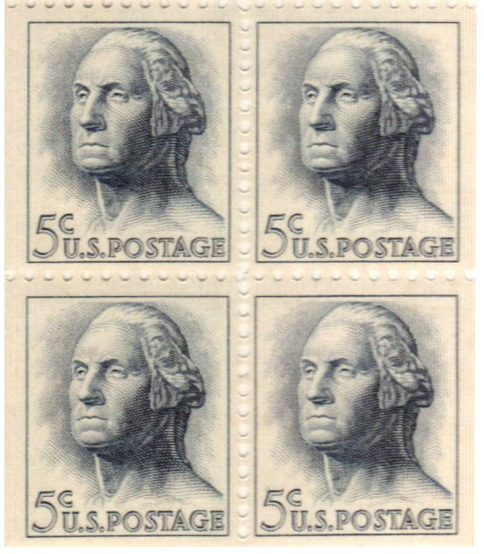
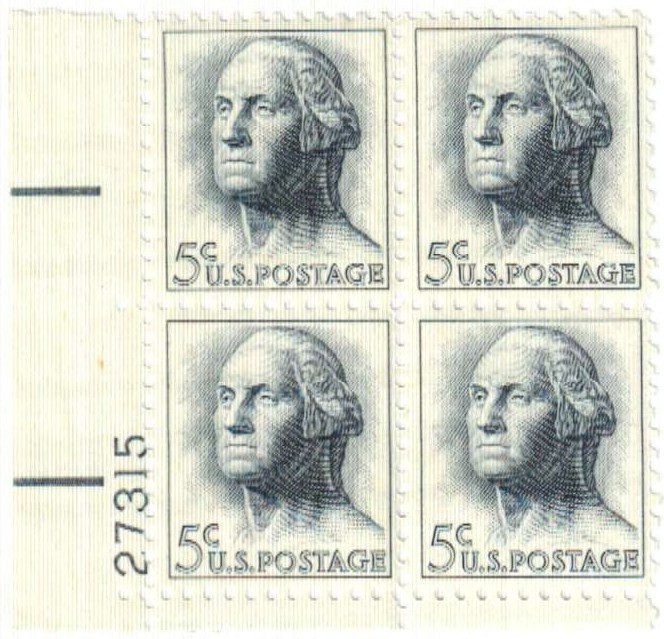
The stamps within a booklet pane are usually perforated, allowing for easy separation. This feature ensures that stamps can be used individually without damaging the remaining ones.
Some booklet panes have been issued as “Prestige Booklets,” special limited editions with higher value. These special releases may commemorate significant events, anniversaries, or notable figures.
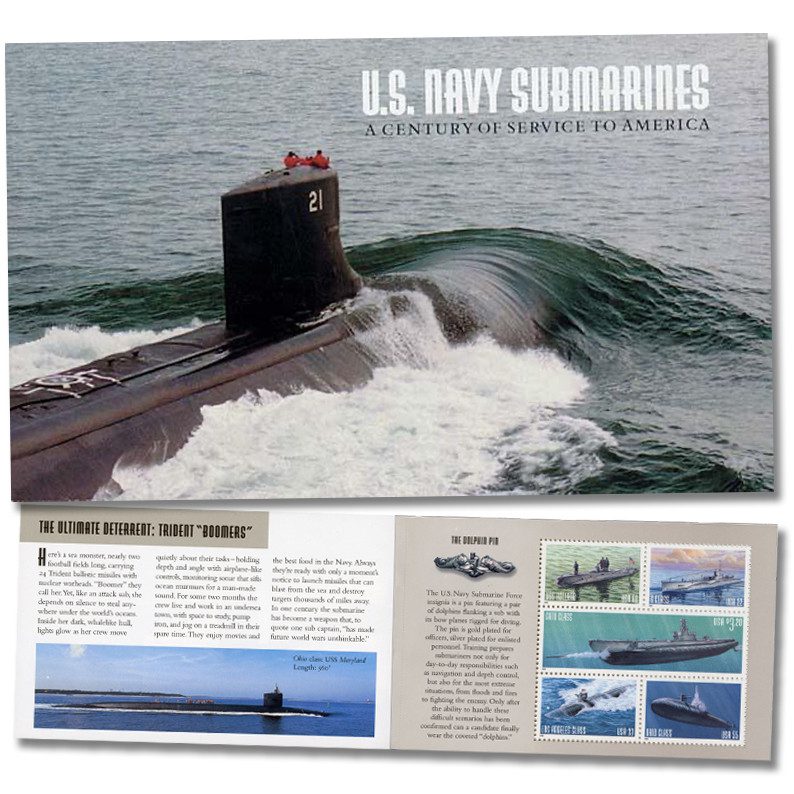
Issued in 2000, the US Navy Submarines unique Prestige Booklet is the first ever created by the United States. It contains two panes of five stamps each, full-color photographs of submarines, an informative history and a decorative selvage. Each of the stamps showcases a different class of submarine, providing a wonderful overview of the U.S. fleet.
The Allure of Booklet Pane Stamps
For collectors, booklet pane stamps offer a blend of historical significance, design uniqueness, and practical utility. Here’s why they are highly sought after:
- Historical Context: Booklet pane stamps provide a glimpse into the postal history of a country. They reflect the changing needs of postal services and the evolution of stamp design over time.
- Aesthetic Appeal: The compact and often artistic presentation of booklet panes makes them visually appealing. Collectors appreciate the creativity and effort that go into designing these miniature works of art.
- Rarity and Value: Limited edition booklet panes and those from earlier periods can be rare and valuable. Collectors are willing to invest in these items to enhance the prestige and worth of their collections.
- Completeness: For those aiming to have comprehensive collections, booklet panes are an essential component. They add completeness and depth, showcasing the diversity of stamp formats.
Notable Examples of Booklet Pane Stamps
Several booklet pane stamps have gained prominence in the philatelic world. Some notable examples include:
- The 1900 2-Cent Washington Pane: One of the earliest US booklet panes, featuring striking designs of George Washington.
- The 1903 2-Cent Shield Issue: These booklet panes were among the first to be issued, showcasing the emblematic American shield design.
- The Modern Forever Stamp Booklets: These booklets are popular for their convenience and contemporary designs, often celebrating cultural and national themes.

Conclusion
Booklet pane stamps represent a fascinating aspect of philately, blending practicality with artistry. Their historical significance, unique designs, and collectible value make them a cherished addition to any stamp collection. As postal services continue to innovate, booklet panes will undoubtedly remain a beloved format for both casual and serious collectors alike.
Whether you’re a seasoned philatelist or just starting, exploring the world of booklet pane stamps can provide a deeper appreciation for the rich history and beauty encapsulated in these small but significant pieces of postal heritage.