Lunar New Year Stamps: A Collector’s Guide to USPS Chinese Zodiac Issues and Series
The Lunar New Year is a major seasonal holiday observed across many Asian cultures and communities, marking the start of a new year on lunisolar calendars, inspiring a long-running USPS Lunar New Year stamp program for stamp collectors. It’s celebrated with family gatherings, feasts, and traditions meant to welcome good fortune—like cleaning the home to “sweep out” the old year, decorating with red, giving red envelopes, and enjoying lion and dragon dances. Because it’s celebrated in many places, the customs and even the name can vary (for example, Chinese New Year, Seollal in Korea, and Tết in Vietnam), but the shared themes are renewal, gratitude, and a hopeful beginning.

The US Postal Service first recognized the Lunar New Year with the issuing of a stamp honoring the Year of the Rooster on December 30, 1992. The popularity of this stamp launched a full run of zodiac-themed designs known as the Chinese New Year Series. A second series, the Celebrating Lunar New Year Series, started in 2008 when a new 12-year cycle of the zodiac began. Immediately following this series is the current Lunar New Year Series, which is expected to run through 2031.
Chinese New Year Stamp Series (1992-2006)
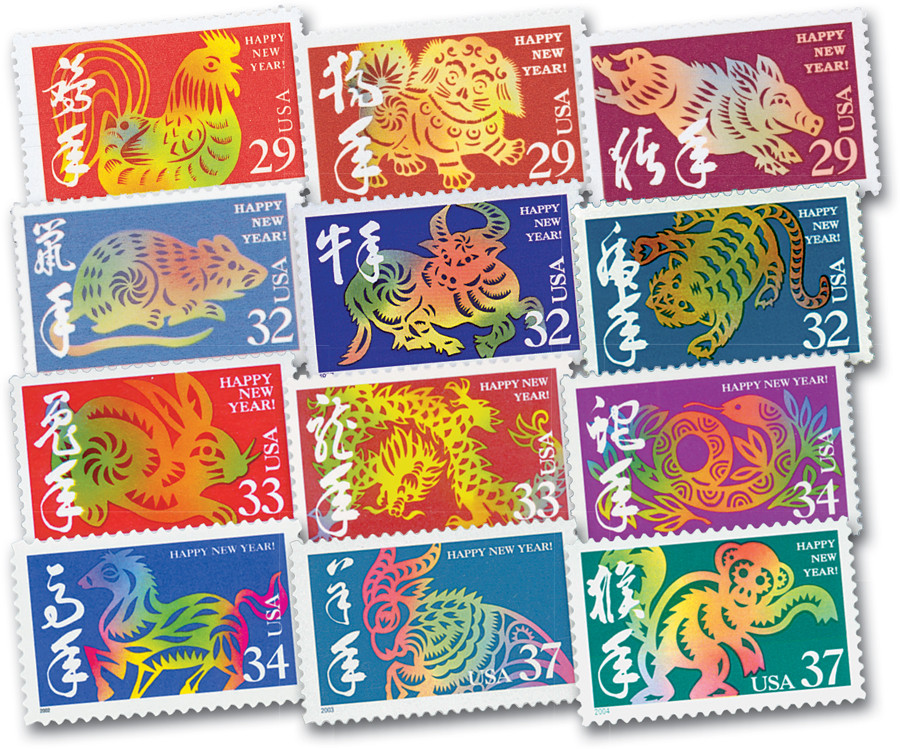
The first US Chinese New Year stamp series began as something much smaller. On December 30, 1992, the US Postal Service issued a 29¢ “Happy New Year / Year of the Rooster” stamp in San Francisco, marking the agency’s first Chinese New Year stamp. The design, by Honolulu artist Clarence Lee, leaned into a distinctly Chinese visual language—bold red, a paper-cut style look, and Chinese characters alongside the English greeting. What’s especially interesting is that the Rooster stamp was initially planned as a one-off, with no firm plan for additional Lunar New Year stamps at the time.
But the Rooster’s popularity changed everything. Demand was strong enough that USPS quickly saw there was an audience for an ongoing zodiac-themed program, and the Rooster effectively became the kickoff for the first long-running Lunar New Year Series in the US. Lee ultimately went on to design the stamps for the full twelve-animal run of that first series, giving it a consistent, recognizable look that collectors still associate with the “original” US Chinese New Year stamps.
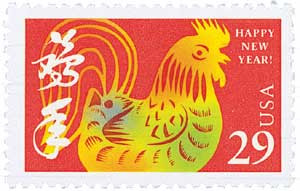
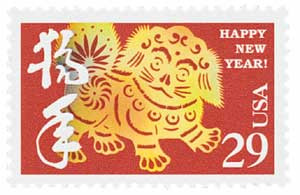
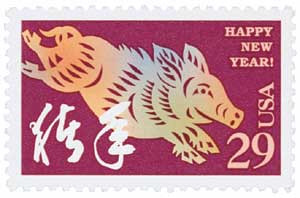
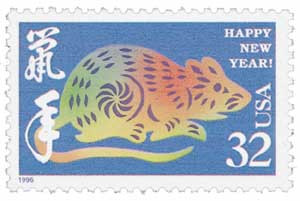
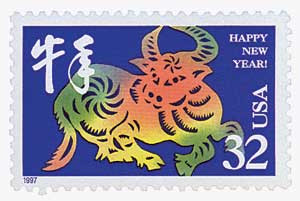
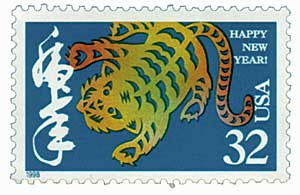
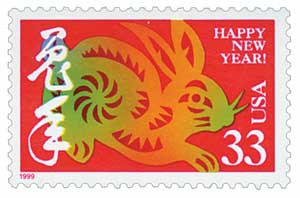
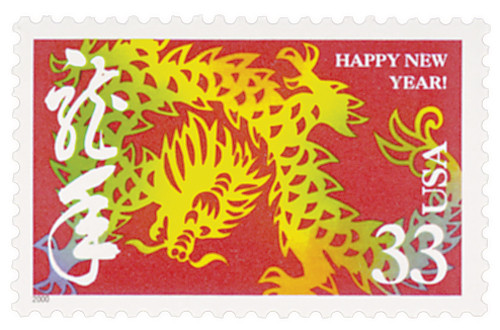
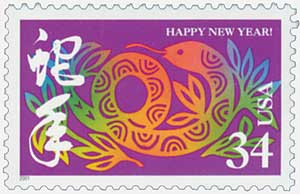
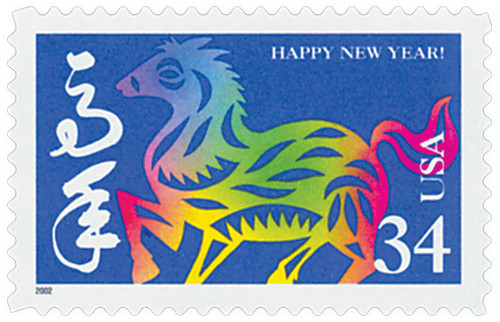
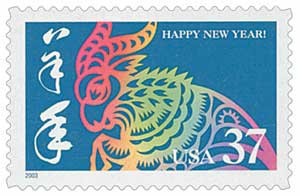
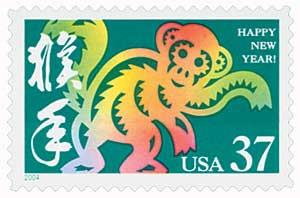
After the original zodiac series finished, US Postal Service brought the full set back as a special Lunar New Year souvenir sheet issued on January 6, 2005 in Honolulu. For cultural reasons, it was created as a double-sided pane of 24—the same 12 zodiac stamps printed on each side. That format also neatly avoided an unlucky total: at the 37¢ rate, one set of 12 would add up to $4.44, and “4” is traditionally seen as an unlucky number in many East Asian cultures. Two sets made the face value $8.88, with the number “8” often linked with good fortune.
The next year, following a rate-change, the US Postal Service issued another souvenir sheet that gathered the zodiac designs together: a 39¢ Lunar New Year sheet of 12 stamps. The first day of issue ceremony was held in Washington, DC on January 29, 2006, with nationwide sales beginning the next day. With the added 2¢ for each stamp, the sheet cost $4.68, which was deemed a culturally acceptable price, and was cheaper to produce than a two-sided sheet.
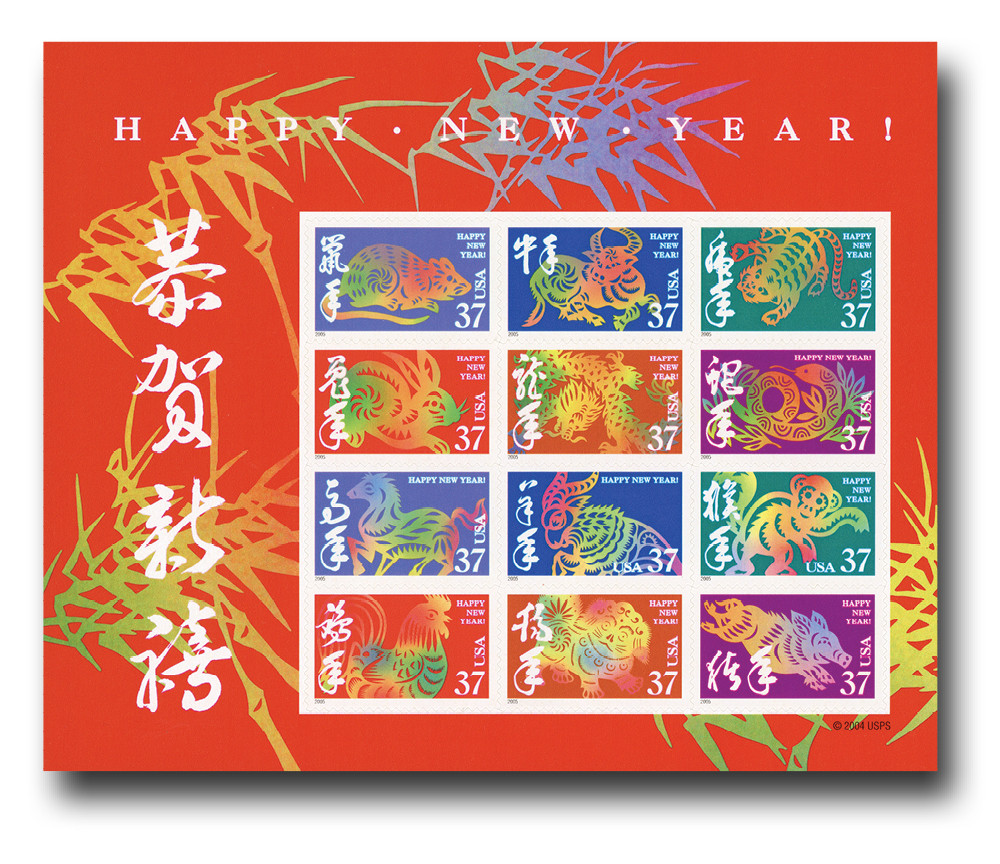
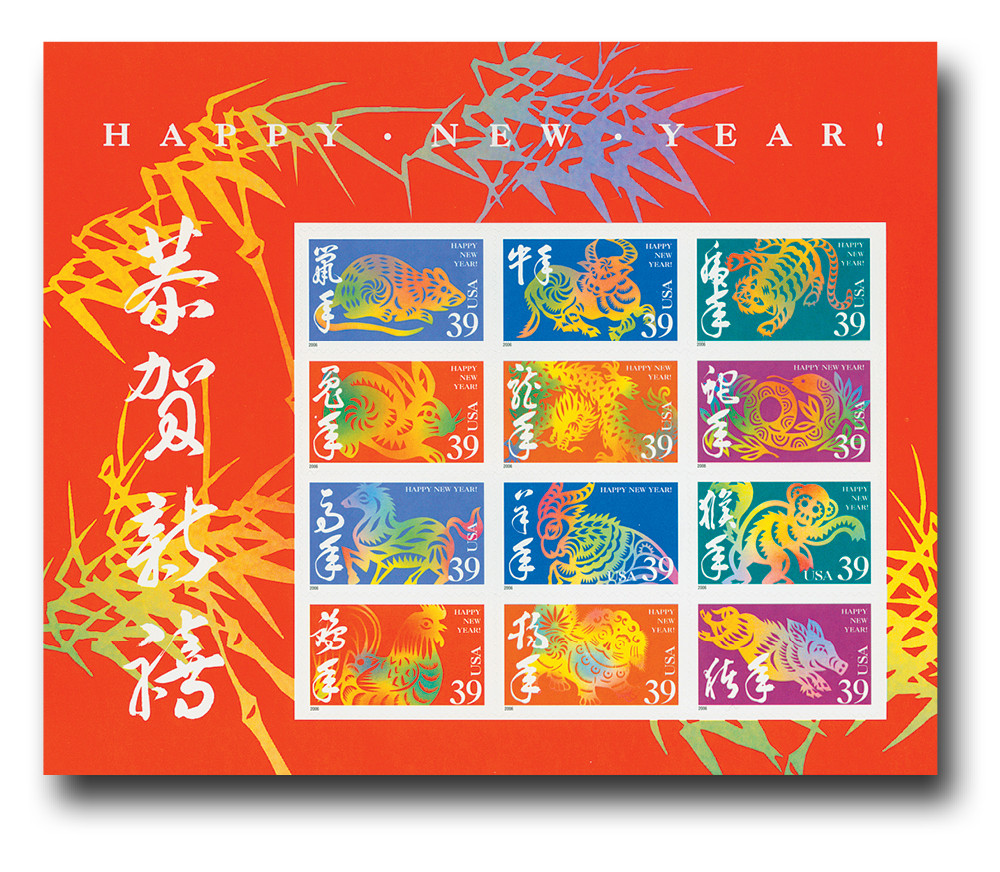
Celebrating Lunar New Year Stamp Series (2008-19)
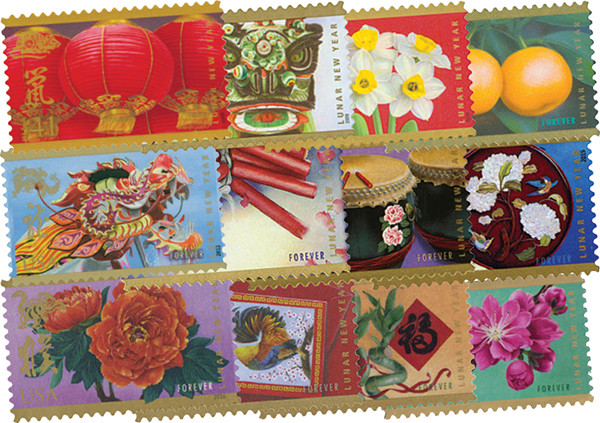
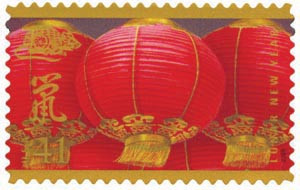
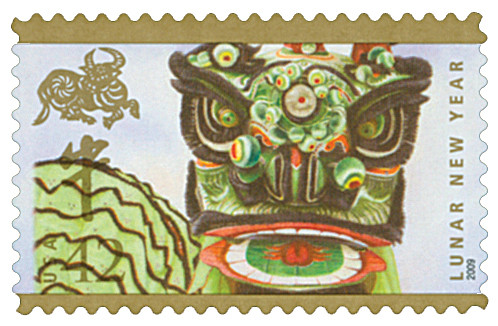
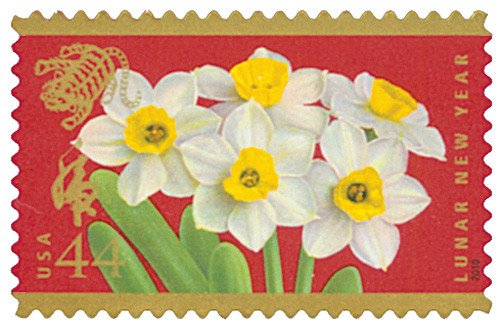
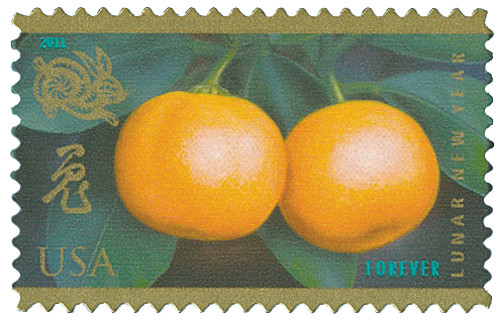
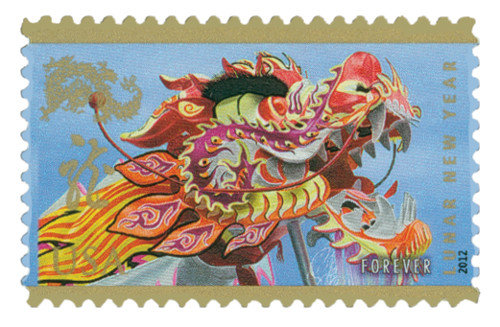
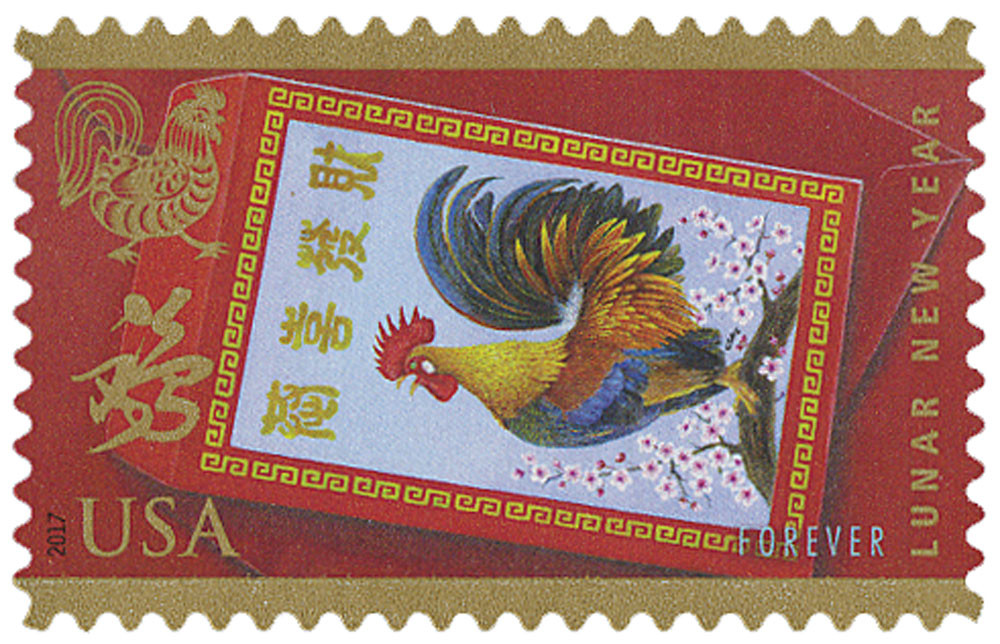
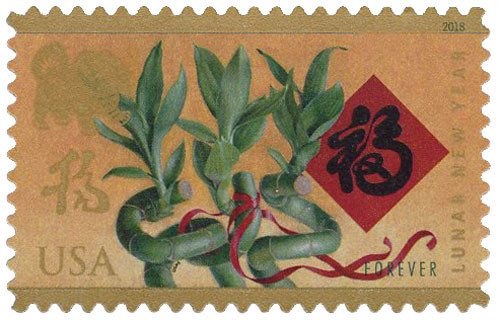
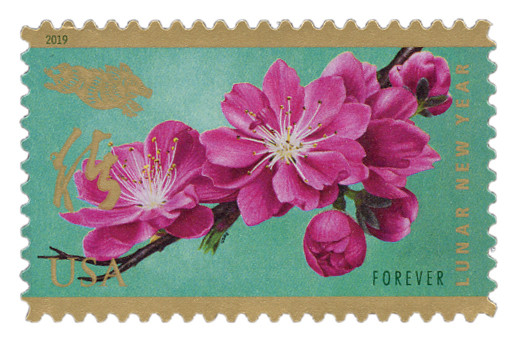
The Celebrating Lunar New Year Series began in 2008 and marked a fresh start for USPS Lunar New Year stamps. It began with Year of the Rat—a fitting opener, because the rat is traditionally the first animal in the 12-year zodiac cycle. It signaled a shift in style from the earlier bold, graphic zodiac designs that focused only on the animal sign to artwork that highlighted the festive spirit of the holiday. The USPS introduced the series with the idea that it would continue year by year through the full zodiac, ultimately ending in 2019.
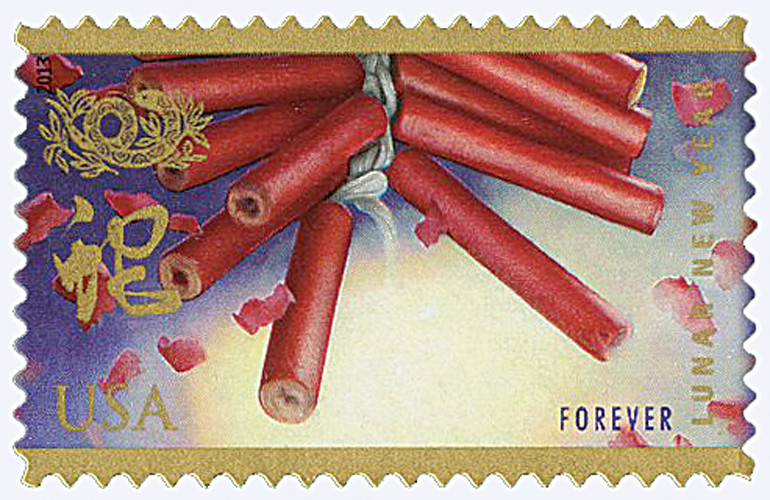
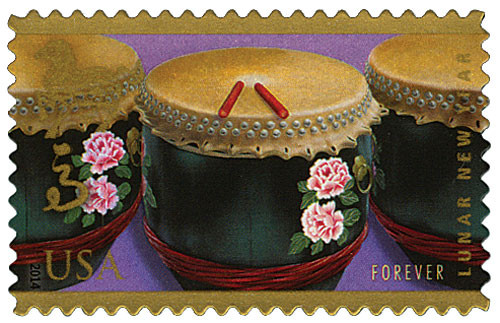
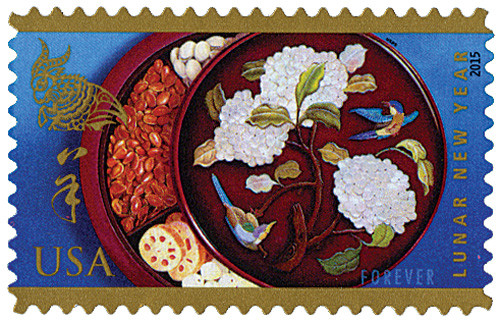
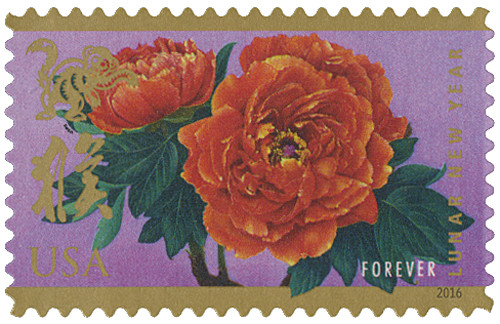
Visually, the series focused on familiar Lunar New Year sights and symbols, guided by art director Ethel Kessler and created by artist Kam Mak. The first stamp featured red lanterns, a classic New Year decoration, and later designs continued that “celebration” approach with imagery tied to parades, seasonal flowers, and other good-luck motifs—while still honoring each year’s zodiac animal.
Lunar New Year Stamp Series (2020-Now)

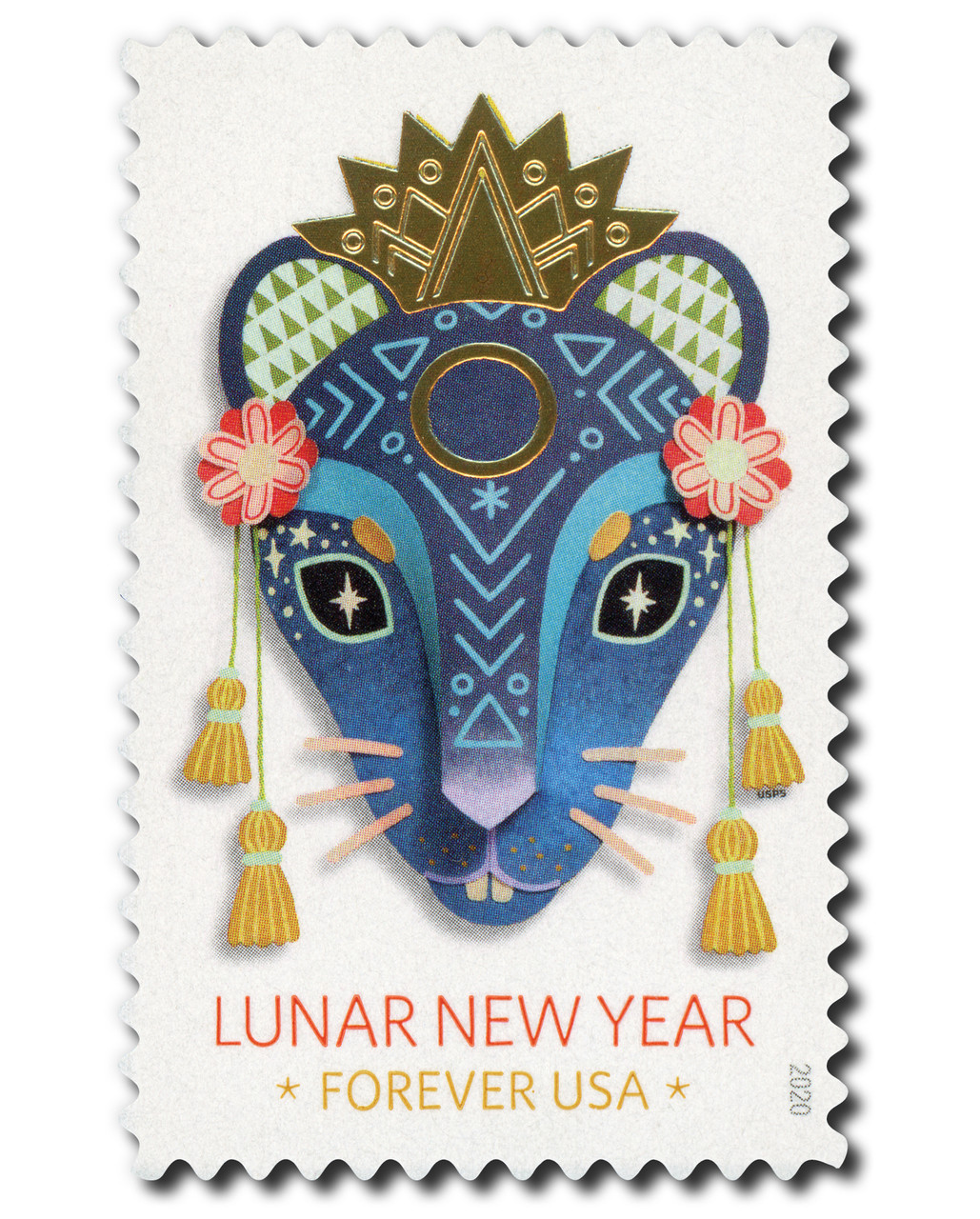
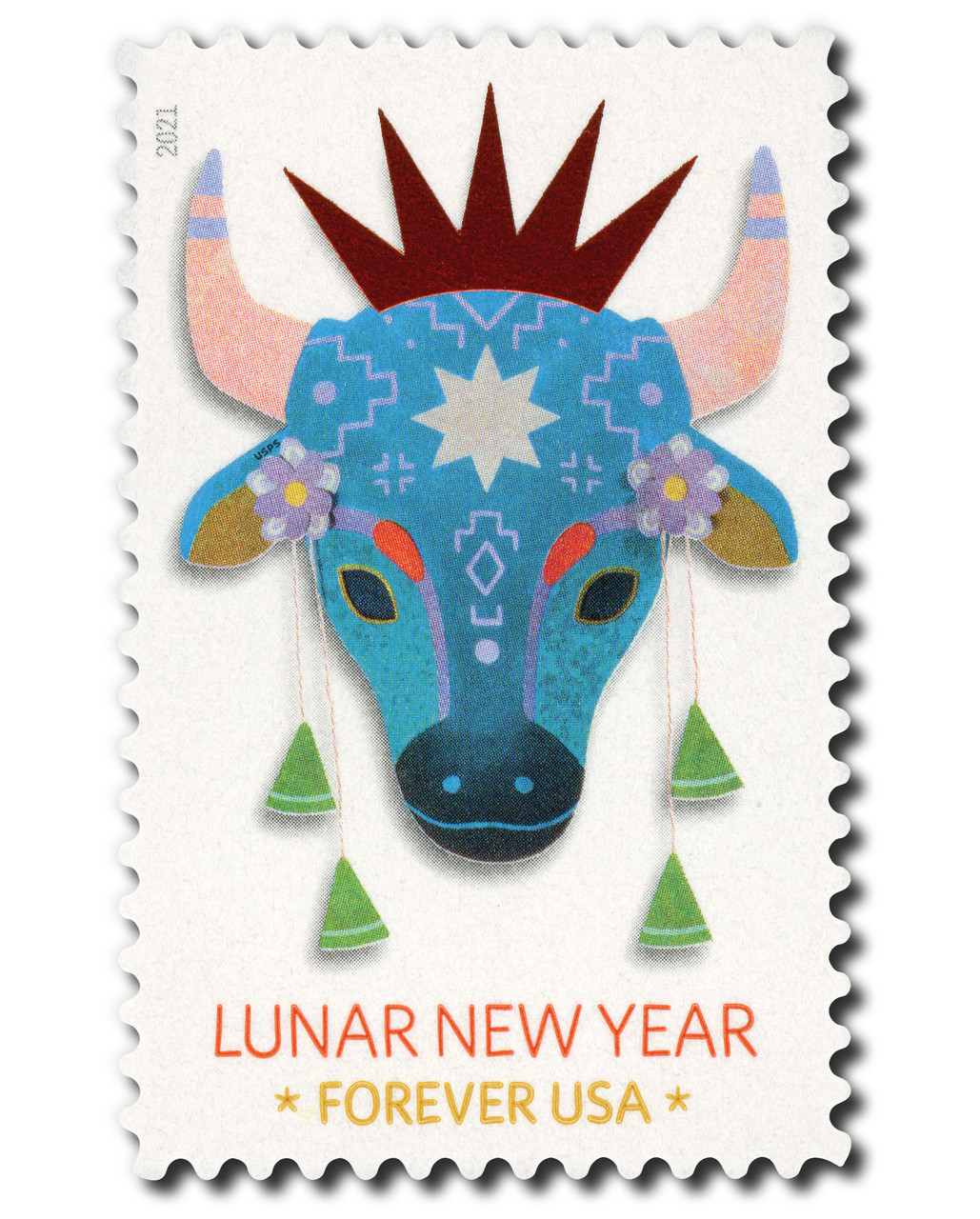
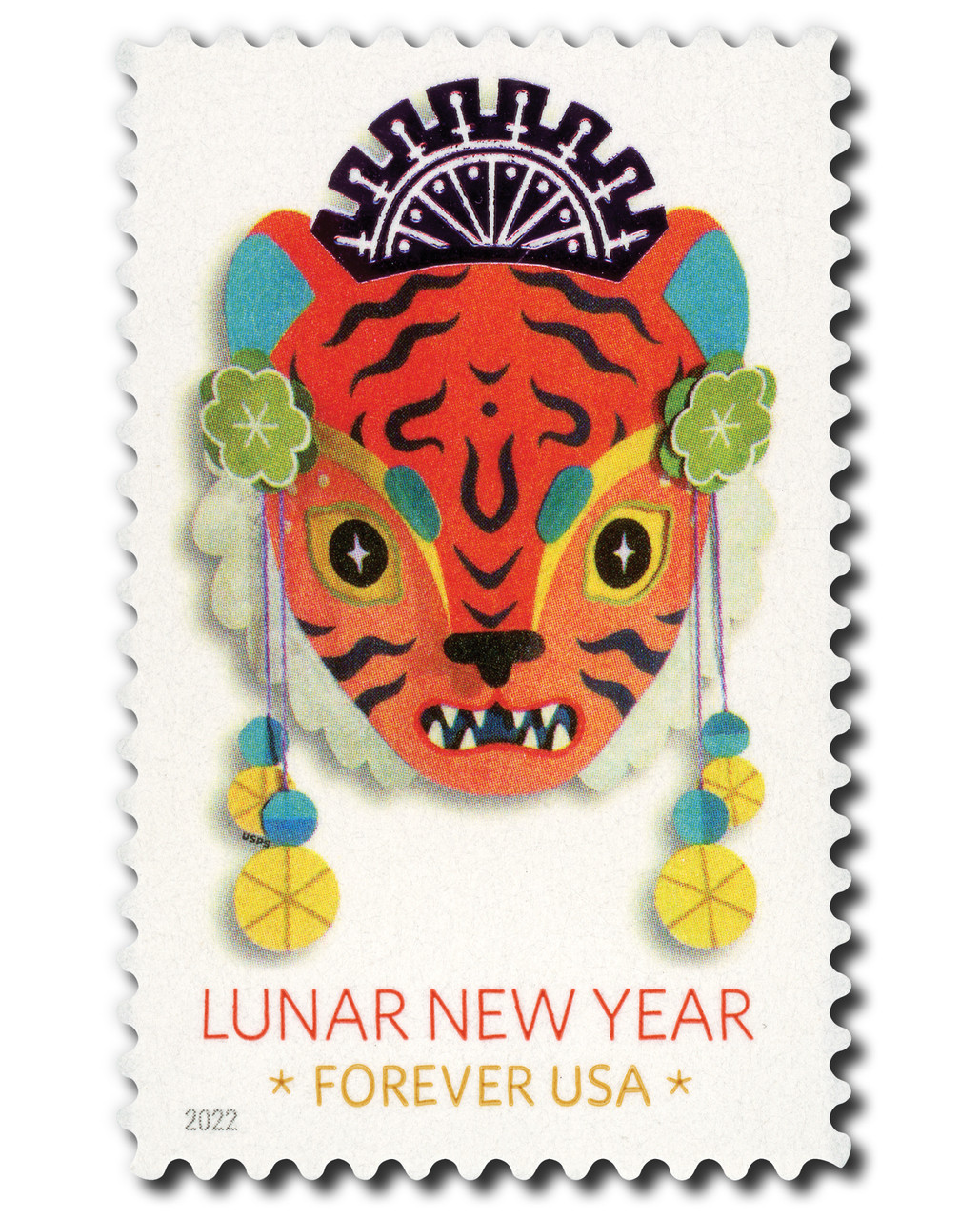
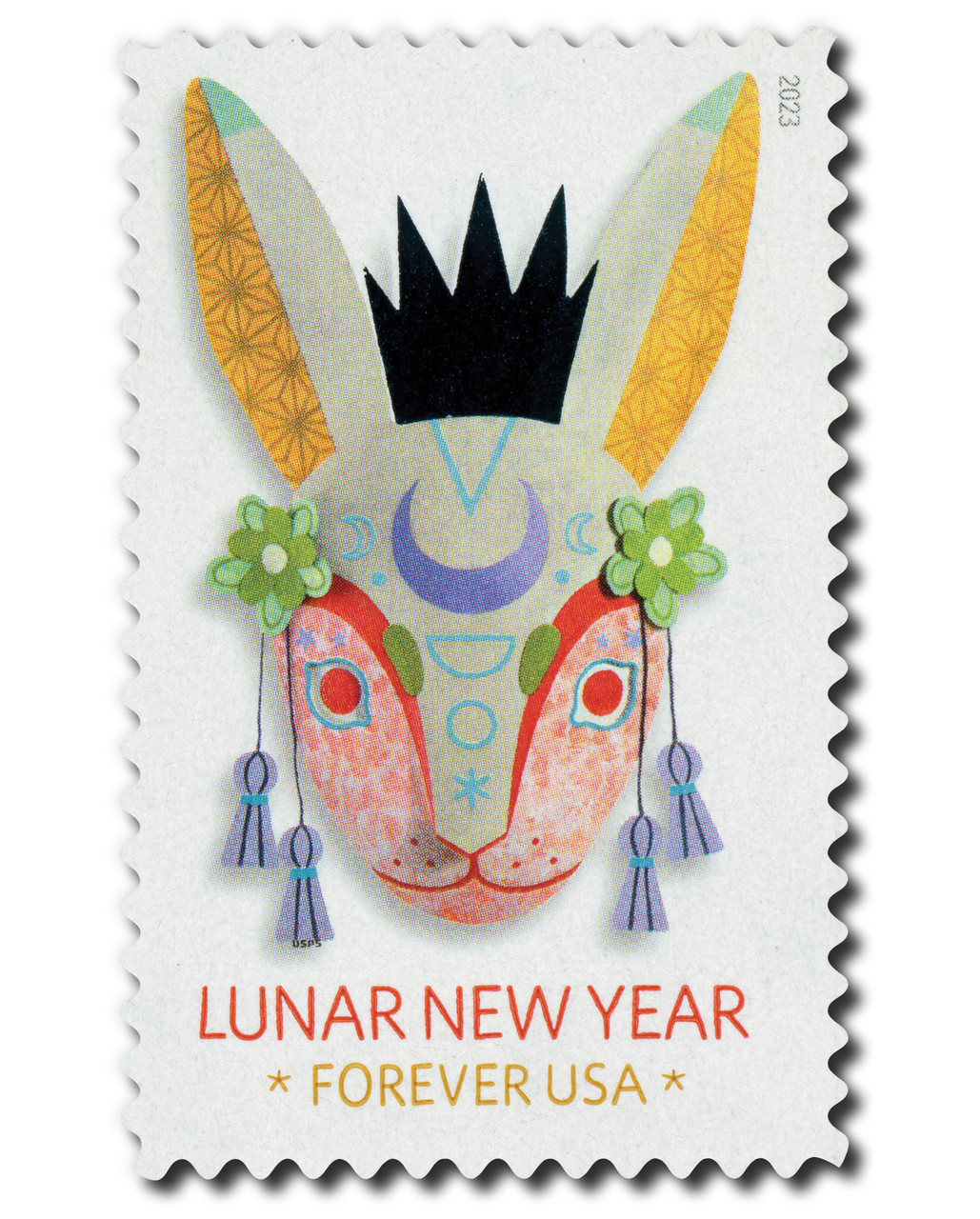
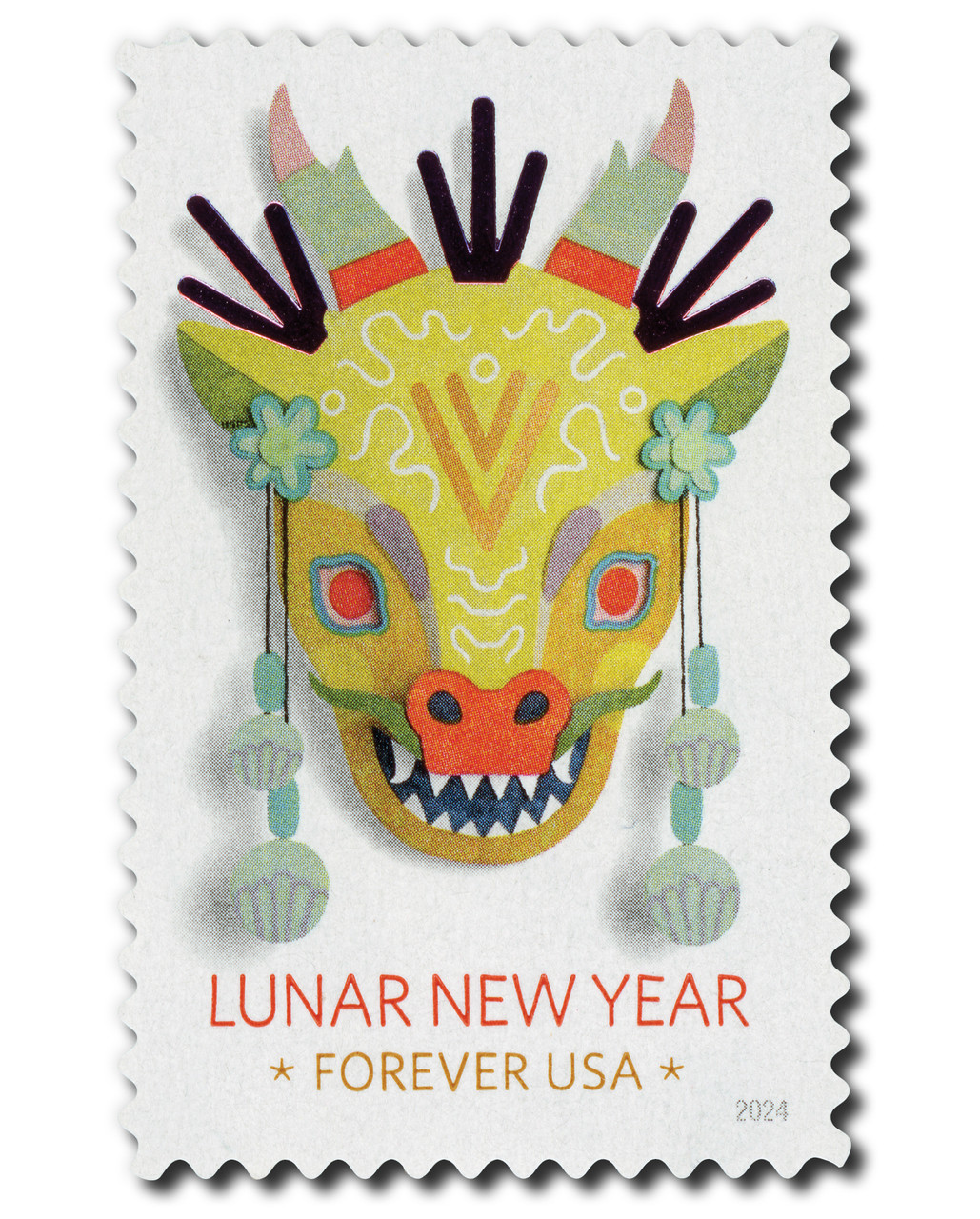
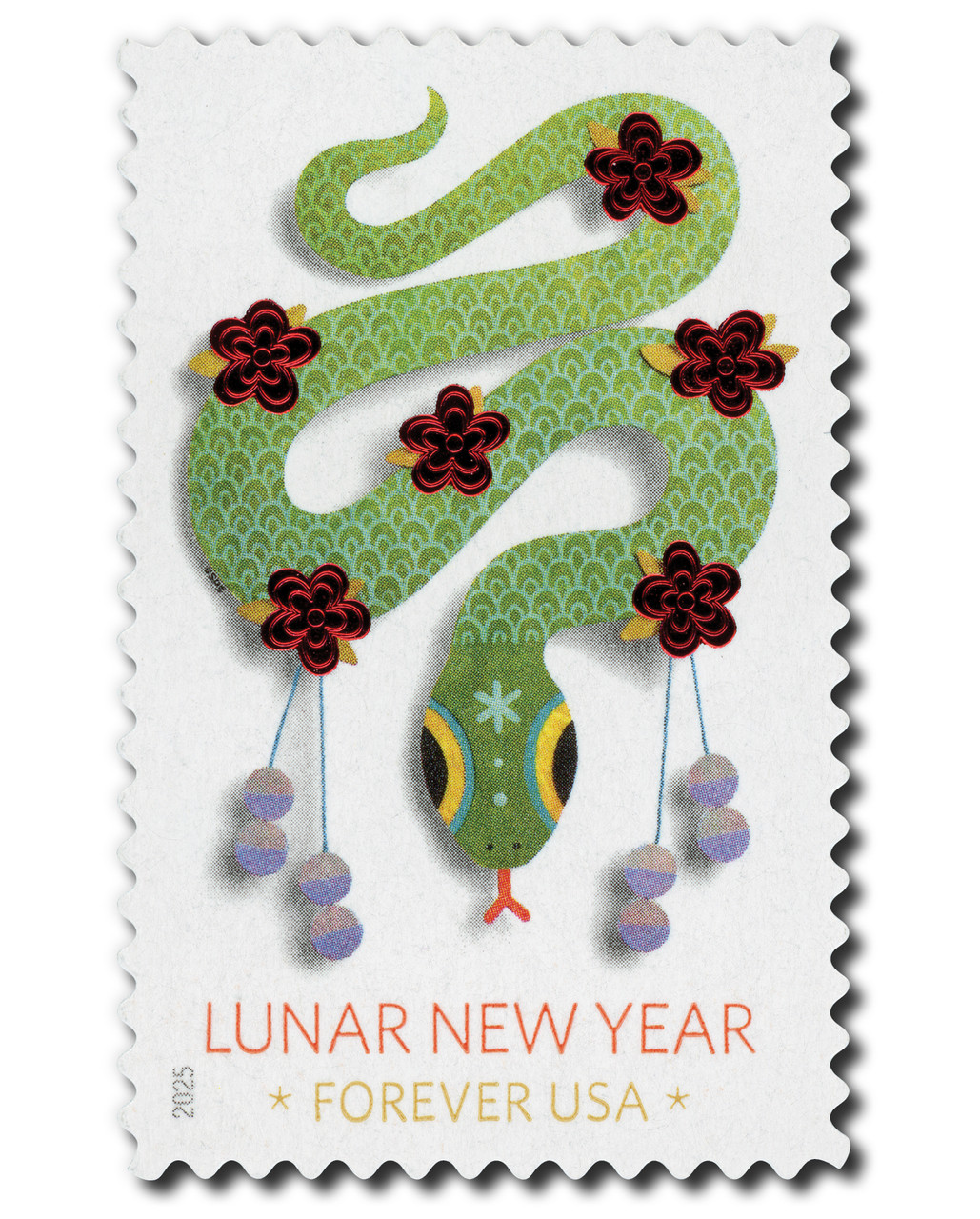
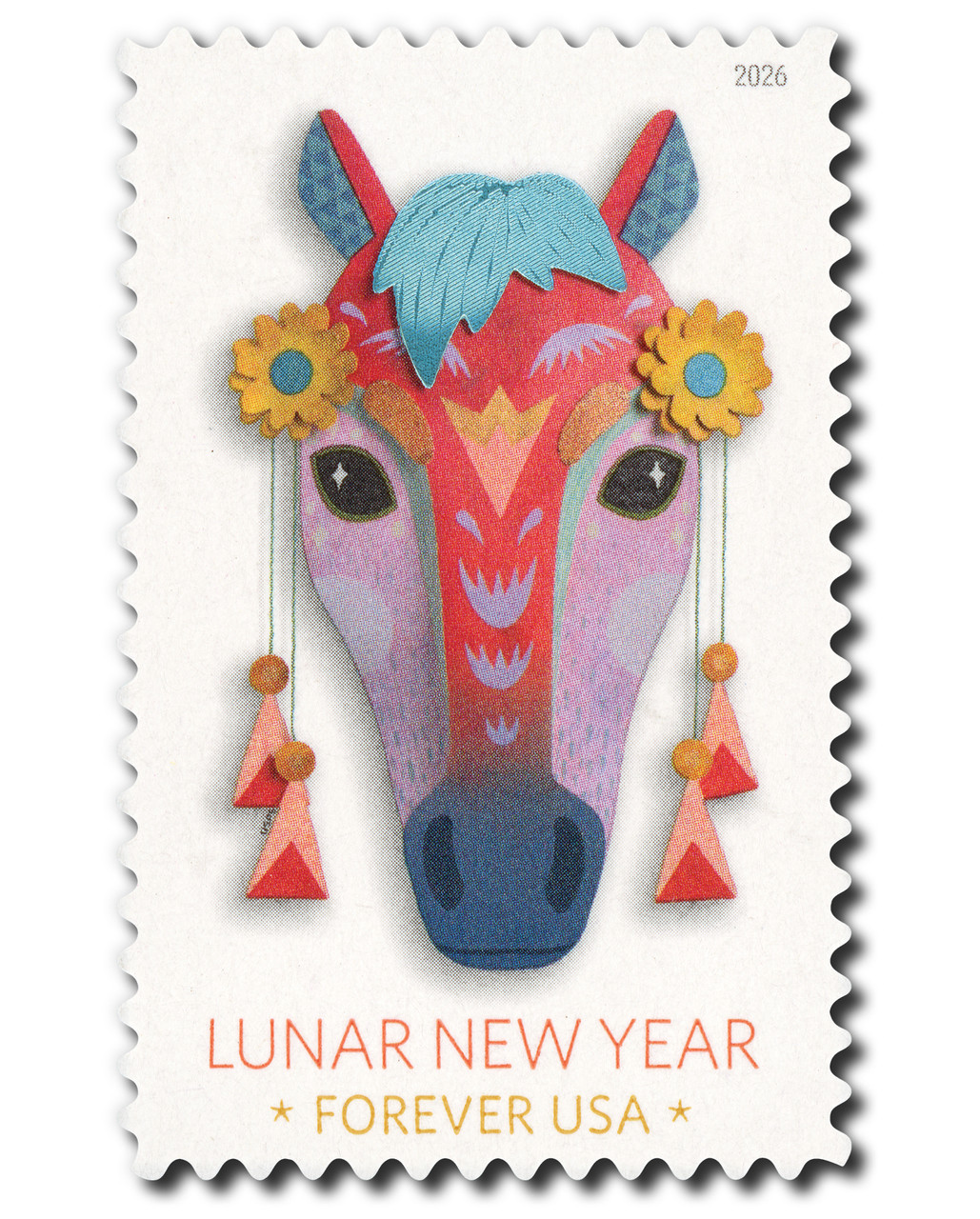
The current Lunar New Year Series launched in 2020 and is built around bright, playful three-dimensional “mask” designs—a nod to the decorated faces you might see during Lunar New Year parades. USPS art director Antonio Alcalá worked with artist Camille Chew, who hand-creates the paper masks and has them photographed against a clean background, giving each stamp a crisp, modern look while still echoing traditional paper-cut folk art.
Each year adds the next zodiac animal, and this series is planned to continue through 2031.