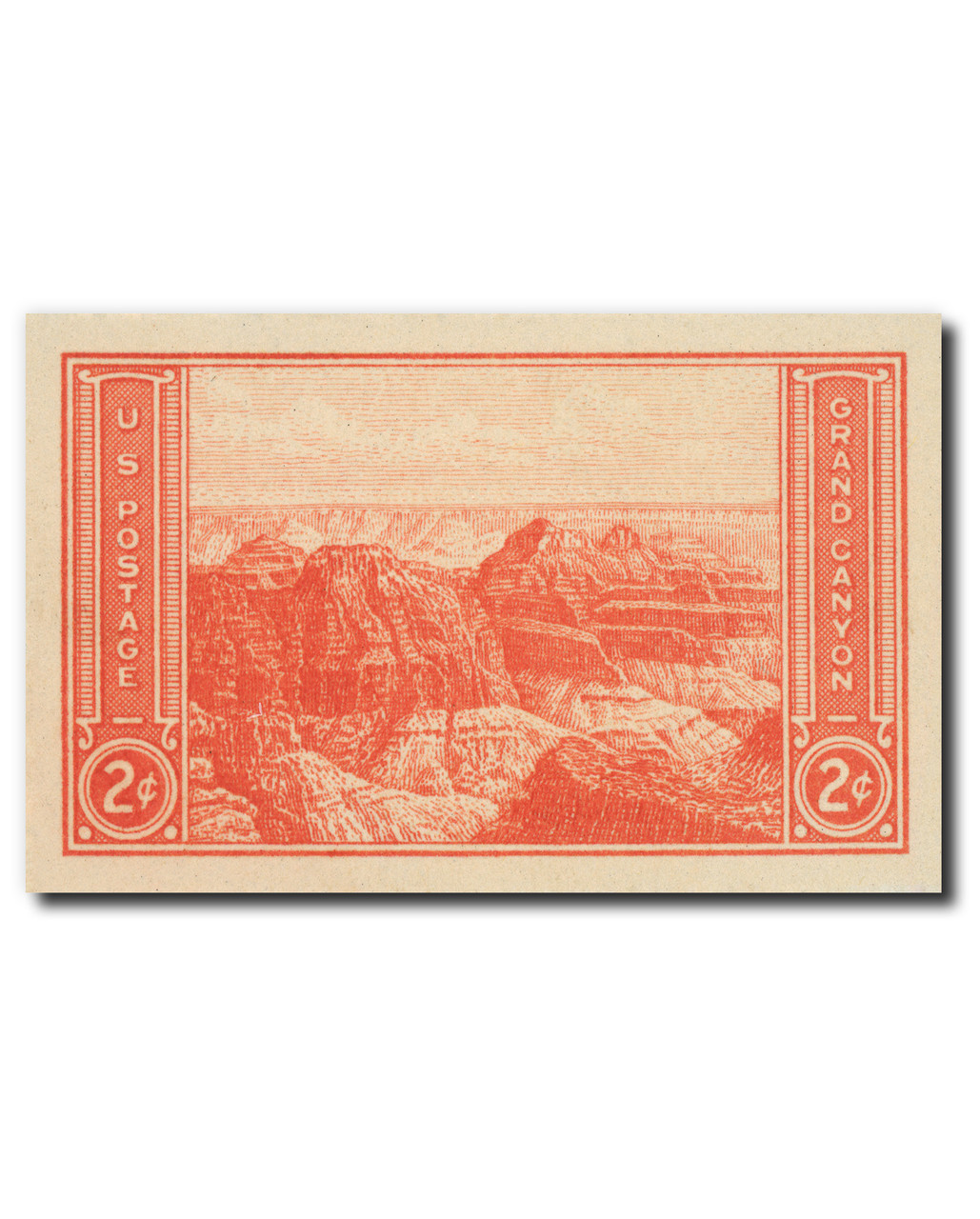
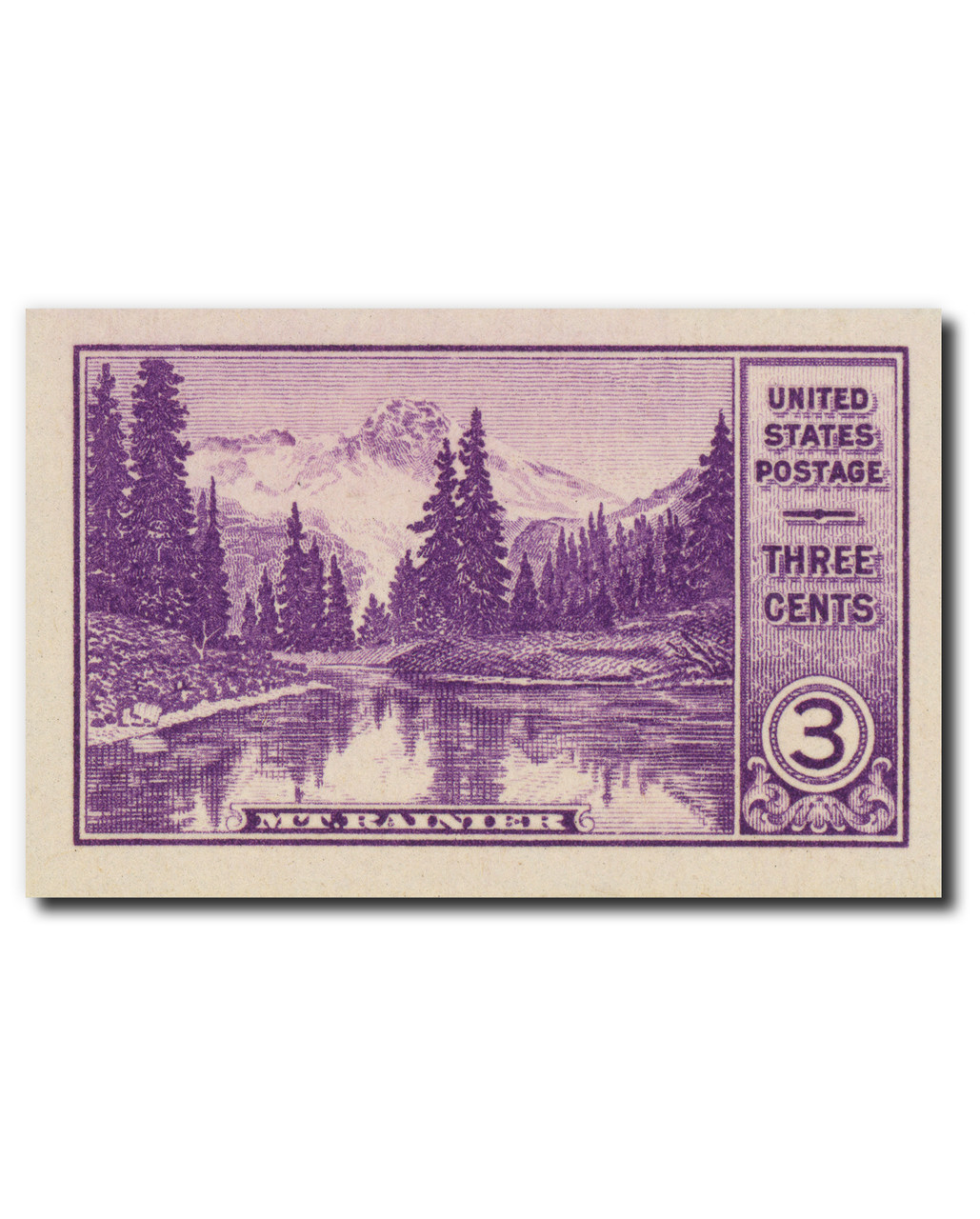
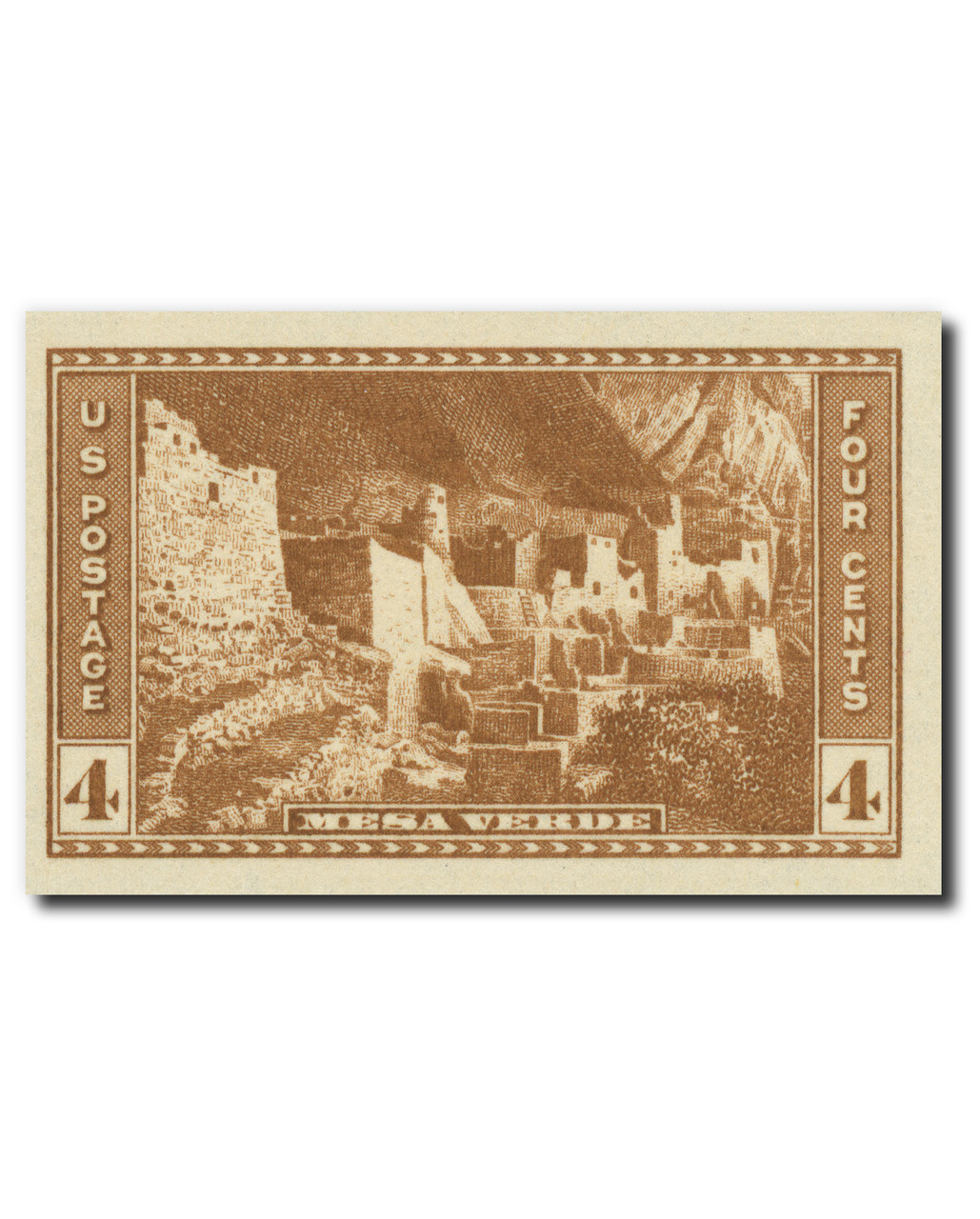
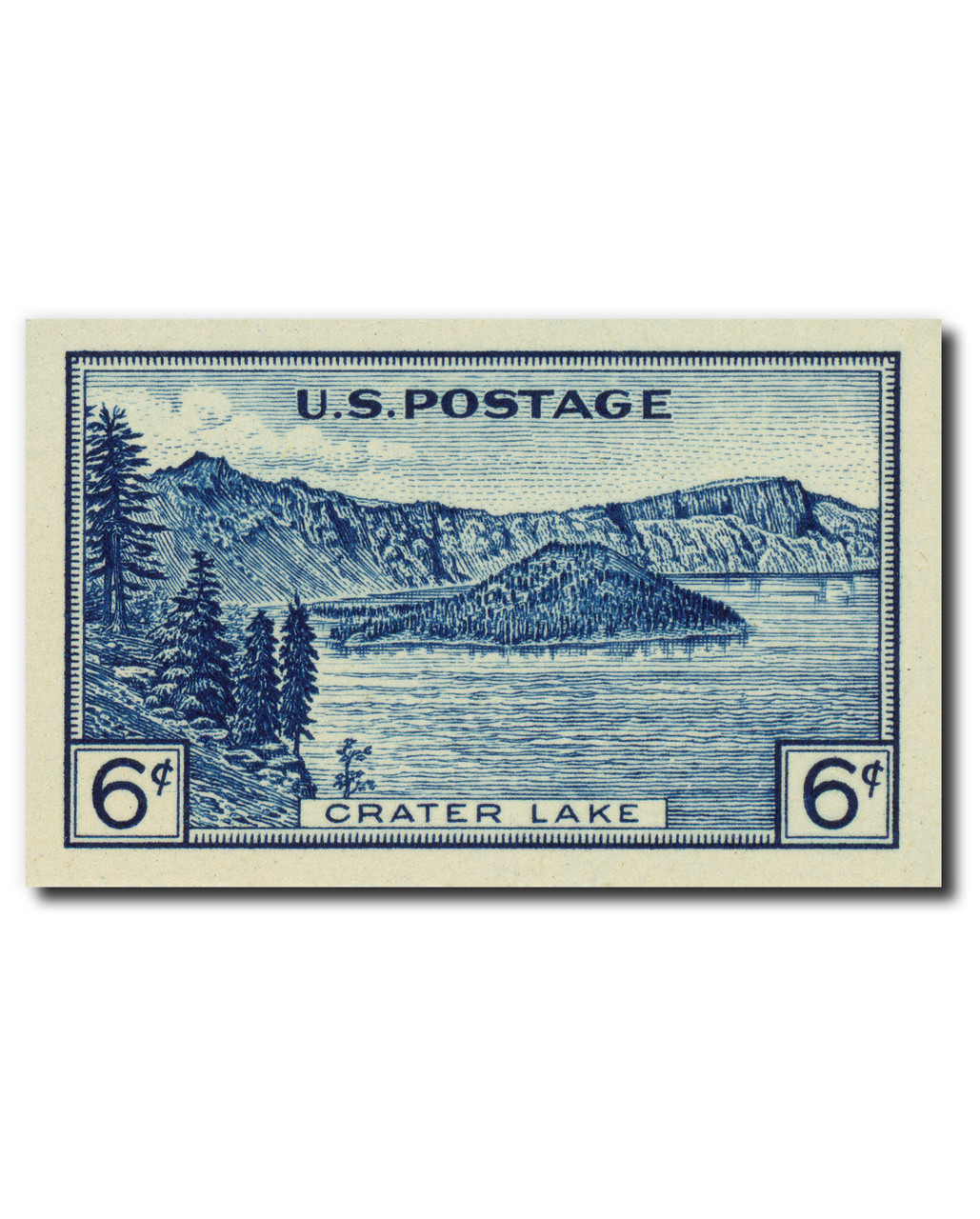
What are Farley’s Follies? The Famous 1935 Stamp Scandal That Shook US Collecting
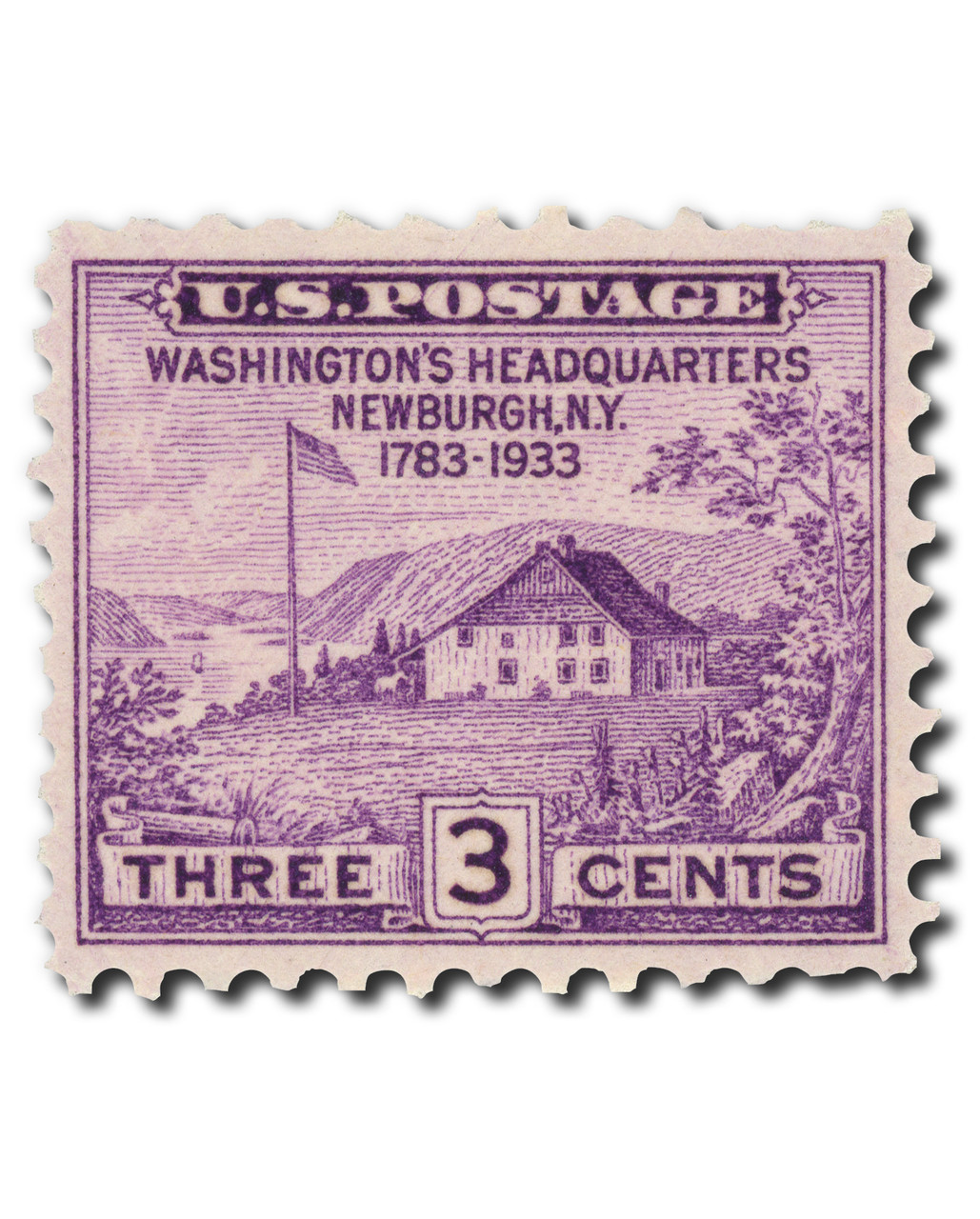
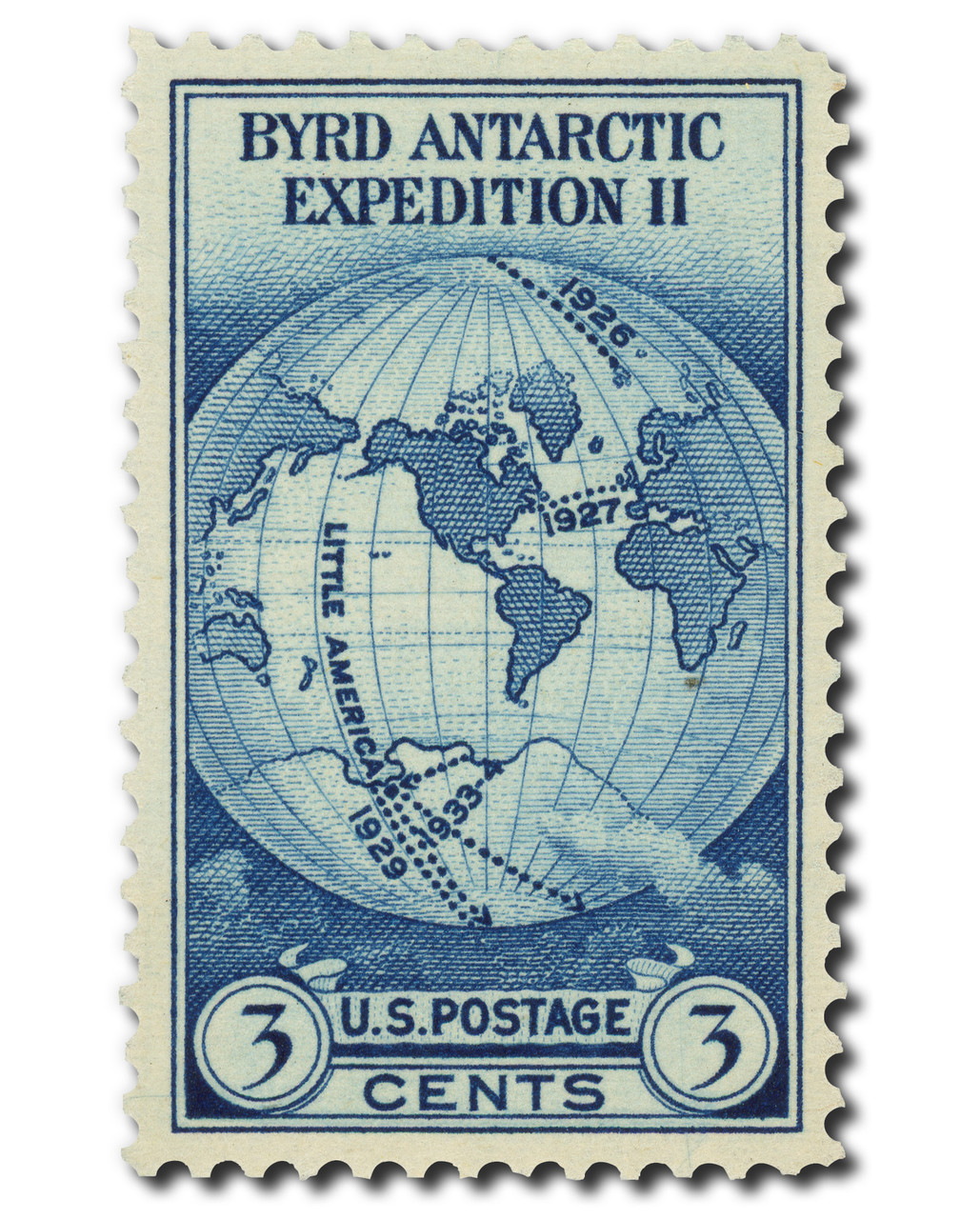
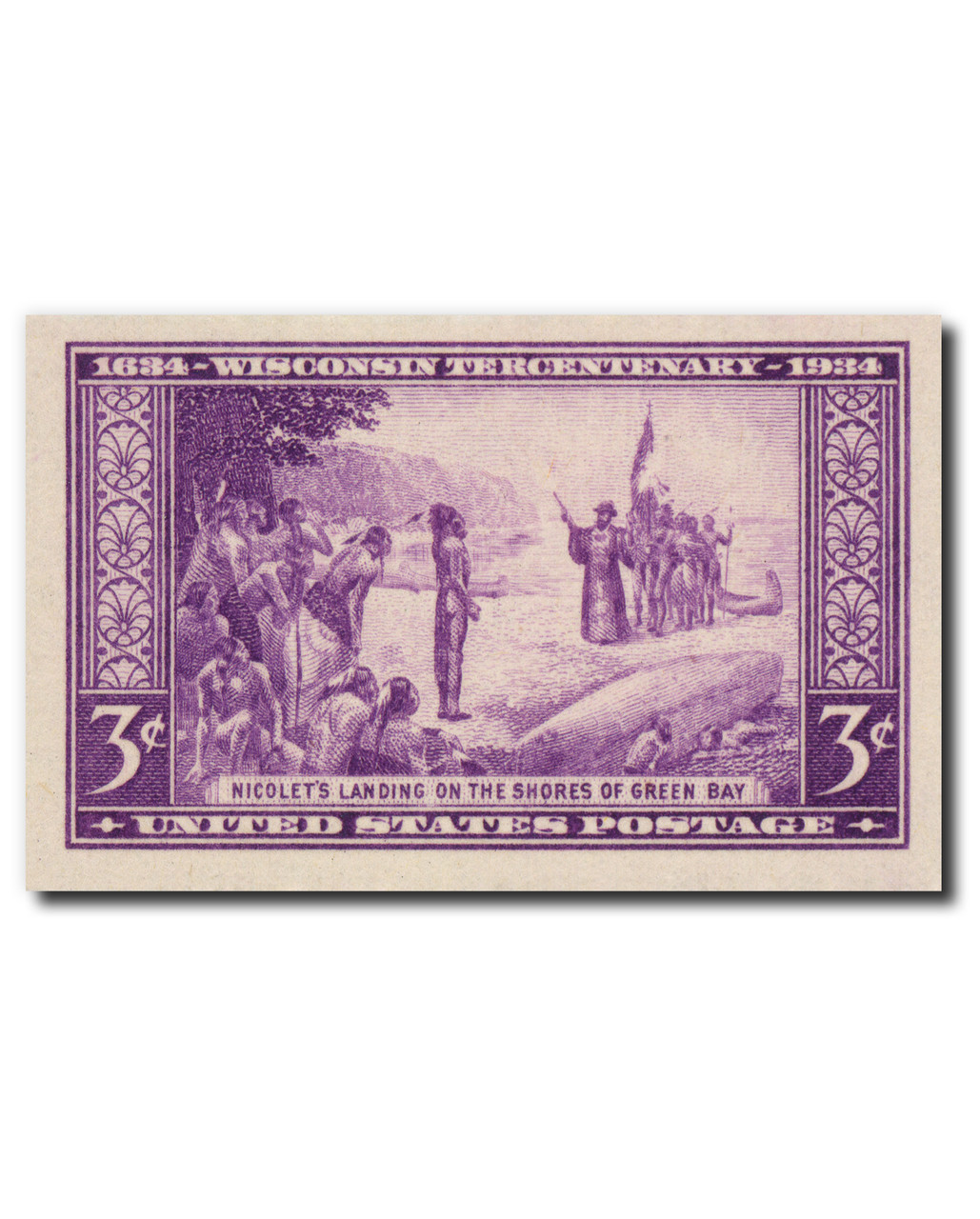
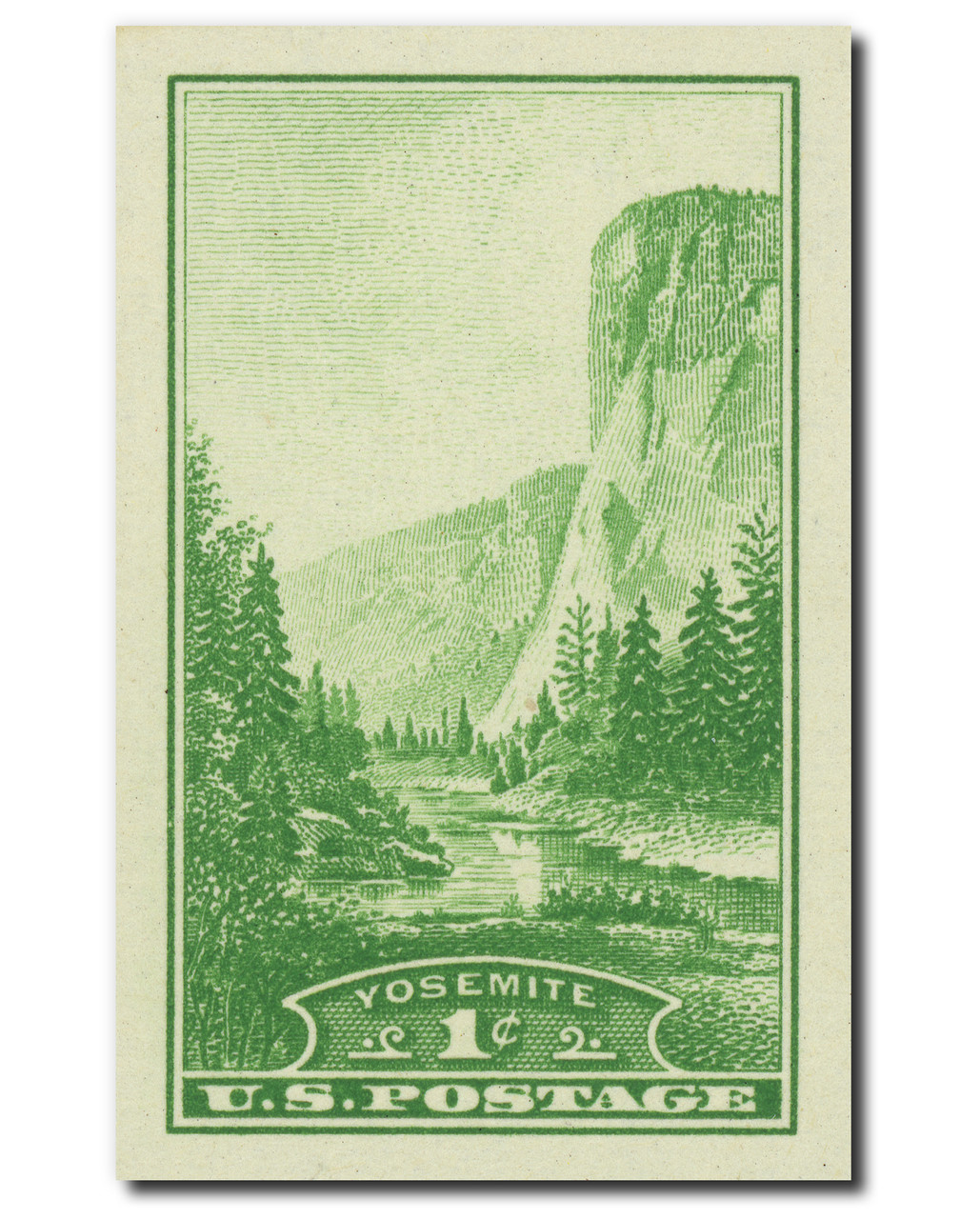
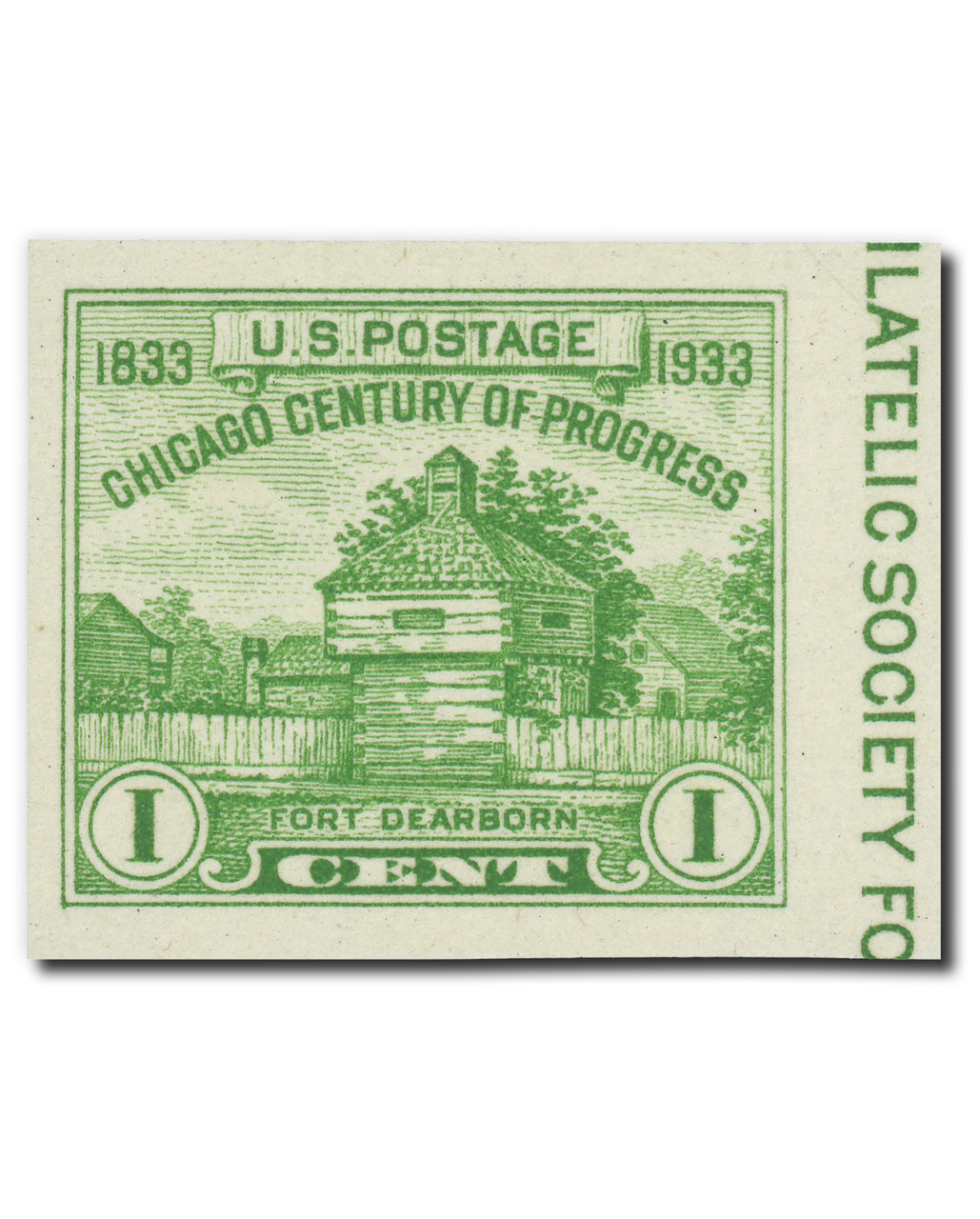
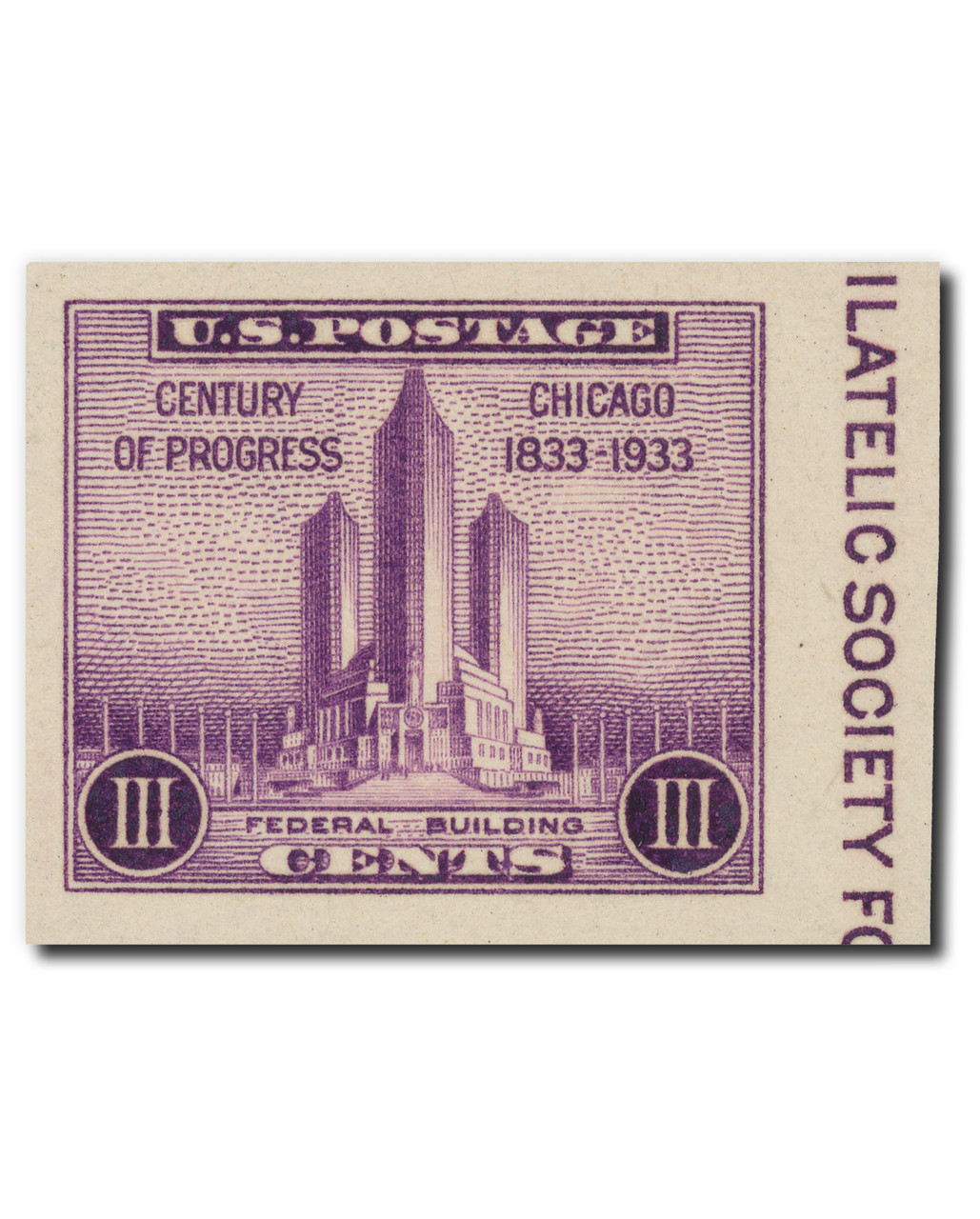
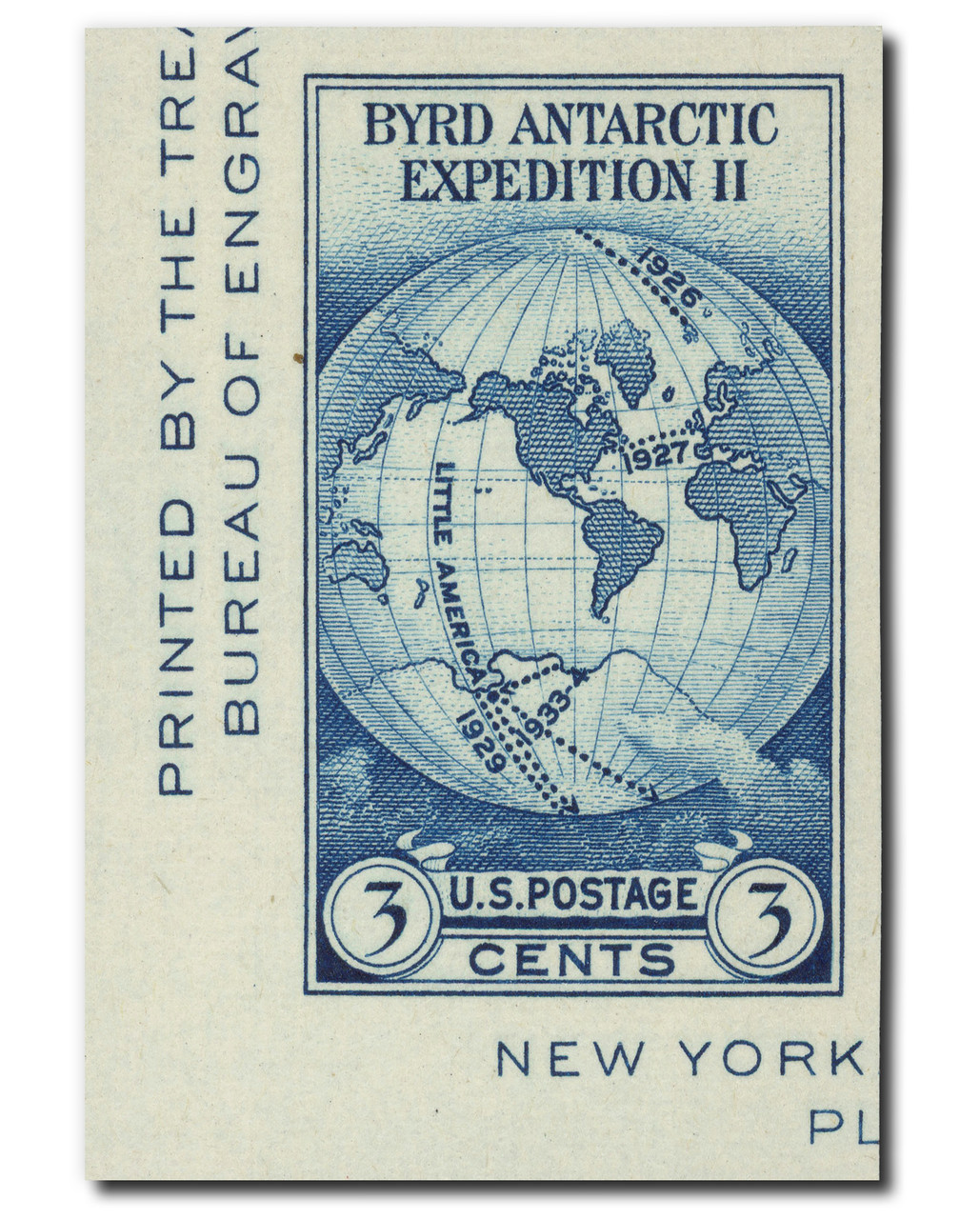
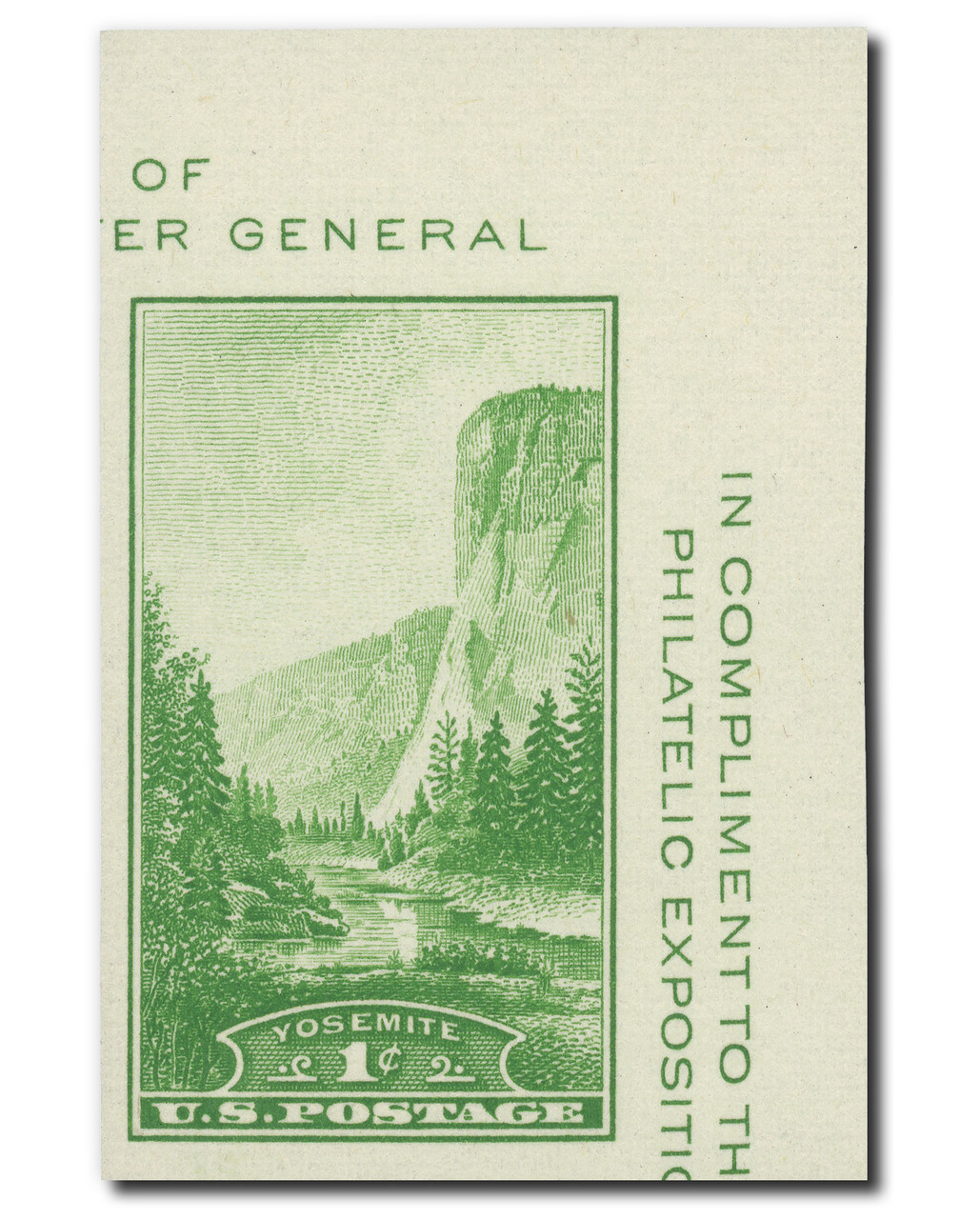
Few stories in US philately are as memorable as Farley’s Follies. Part political controversy, part postal history, and part collector favorite, these unusual 1935 issues grew out of one of the biggest stamp scandals of the era. Today, Farley’s Follies remain popular with collectors because they combine a fascinating backstory, recognizable designs, and an important place in the history of modern US stamps.
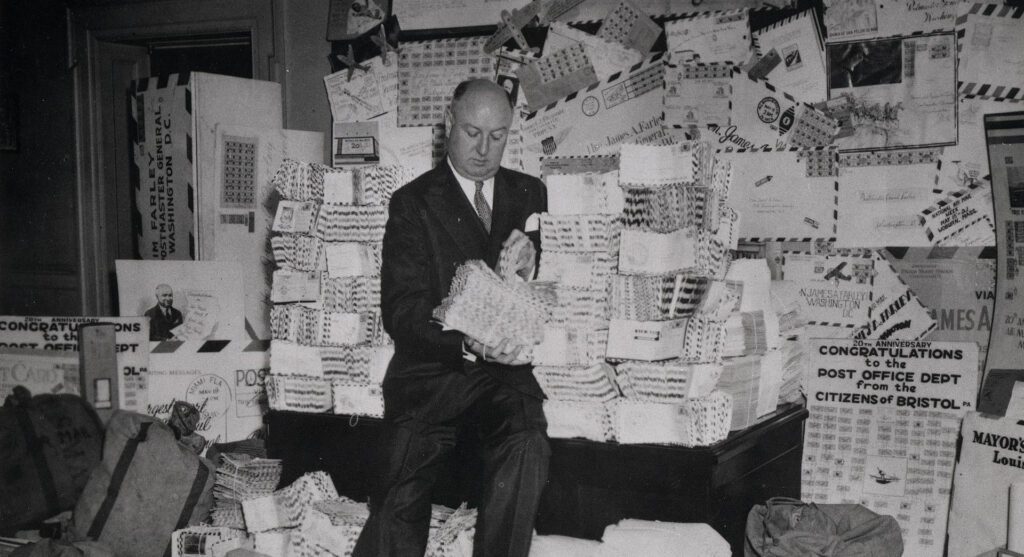
Who Was James A. Farley?
James A. Farley was a major political figure in the 1930s and a close ally of Franklin D. Roosevelt. After helping Roosevelt rise in New York politics and win the presidency, Farley was appointed postmaster general. During his time in office, he played an important role in modernizing the Post Office Department and expanding its influence during a period of major change in American government and communications.
How the Farley’s Follies Controversy Began
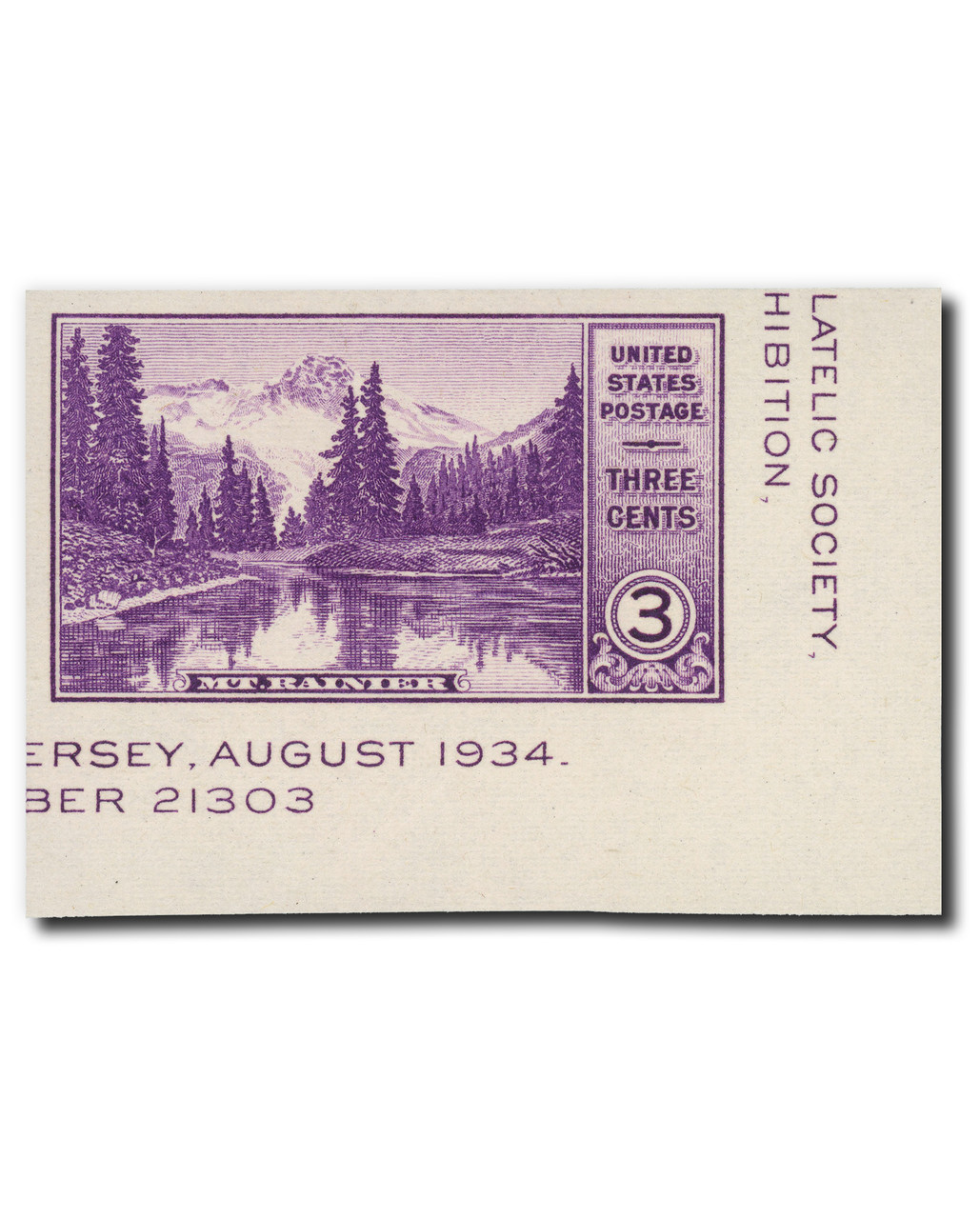
The controversy began in 1933 when Farley removed several stamp sheets from the printing presses before they were gummed or perforated. He signed some of these sheets and gave them to friends, relatives, and political associates. Because these unusual examples were not available to the public, they instantly became prized philatelic rarities—and collectors were furious when they learned that insiders had received them.
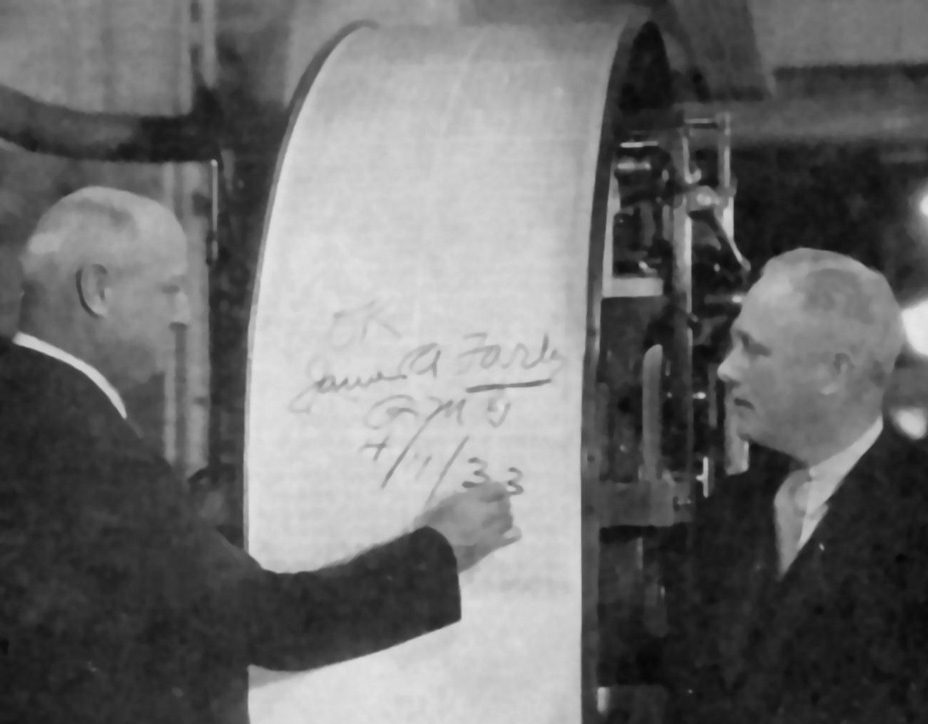
The uproar grew even larger when a New York City stamp dealer announced that he had a sheet of 200 ungummed, imperforate Mother’s Day stamps, signed by the postmaster general, for sale. He reportedly insured that single sheet for $20,000. At the time, it was estimated that 160 of Farley’s special sheets had already been distributed. At that valuation, the total potential came to $3,200,000 – more than enough to turn a collectors’ complaint into a broader public scandal.
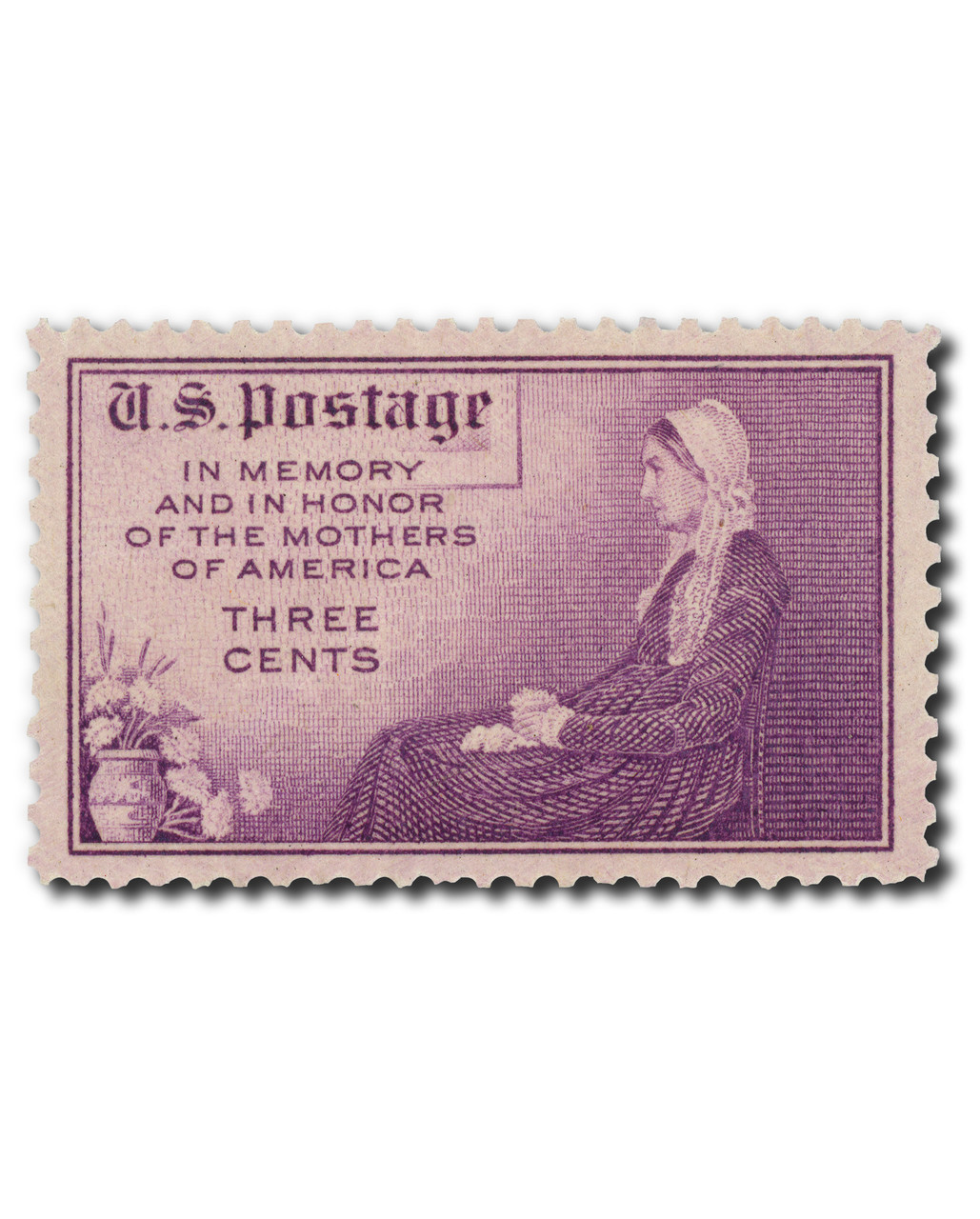
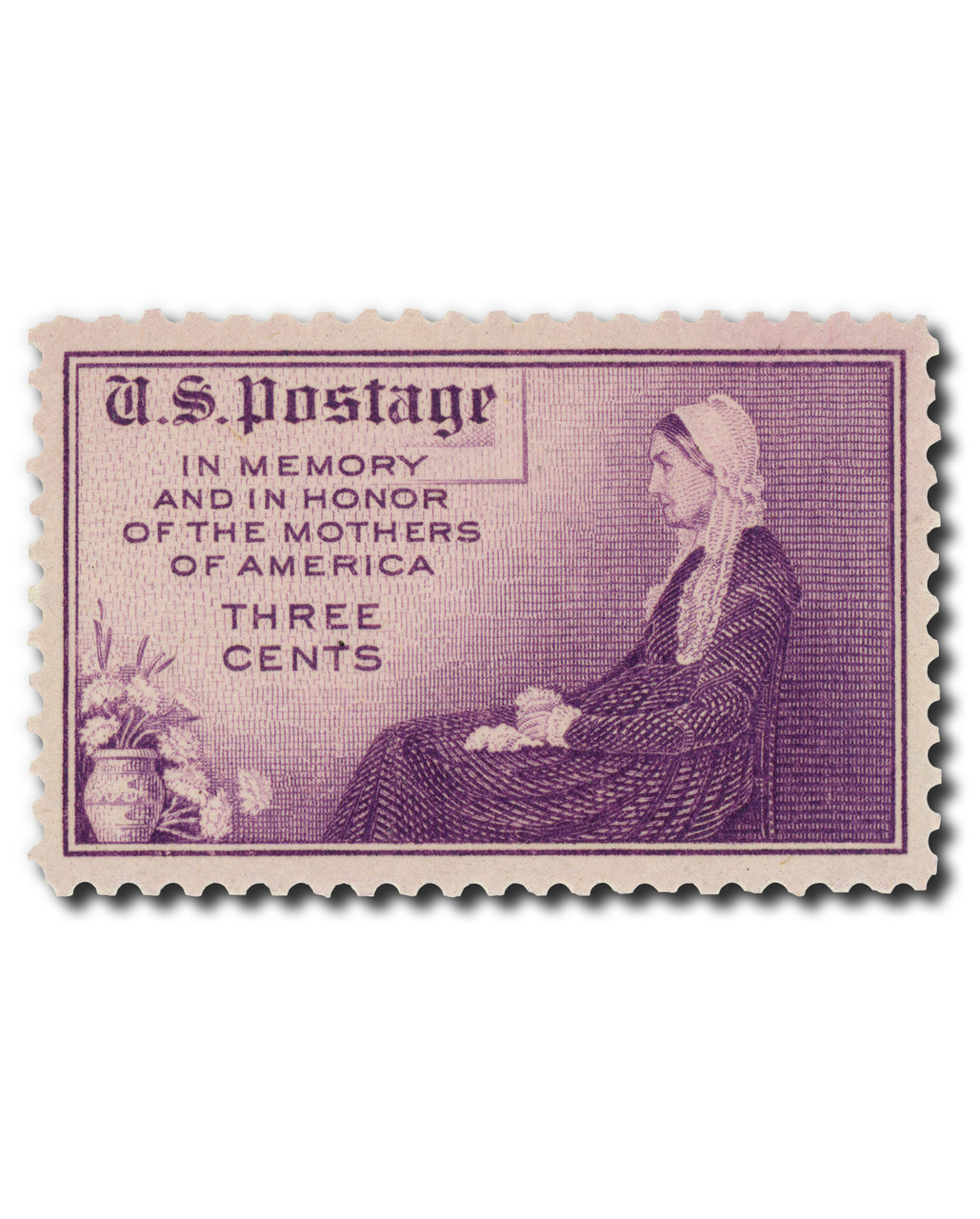
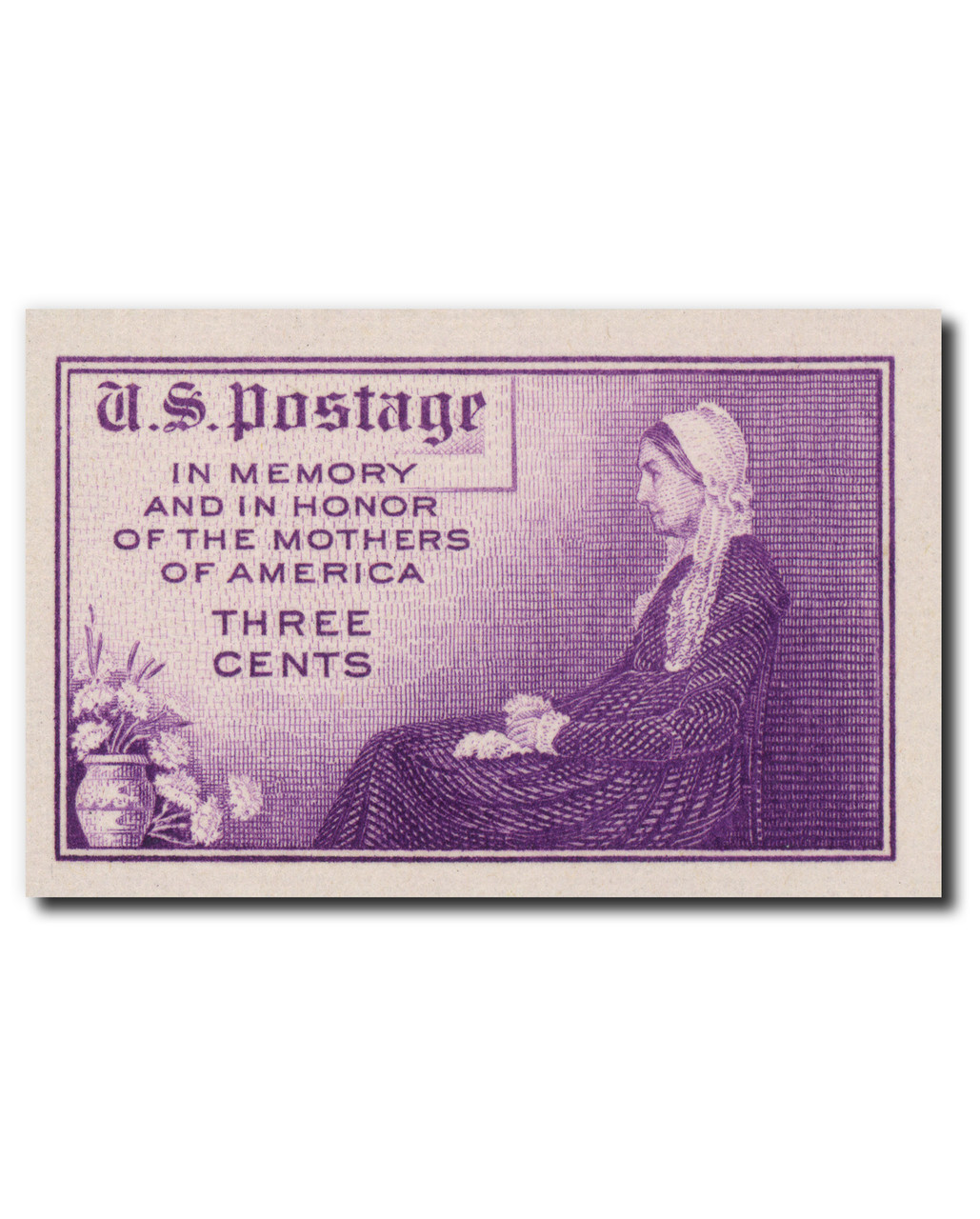
That moment is what made Farley’s Follies more than a niche stamp controversy. To the public, it no longer looked like a harmless souvenir for a few friends. It looked like government-created privilege, with valuable collectibles going to a select group while ordinary collectors were left out.
The Post Office Response
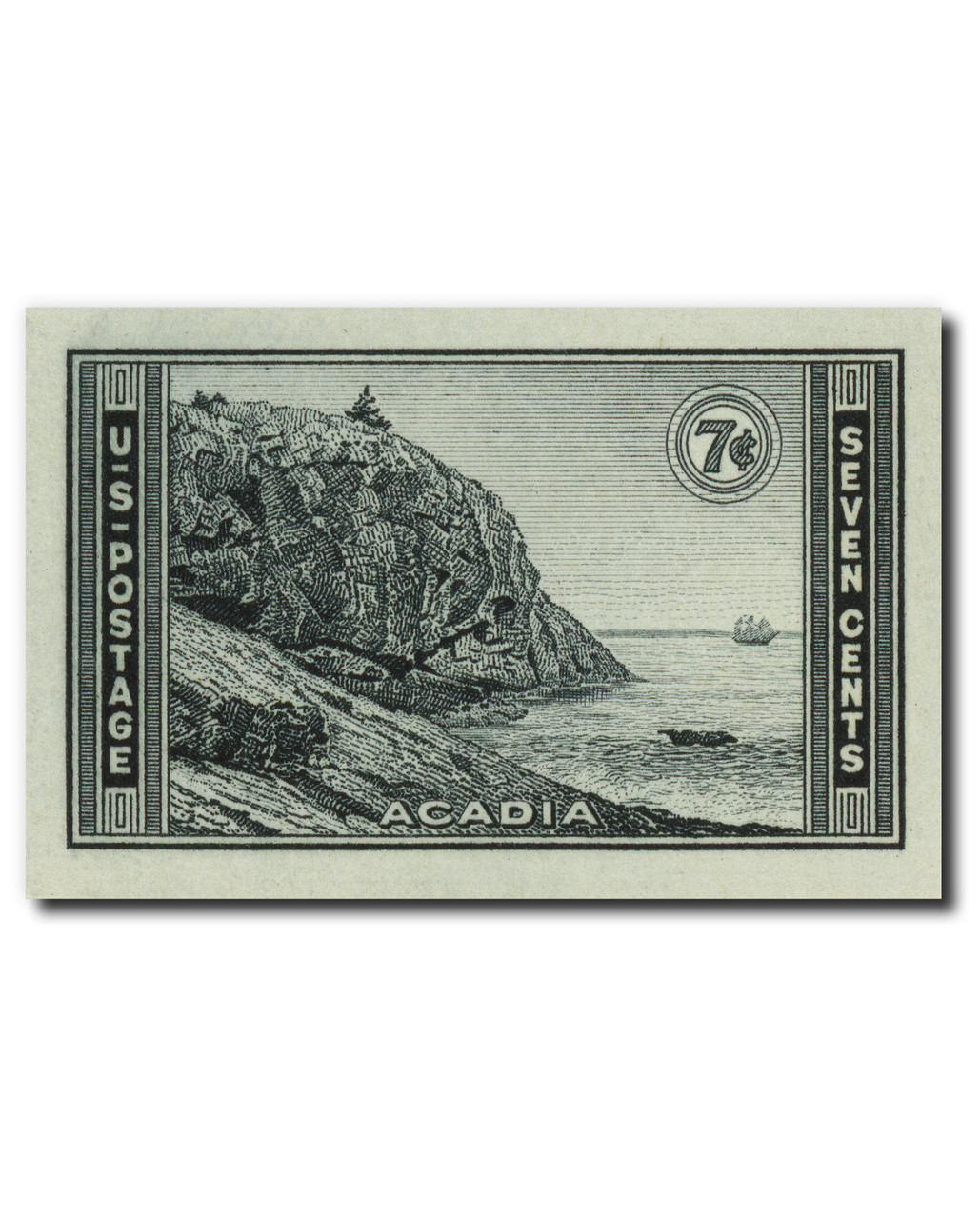
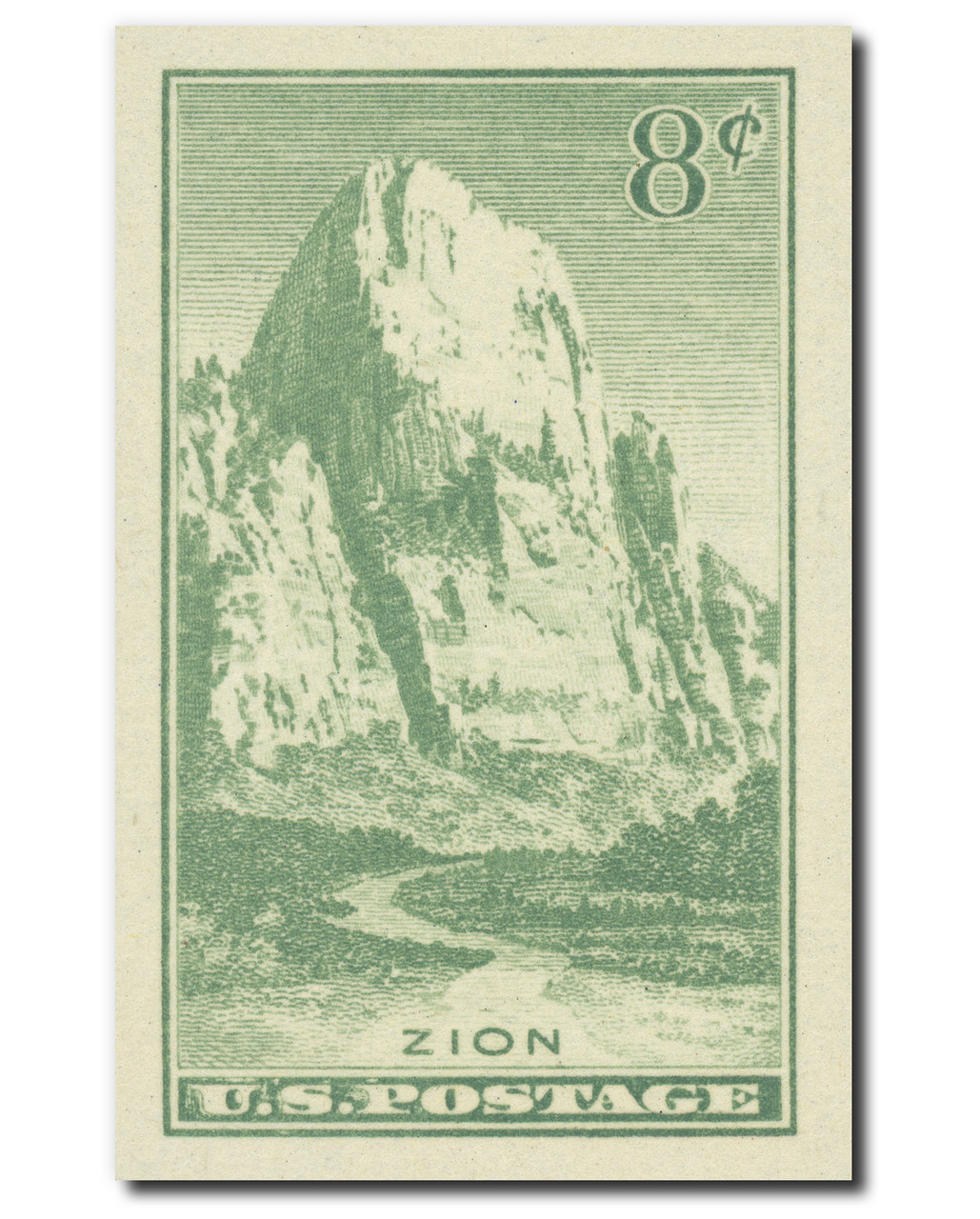
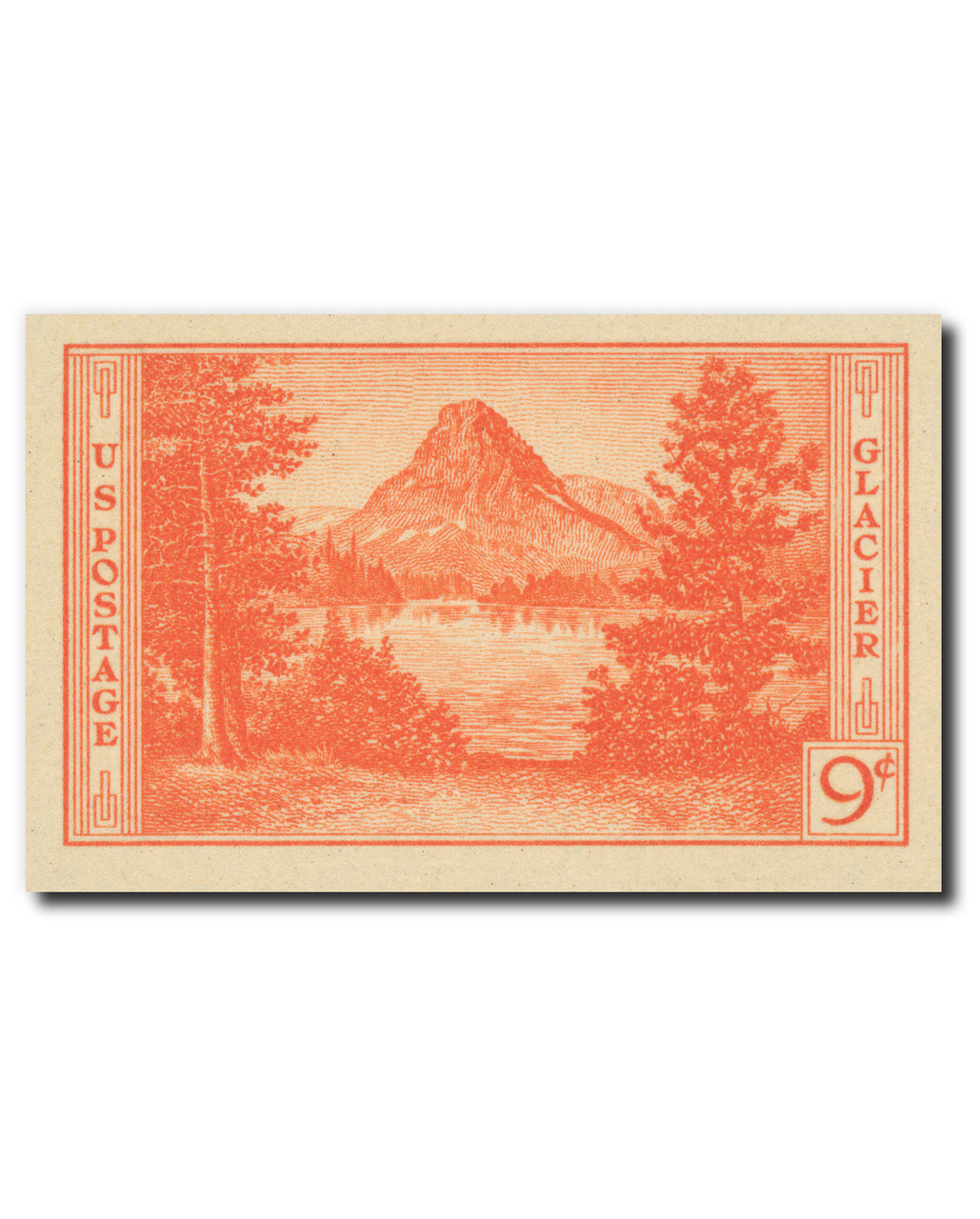
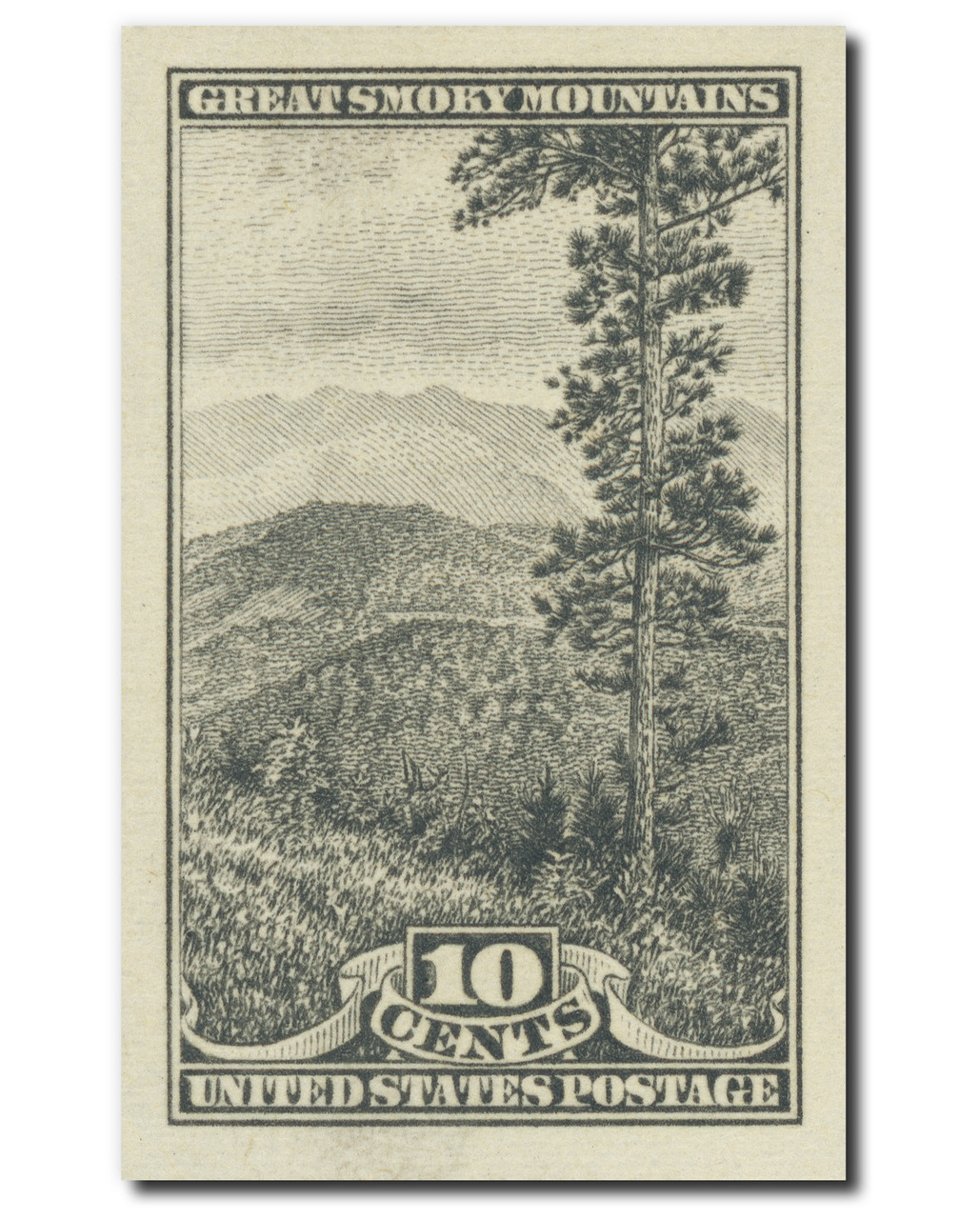
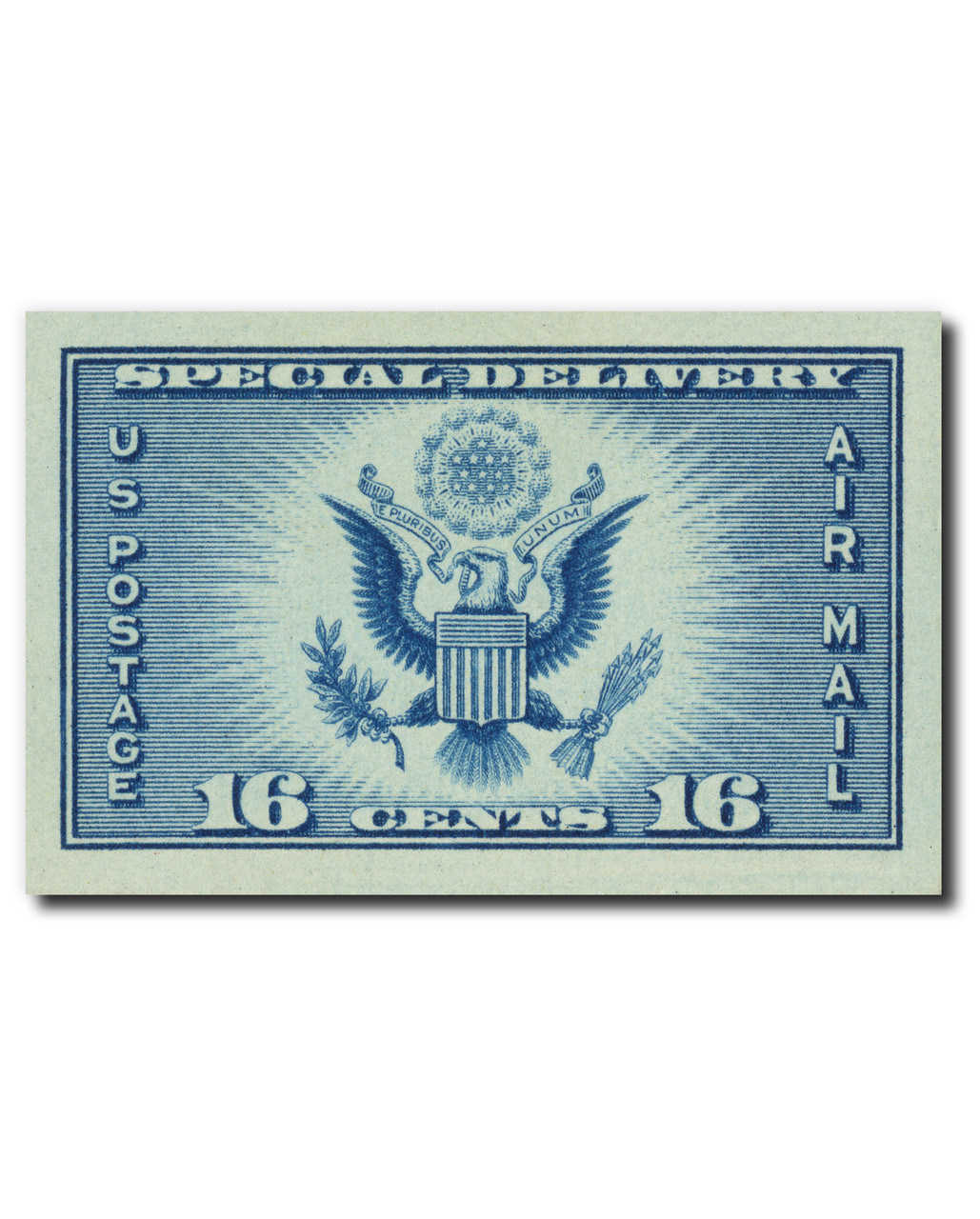
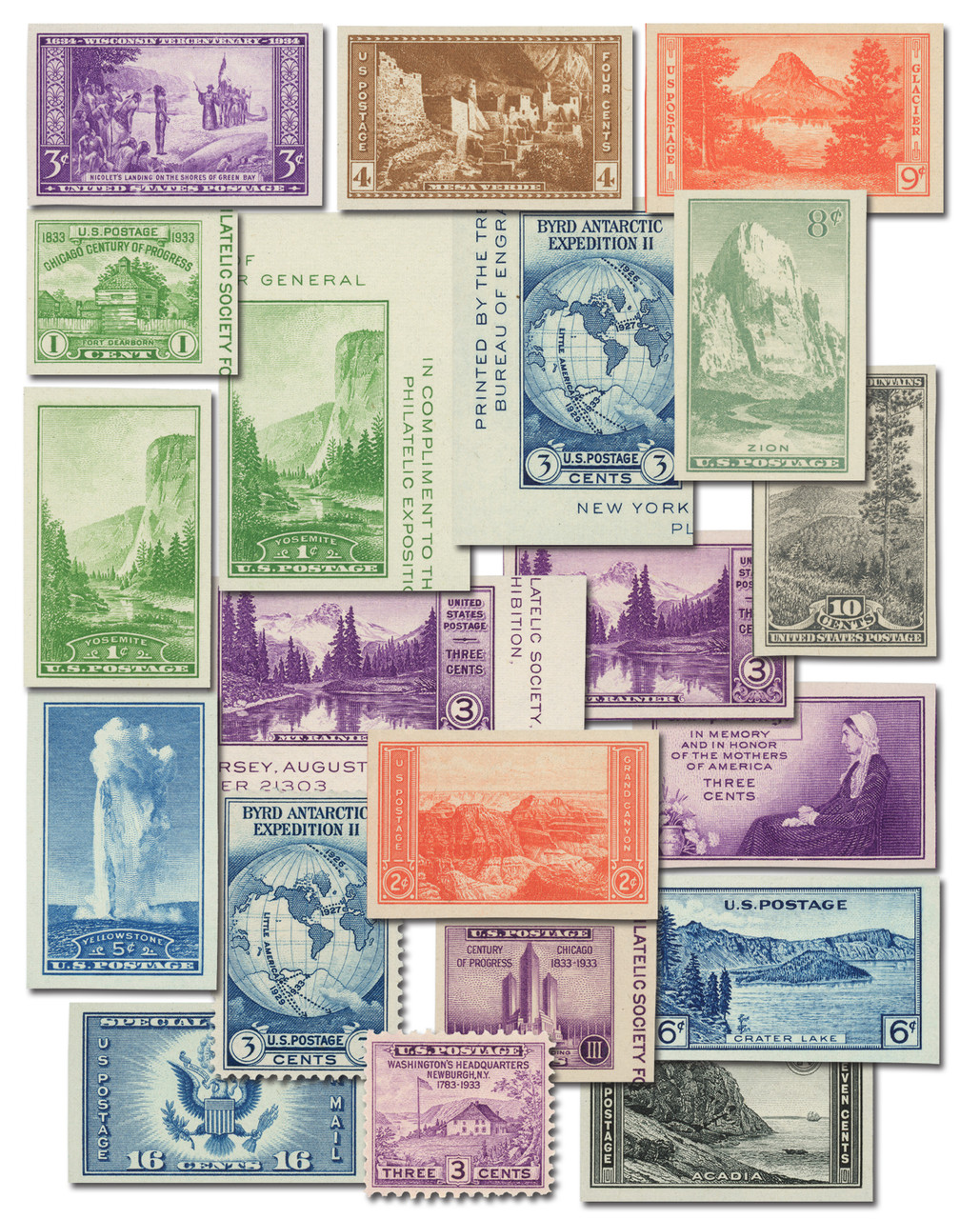
A recall of the distributed sheets was suggested, but that proved impractical. Instead, the Post Office reissued the affected stamps in ungummed condition and, in most cases, imperforate form, in quantities large enough to satisfy demand. These official reissues became known as the Farley Special Printings.
The reprintings began on March 15, 1935. That decision transformed the scandal. Rather than allowing a small number of insiders to control the only examples, the Post Office made the same basic formats available to the collecting public. In doing so, it turned one of the most criticized episodes in postal history into one of the most collectible stamp issues of the era.

Why Collectors Still Love Farley’s Follies
More than 90 years later, Farley’s Follies still hold a special place in US stamp collecting. Part of the appeal is the story itself: few stamp issues come with such a vivid mix of politics, controversy, and public outrage. But collectors also appreciate the stamps because they offer something visually and technically different from normal issues. Their imperforate, ungummed format makes them instantly recognizable and gives them a distinct place in a US collection.
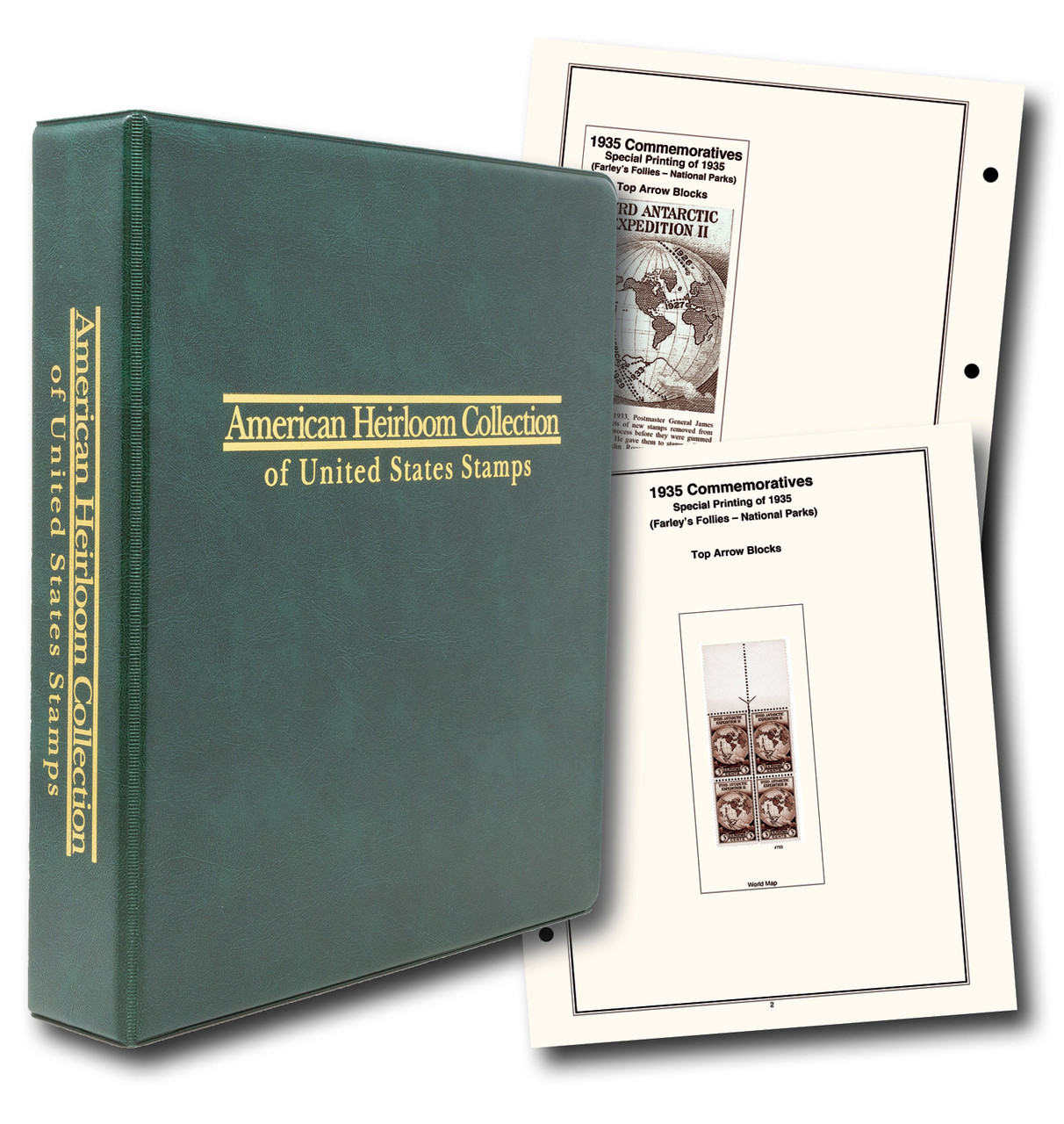
These stamps were issued in large sheets, many of which were too big for standard albums. As a result, collectors often sought out pairs, blocks, gutter pairs, line pairs, and other positional formats instead. Those formats are still especially appealing because they help show how the sheets were printed and laid out, giving collectors a more hands-on connection to the production process.
Farley’s Follies also remain popular because many are still affordable. That makes them a great choice for collectors who want to build a meaningful specialty collection without chasing only high-priced rarities. At the same time, scarcer positional pieces and unusual multiples can be much harder to find, which gives advanced collectors plenty to pursue.
Why Farley’s Follies Matter in US Stamp History
Farley’s Follies are important because they show how closely stamp collecting, politics, and public trust can intersect. What started as a questionable act of favoritism triggered a public backlash strong enough to force an official response. The result was a set of stamp reissues that became famous in their own right and remain a landmark in the history of US philately.
For today’s collectors, Farley’s Follies are more than a curiosity. They are a tangible reminder that even a postal controversy can leave behind some of the most fascinating collectibles in American history. If you enjoy stamps with a strong backstory, historical significance, and unusual formats, Farley’s Follies are one of the most rewarding areas of US stamp collecting to explore.