The Origins of “Uncle Sam”
On September 7, 1813, a newspaper referred to the United States as “Uncle Sam.” The name reportedly came from Troy, New York’s Uncle Sam Wilson, and has since become one of America’s most enduring national symbols.


On September 7, 1813, a newspaper referred to the United States as “Uncle Sam.” The name reportedly came from Troy, New York’s Uncle Sam Wilson, and has since become one of America’s most enduring national symbols.
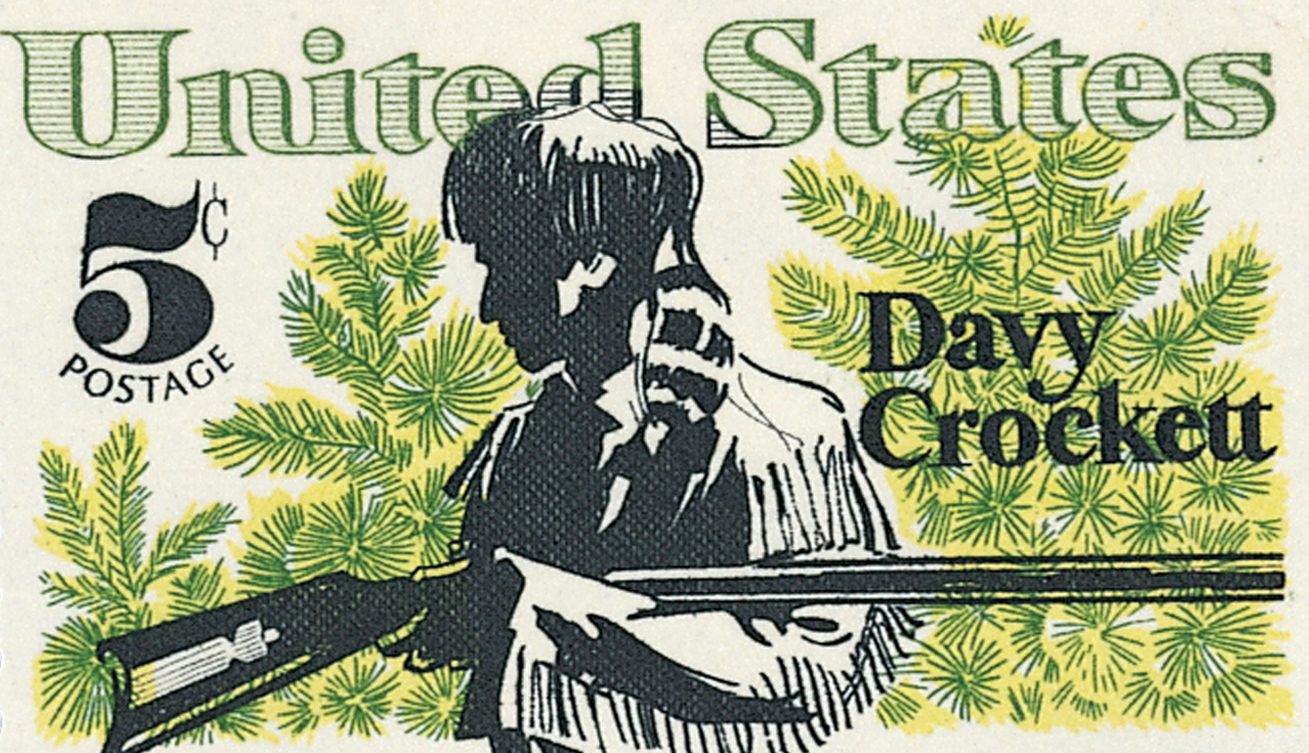
David “Davy” Crockett was born on August 17, 1786 in Greene County, North Carolina (though it is now part of Tennessee). Dubbed the King of the Wild Frontier, Crockett was a folk hero, politician, frontiersman, and soldier.
On July 23, 1904, according to one popular account, an ice cream seller at the St. Louis World’s Fair found a tasty solution to serving ice cream without a dish. The familiar cone was not truly invented there, but the enormous fair helped turn it into a popular American treat.
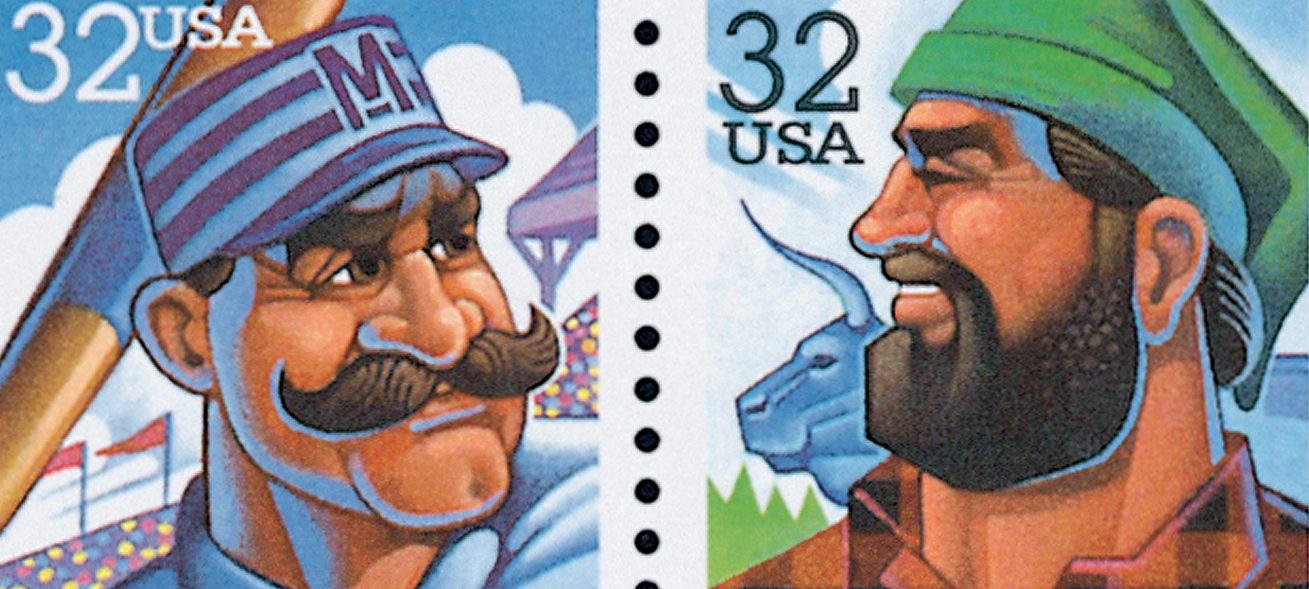
On July 11, 1996, the USPS issued four stamps honoring larger-than-life American Folk Heroes. The colorful set celebrated a mighty baseball slugger, a giant lumberjack, a legendary steel driver, and the wildest cowboy in the West.
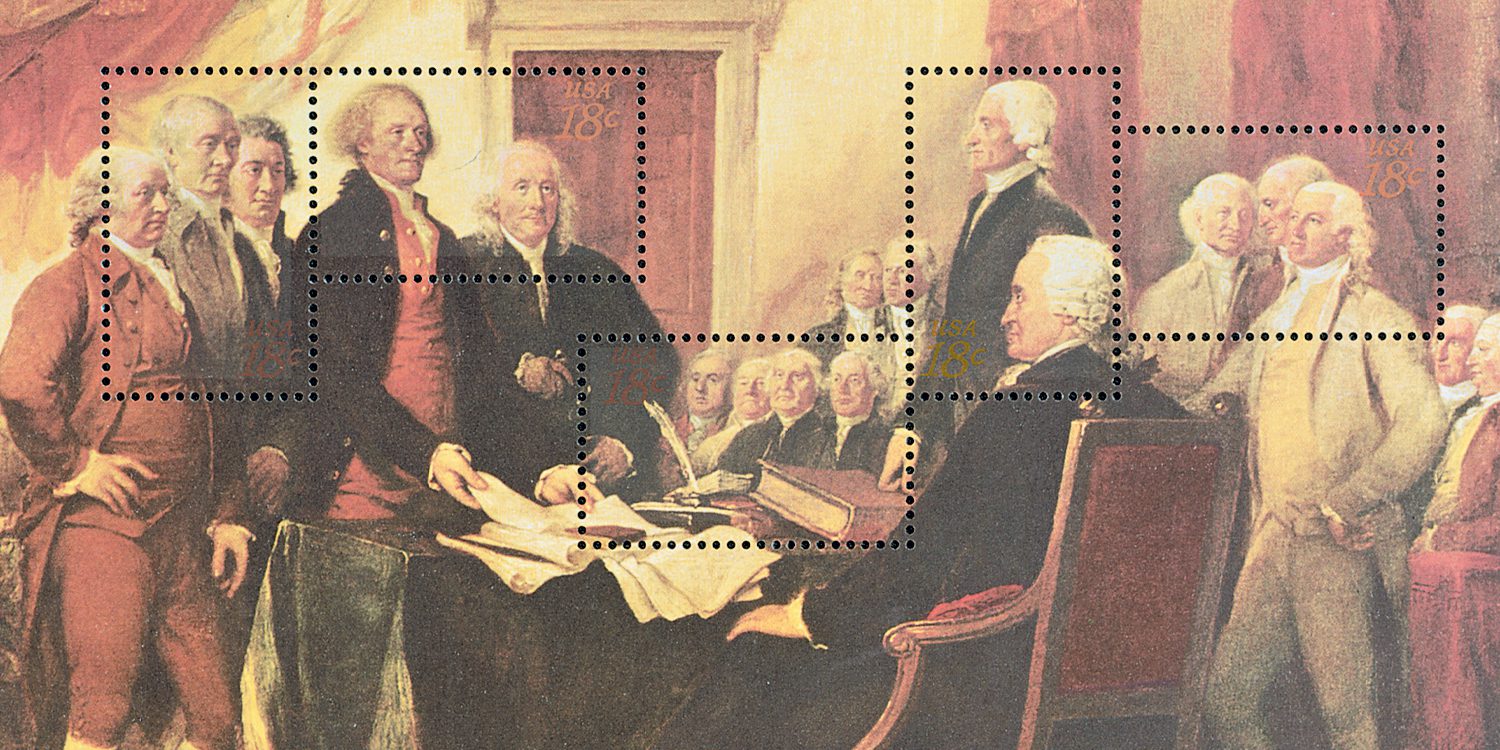
On July 4, 1776, the Second Continental Congress ratified the Declaration of Independence. One of America’s founding documents, it explained why the 13 colonies were at war with Great Britain and that they declared themselves to be independent sovereign states no longer under British rule.

On June 22, 1942, Congress formally adopted the Pledge of Allegiance. However, the familiar words recited today would not take their final form until more than a decade later.
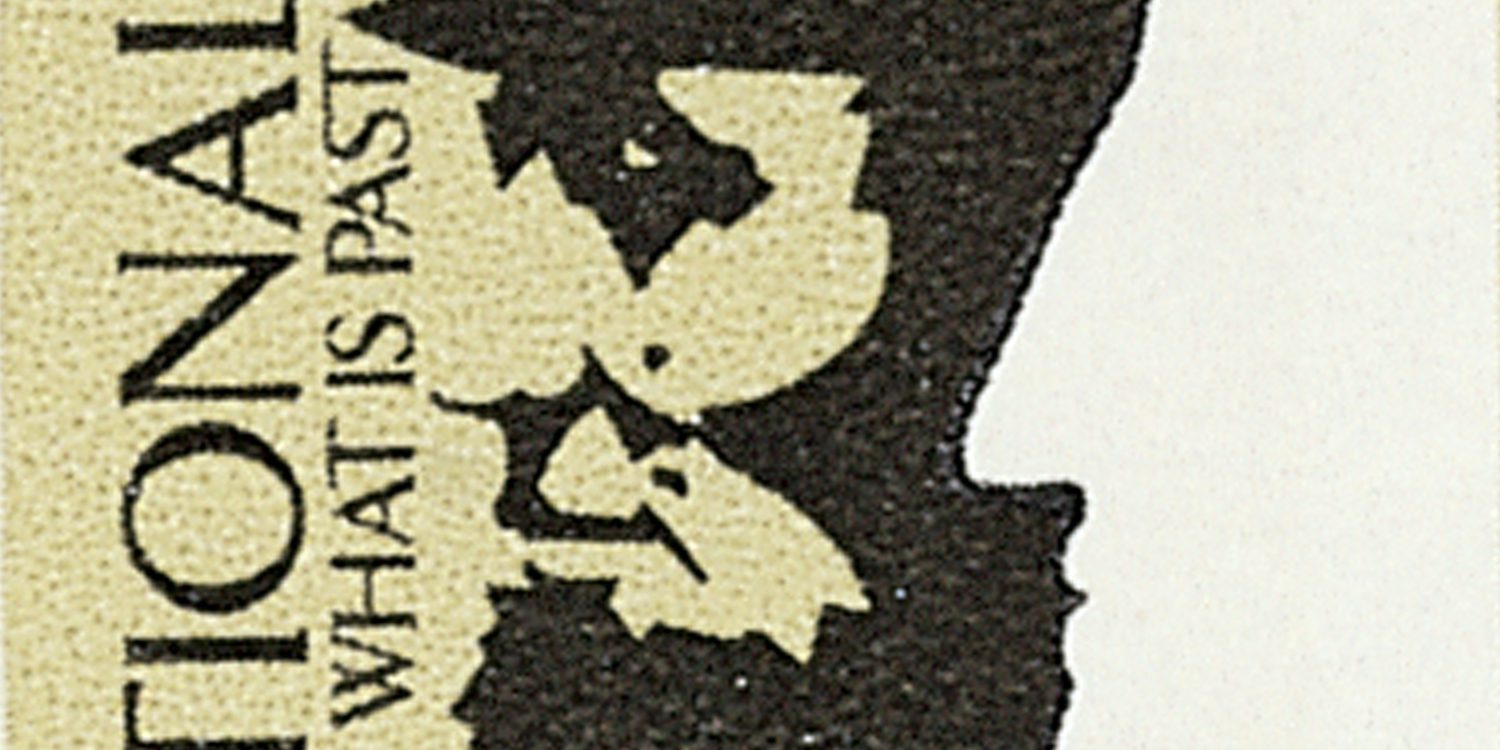
On June 19, 1934, President Franklin Roosevelt signed legislation creating the National Archives. The archives houses billions of historic documents, photographs, maps, videos, and more.
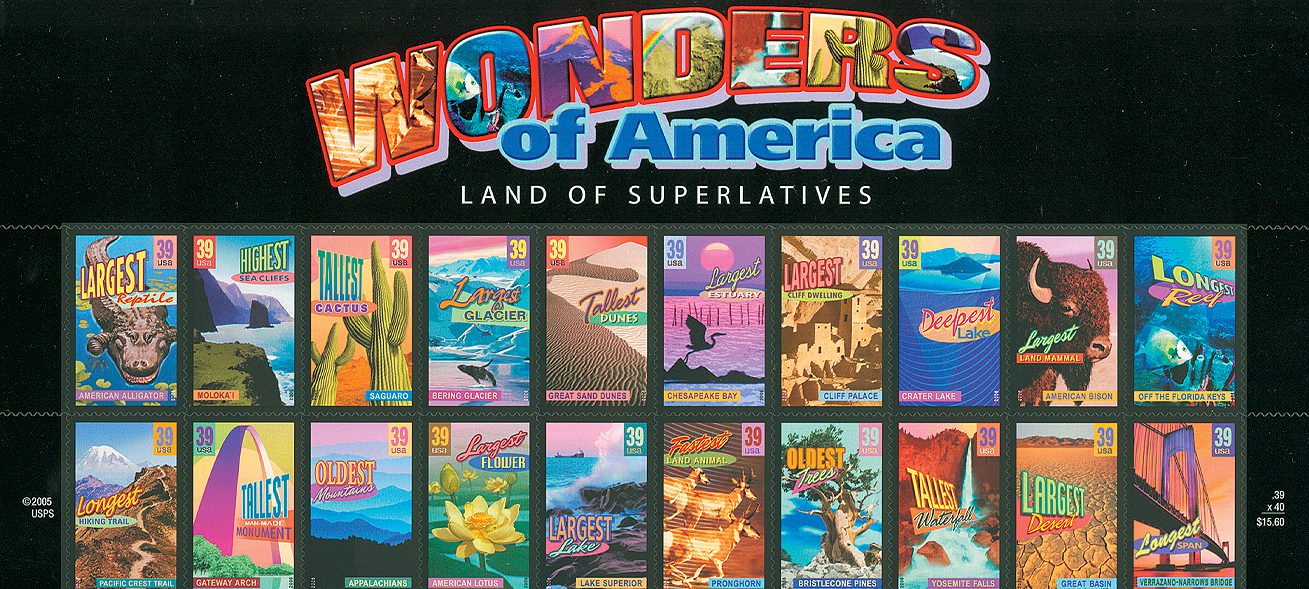
On May 27, 2006, the USPS issued a colorful stamp sheet honoring 40 American natural and man-made superlatives. Called Wonders of America: Land of Superlatives, the pane celebrated record-setting places, plants, animals, and structures from across the country.

On November 18, 1865, Mark Twain published an early version of “The Celebrated Jumping Frog of Calaveras County” in The New York Saturday Press, bringing him his first real taste of national fame. Although he would later become one of America’s most important writers, this humorous frontier tale was the piece that launched his career and revealed his talent for storytelling, satire, and capturing the voices of everyday people.