Cumberland Gap National Historical Park
Cumberland Gap National Historical Park was established on June 11, 1940, along the Kentucky-Virginia border. The park preserves and honors the “first great gateway to the West.”


Cumberland Gap National Historical Park was established on June 11, 1940, along the Kentucky-Virginia border. The park preserves and honors the “first great gateway to the West.”
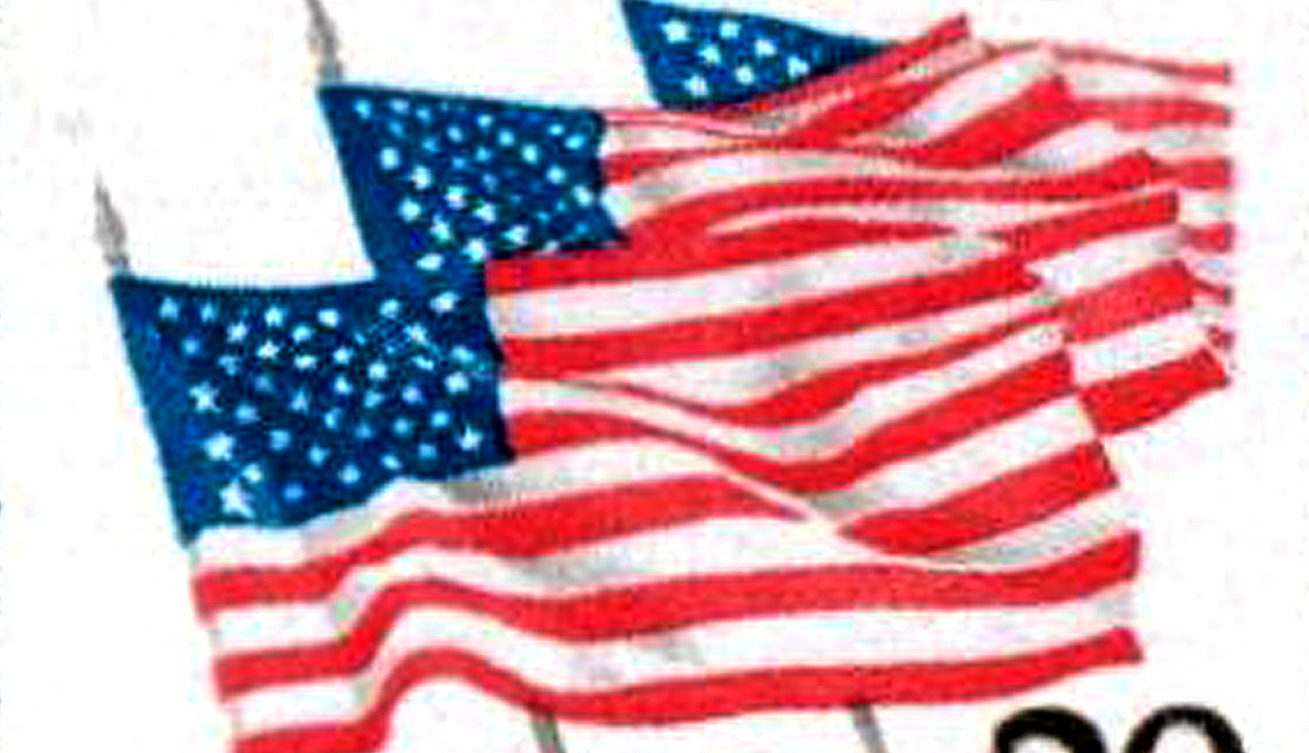
On May 30, 1868, the first Memorial Day, then called Decoration Day, was held in the United States. It’s grown to become a federal holiday dedicated to remembering the sacrifices of our fallen soldiers.
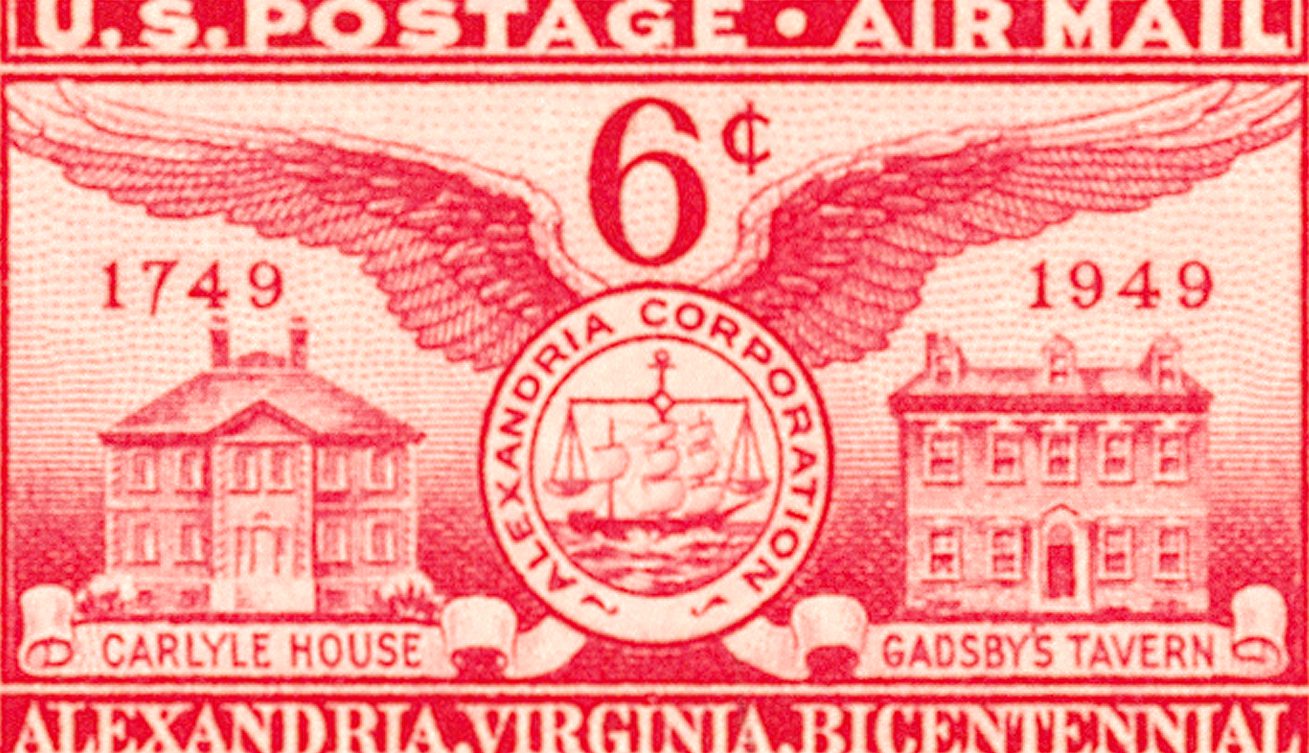
On May 24, 1861, Colonel Elmer Ellsworth, a close friend of President Abraham Lincoln, became the first Union officer to die in the Civil War. “Remember Ellsworth” soon became a popular rallying cry for the Union.
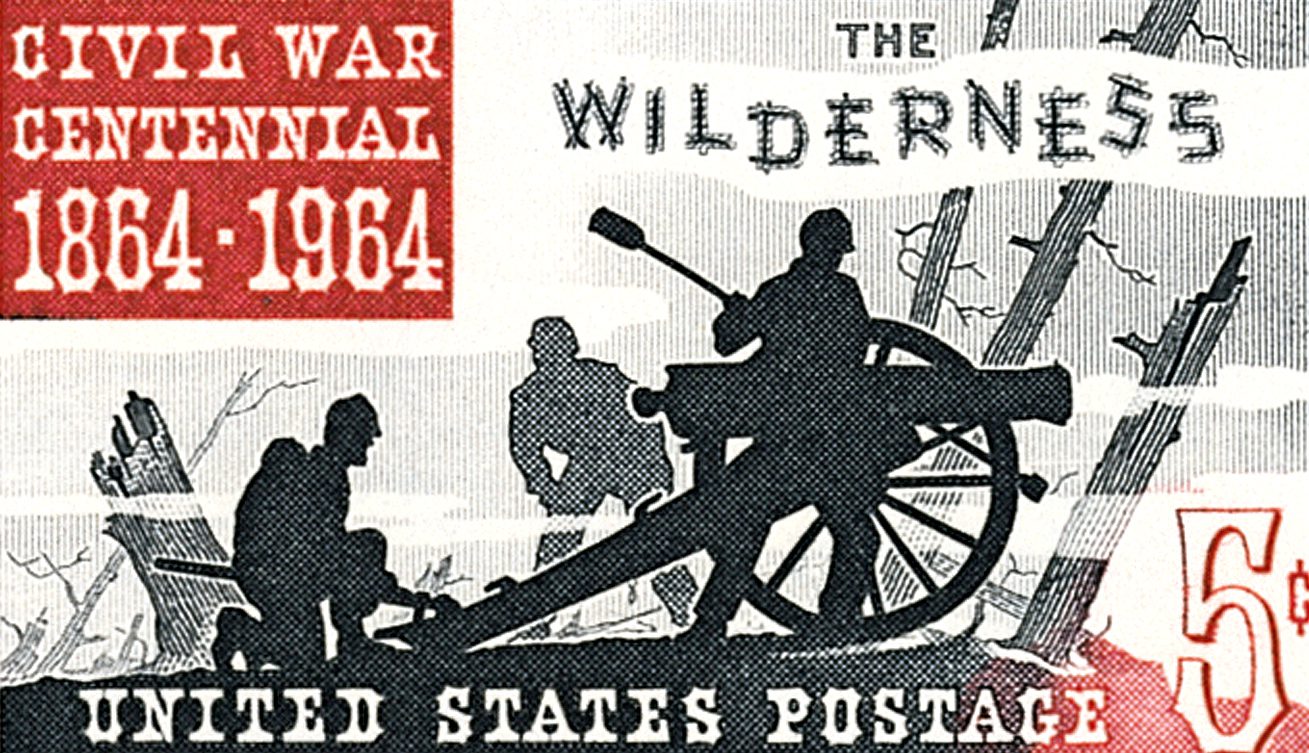
On May 5, 1864, Ulysses S. Grant and Robert E. Lee clashed for the first time at the Battle of the Wilderness in Virginia. It was the opening battle of Grant’s Overland Campaign, which was designed to destroy Lee’s Army of Northern Virginia.
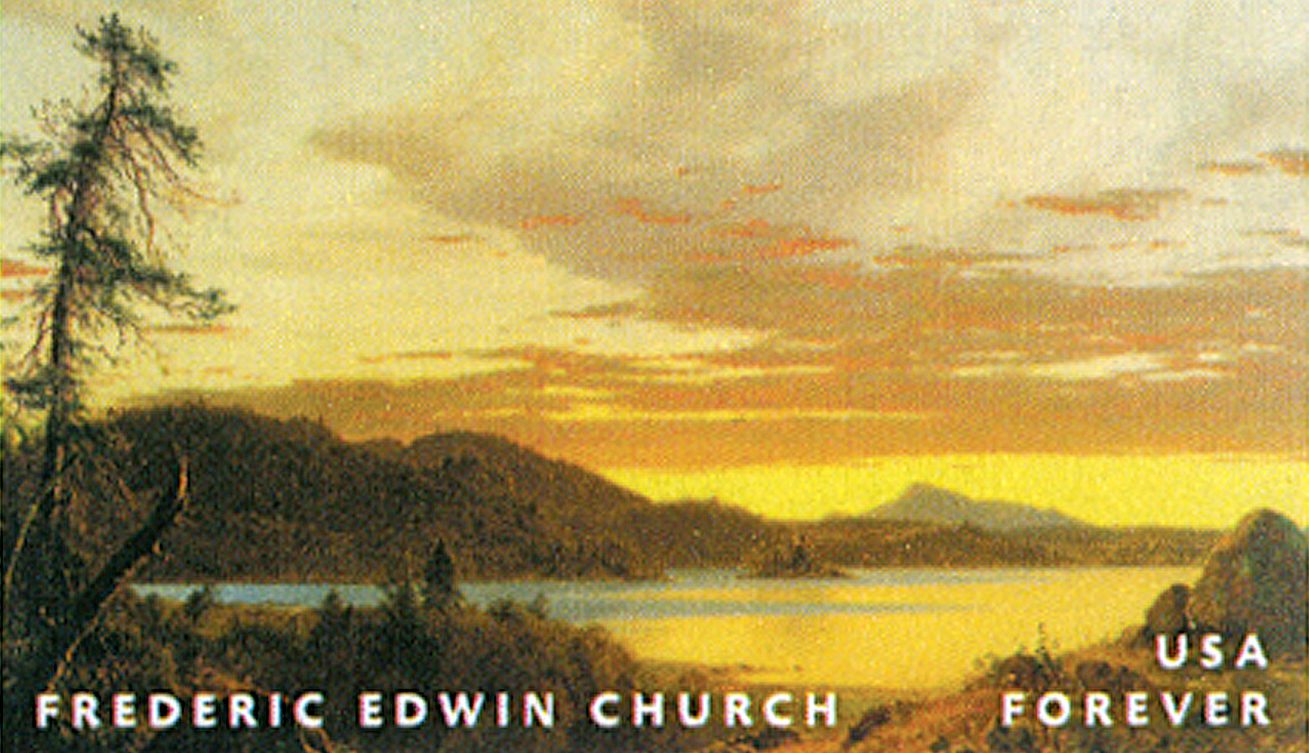
Frederic Edwin Church was born on May 4, 1826, in Hartford, Connecticut. Known for his large, dramatic landscapes, he is one of the most traveled, best known, and most successful of the Hudson River School artists.
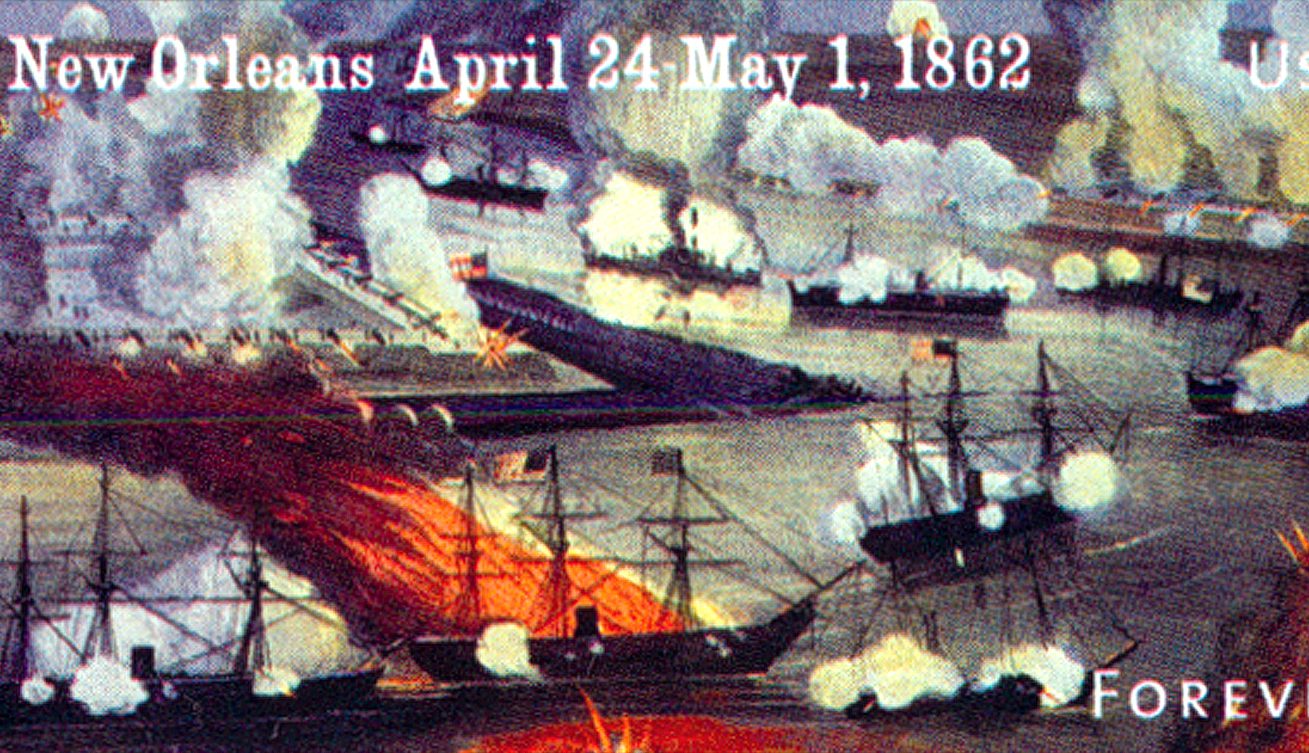
On April 29, 1862, Union Admiral David Farragut captured New Orleans from Confederate forces. Capturing one of the Confederacy’s largest cities, known as the “Jewel of the South,” this was a major victory and turning point in the Civil War.

On April 27, 1861, Abraham Lincoln became the first US president to suspend the writ of habeas corpus – the right to be released from unlawful detention. He took this controversial move in the hopes it would prevent Maryland from joining the Confederacy.
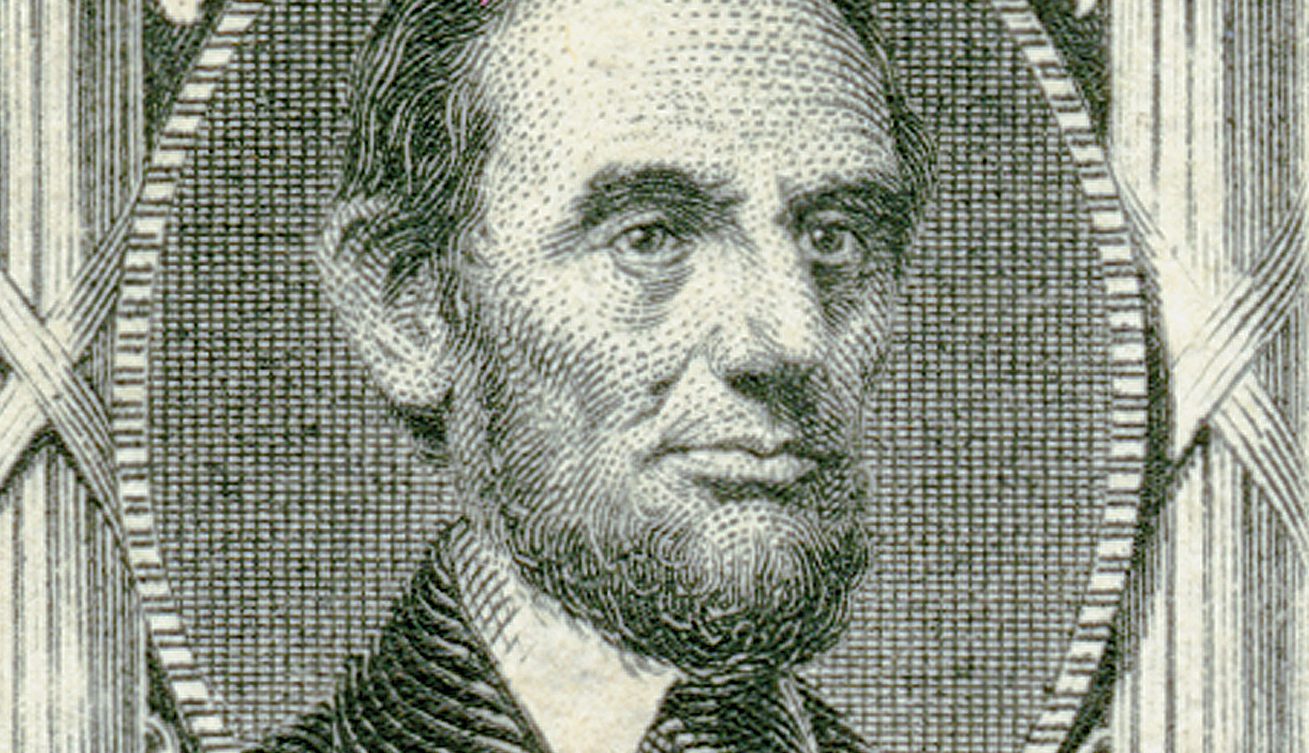
April 14, 1866 was the earliest known usage of the first US mourning stamp, which honored Abraham Lincoln. It was issued a year after his assassination, during a critical time in US history, when the country was attempting to heal from the bloody Civil War.

On April 12, 1861, North and South clashed for the first time at Fort Sumter, South Carolina. It was the opening battle of the Civil War, the bloodiest conflict in American history.