Death of Julia Ward Howe
Poet and reformer Julia Ward Howe died in Portsmouth, Rhode Island, on October 17, 1910. Best known for “The Battle Hymn of the Republic,” she also spent decades organizing for women’s rights and peace.

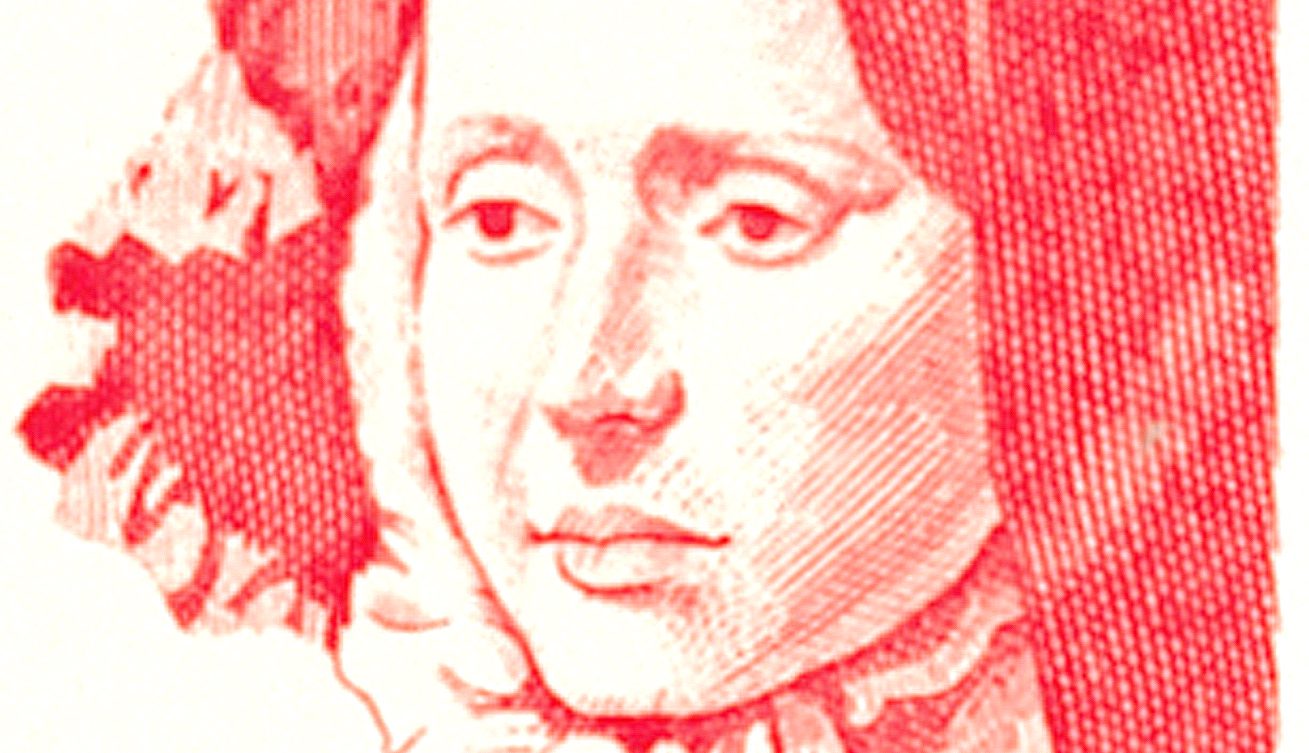
Poet and reformer Julia Ward Howe died in Portsmouth, Rhode Island, on October 17, 1910. Best known for “The Battle Hymn of the Republic,” she also spent decades organizing for women’s rights and peace.
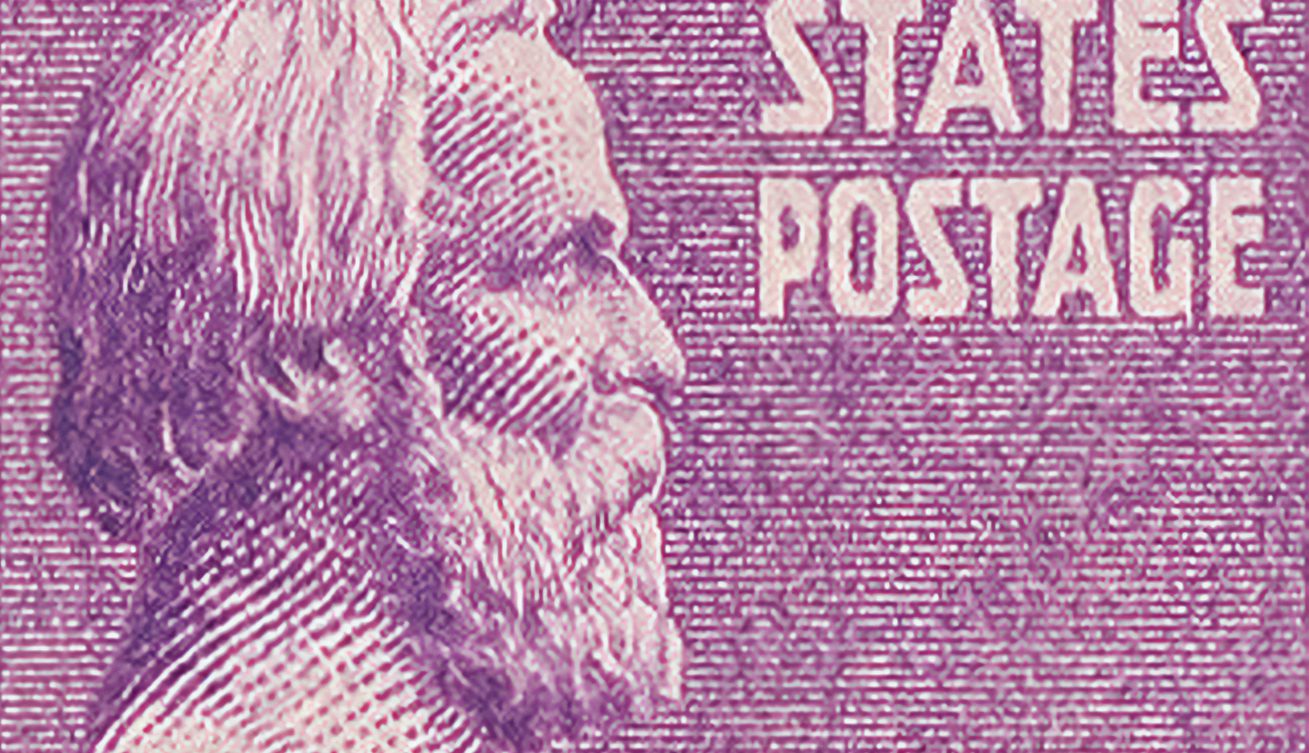
Rutherford Birchard Hayes was born on October 4, 1822, in Delaware, Ohio. He would become president after the nation’s most disputed election of the 19th century, then serve a single term shaped by Reconstruction’s end, civil-service reform, and difficult questions about money, immigration, and racial equality.
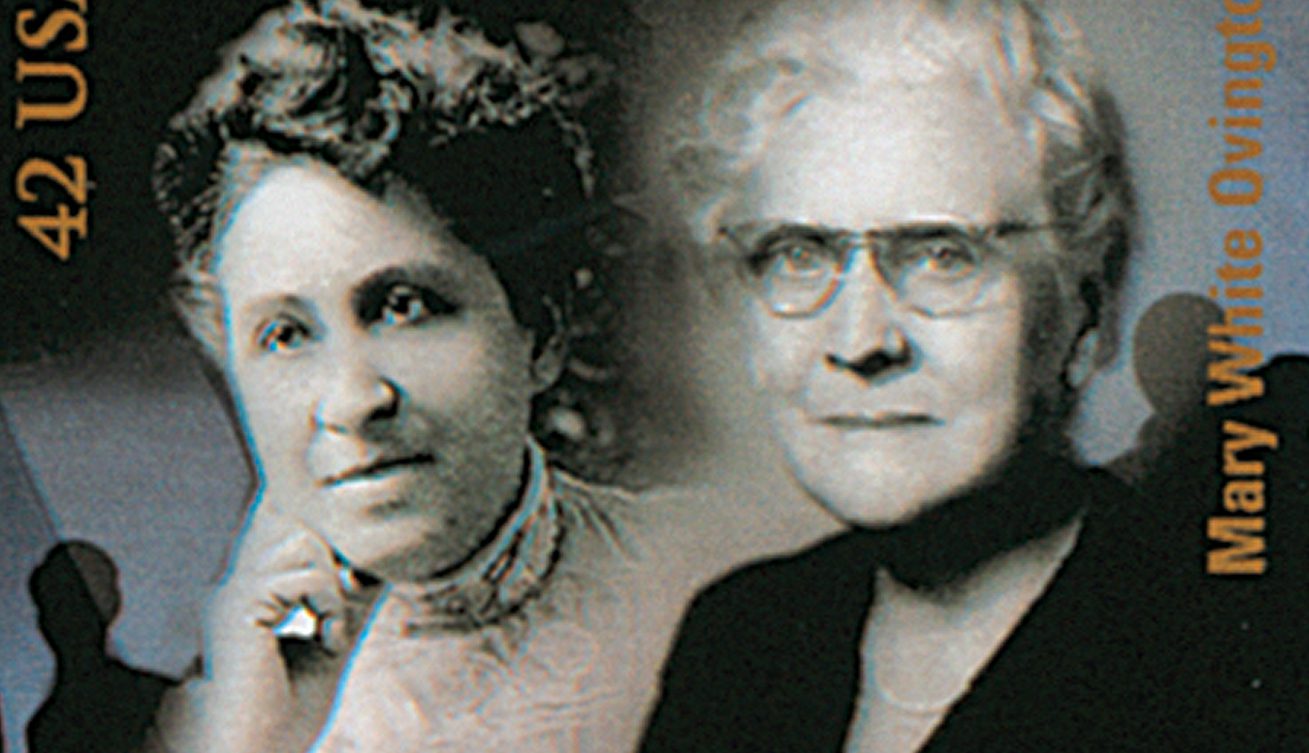
Mary Church Terrell was born on September 23, 1863, in Memphis, Tennessee. Over the next nine decades, she used education, writing, public speaking, and direct protest to challenge racial discrimination and support women’s voting rights.
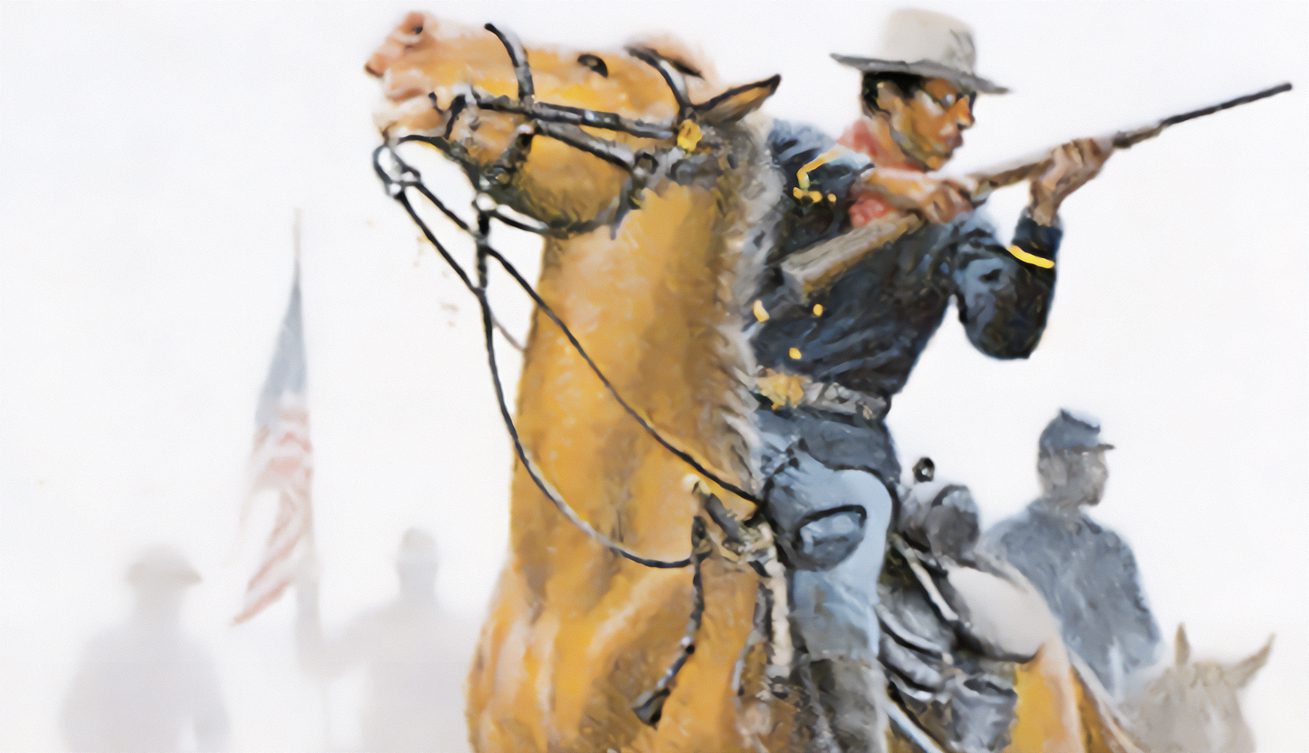
On September 21, 1866, the US Army organized six new Black regiments: the 9th and 10th Cavalry and the 38th, 39th, 40th, and 41st Infantry. Created during Reconstruction, they gave African American soldiers a continuing place in the peacetime Regular Army and began the history of the troops later known as the Buffalo Soldiers.

On September 16, 1893, some 100,000 people raced to claim 6 million acres of land in former Indian Territory in Oklahoma. It was the largest land run into Oklahoma and resulted in the establishment of 40,000 homesteads.

On September 7, 1813, a newspaper referred to the United States as “Uncle Sam.” The name reportedly came from Troy, New York’s Uncle Sam Wilson, and has since become one of America’s most enduring national symbols.
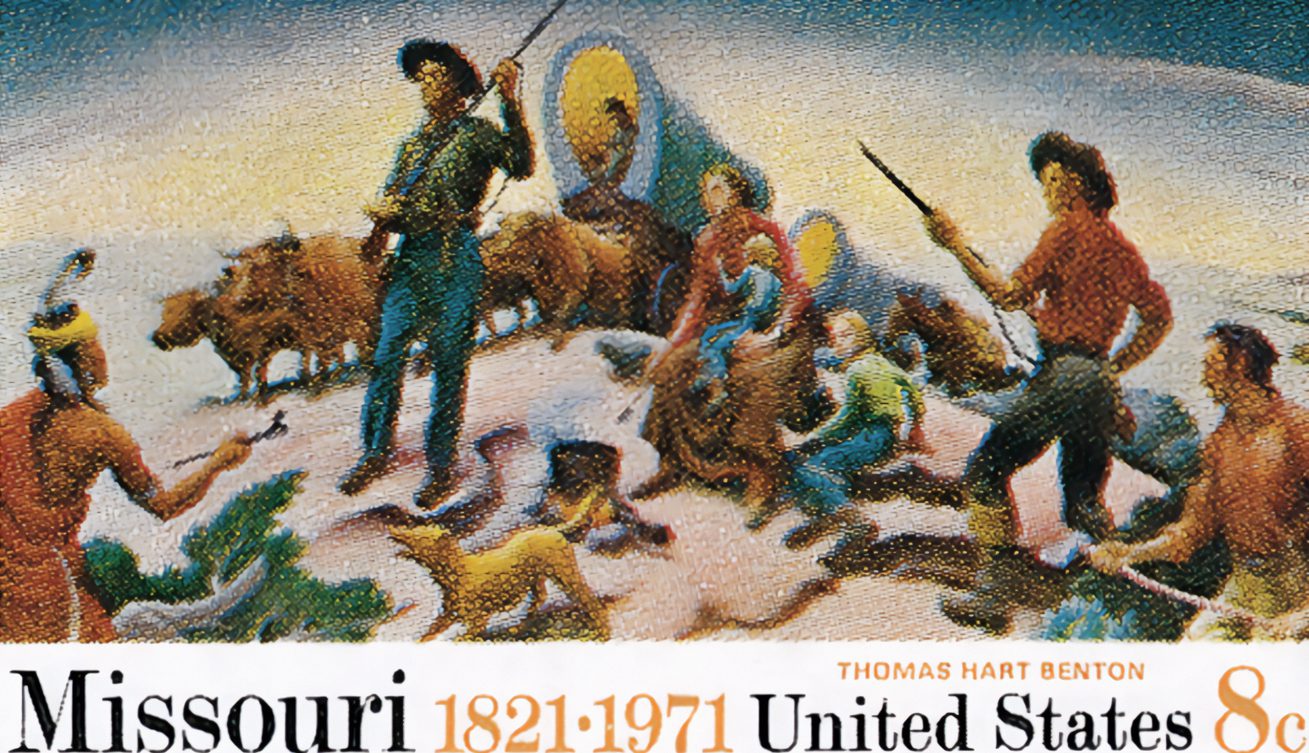
On August 10, 1861, Union and Southern forces fought the Battle of Wilson’s Creek near Springfield, Missouri, the first major Civil War battle west of the Mississippi River. The six-hour struggle ended in a Southern victory, but it did not settle the larger contest for control of the divided border state.

On August 8, 1863, General Robert E. Lee wrote to Confederate President Jefferson Davis and asked to be replaced after the defeat at Gettysburg. In the private letter, Lee admitted that his health and strength were failing and questioned whether he could still command the Army of Northern Virginia effectively.

On August 4, 1790, President George Washington passed a new Tariff Act that created the United States Revenue Cutter Service, the forerunner of the US Coast Guard. The Revenue Cutter Service was America’s only armed maritime service until the Navy was formed in 1798.