Rhode Island Becomes 13th State
On May 29, 1790, Rhode Island became the last of the original 13 colonies to ratify the US Constitution. The vote was close, but it brought the smallest state into the new nation as the 13th state.


On May 29, 1790, Rhode Island became the last of the original 13 colonies to ratify the US Constitution. The vote was close, but it brought the smallest state into the new nation as the 13th state.

On May 12, 1820, nurse and social reformer Florence Nightingale was born in Florence, Tuscany, Italy. Her work during the Crimean War made her famous – but she’s best remembered today for her efforts to make health care safer. Her birthday later became a lasting day of recognition for health care, inspiring observances such as International Nurses Day and the original National Hospital Day.
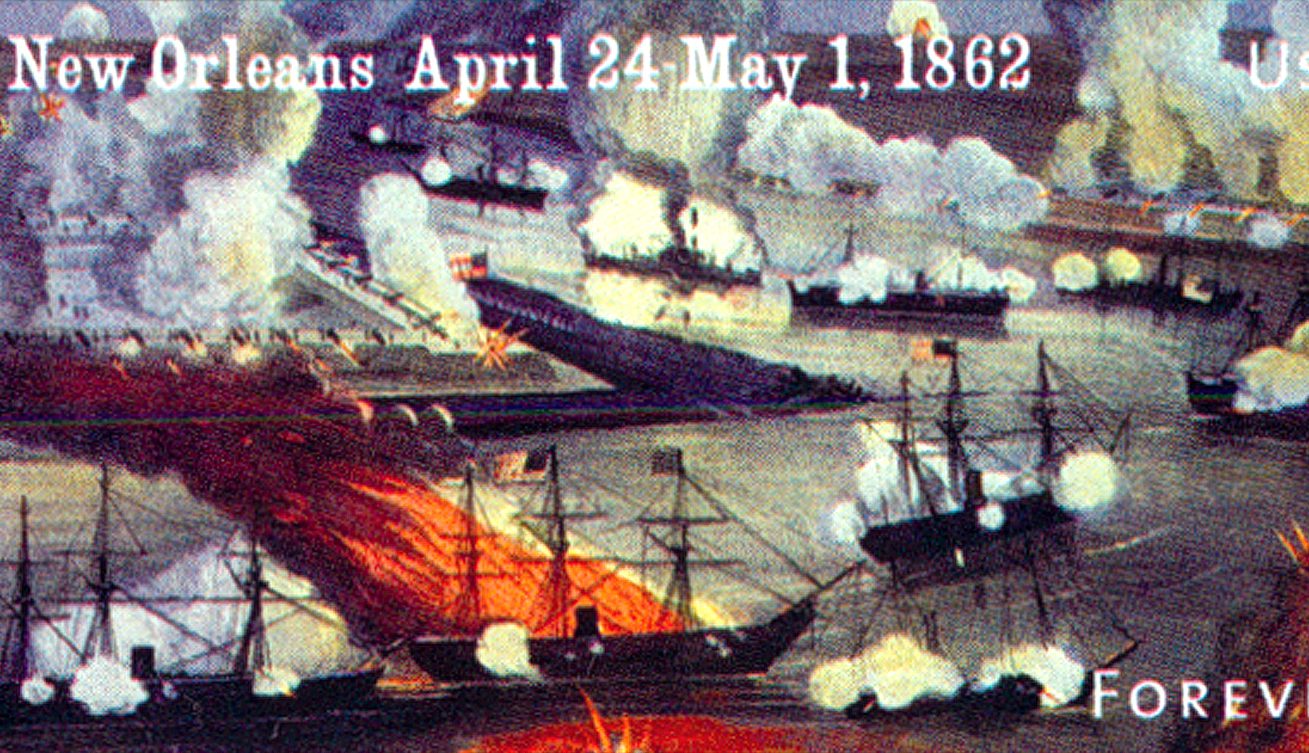
On May 3, 1861, General-in-Chief Winfield Scott presented a strategy to defeat the Confederacy with limited bloodshed. Later nicknamed the “Anaconda Plan,” it aimed to squeeze the South through blockade and control of its rivers rather than by one dramatic battle.

On April 12, 1862, a group of Union sympathizers stole a Confederate train, setting off a high-speed pursuit that lasted nearly eight hours. The event, later known as the Great Locomotive Chase, unfolded along a single rail line but revealed just how critical transportation had become in the Civil War.
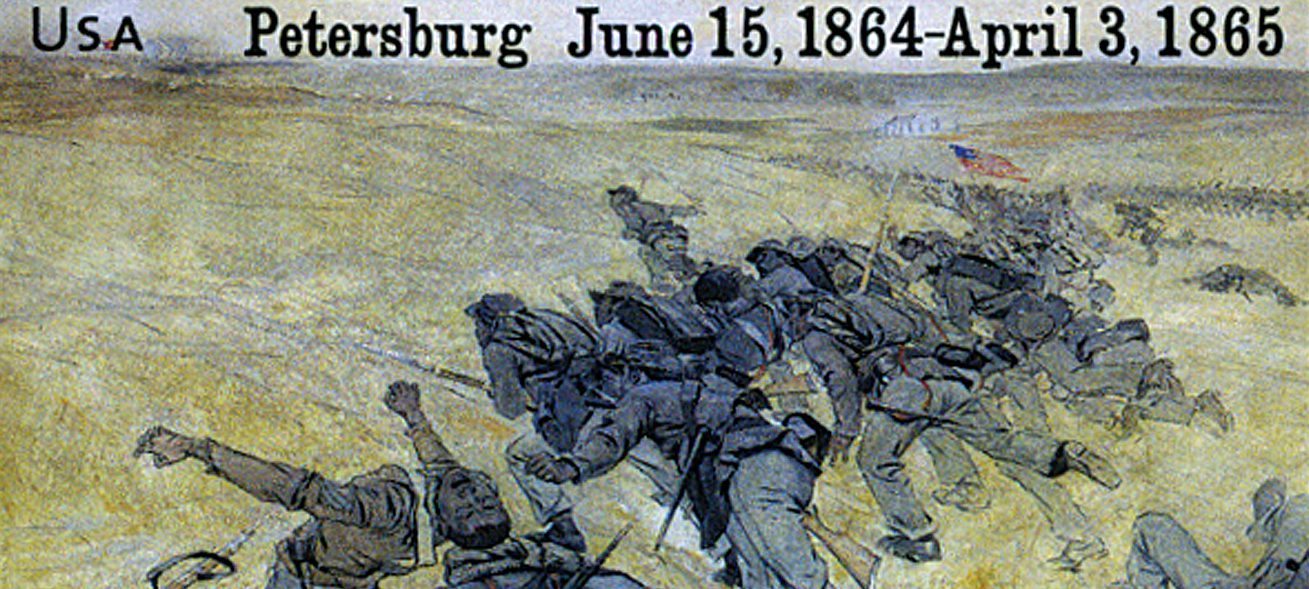
On April 3, 1865, Union forces entered Richmond, Virginia, the capital of the Confederacy, following their breakthrough at Petersburg. The fall of the city marked the collapse of the South’s political center and signaled that the Civil War’s end was close at hand.
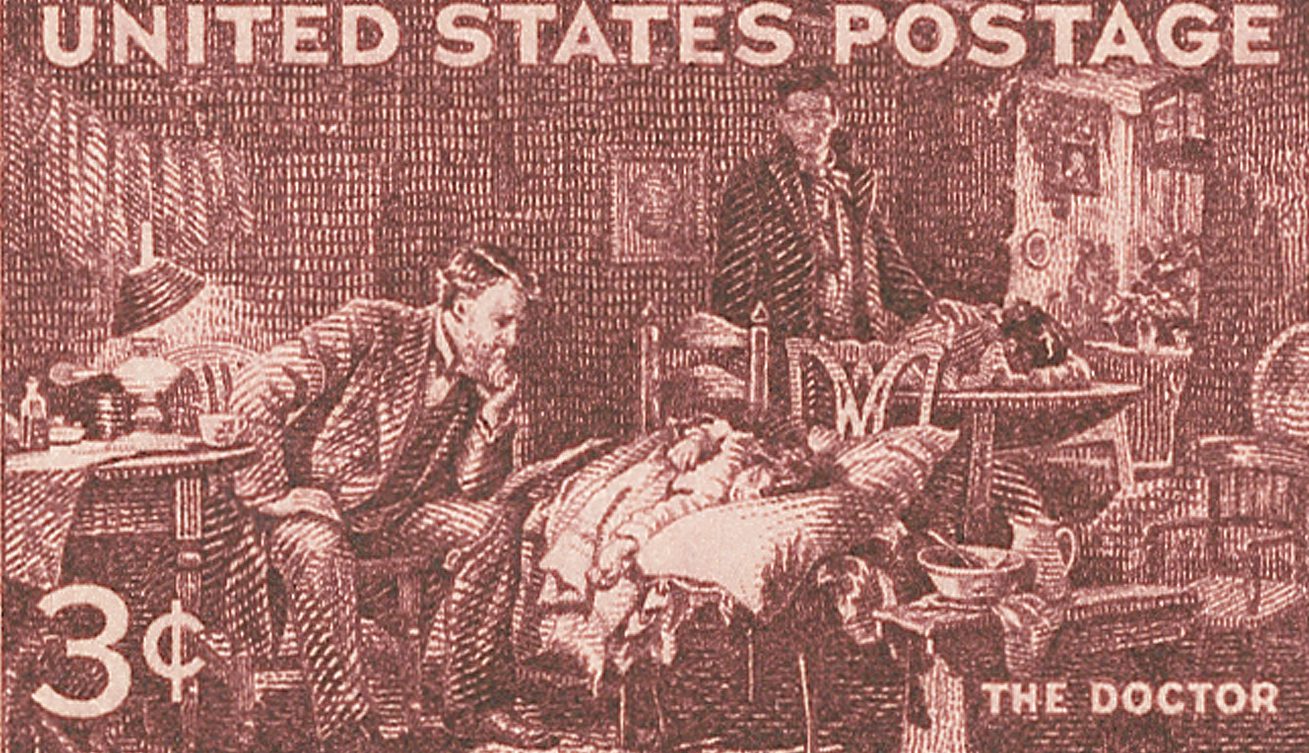
On March 30, 1842, Dr. Crawford W. Long used ether during surgery for the first time, allowing a patient to undergo a procedure without pain. That moment is now honored each year as National Doctors’ Day, recognizing both the event and the physicians who continue to apply medical science in practice.
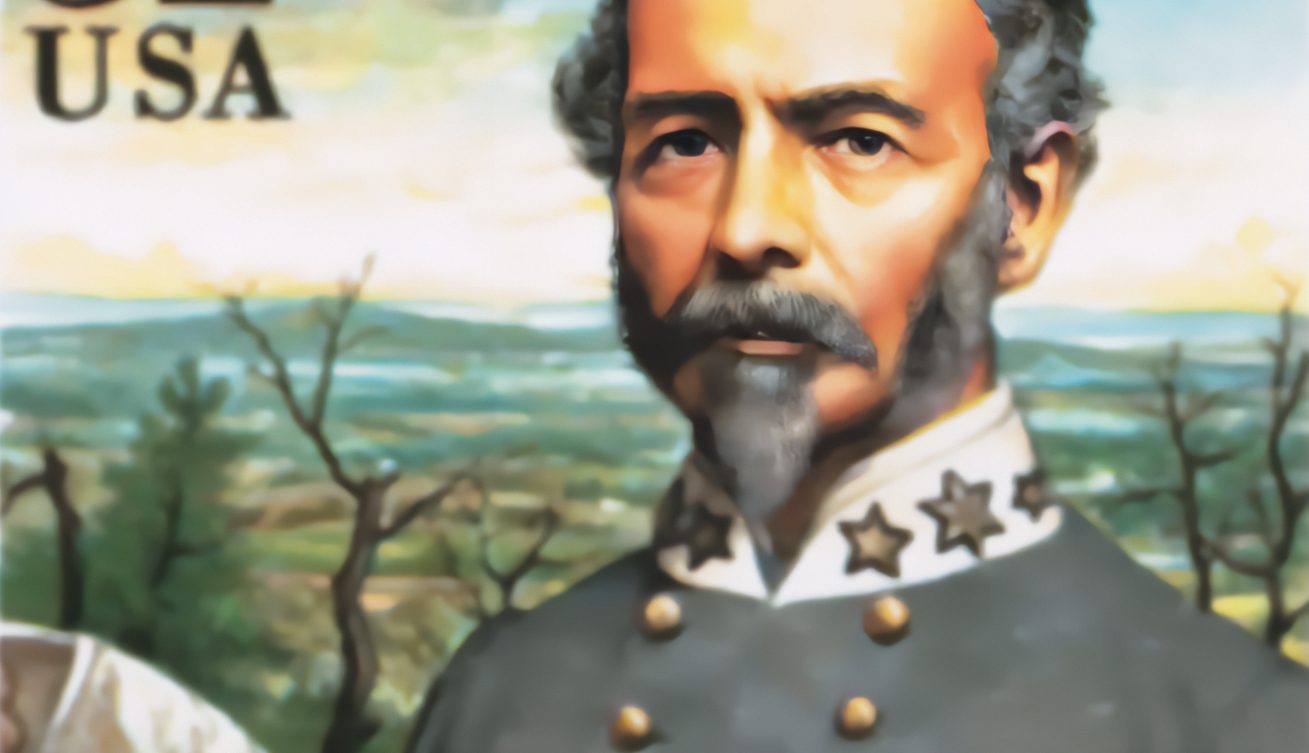
On March 21, 1891, General Joseph E. Johnston—who had served both the United States and the Confederacy—died after a final act of respect for a former enemy. His life traced the divided loyalties of the Civil War, and even in death, it reflected a measure of reconciliation between North and South.
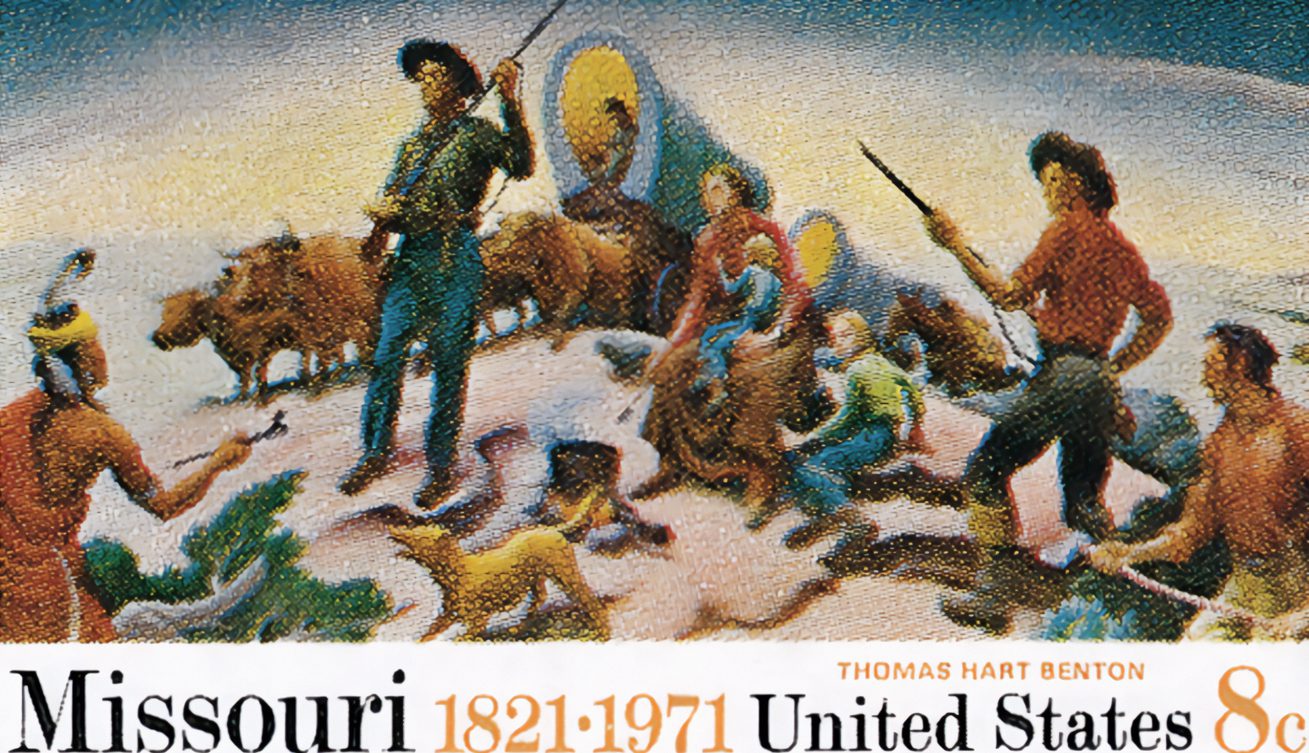
On March 6, 1820, President James Monroe signed the Missouri Compromise into law. The measure aimed to calm rising tensions over slavery, but it also revealed how deeply divided the nation had already become.
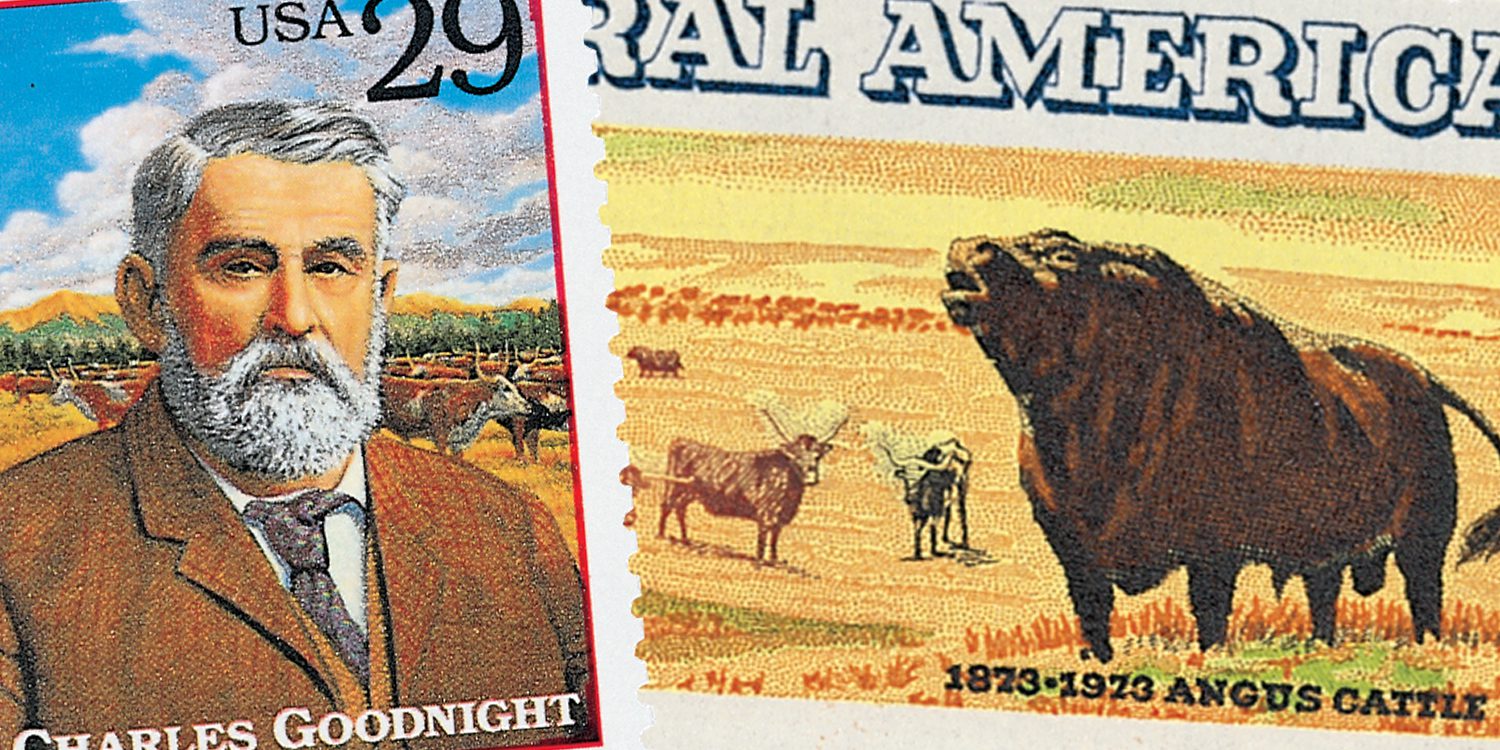
Cattle rancher Charles Goodnight was born on March 5, 1836, in Macoupin County, Illinois. One of America’s most famous cattle barons, Goodnight helped blaze a major cattle trail and is sometimes referred to as the “Father of the Texas Panhandle.”