
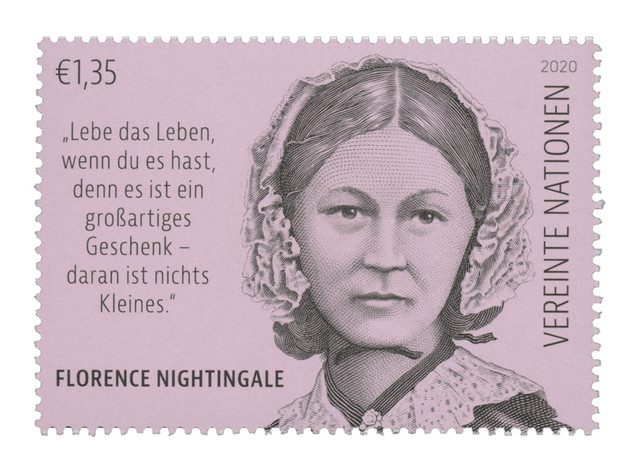
On May 12, 1820, nurse and social reformer Florence Nightingale was born in Florence, Tuscany, Italy. Her work during the Crimean War made her famous – but she’s best remembered today for her efforts to make health care safer. Her birthday later became a lasting day of recognition for health care, inspiring observances such as International Nurses Day and the original National Hospital Day.
Nightingale was born into a wealthy British family while her parents were traveling in Europe. They named her Florence after the city of her birth. Her older sister, Parthenope, had also been named for her birthplace, an ancient Greek name for Naples. The family returned to England the next year and divided their time between homes in Derbyshire and Hampshire.
Nightingale received a strong education at home. Her father, William Edward Nightingale, taught her subjects not always offered to girls at the time, including history, philosophy, mathematics, and several languages. Her mother, Frances, expected Florence to take her place in society, marry well, and manage a respectable household. Florence wanted a different life.

In 1837, when she was 16, Nightingale believed she had received a call from God to serve others. She did not know at once what form that service would take. Nursing was not considered a respectable career for a woman of her class. Hospitals were often crowded and dirty, and many nurses had little formal training. Her family strongly opposed the idea.
Nightingale’s travels helped shape her views. In 1838, while touring Europe with her family, she met Mary Clarke in Paris. Clarke was an independent, intelligent woman who challenged the limits placed on women. She encouraged Nightingale to think seriously about women’s abilities and their right to meaningful work.
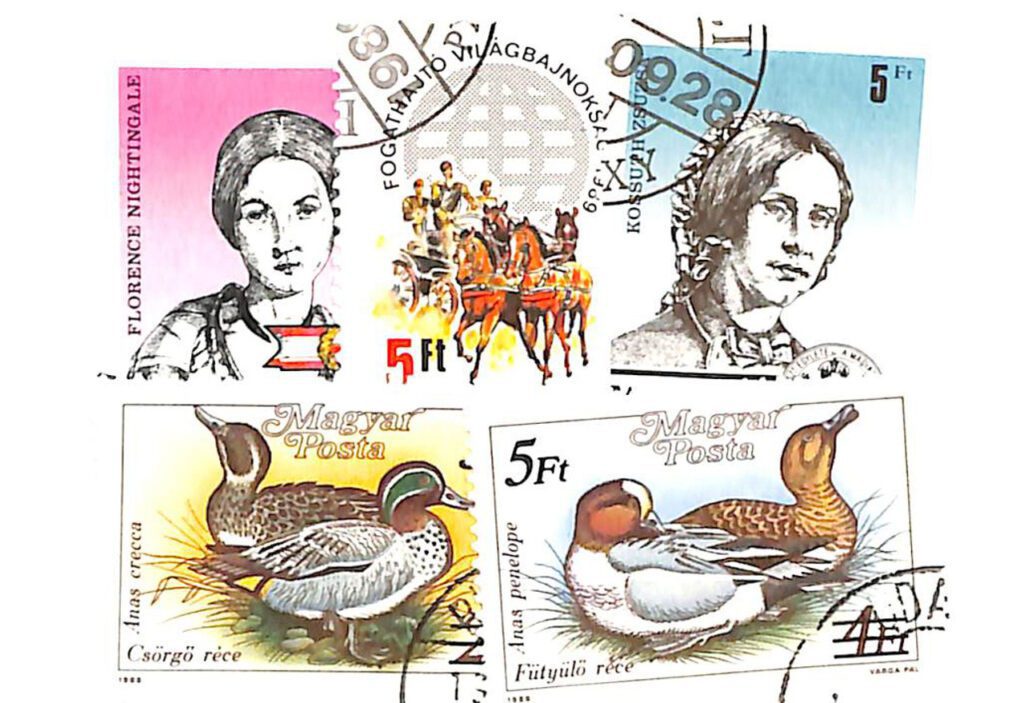
Nightingale continued to study health care wherever she could. In 1850, she visited the Lutheran community at Kaiserswerth-am-Rhein in Germany. Pastor Theodor Fliedner and the deaconesses there trained women to care for the sick and poor. Nightingale later returned for several months of training. She saw Kaiserswerth as a turning point in her life and wrote about the institution to bring attention to its methods.
In 1853, Nightingale became superintendent of the Institution for the Care of Sick Gentlewomen in Distressed Circumstances in London. The job gave her experience managing staff, supplies, finances, and patients. Those skills became vital the next year, when Britain entered the Crimean War against Russia.
Reports from the war shocked the British public. Soldiers were dying not only from battle wounds, but also from disease, poor sanitation, and lack of supplies. In October 1854, Nightingale led a group of 38 trained volunteer nurses to the British military hospital at Scutari, near Constantinople, in the Ottoman Empire. They were joined in the larger nursing effort by Roman Catholic and Anglican sisters.
The conditions were terrible. The hospital was overcrowded. Sewers were faulty. Bedding was filthy. Patients lacked clean clothing, proper food, and basic medical supplies. Rats and insects were common. Many soldiers suffered from cholera, typhus, dysentery, and infection.
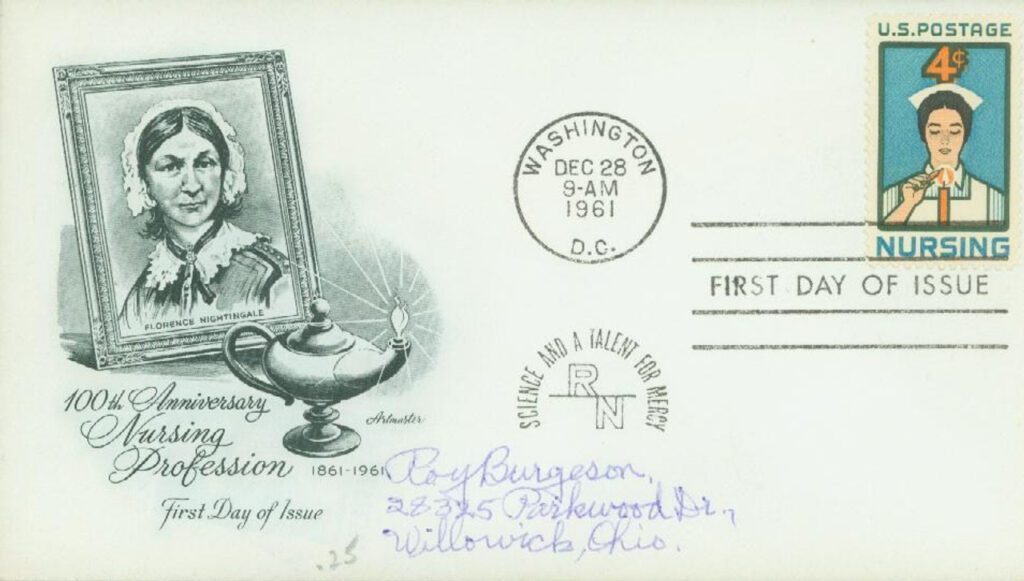
Nightingale and her nurses cleaned wards, organized laundry, improved food preparation, secured supplies, and gave soldiers more personal care. She also wrote letters for men who could not write home and worked long hours keeping records. At night, she walked through the wards carrying a lamp. Newspaper accounts made this image famous, and she became known as “the Lady with the Lamp.”
For many years, Nightingale was credited with lowering the hospital death rate from about 42 percent to about 2 percent through her nursing reforms. Later evidence showed the largest drop came after a government Sanitary Commission improved drainage, ventilation, and water systems at Scutari in 1855. Nightingale accepted this lesson. She became even more convinced that sanitation and statistics were essential to saving lives.

After the war, Nightingale returned to Britain as a national heroine, but she avoided public celebration. In 1855, supporters created the Nightingale Fund in her honor. She used it to open the Nightingale Training School for Nurses at St. Thomas’ Hospital in London in 1860. That school helped make nursing a skilled and respected profession.
That same year, she published Notes on Nursing. It explained practical ways to care for the sick, including fresh air, cleanliness, quiet, light, warmth, and proper diet. It was written for nurses, but families also used it at home.

Nightingale spent the rest of her life pushing for health reform. She advised British officials on army hospitals, workhouses, and public sanitation in India. During the American Civil War, Union leaders also sought her advice, and her work influenced the US Sanitary Commission. In the 1870s, she mentored Linda Richards, often called America’s first professionally trained nurse.
Nightingale died on August 13, 1910, in London. By then, nursing had changed greatly. Today, her name is tied to training, discipline, sanitation, and compassionate care. The Florence Nightingale Medal honors outstanding nurses, and her birthday, May 12, is observed as International Nurses Day.
| FREE printable This Day in History album pages Download a PDF of today’s article. Get a binder or other supplies to create your This Day in History album. |
Discover what else happened on This Day in History.
Her life made a difference! An example of service for others that changed a profession.
I wonder what were the two experiences that changed her life and strengthen her decision to dedicate her life to serving others?
I expect a US stamp issuance on May 12, 2020 to honor her 200th birthday. Well deserved.