
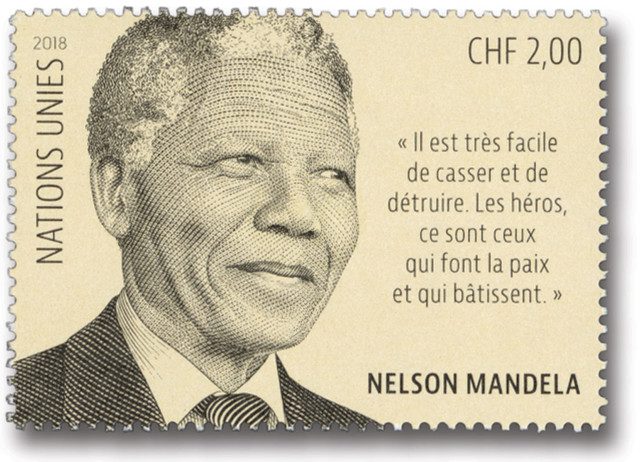
On May 9, 1994, Nelson Mandela was elected South Africa’s first black president. After decades of apartheid, prison, protest, and negotiation, the vote marked a turning point few South Africans had believed they would live to see.
Mandela was not chosen by a direct vote of the public that day. He was elected by South Africa’s newly seated National Assembly in Cape Town. The assembly had been chosen during the country’s first fully democratic election, held from April 26 to 29, 1994. For the first time, South Africans of all races could vote in a national election.
The election brought long lines across the country. Many voters waited for hours, some standing in queues that stretched far down roads and around buildings. The election was not perfectly organized. Some polling stations ran short of supplies, and there had been political violence before voting began. Still, the vote moved forward and produced a government accepted by the major parties.
Mandela’s African National Congress, or ANC, won the largest share of the vote. It received about 62.6 percent and took 252 of the 400 seats in the National Assembly. The National Party, led by outgoing President F.W. de Klerk, finished second. The Inkatha Freedom Party, strongest in KwaZulu-Natal, came third. Under South Africa’s temporary constitution, parties with enough seats could join a government of national unity.
Mandela’s election on May 9 was both historic and carefully structured. South Africa was moving from white-minority rule to a new constitutional system. It was also trying to avoid civil war. The new government included former enemies. De Klerk, who had helped begin the formal end of apartheid, became one of Mandela’s deputy presidents. Thabo Mbeki of the ANC became the other.
Mandela’s path to the presidency had been long and costly. He was born Rolihlahla Mandela on July 18, 1918, in the village of Mvezo in what is now South Africa’s Eastern Cape. He trained as a lawyer and joined the ANC in the 1940s. As apartheid hardened into law after 1948, Mandela became more active in resistance. Apartheid controlled where people could live, work, travel, go to school, and vote, based on racial classification.
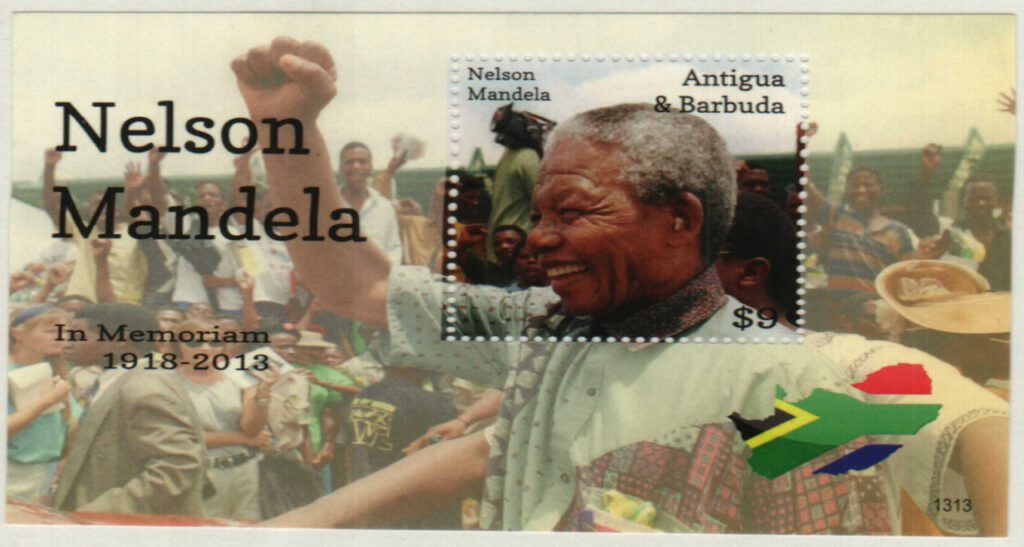
At first, Mandela supported nonviolent protest. After the Sharpeville massacre in 1960 and the banning of the ANC, he helped form Umkhonto we Sizwe, the ANC’s armed wing. In 1964, after the Rivonia Trial, Mandela was sentenced to life in prison. He spent 27 years behind bars, most famously on Robben Island. He became prisoner 466/64, a number later known around the world.
Mandela was released on February 11, 1990, after de Klerk lifted the ban on the ANC and other organizations. His release did not instantly solve South Africa’s crisis. Negotiations were difficult, and violence continued in several areas. But Mandela and de Klerk kept working toward a political settlement. In 1993, they shared the Nobel Peace Prize for helping end apartheid and lay the foundation for a democratic South Africa.
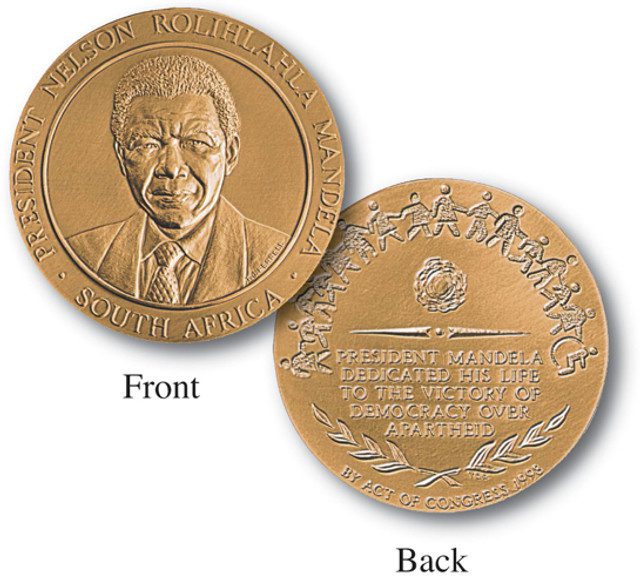
The day after his election, Mandela was inaugurated at the Union Buildings in Pretoria on May 10, 1994. World leaders and guests from many countries attended. Military aircraft flew overhead, including planes from the South African forces that had once served the apartheid government. Mandela used the moment to speak of building a country for all its people.
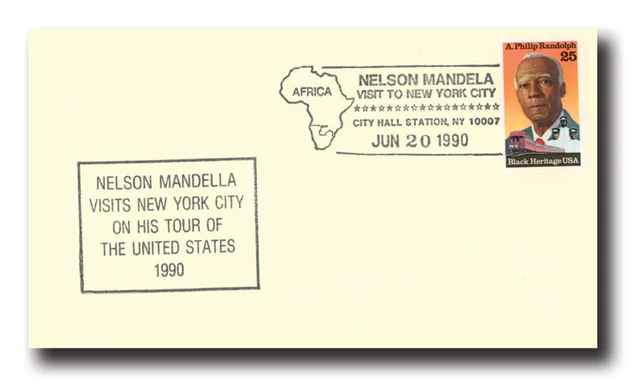
His presidency did not erase South Africa’s problems. The new government faced poverty, unequal schools, housing shortages, unemployment, and deep mistrust left by apartheid. Mandela’s first years in office focused on national unity, constitutional government, and symbolic acts of reconciliation. One of the best-known examples came in 1995, when he supported South Africa’s rugby team during the Rugby World Cup, a sport long linked with white Afrikaner identity.
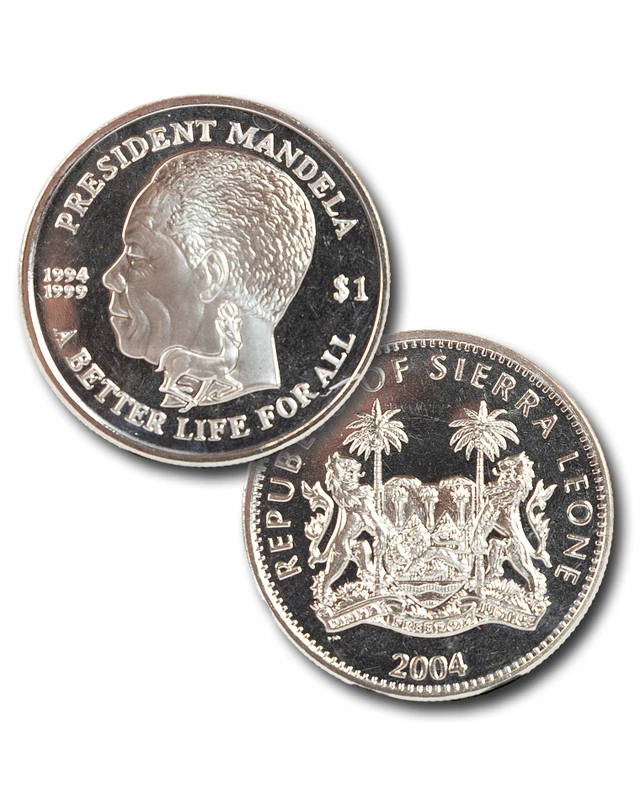
Mandela served one five-year term and did not seek reelection in 1999. That choice reinforced one of the main changes South Africa had made in 1994. Power would no longer be held by one group or one permanent ruler. It would pass through elections, laws, and institutions that were still being tested.
| FREE printable This Day in History album pages Download a PDF of today’s article. Get a binder or other supplies to create your This Day in History album. |
Discover what else happened on This Day in History.
And it was the beginning of the slide from first world country to third world country for South Africa.
No first world country supports apartheid.