
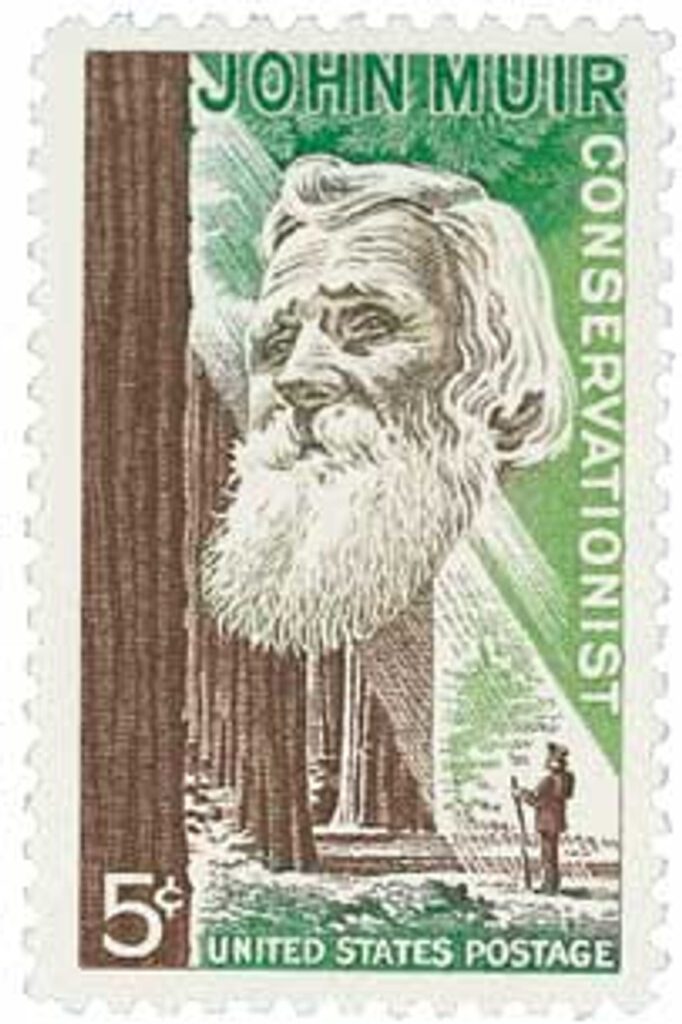
On May 28, 1892, John Muir and a small group of California conservationists founded the Sierra Club in San Francisco. Their goal was practical as well as poetic: bring people into the mountains, then organize them to protect the wild places they had come to love.
Muir was already one of America’s best-known defenders of wilderness. Born in Scotland in 1838, he had spent years walking, climbing, and studying the Sierra Nevada. Yosemite became the place most closely tied to his name. He explored its glaciers, wrote about its waterfalls and granite cliffs, and argued that the region deserved national protection.
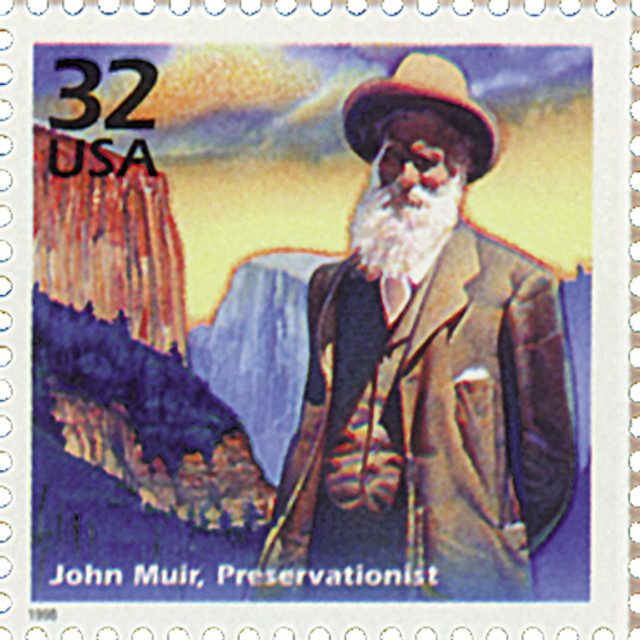
His essays reached readers far beyond California. One important ally was Robert Underwood Johnson, editor of Century Magazine. Johnson encouraged Muir to turn his love of Yosemite into political action. Their campaign helped lead to the creation of Yosemite National Park in 1890, though Yosemite Valley and the Mariposa Grove of giant sequoias remained under California control for several more years.
That victory showed what organized pressure could do. It also showed that one law was not enough. Logging, grazing, mining, water projects, and weak enforcement still threatened the Sierra Nevada. Johnson and others urged Muir to form a permanent association to defend the mountains. Attorney Warren Olney, University of California botanist Willis Linn Jepson, geologist Joseph LeConte, artist William Keith, Stanford president David Starr Jordan, and other supporters helped shape the new group.
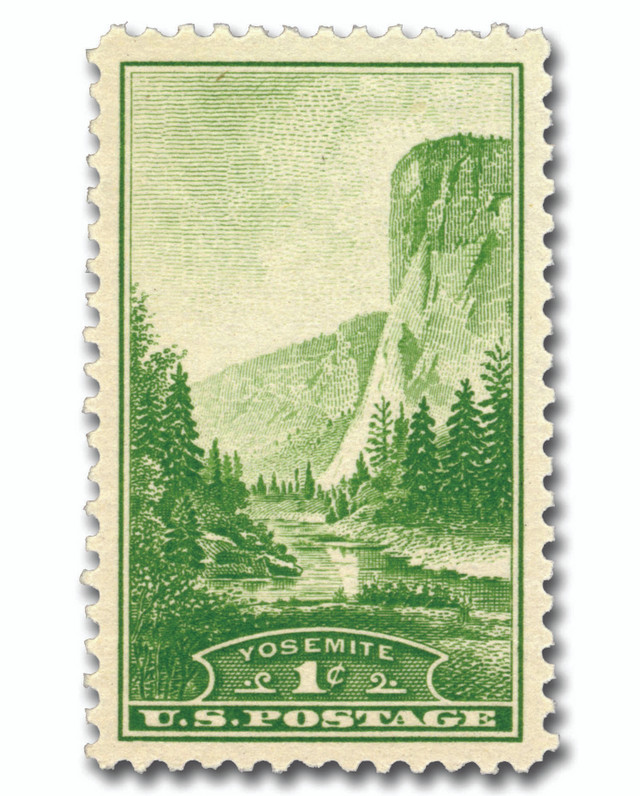
The Sierra Club’s first purpose was “to explore, enjoy, and render accessible the mountain regions of the Pacific Coast.” It also pledged to publish reliable information about the mountains and work for their preservation. Muir was elected the club’s first president. He held that office until his death in 1914.

The club mixed outdoor recreation with public advocacy. Its early outings introduced members to the Sierra Nevada by trail, campfire, and firsthand experience. Those trips helped build support for preserving Yosemite, Sequoia, Kings Canyon, and other western landscapes. In 1903, Muir famously camped in Yosemite with President Theodore Roosevelt. That visit helped strengthen Roosevelt’s conservation views. Two years later, California returned Yosemite Valley and Mariposa Grove to federal control, making them part of the larger national park.
The Sierra Club did not win every battle. Its most painful early defeat came at Hetch Hetchy Valley, a glacial valley within Yosemite National Park. San Francisco wanted to dam the valley for water and power. Muir and the Sierra Club fought the plan, arguing that a national park should not be treated as a reservoir site. Congress approved the dam in 1913, and Muir died the next year. The loss became a landmark moment in American environmental history and helped inspire stronger national park protections.
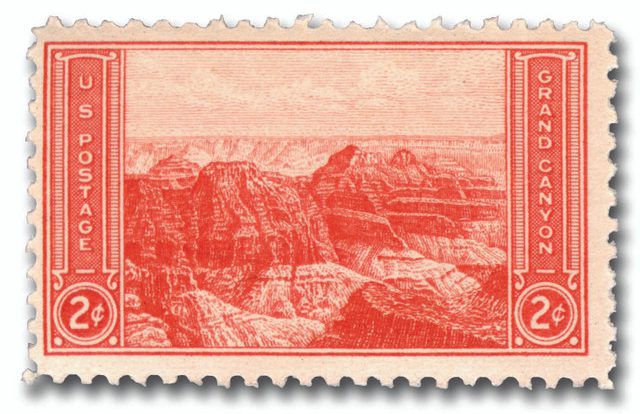
During the 20th century, the Sierra Club grew from a California mountain club into a national environmental organization. It helped campaign for the expansion of Sequoia National Park in 1926 and the creation of Kings Canyon National Park in 1940. Under leaders such as David Brower, the club fought the proposed Echo Park Dam in Dinosaur National Monument. That victory in the 1950s proved that conservation groups could stop major federal dam projects. The club also supported efforts tied to the Wilderness Act of 1964, Redwood National Park, North Cascades National Park, Alaska land protections, and Grand Canyon preservation.

Several famous figures became connected to the club. Photographer Ansel Adams joined its board and used his images to build public support for wilderness. David Brower turned Sierra Club books into powerful conservation tools. Wallace Stegner, Justice William O. Douglas, and National Park Service director Stephen Mather also became part of the club’s broader story.
Today, the Sierra Club remains active in parks, public lands, clean air, clean water, climate policy, clean energy, and outdoor access. The organization says it has millions of members and supporters, helps lead about 15,000 outings a year, and has worked to protect more than 400 parks and monuments. It also says its campaigns have helped retire hundreds of coal plants and protect more than 10 million acres of wilderness. Its current work includes federal forest protection, clean energy, transportation, old-growth forests, national monuments, and environmental justice.

The club has also faced its own history more honestly in recent years, including the racial exclusions and prejudices present in parts of the early conservation movement. Its modern mission now links land protection with public health, community organizing, and broader access to the outdoors. That shift has carried Muir’s mountain-born idea into a very different century. Today’s Sierra Club works on the belief that wild places, clean air, and clean water are not luxuries, but responsibilities shared across generations.
| FREE printable This Day in History album pages Download a PDF of today’s article. Get a binder or other supplies to create your This Day in History album. |
Discover what else happened on This Day in History.