Future Farmers of America Stamp
On October 13, 1953, the US Post Office issued a 3¢ stamp honoring the 25th anniversary of the Future Farmers of America. It was issued at the place the organization was founded – Kansas City, Missouri.


On October 13, 1953, the US Post Office issued a 3¢ stamp honoring the 25th anniversary of the Future Farmers of America. It was issued at the place the organization was founded – Kansas City, Missouri.
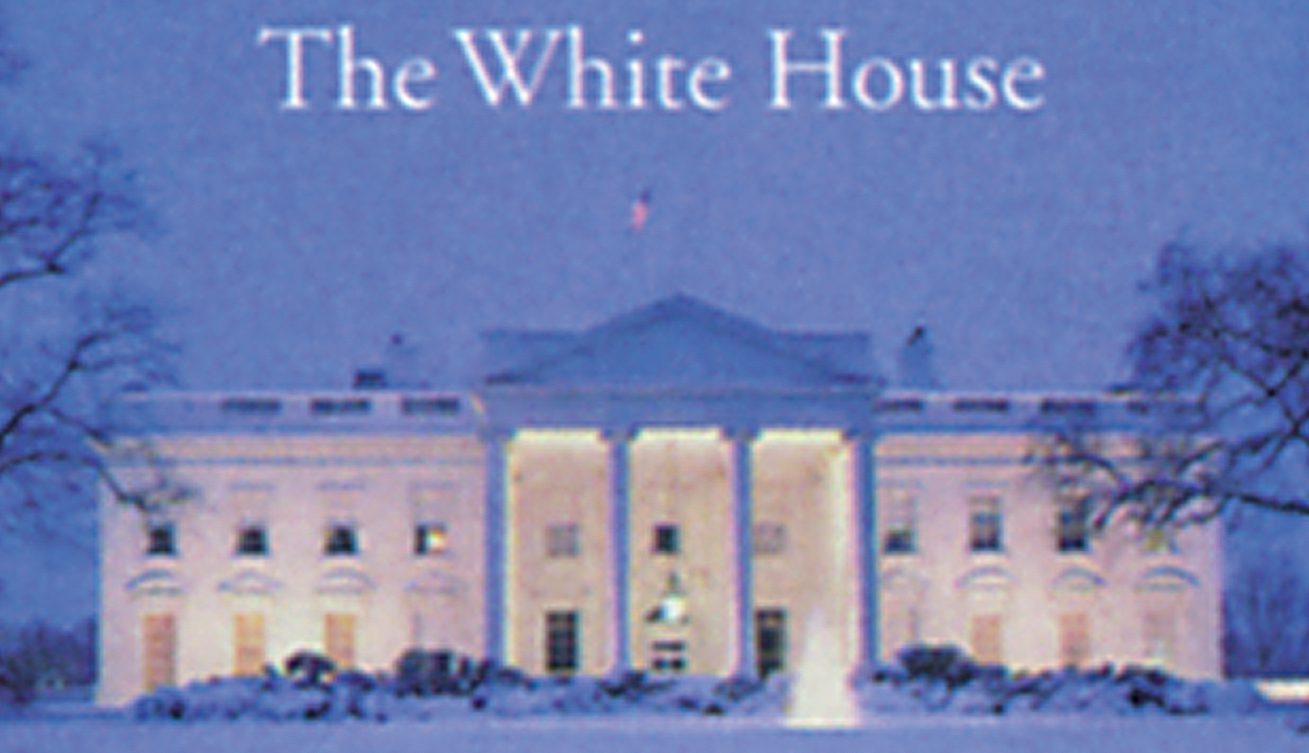
On October 12, 1901, the Executive Mansion, the president’s official residence and workplace, was renamed the White House.
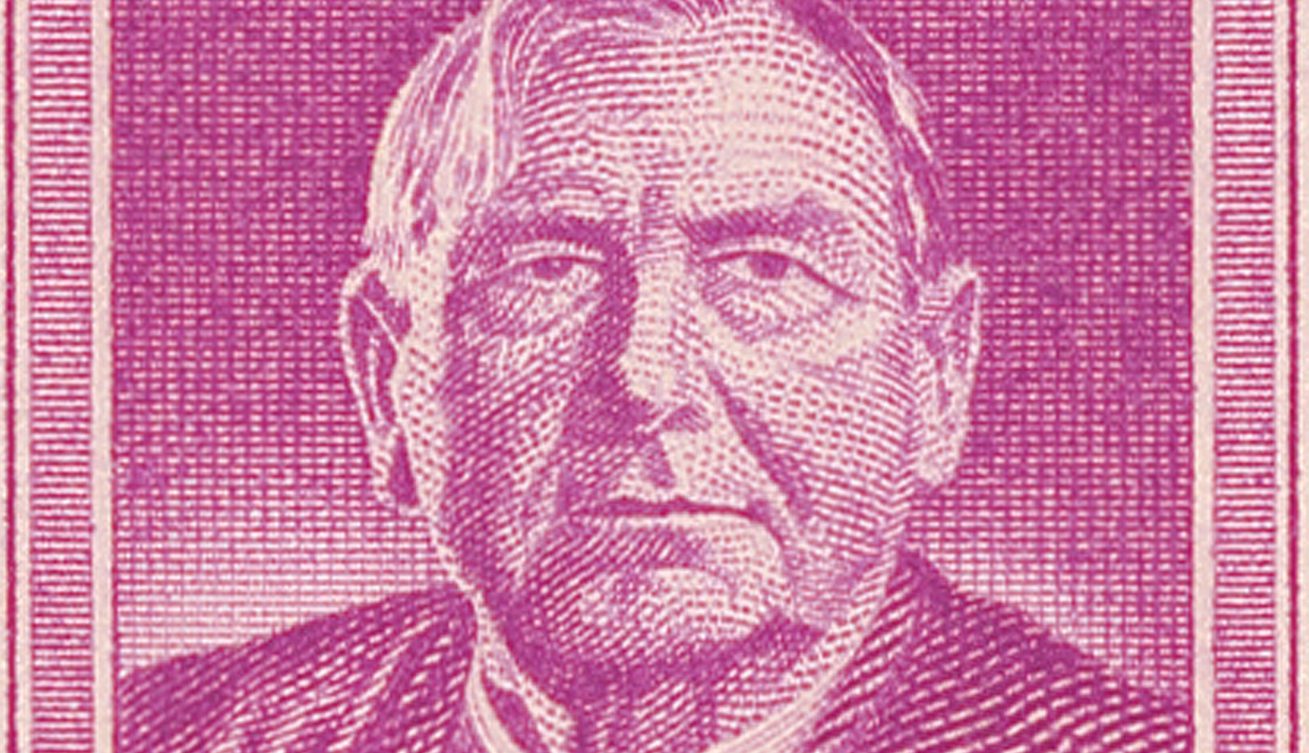
Supreme Court Justice Harlan Fiske Stone was born on October 11, 1872, in Chesterfield, New Hampshire. He served on the court for over 20 years, including over four years as chief justice.

Stage and screen actress Helen Hayes was born on October 10, 1900, in Washington, DC. Dubbed “The First Lady of the American Theater,” she’s one of just 23 people to win competitive Emmy, Grammy, Oscar, and Tony awards (often referred to as EGOTs).

On October 7, 1891, coin collectors gathered in Chicago to found the American Numismatic Association. Their goal was practical: to connect people who loved coins but lived too far from major cities to easily find new specimens, reliable information, or fellow collectors.

On October 6, 1683, thirty-three Germans arrived in Pennsylvania to establish the first major German settlement in America. The settlement would go on to become the birthplace of the anti-slavery movement, first bank of the United States, and more.

On October 5, 1813, future president William Henry Harrison defeated a British force and its Indigenous allies at the Battle of the Thames in Upper Canada. The victory restored US control of Detroit and the Michigan Territory, weakened Britain’s position in the western Great Lakes region, and brought the death of Shawnee leader Tecumseh.
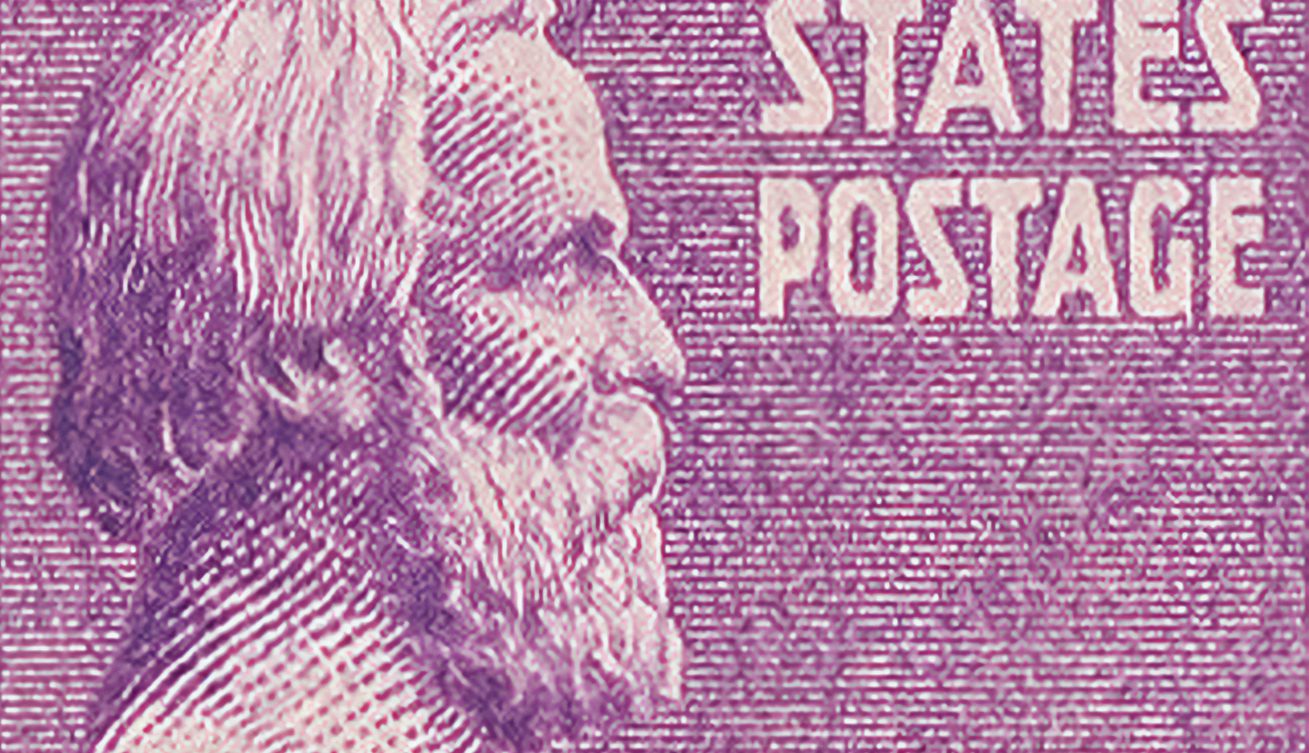
Rutherford Birchard Hayes was born on October 4, 1822, in Delaware, Ohio. He would become president after the nation’s most disputed election of the 19th century, then serve a single term shaped by Reconstruction’s end, civil-service reform, and difficult questions about money, immigration, and racial equality.

On October 2, 1835, a dispute over a small cannon brought armed Texian settlers and Mexican soldiers into conflict near Gonzales. The brief Battle of Gonzales caused few casualties, but it marked the open break that became the Texas Revolution.