Birth of Ferdinand von Zeppelin
Ferdinand Adolf Heinrich August Graf von Zeppelin was born on July 8, 1838, in Konstanz, Grand Duchy of Baden (now part of Germany). He developed the airships that bear his name and would later travel the world.


Ferdinand Adolf Heinrich August Graf von Zeppelin was born on July 8, 1838, in Konstanz, Grand Duchy of Baden (now part of Germany). He developed the airships that bear his name and would later travel the world.

On July 7, 1898, President William McKinley signed legislation annexing Hawaii, paving the way for it to become a US state.

Future President John Calvin Coolidge Jr. was born on Independence Day, July 4, 1872. He would serve as America’s 30th president, taking the office upon the unexpected death of President Warren Harding.
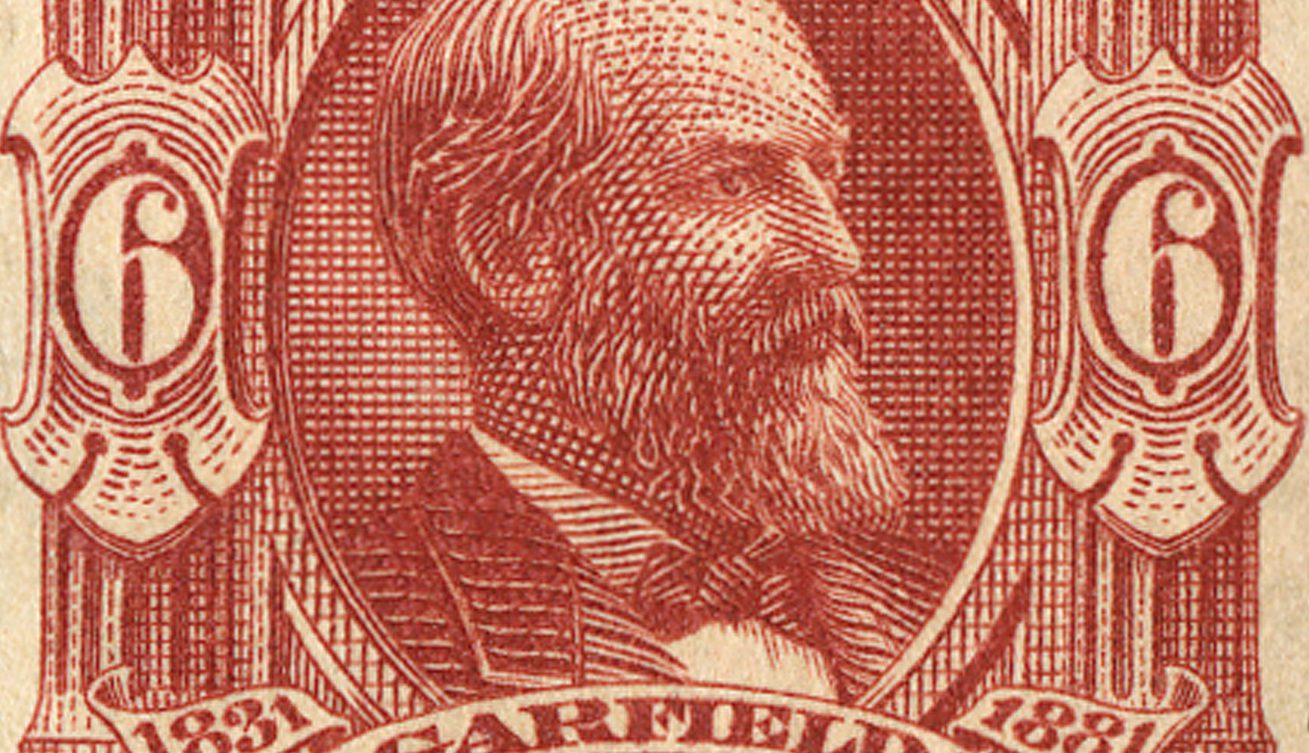
On July 2, 1881, an assassin shot President James Garfield just four months into his presidency. Dying two months later, his was the second shortest presidency in US history.

On July 1, 1862, President Abraham Lincoln signed the Revenue Act of 1862 into law, to help fund the Civil War. Revenue stamps remained in use off an on for a century, paying the tax on a wide variety of items.

On June 30, 1899, the American military government issued its first stamps in the Philippines. Spanish colonization of the Philippines began in 1565 and continued for more than three centuries. In the late 1800s, the people of the Philippines revolted against the atrocities of their Spanish rulers. At the same time, unrest was growing in the Spanish colony of Cuba.

On June 25, 1788, Virginia ratified the US Constitution and was admitted as the 10th state of the Union.
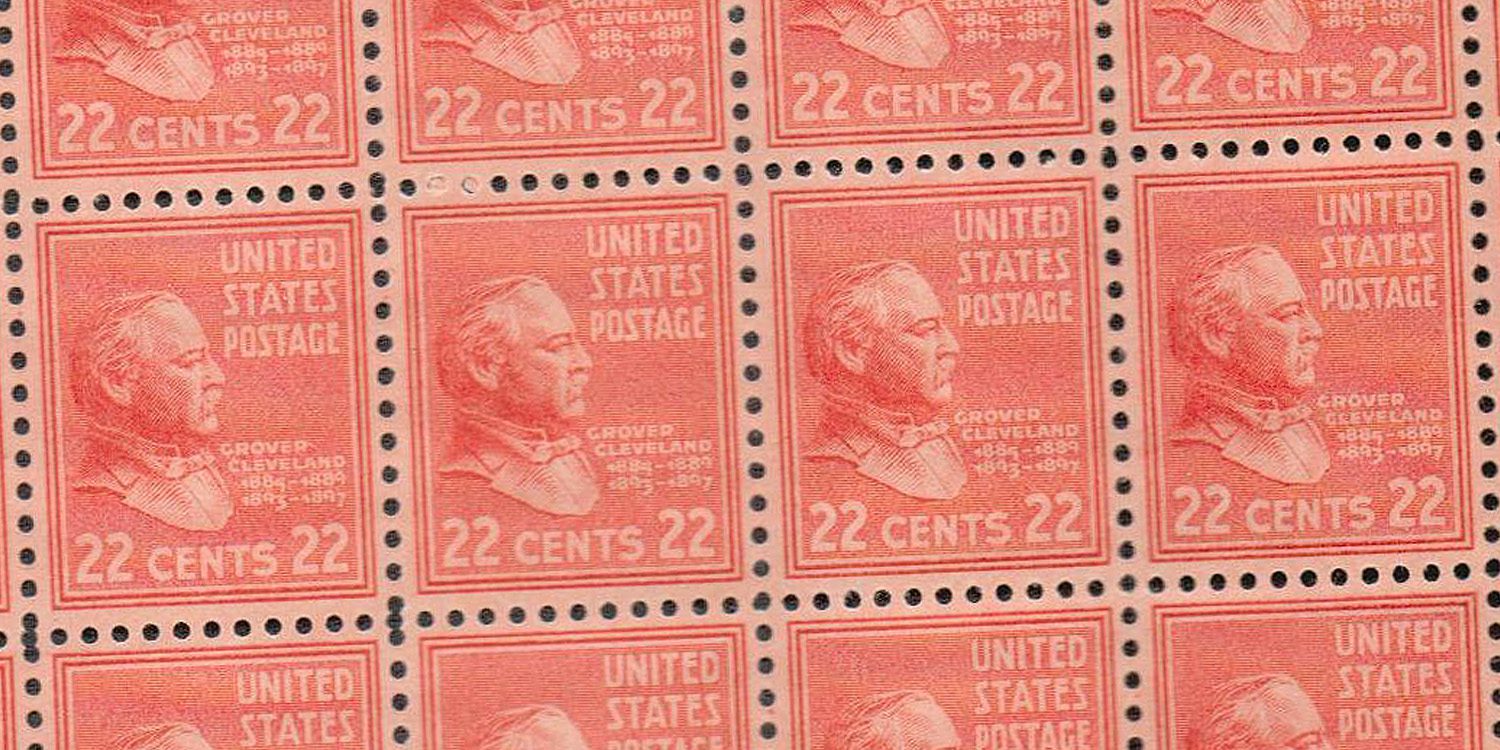
America’s 22nd and 24th president, Grover Cleveland, died on June 24, 1908, in Princeton, New Jersey. He was America’s first president to serve two non-consecutive terms and was known for his honesty and integrity.
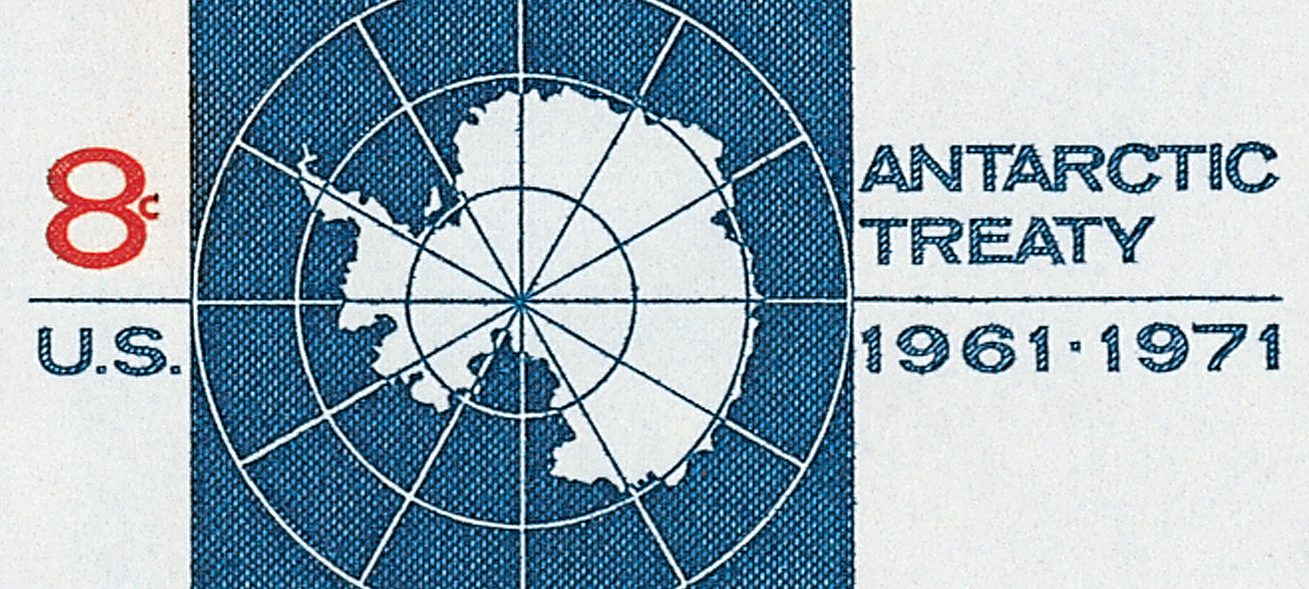
On June 23, 1971, the Post Office issued its last commemorative stamp as a cabinet-level department. It was reorganized as the United States Postal Service, a corporation-like independent agency of the federal government.