The Founding of the National Archives
On June 19, 1934, President Franklin Roosevelt signed legislation creating the National Archives. The archives houses billions of historic documents, photographs, maps, videos, and more.

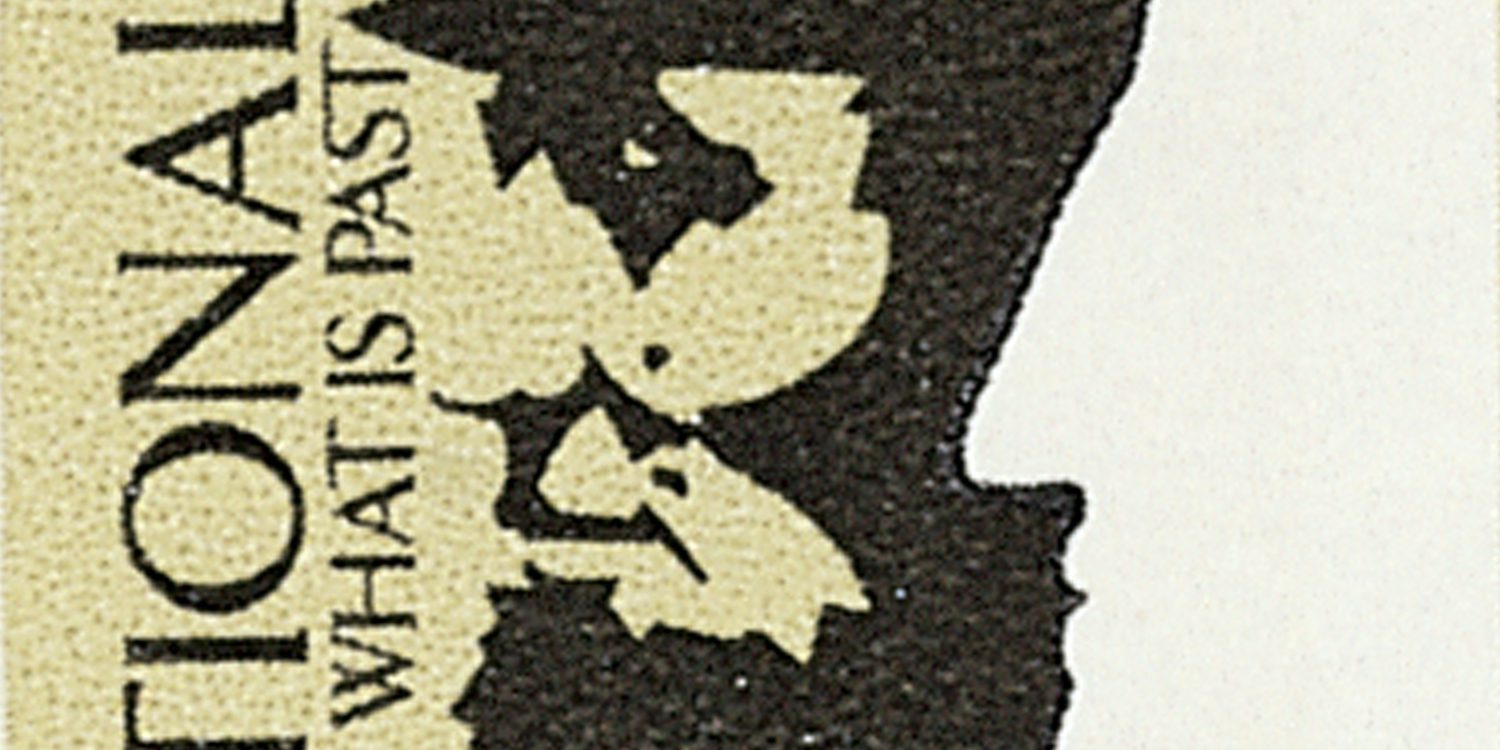
On June 19, 1934, President Franklin Roosevelt signed legislation creating the National Archives. The archives houses billions of historic documents, photographs, maps, videos, and more.
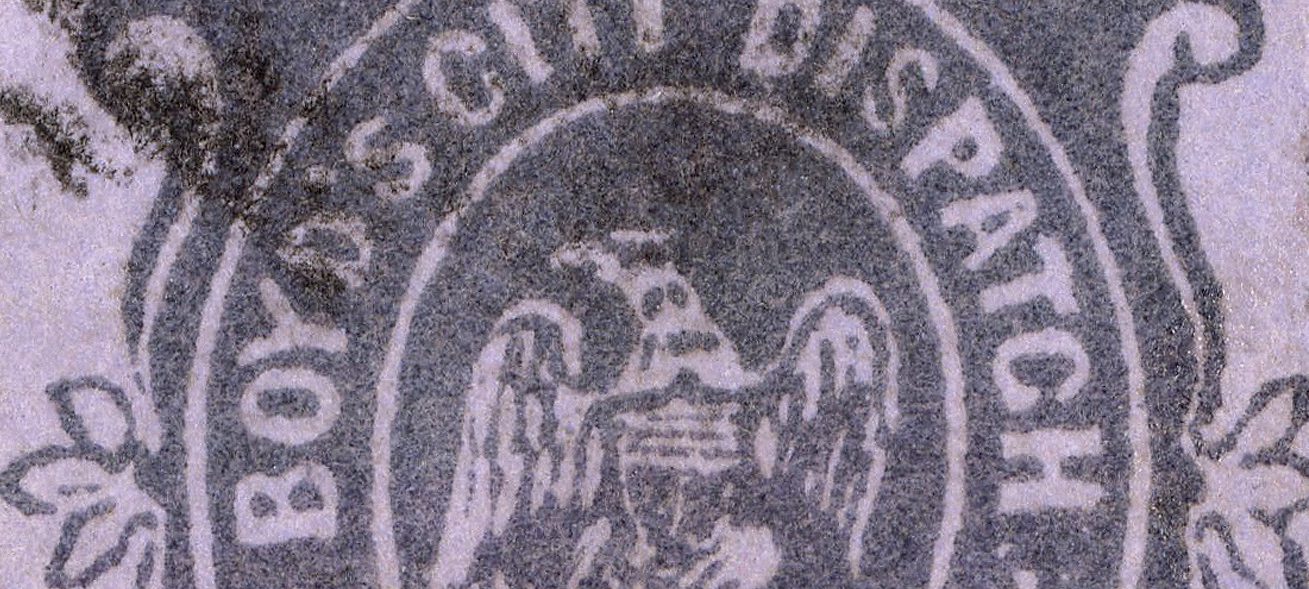
On June 17, 1844, Boyd’s City Express Post opened in New York City, offering residents a faster alternative for sending letters across the growing metropolis. Despite decades of government efforts to restrict private mail services, Boyd’s continued making deliveries for more than 40 years.
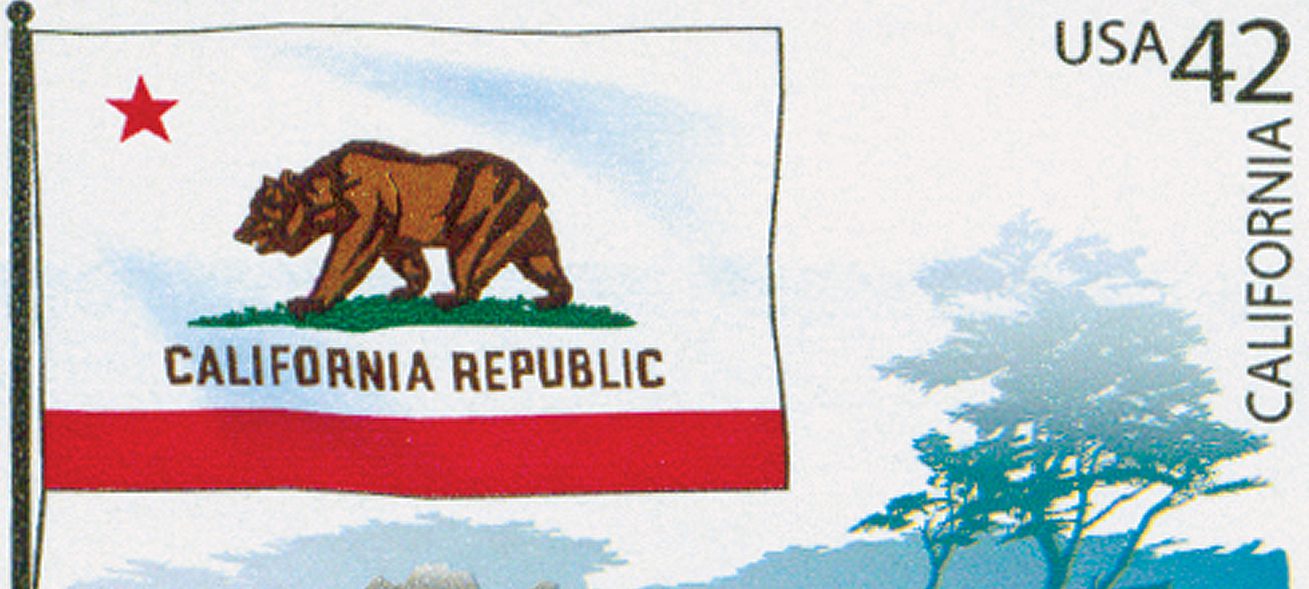
On June 14, 1846, California settlers staged the Bear Flag Revolt in rebellion against the Mexican government. Their handmade flag, painted with a grizzly bear and a single star, gave the short-lived California Republic its symbol and later inspired the state flag still used today.
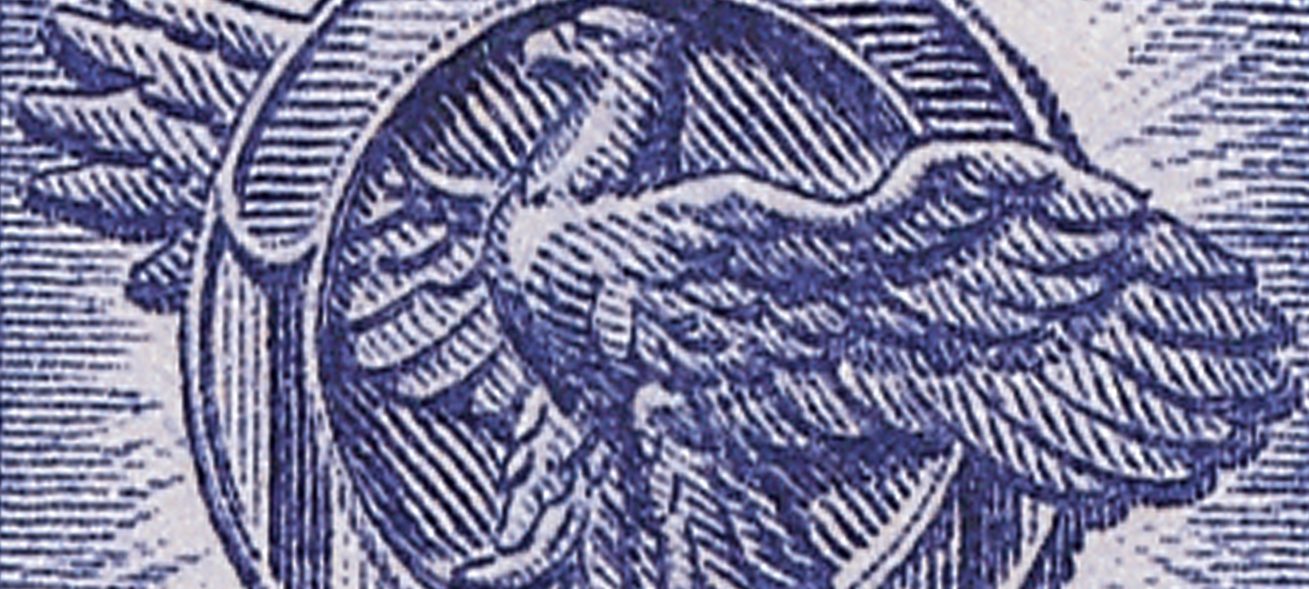
On June 4, 1940, over 338,000 Allied troops were evacuated from the beaches of Dunkirk after being cut off and surrounded there for weeks.
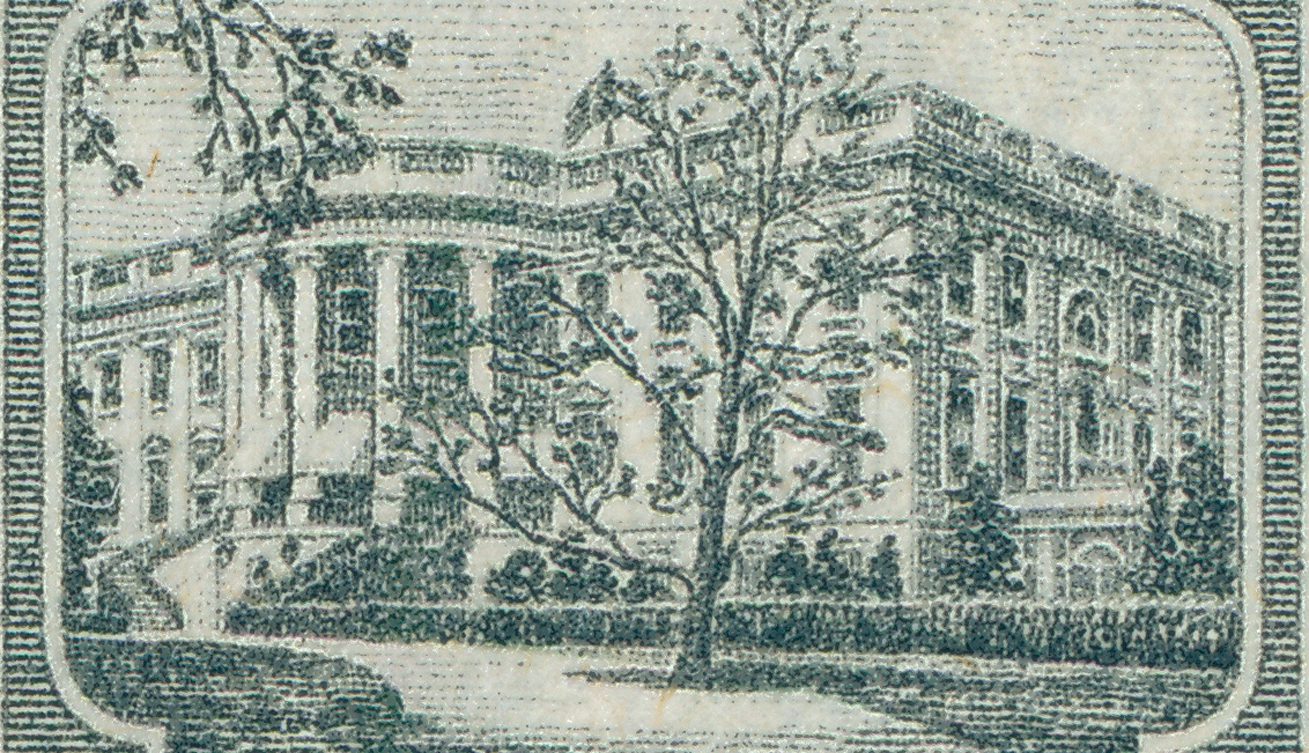
On June 2, 1886, President Grover Cleveland married Frances Folsom in the White House, making him the only US president to be married in the executive mansion.

On May 29, 1790, Rhode Island became the last of the original 13 colonies to ratify the US Constitution. The vote was close, but it brought the smallest state into the new nation as the 13th state.

On May 28, 1892, John Muir and a small group of California conservationists founded the Sierra Club in San Francisco. Their goal was practical as well as poetic: bring people into the mountains, then organize them to protect the wild places they had come to love.
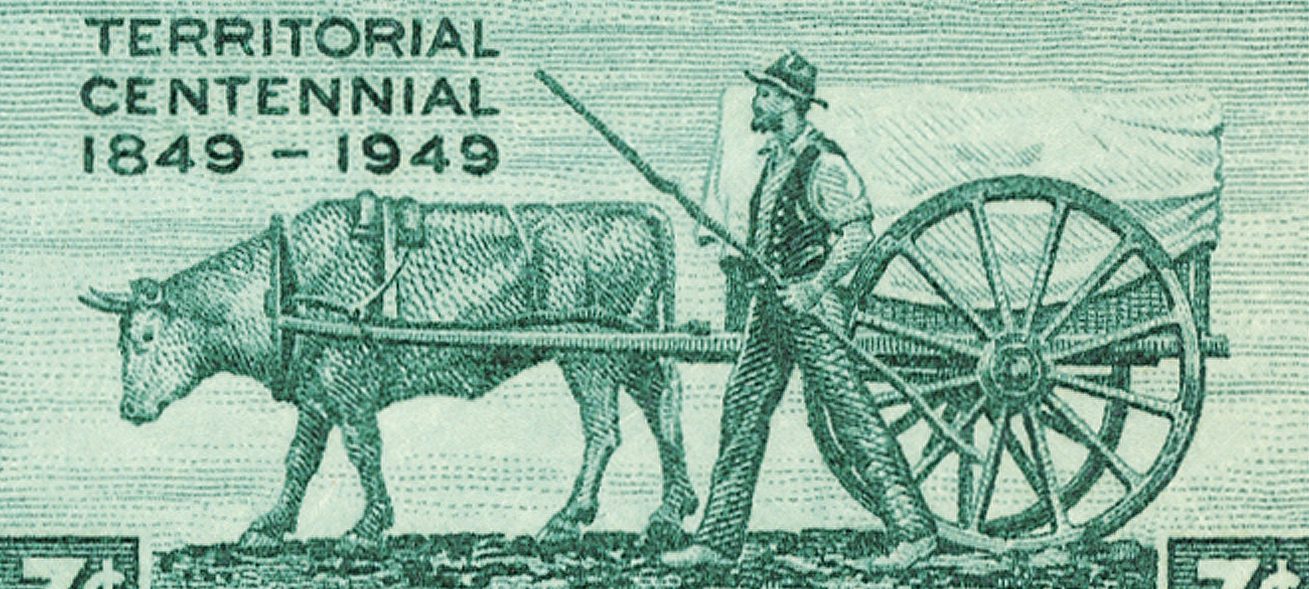
On May 11, 1858, Minnesota entered the Union as the 32nd state. Known today as the “North Star State,” Minnesota grew from fur-trade outposts, river forts, farms, forests, and iron mines into one of the Upper Midwest’s most diverse economies.
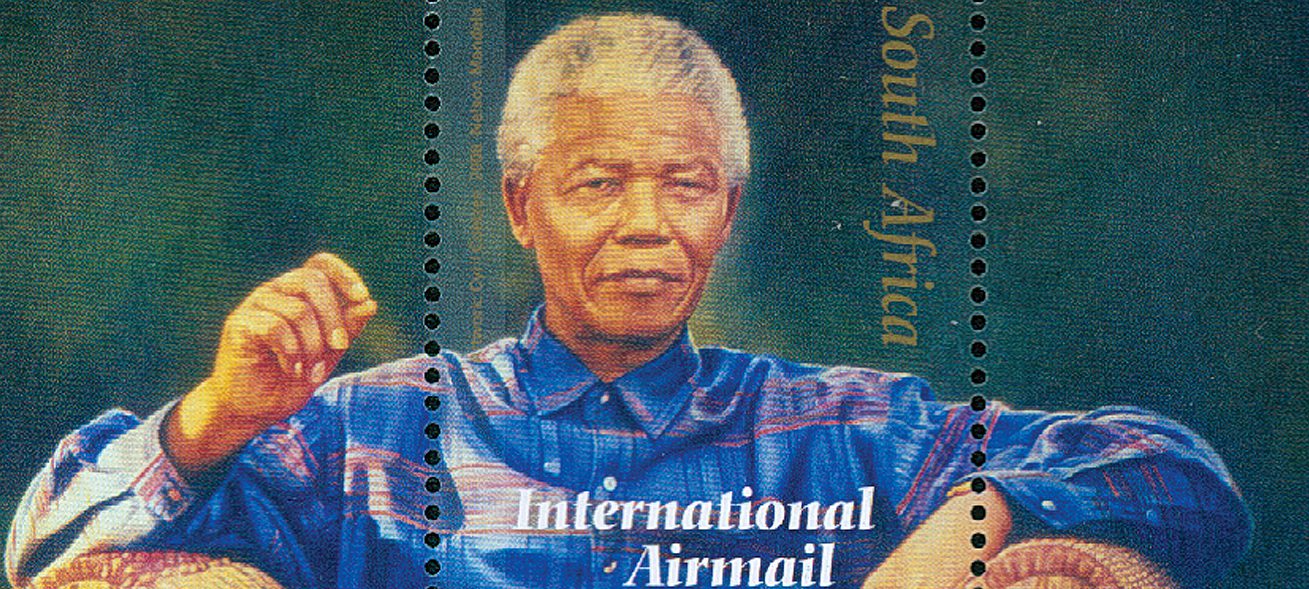
On May 9, 1994, Nelson Mandela was elected South Africa’s first black president. After decades of apartheid, prison, protest, and negotiation, the vote marked a turning point few South Africans had believed they would live to see.