
On May 29, 1790, Rhode Island became the last of the original 13 colonies to ratify the US Constitution. The vote was close, but it brought the smallest state into the new nation as the 13th state.
Long before Europeans arrived, Algonquian-speaking peoples lived in the area now called Rhode Island. The Narragansett were the largest group, and their lands included much of the western side of Narragansett Bay. Other Native peoples, including the Wampanoag, Niantic, Nipmuc, and Pequot, also lived in or near the region.
European explorers reached the coast in the 1500s. Italian navigator Giovanni da Verrazzano, sailing for France, entered Narragansett Bay in 1524. Later stories claimed he compared one island to Rhodes in the Mediterranean. That may have helped inspire the name Rhode Island, though the exact origin is still debated.
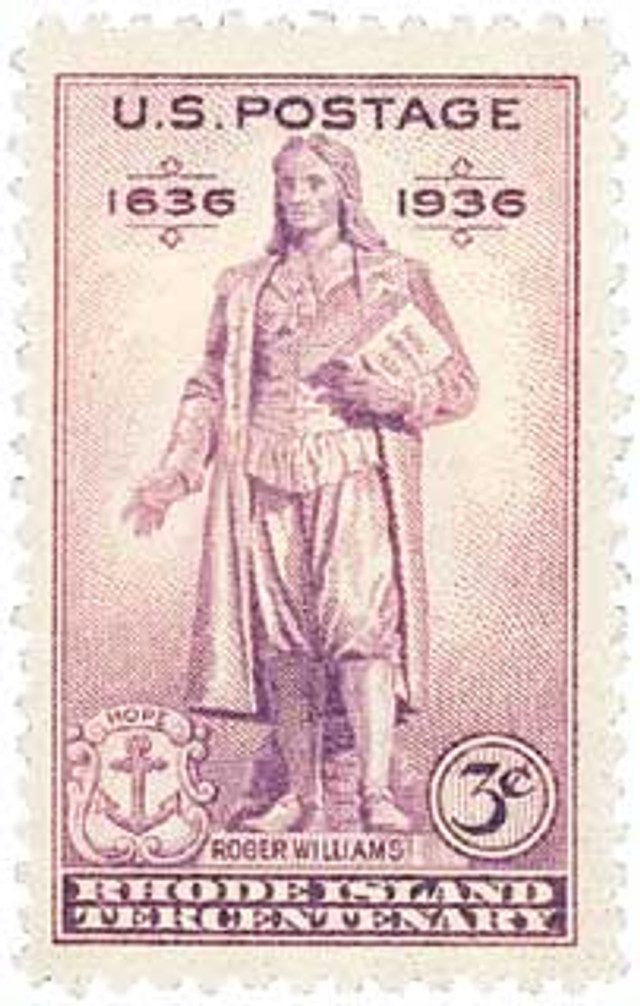
The colony’s best-known founder was Roger Williams. He was a minister in Massachusetts, but he challenged the colony’s leaders. Williams believed government should not control religious belief. He also argued that settlers should buy land from Native peoples instead of simply claiming it. Massachusetts banished him in 1635, and he founded Providence in 1636 after purchasing land from Narragansett leaders Canonicus and Miantonomi.
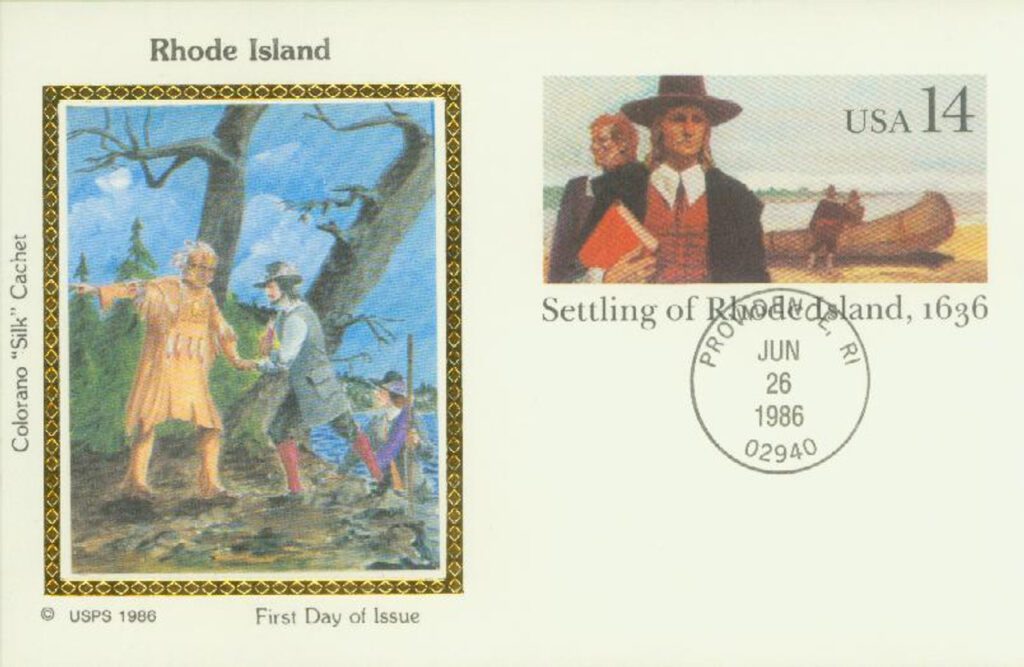
Other settlements soon followed. In 1638, Anne Hutchinson and other religious dissenters helped found Portsmouth on Aquidneck Island. William Coddington and John Clarke later founded Newport in 1639. Samuel Gorton and others founded Warwick in the 1640s. These towns often disagreed with one another, but they shared a strong belief in local rights and religious liberty.
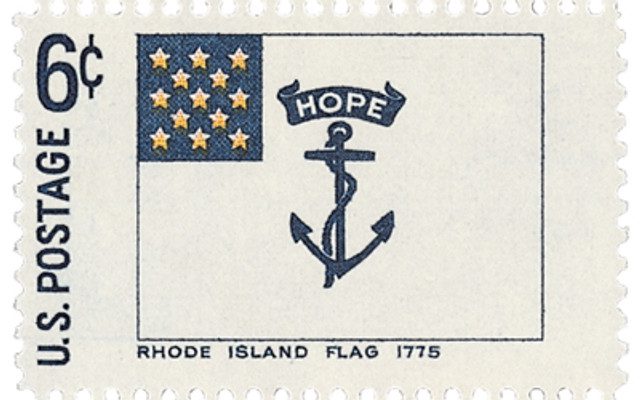
In 1663, King Charles II granted Rhode Island a royal charter. It gave the colony unusual freedom for its time. The charter allowed residents to elect their own leaders and protected religious liberty. It remained Rhode Island’s basic governing document for nearly 180 years.
Rhode Island prospered in the 1700s through farming, fishing, shipbuilding, and trade. Newport became one of the busiest ports in British North America. That trade also included slavery. Rhode Island merchants played a major role in the transatlantic slave trade, and enslaved people worked in homes, shops, ships, and farms. In 1774, Rhode Island passed a law prohibiting the importation of enslaved people, one of the first such laws in the colonies, but slavery itself continued there for decades.
British trade laws and taxes angered Rhode Island merchants. One early protest came in 1769, when colonists burned the British customs ship Liberty at Newport. In 1772, Rhode Islanders attacked and burned the British revenue schooner Gaspee after it ran aground near Warwick. The Gaspee affair became one of the important acts of resistance before the Revolution.
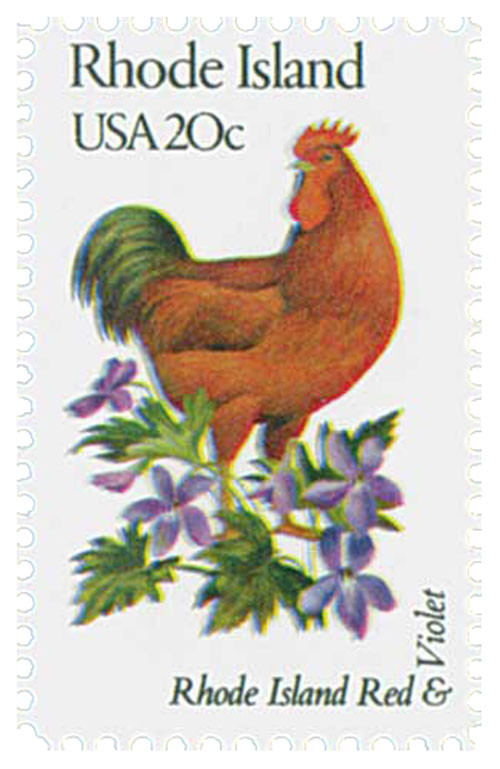
Rhode Island acted early in the break with Britain. On May 4, 1776, it became the first colony to renounce allegiance to King George III. During the war, British forces occupied Newport from December 1776 to October 1779. The state also supplied important military leaders. Esek Hopkins became the first commander in chief of the Continental Navy. Nathanael Greene became one of George Washington’s most trusted generals.
After the war, Rhode Island remained cautious about joining a stronger national government. Many residents feared federal power would threaten local control and trade. The state refused to send delegates to the 1787 Constitutional Convention. It also delayed ratifying the Constitution after other states had joined. Rhode Island leaders wanted stronger protections for individual rights. Even after the Bill of Rights was proposed, the ratification vote barely passed. On May 29, 1790, the state convention approved the Constitution by a vote of 34 to 32.
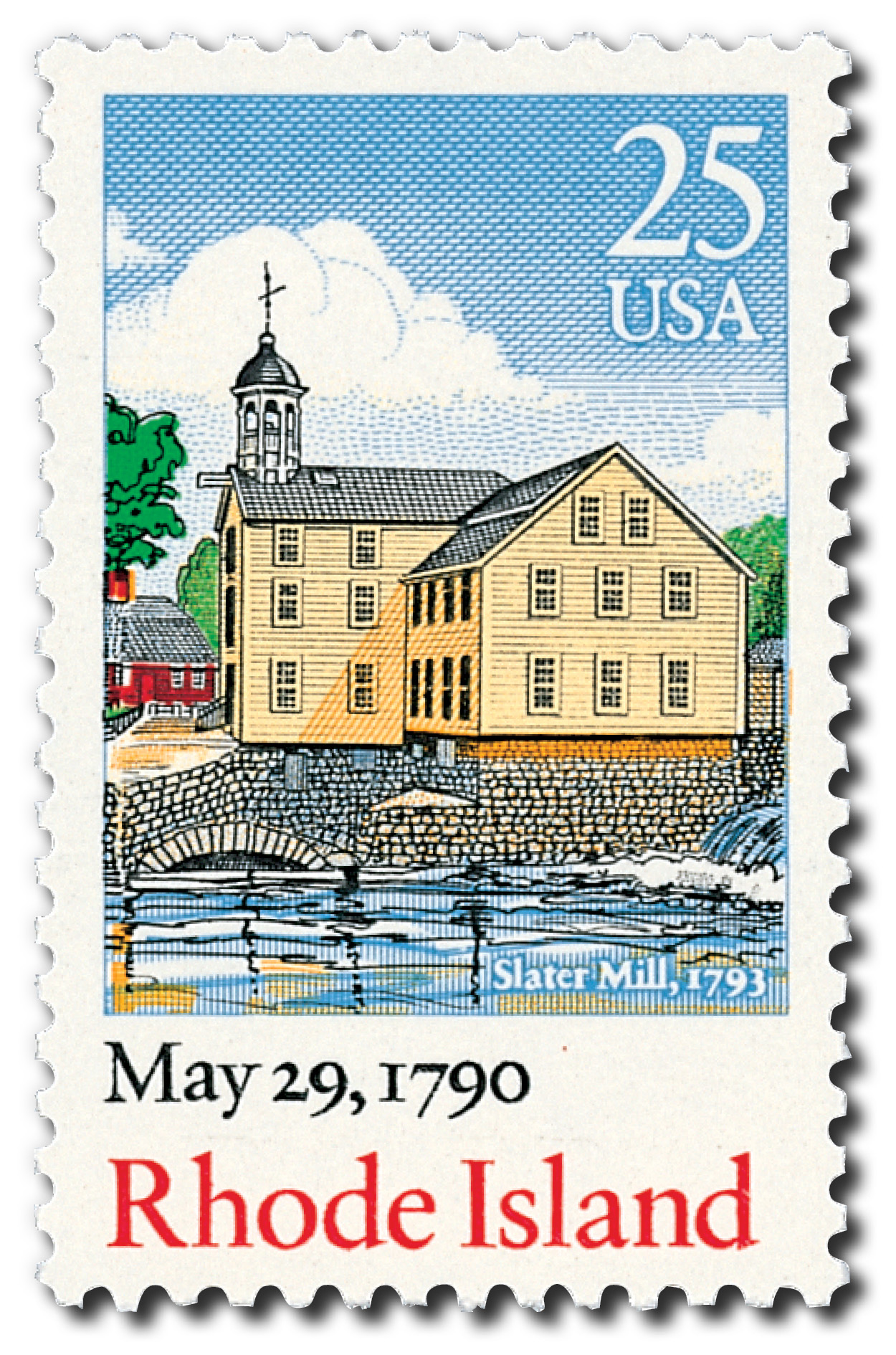
Industry soon reshaped Rhode Island. In 1793, Samuel Slater built a successful water-powered cotton spinning mill at Pawtucket with backing from Moses Brown and others. The mill helped launch America’s factory-based textile industry. Rhode Island’s rivers powered mills, and mill villages grew around them. The state also became known for jewelry, silverware, machinery, tools, and precision manufacturing.
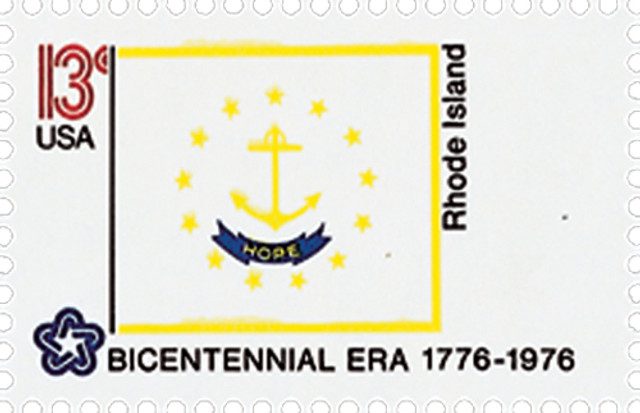
Industrial growth brought political tension. Rhode Island’s old charter limited voting rights, especially for working men without property. In 1841 and 1842, Thomas Wilson Dorr led a movement to expand suffrage and replace the colonial charter. The Dorr Rebellion failed militarily, but it helped force constitutional reform in 1843.
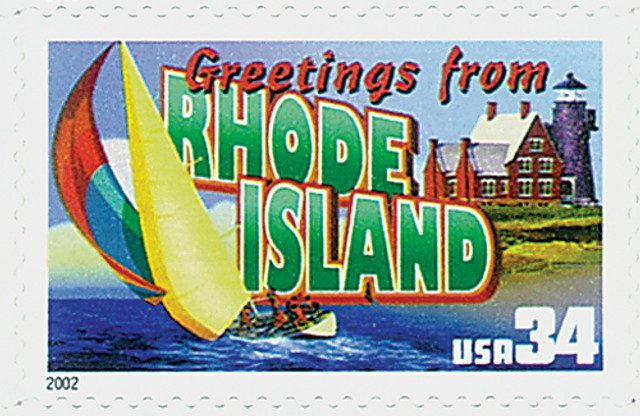
Rhode Island supported the Union during the Civil War. More than 24,000 Rhode Islanders served. Ambrose E. Burnside, a former industrialist and militia officer, became one of the state’s best-known soldiers. He later served as governor and US senator.
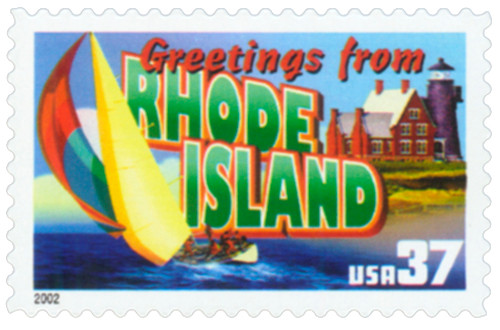
The late 1800s brought more growth. Immigrants from Ireland, French Canada, Italy, Portugal, and other places filled factory jobs. Newport also became famous for the mansions of wealthy families during the Gilded Age. The U.S. Navy expanded its presence, and the Naval War College opened at Newport in 1884.
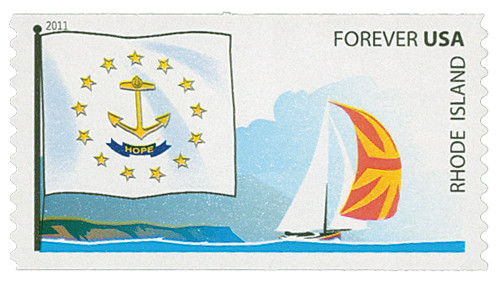
Today, Rhode Island is officially named the State of Rhode Island. Voters removed “and Providence Plantations” from the state’s full name in 2020. Its economy is no longer centered on textiles, but industry still matters. Leading sectors include health care, education, professional and business services, tourism, advanced manufacturing, food and beverage, defense, and the ocean economy. The state is working to grow offshore wind, marine technology, shipbuilding, aquaculture, and ocean research. Its size remains small, but its ports, universities, beaches, historic sites, and coastal industries keep Rhode Island closely tied to the water that shaped its past.
| FREE printable This Day in History album pages Download a PDF of today’s article. Get a binder or other supplies to create your This Day in History album. |
Discover what else happened on This Day in History.
I was interested in the mention of John Clarke, because my mother, whose maiden name was Clarke,was a direct descendant of Joseph Clarke (b. 1618 in England), one of several brothers of John Clarke, whose names also appear in the early history of Newport, RI. For example, Joseph Clarke was one of the signers of the Charter of the Rhode Island Colony, and also one of the original members of the First Baptist Church in Newport in 1648. Thanks Mystic for connecting us with our history.
I was stationed at NAS Quonset Pt. RI, and all evidence pointed to the air station was the birthplace of the infamouse Quonset Hut, you forgot that one Also RI fielded Two all-Black Regiments during the Revoluionay War as mentioned, but were the best outfitted and supplied soldiers of the other 62 regiments. Thanks again Mystic for the latest Gems of wisdom
Yea, a process for plating gold and silver ; making Rhode Island one of the most toxic places to live in America- except for Niagara Falls.
Great article, but, as usual… all the bad parts are left out.
Keep goin Mystic- we love these.
Rhode Island has also benefited from the technology revolution and
important components for computers, cell phones, and additional
applications. Loved spending time in Newport in the summer.
Congratulations on almost 400 years of existence.
great reading on the history of the state of Rhode Island
this is a very interesting and very informative article about Rhode islands history
i loved my visit to Rhode island you can feel the history
as being a German I am fascinated by the states and there history I did not know such a small piece of land could have so much history.