Birth of Andrew Wyeth
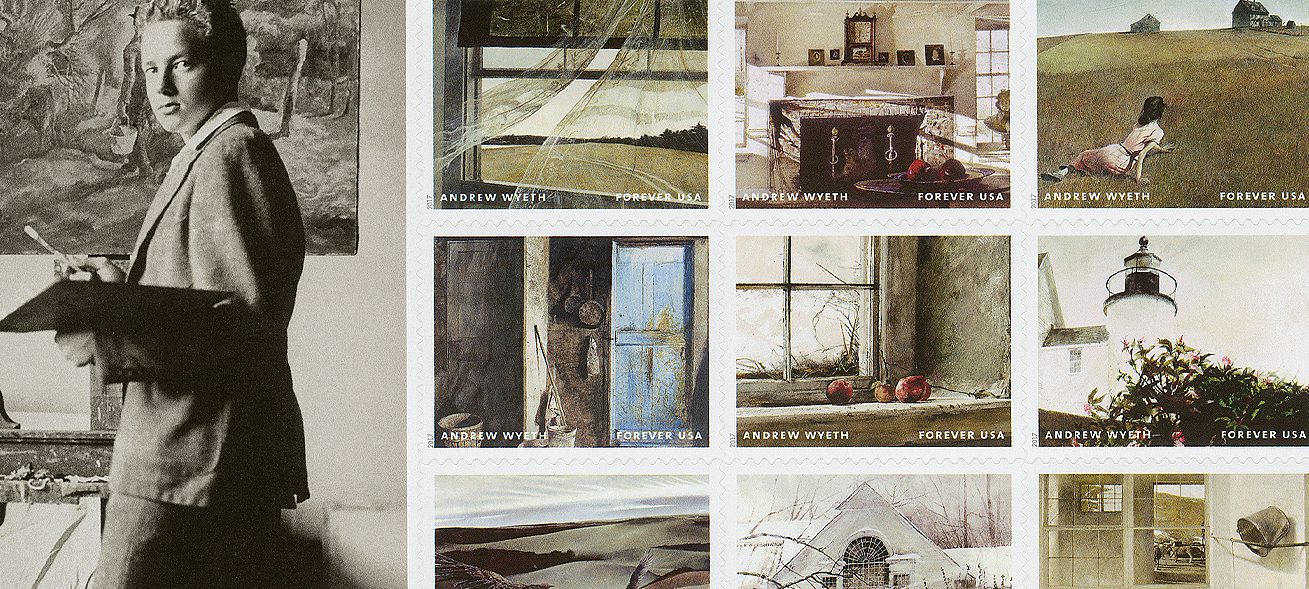
Artist Andrew Wyeth was born on July 12, 1917, in Chadds Ford, Pennsylvania. By studying weathered farms, quiet rooms, and familiar neighbors, he found mystery and emotion in places others might overlook.
Flemish artist Peter Paul Rubens was born on June 28, 1577, in Siegen, Nassau-Dillenburg, in the Holy Roman Empire. He would become one of Europe’s most sought-after painters, known not only for dramatic Baroque art, but also for work as a trusted diplomat.
On June 25, 1876, Civil War veteran George A. Custer died at the Battle of the Little Bighorn. The battle became one of the most famous defeats in US Army history, but its deeper story was about land, broken promises, and Native nations fighting to protect their way of life.
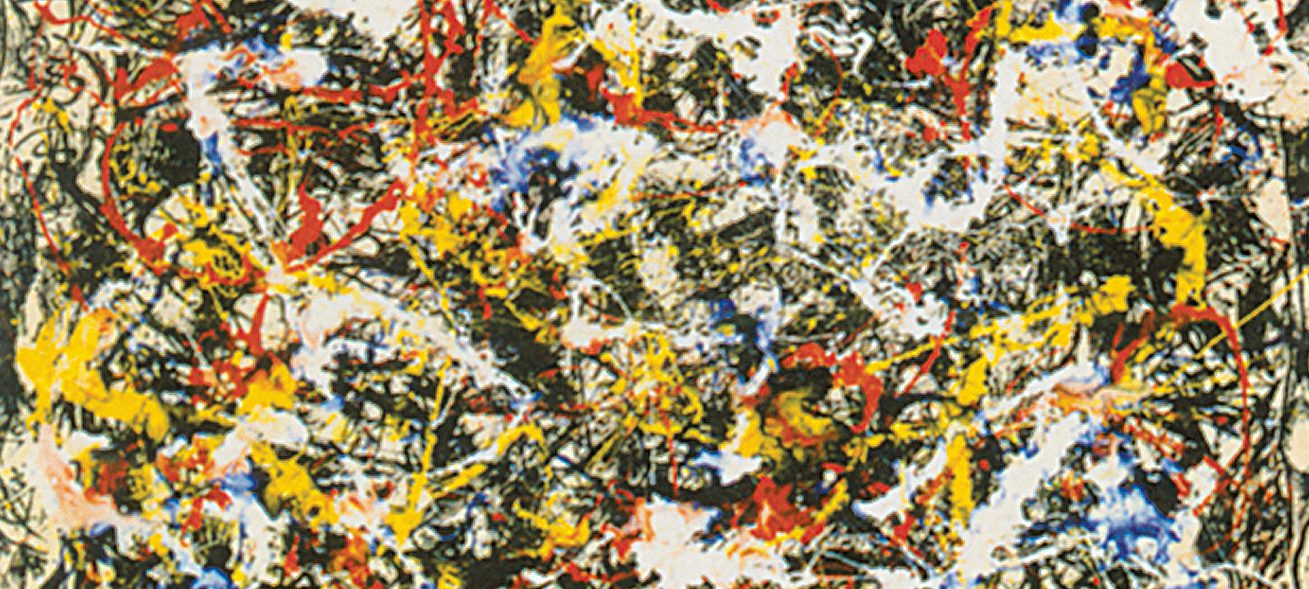
One of America’s first modern artists, Stuart Davis died on June 24, 1964. Davis earned national acclaim for his proto-pop paintings that were inspired by jazz and his strong political beliefs.
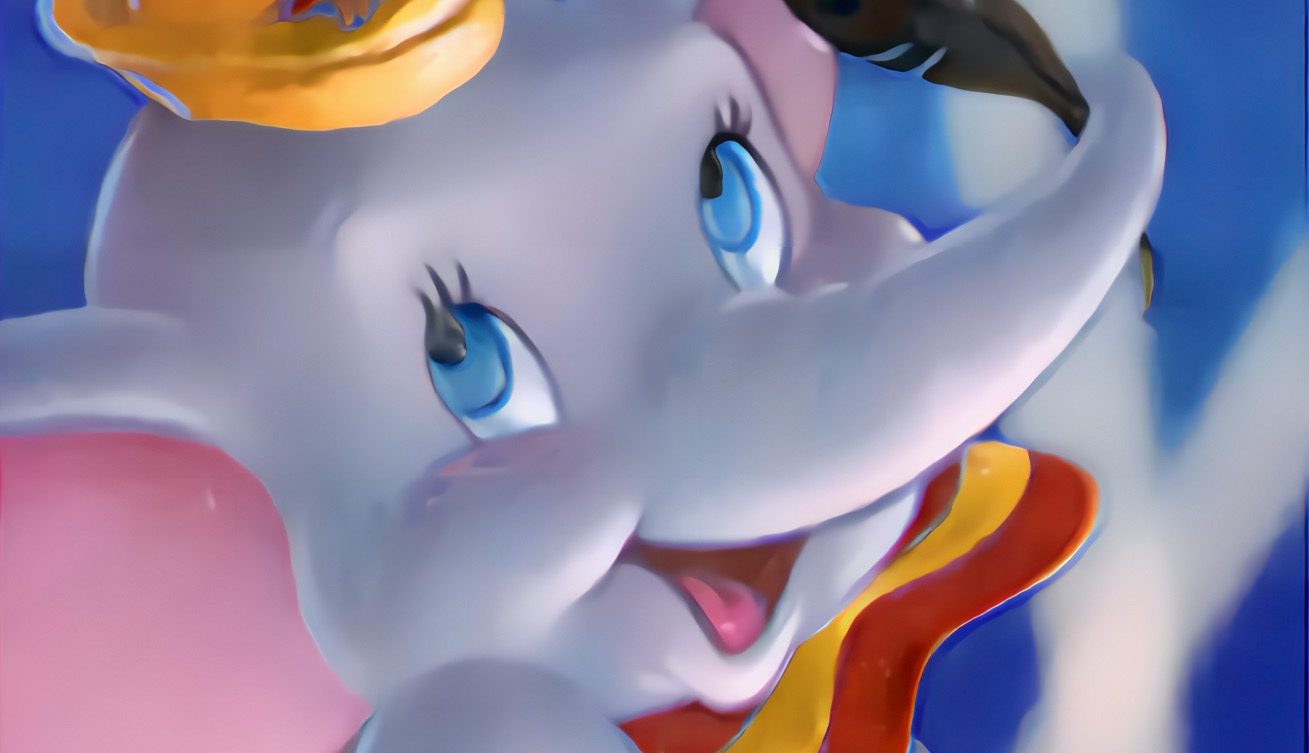
On June 23, 2004, the USPS issued the first stamps in its Art of Disney Series. The USPS worked with Disney artists to create this whimsical series of stamps, with each year featuring a different theme.
Daniel “Uncle Dan” Beard was born on June 21, 1850, in Cincinnati, Ohio. His childhood adventures along the rivers and woods of Kentucky later helped shape the activities and ideals of the Boy Scouts of America.
On June 19, 1934, President Franklin Roosevelt signed legislation creating the National Archives. The archives houses billions of historic documents, photographs, maps, videos, and more.
On June 1, 1792, Kentucky became America’s 15th state and the first state west of the Appalachian Mountains. Its admission marked a new stage in the nation’s growth, as settlers pushed through mountain passes into a region long valued for its rivers, forests, wildlife, and rich farmland.
On May 29, 1790, Rhode Island became the last of the original 13 colonies to ratify the US Constitution. The vote was close, but it brought the smallest state into the new nation as the 13th state.