Rhode Island Becomes 13th State
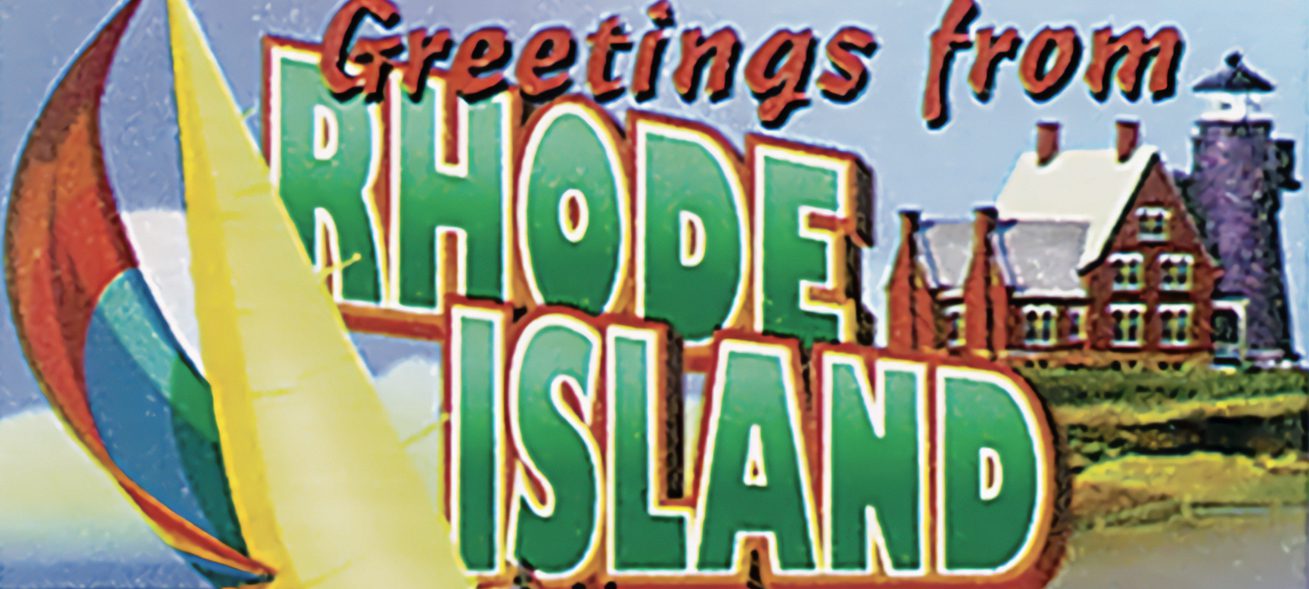
On May 29, 1790, Rhode Island became the last of the original 13 colonies to ratify the US Constitution. The vote was close, but it brought the smallest state into the new nation as the 13th state.
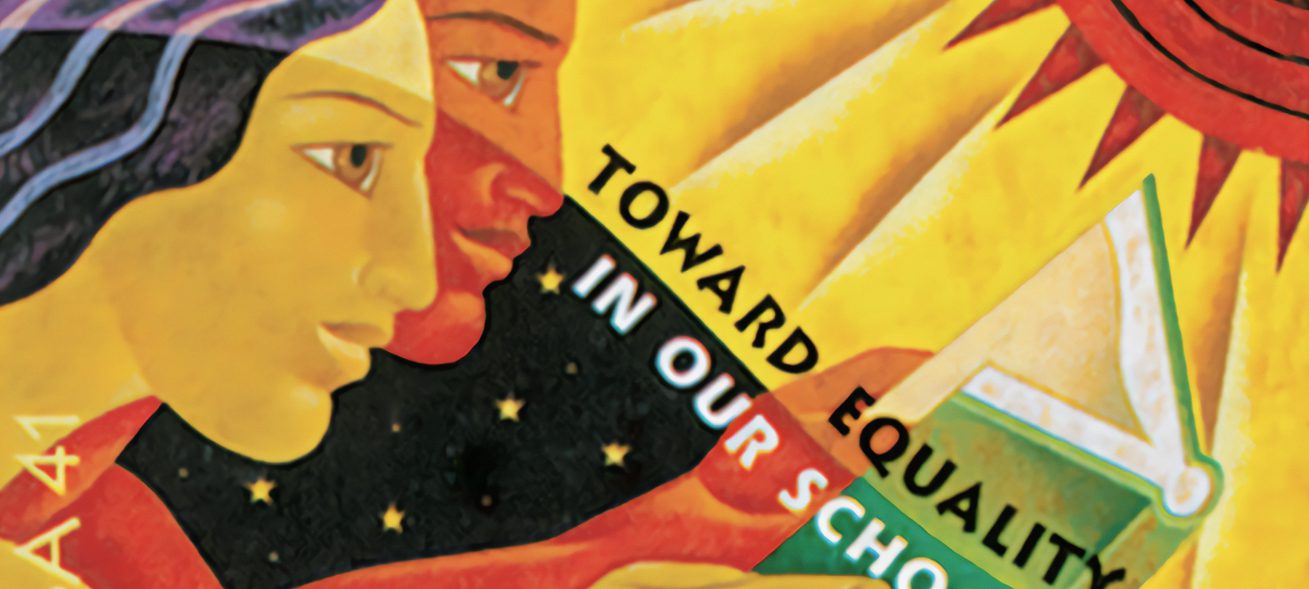
On April 14, 1947, the court case of Mendez v. Westminster was decided in favor of Gonzalo Mendez, marking a clear legal victory against school segregation in California. Years before Brown v. Board of Education, this case showed that organized community action and careful legal strategy could challenge unequal treatment in public education.
On April 11, 1919, the International Labour Organization was created, marking a coordinated effort to improve working conditions across countries after World War I. Born out of both wartime strain and postwar planning, it introduced a new idea—that fair labor standards could support lasting peace.
On April 5, 1856, Booker Taliaferro Washington was born into slavery in Hale’s Ford, Virginia. From those beginnings, he built a life centered on education, discipline, and practical progress in the years after the Civil War.
On March 25, 1931, civil rights leader, journalist, and suffragette Ida B. Wells died at the age of 68. Her life’s work—documenting injustice with facts and confronting violence with fearless reporting—left a detailed record of a nation struggling with race and equality.
On March 9, 1841, the US Supreme Court issued its final ruling in the case of United States v. Schooner Amistad. The decision ended a two-year legal battle over whether a group of kidnapped Africans were property—or free people who had fought for their liberty.
Susan B. Anthony was born on February 15, 1820, in Adams, Massachusetts. Born into a Quaker family that believed deeply in equality and moral responsibility, she would grow into one of the most persistent and recognizable leaders of the fight for women’s voting rights in the United States.
Rosa Louise McCauley Parks was born on February 4, 1913, in Tuskegee, Alabama. Her quiet resolve and careful preparation would later place her at the center of one of the most important civil rights protests in American history.
Born on January 19, 1918, in Arkansas City, Arkansas, John Harold Johnson rose from poverty and segregation to become one of the most influential publishers in American history. With vision and determination, he built a media empire that reshaped how African Americans saw themselves—and how the nation saw them.