
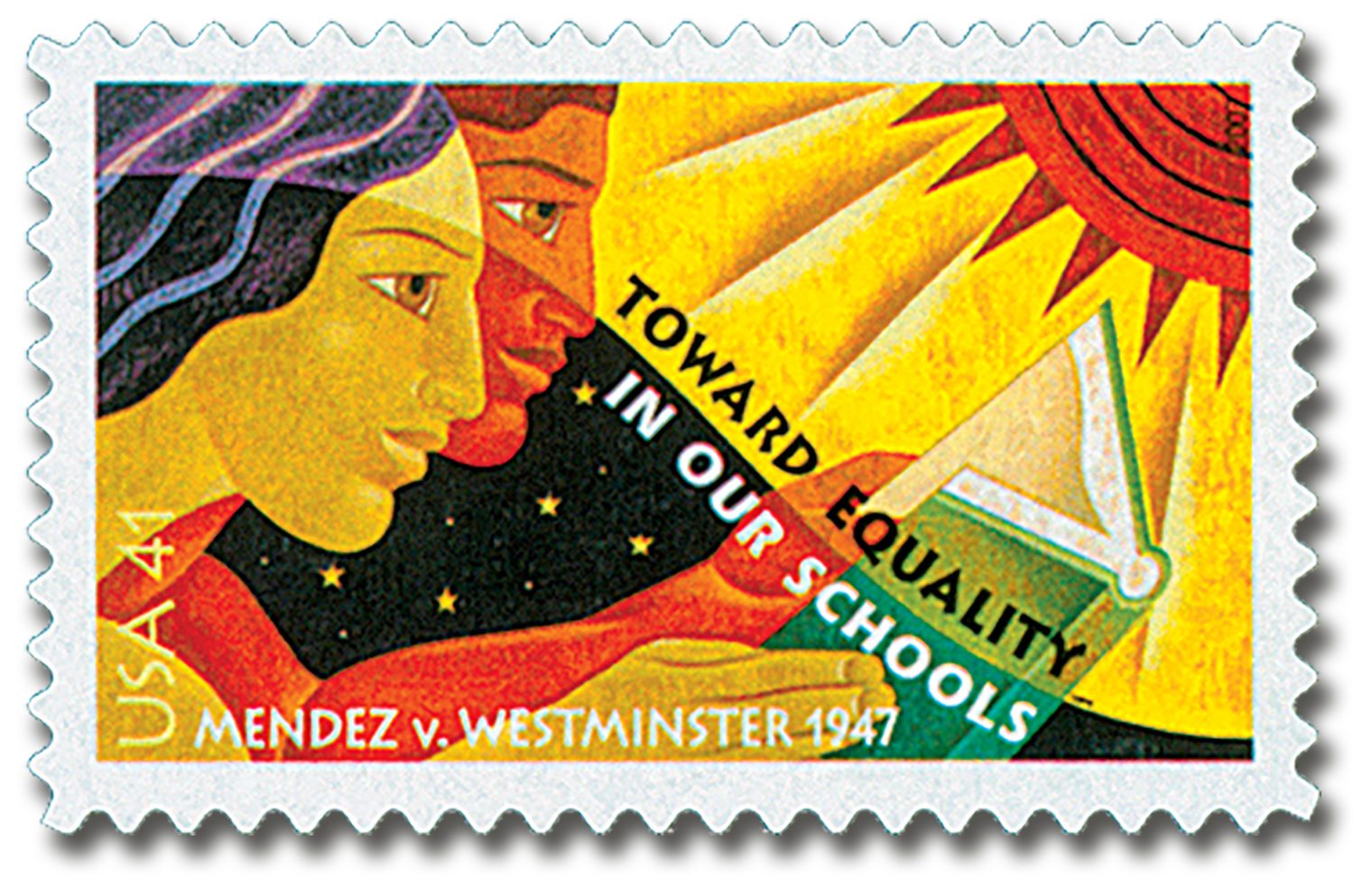
On April 14, 1947, the court case of Mendez v. Westminster was decided in favor of Gonzalo Mendez, marking a clear legal victory against school segregation in California. Years before Brown v. Board of Education, this case showed that organized community action and careful legal strategy could challenge unequal treatment in public education.
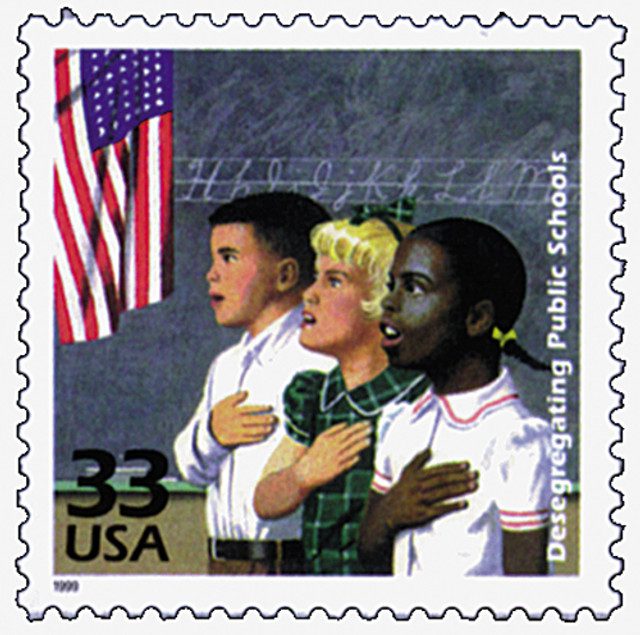
In 1945, Gonzalo Mendez’s family lived in Westminster, California, in Orange County. The local school system separated students based on ethnicity. Mexican-American children were sent to inferior “Mexican schools,” while white children attended better-funded campuses. One such school was 17th Street Elementary, a modern facility with a landscaped lawn, adequate classrooms, and full resources. In contrast, the school for Mexican children was a small, poorly maintained structure with limited materials and fewer opportunities.

When Gonzalo Mendez and his wife Felicitas tried to enroll their children—Sylvia, Gonzalo Jr., and Jerome—at 17th Street Elementary, they were denied. School officials claimed the children needed to improve their English, even though the children spoke it fluently. Meanwhile, their lighter-skinned cousins, who had a French surname, were admitted without issue. This inconsistency made clear that the policy was not about language, but about ethnicity.
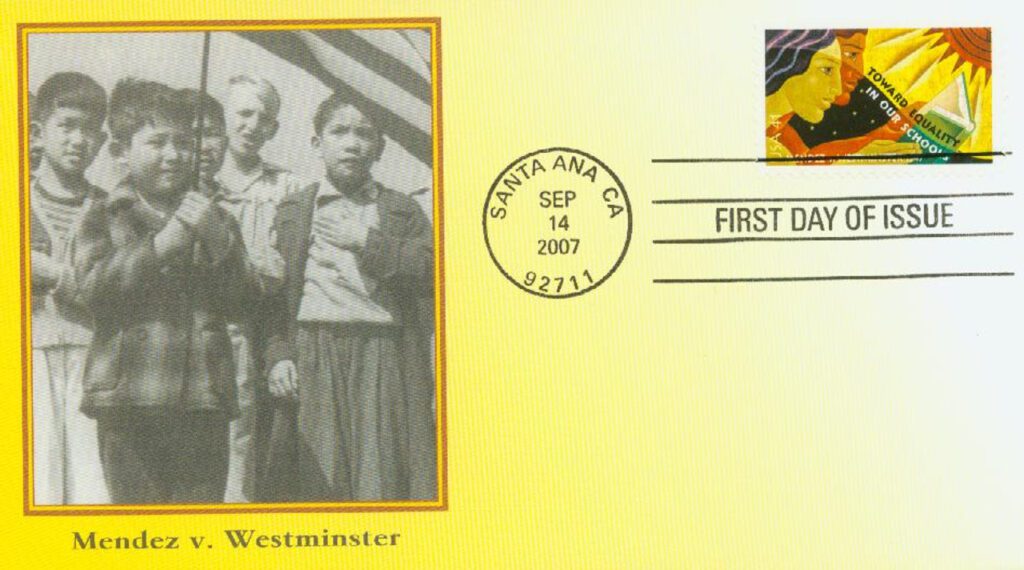
Rather than accept the decision, Mendez joined with four other Mexican-American fathers—William Guzman, Frank Palomino, Thomas Estrada, and Lorenzo Ramirez—to challenge the system. In 1945, they filed a federal lawsuit against four Orange County school districts, including Westminster. The case argued that segregating children of Mexican descent violated the Equal Protection Clause of the Fourteenth Amendment.
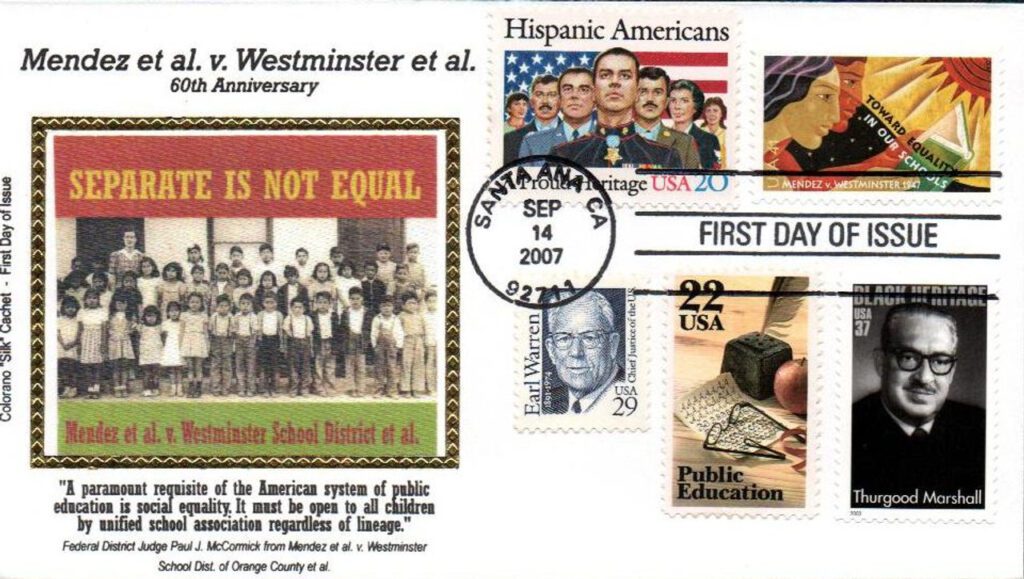
The lawsuit represented approximately 5,000 children who were forced into separate schools. It was one of the first federal cases to directly challenge school segregation as unconstitutional. The plaintiffs presented evidence showing that the segregation was not based on state law, but on local practices rooted in discrimination.
During the trial, social scientists testified about the harmful effects of segregation on children’s development. Educators also explained that separating students limited their academic progress. These arguments helped shift the case beyond local policy and into a broader discussion about equality and civil rights.
At one point, the Westminster School District attempted to resolve the issue by offering to admit only the Mendez children to the white school. Gonzalo Mendez refused. He insisted that any solution must apply to all affected children, not just his own family. This decision kept the case focused on fairness for the entire community.
On February 18, 1946, Judge Paul J. McCormick of the US District Court ruled in favor of the plaintiffs. He found that segregating Mexican-American students was not supported by California law and violated their constitutional rights. The ruling stated that separating children solely based on ancestry denied them equal protection.
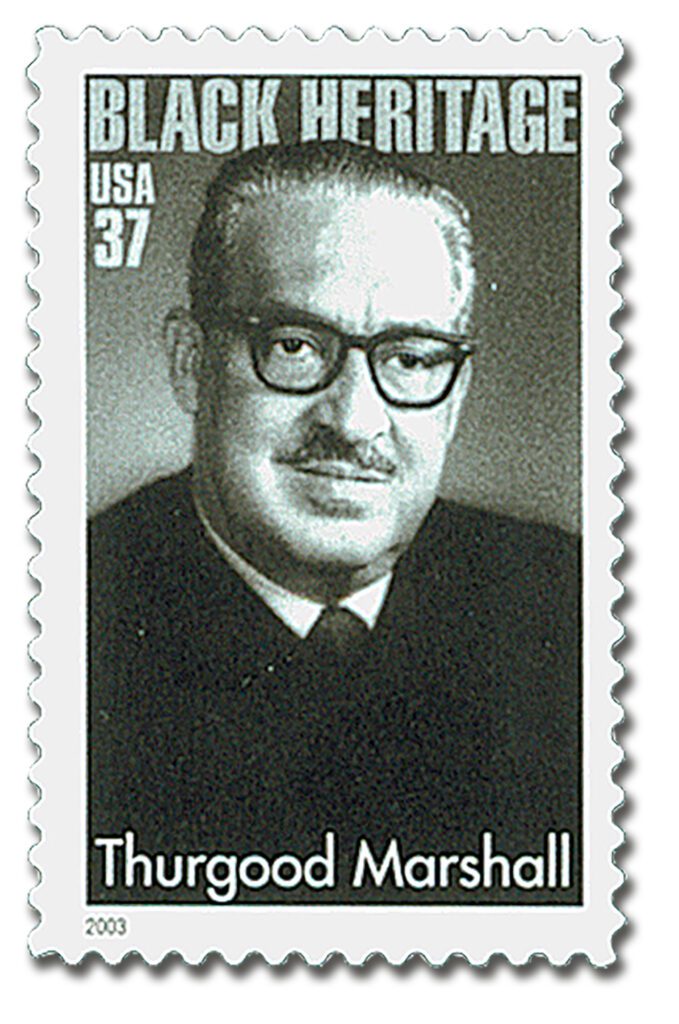
The school districts appealed the decision to the Ninth Circuit Court of Appeals. During the appeal, several national organizations became involved. The American Civil Liberties Union and the NAACP filed briefs supporting the Mendez family. One of the NAACP attorneys who contributed to the case was Thurgood Marshall, who would later argue Brown v. Board of Education before the Supreme Court.
On April 14, 1947, the Ninth Circuit upheld the lower court’s ruling, affirming that the segregation of Mexican-American students in these districts was unlawful. The decision did not end all segregation in the United States, but it removed a major barrier in California’s public schools.
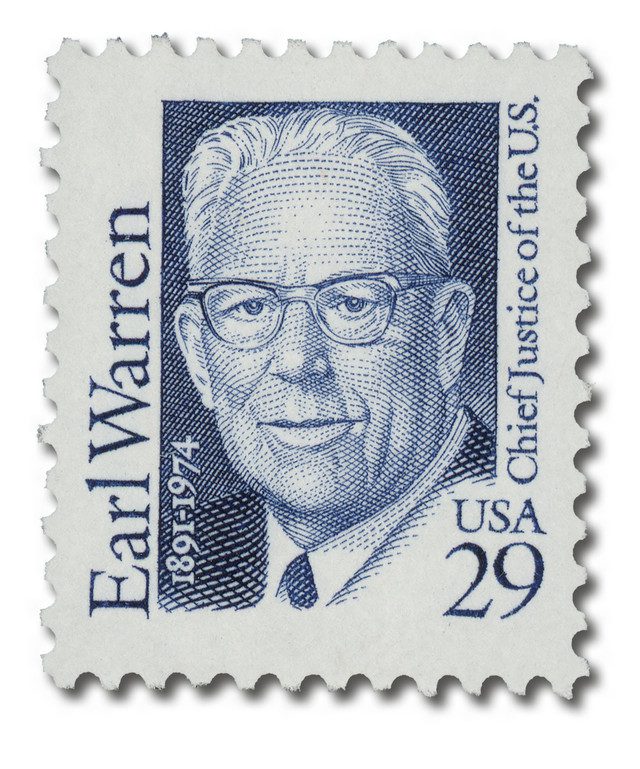
The impact was immediate at the state level. California Governor Earl Warren signed legislation repealing the remaining laws that allowed segregation of Native American and Asian students in public schools. This made California one of the first states to formally end school segregation.
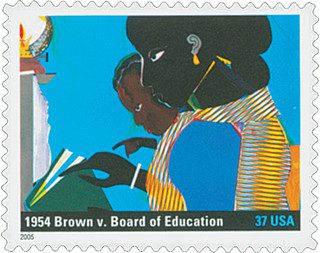
The Mendez v. Westminster case also helped shape future civil rights strategies. It demonstrated that segregation could be successfully challenged in federal court using constitutional arguments and expert testimony. The legal groundwork and arguments used in this case influenced the approach later taken in Brown v. Board of Education in 1954.
Sylvia Mendez, one of the children at the center of the case, later spent decades speaking about her experience and promoting educational equality. In 2011, she was awarded the Presidential Medal of Freedom for her role in advancing civil rights.
| FREE printable This Day in History album pages Download a PDF of today’s article. Get a binder or other supplies to create your This Day in History album. |
Discover what else happened on This Day in History.
Just another great example of what stamps can do. They shed light on the hidden parts of our history that otherwise might become forgotten.
Was not Abraham Lincoln assassinated on this date, 155 years ago today?
Lincoln was shot on the 14th but didn’t die until the 15th. The story and stamp are posted on the 15th.
Another great Mystic updating and detail-informing lesson in American history !! Thank you !
This demonstrates, if anyone needs that reminder, that racism wasn’t just a southern problem,
You’re right Mr. Gaunt, it wasn’t just a problem in the south. With the idiots in charge today, black and brown people are now deadly targets by their own government! Shameful.