
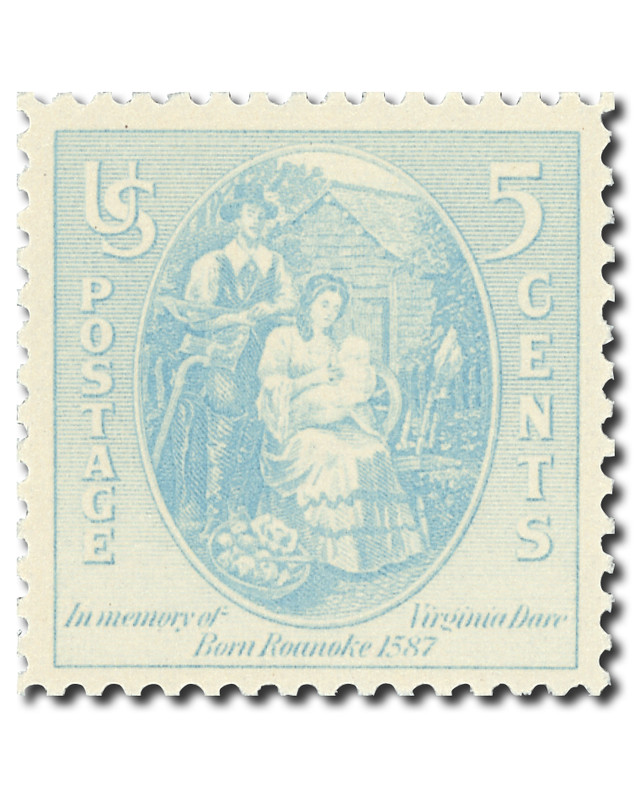
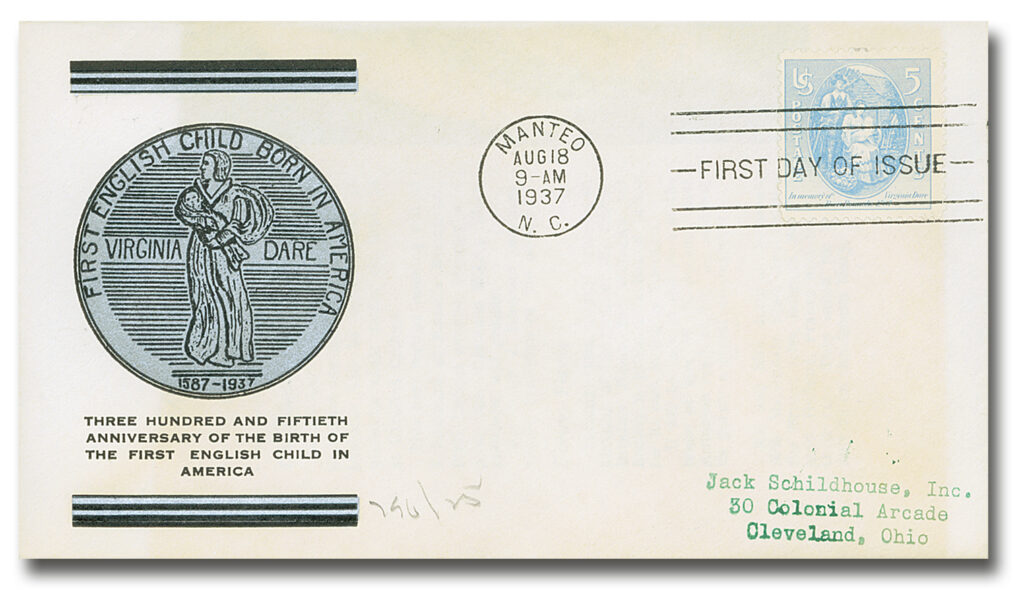
On August 18, 1587, Virginia Dare was born on Roanoke Island in present-day North Carolina, becoming the first English child known to have been born in North America. Just three years later, her grandfather returned to find Virginia, her parents, and the other colonists gone, creating the mystery now known as the Lost Colony of Roanoke.
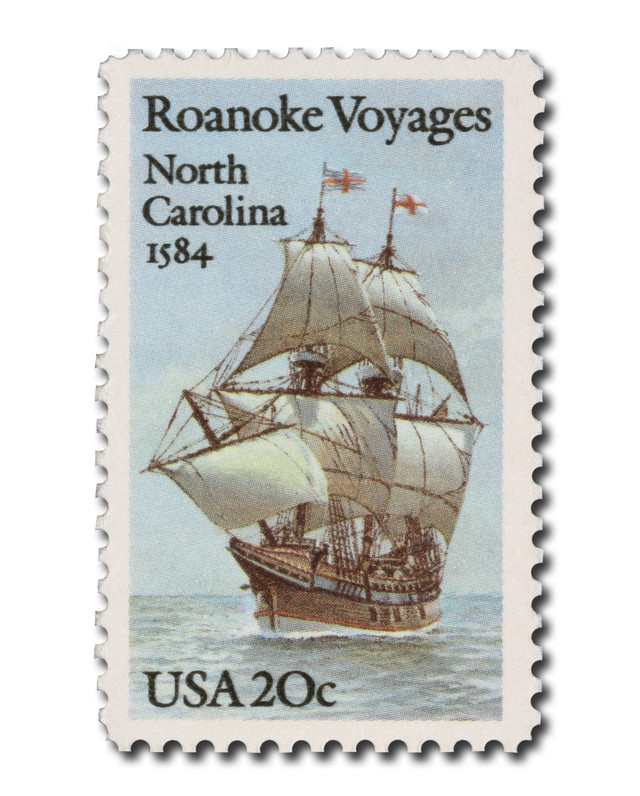
England’s attempt to establish a colony at Roanoke began several years earlier. In 1584, Queen Elizabeth I granted Sir Walter Raleigh authority to explore and colonize lands in North America not already controlled by another Christian nation. Raleigh financed expeditions to the region, though he never personally settled there.
The first English colony was established on Roanoke Island in 1585 under Ralph Lane. It was largely a military outpost made up of men. Food shortages and worsening relations with local Algonquian peoples created serious problems. In 1586, Lane’s men attacked and killed the Roanoke leader Wingina. Soon afterward, the struggling settlers abandoned the colony and returned to England with Sir Francis Drake.
Raleigh tried again in 1587. This time, the goal was a permanent agricultural settlement that included women and children. Governor John White led roughly 118 colonists who left England in April. Their intended destination was the Chesapeake Bay, farther north. Roanoke Island was supposed to be only a stop, where they would check on a small English garrison left behind after the earlier colony.
The settlers reached Roanoke on July 22. They found no surviving garrison, only the remains of one man. Pilot Simon Fernandes then refused to carry the colonists farther north. The settlers were forced to remain on Roanoke, where they repaired buildings left from the previous settlement.
Trouble followed quickly. Colonist George Howe was killed, apparently by members of the Secotan people. The English retaliated by attacking a village they believed belonged to their enemies, but they mistakenly struck friendly Croatoans instead. Food supplies were also uncertain, and winter was approaching.
Amid these difficulties, Eleanor Dare, John White’s daughter, gave birth on August 18. Her husband, Ananias Dare, was one of the colony’s assistants. Their daughter was named Virginia after the English name for Raleigh’s claimed territory. She was baptized about a week later. Shortly afterward, Margery and Dyonis Harvie also had a child at Roanoke, although the baby’s name and sex were not recorded.
The colonists urged White to return to England for supplies and reinforcements. He sailed on August 27, only nine days after Virginia’s birth. Before leaving, White arranged a signal with the settlers. If they moved elsewhere, they were to carve the name of their destination into a tree or post. If they had been forced to leave, they were to add a Maltese cross.
White hoped to return quickly, but war with Spain delayed him. England was preparing for the Spanish Armada in 1588, and ships were needed for the country’s defense. White was unable to secure passage back to Roanoke until 1590.
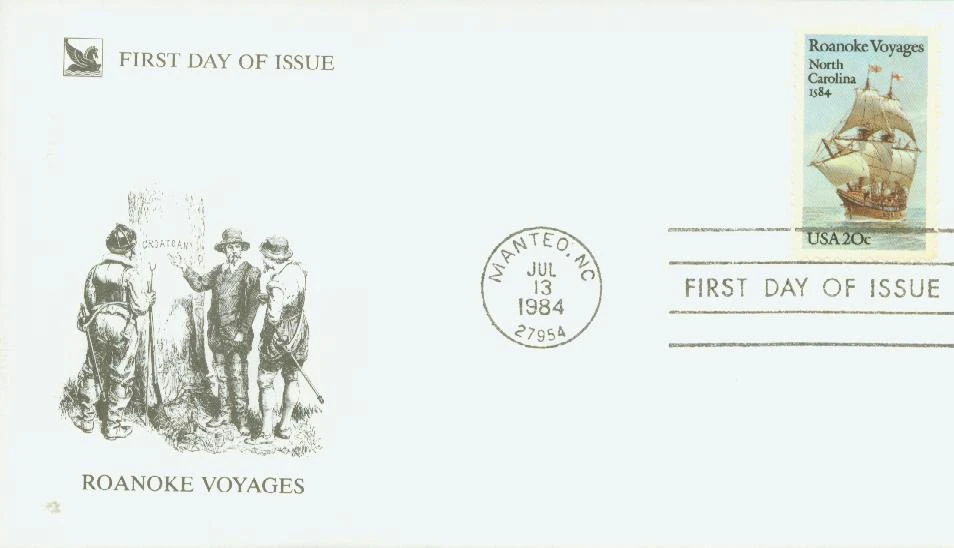
He finally reached the island on August 18, 1590—Virginia Dare’s third birthday. The settlement was deserted. White found “CRO” carved into a tree and “CROATOAN” cut into a palisade. There was no Maltese cross and no clear evidence of a violent attack. The buildings appeared to have been dismantled rather than suddenly destroyed.
White believed the colonists had moved to Croatoan, now Hatteras Island, where the Croatoan people lived. He attempted to sail there, but a storm forced the expedition away. White never reached the island and never saw his daughter, granddaughter, or the colonists again.
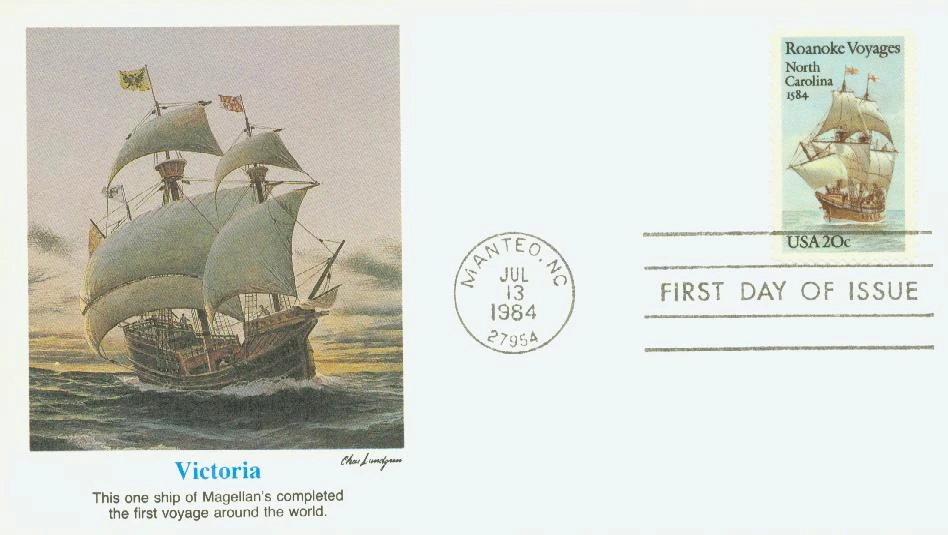
Their fate remains uncertain. Historians and archaeologists have investigated several possibilities, including relocation to Hatteras Island, movement inland along Albemarle Sound, famine, disease, or conflict. English artifacts have been found at possible locations, but none has conclusively solved the mystery. Virginia Dare’s documented life therefore covers only the nine days between her birth and her grandfather’s departure; what happened to her afterward remains unknown.
Click here for more from the National Park Service website.
| FREE printable This Day in History album pages Download a PDF of today’s article. Get a binder or other supplies to create your This Day in History album. |
Discover what else happened on This Day in History.
Interesting bit of history. Thanks Don and everyone at Mystic.
It is quite interesting that just a few days or weeks ago they supposedly found the Lost Colony. Quite something.
As one of your foreign customers since a few years, I want to congratulate you on the initiative of telling all of us about the meaning of many of the US stamps in our collections. Being trained for several years in the USA, I have had an active interest in US history. However you are adding a special human and reality dimension to our collections beyond that of a few historic figures known to everyone.
Thanks and .. Congratulations
Disappeared but left a foot mark behind, on which the whites’ presence is
established till today
Thanks for your historic stories.
THANKS FOR THE EDUCATION!
So much of early American history has been forgotten buy many.
Thanks for keeping it alive. Keep up the good work.
Thank you for bringing the stamps to life.
Very interesting info
Thanks
This story I knew. My mother’s maiden name is Virginia Dare. As a kid I remember getting into Colonial Williamsburg for free just because she kept her old, pre-marriage identification card.
I have collected US stamps for over 50 years and have always enjoyed knowing the story behind the stamp. Your “This Day in History” series has been outstanding. I hope you make it permanent. Its educational value can only help and encourage stamp collectors of all ages. Thanks!
Wow, Don, the biggest event of today is US women getting the right to vote, and I am sure there have been stamps honoring either this event or some of the women involved! Having equal rights– priceless!
https://www.mysticstamp.com/Products/United-States/1406/USA/
what a great way to learn history. please keep up the good lessons. our history is so important and is attached to ever stamp.
Thank you for the story behind the US stamp which is very much interesting and enhance our knowledge.
Wonderful history lessons. Love of American is very vital especially for the children. thank you.
I have been been collecting US stamps for over forty years and I have quite a few of Foreign Stamps. I have been interested in History since I was in HS in the 40’s and also I studied History in College. I know quite a bit about most of the things posted but many of the posts are more detailed. I found that interesting and found out I didn’t know as much as I thought I did.
Teachers should be using your daily history lessons as a tool to teach US history one little bit at a time so as not to “bore” them and encourage them to discuss the lesson of the day. Stamp pics also I think add interest.
I started stamp collecting early in life and this was THE first one I got as I remember. I always thought this was a most beautiful design.