
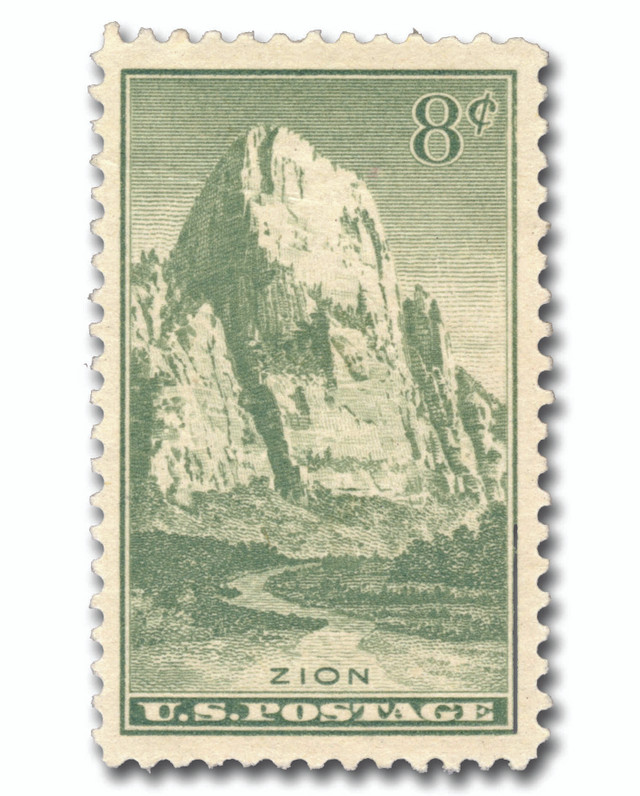
On November 19, 1919, Zion became Utah’s first national park. Its history reaches back thousands of years, while its modern park story includes homesteaders, artists, new roads, and a changing name.
People have lived in and around Zion Canyon for thousands of years. Early inhabitants hunted animals and gathered edible plants. Later, farming communities grew crops and built homes and food-storage structures. Archaeologists identify one group that lived in the area as the Virgin Branch of the Ancestral Puebloan people. Their descendants, along with the descendants of other Indigenous communities, remain connected to the region. Southern Paiute communities also lived throughout this area and developed agricultural and irrigation systems.
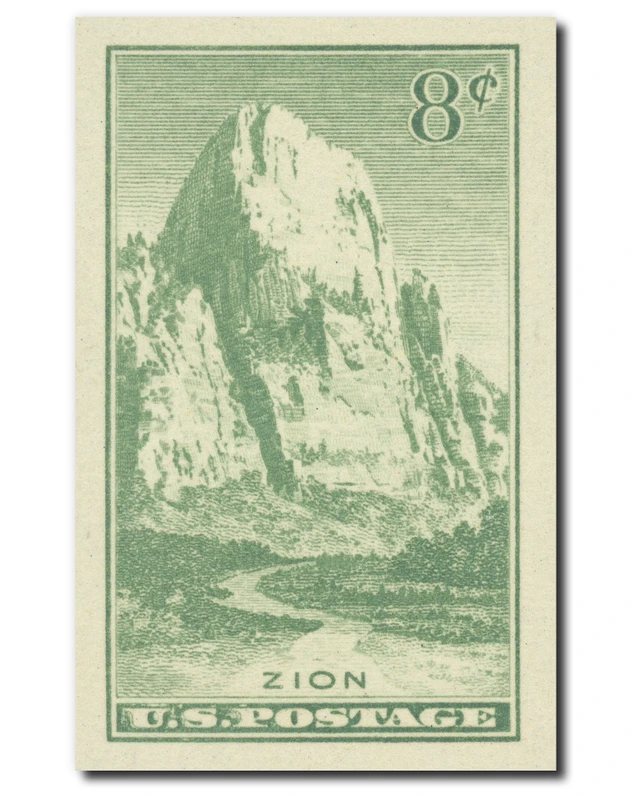
In July 1776, Franciscan friars Atanasio Domínguez and Silvestre Vélez de Escalante led an expedition from Santa Fe toward California. The party crossed the Virgin River about 30 miles south of today’s park, but did not reach its destination. During the 1800s, fur trappers and surveyors traveled through the region. In 1847, members of the Church of Jesus Christ of Latter-day Saints began settling in Utah. Settlements later grew along the upper Virgin River.
In 1863, Isaac Behunin built the first log cabin in Zion Canyon, near the site of today’s Zion Lodge. He and other settlers farmed the canyon floor, growing crops such as corn, tobacco, and fruit. Farming was difficult. Flash floods could sweep through the canyon, while drought and poor soil limited harvests. Some settlements were eventually abandoned.

Exploration and art helped introduce the canyon to wider audiences. John Wesley Powell and his expedition traveled through the area in 1872. Frederick S. Dellenbaugh, who was part of the expedition, later displayed paintings and photographs of the landscape. His work at the 1904 St. Louis World’s Fair, along with a 1905 article in Scribner’s Magazine, brought more attention to the canyon.
President William Howard Taft established Mukuntuweap National Monument on July 31, 1909, protecting 15,840 acres. In 1918, President Woodrow Wilson expanded the monument and changed its name to Zion National Monument. On November 19, 1919, Wilson signed the law establishing Zion National Park. A separate monument protecting the Kolob Canyons area was established in 1937 and added to the park in 1956.

Better transportation gradually made Zion easier to visit. By 1917, touring cars could reach Wylie Camp, the canyon’s first visitor lodging. The Zion-Mount Carmel Highway and Tunnel opened in 1930, connecting Zion with routes to Bryce Canyon and the Grand Canyon. The 1.1-mile tunnel was cut through sandstone. Its large openings, called galleries, let construction crews remove rock and now provide views of the canyon.

Today, Zion covers about 147,237 acres in southwestern Utah. The National Park Service recorded nearly five million visits in 2025. The Virgin River has carved deep canyons through layers of sandstone, creating cliffs, narrow ravines, and slot canyons. Well-known formations and places include the Great White Throne, Angels Landing, Emerald Pools, and the Temple of Sinawava. The landscape continues to draw visitors, while the park also protects archaeological sites and the history of the communities connected to the area.
Click here for more about the park from the NPS website.
| FREE printable This Day in History album pages Download a PDF of today’s article. Get a binder or other supplies to create your This Day in History album. |
Discover what else happened on This Day in History.
The print option is missing on this park. Is this something that can be added?
I have been compiling a stamp booklet of National Parks. I would love to include Zion.
I really enjoy the daily emails from Mystic Stamps. Thanks