First Continental Congress
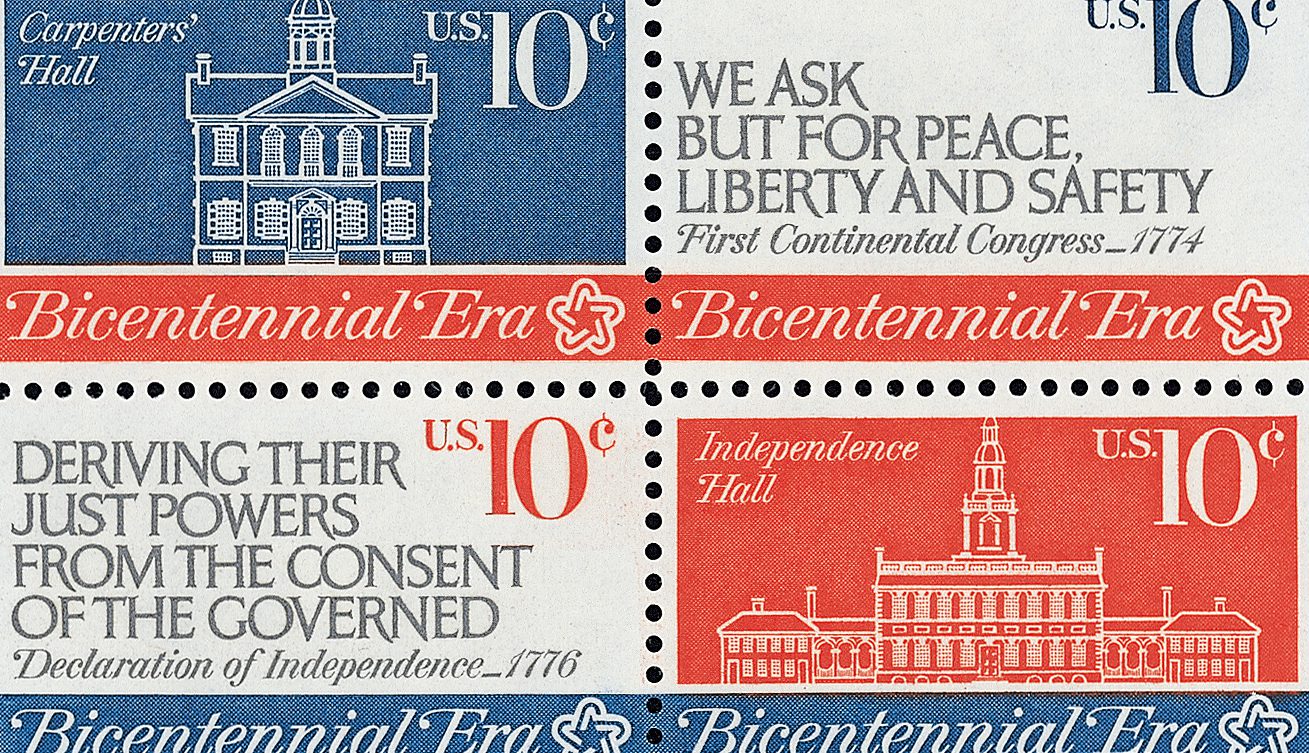
On September 5, 1774, the First Continental Congress opened in Philadelphia, Pennsylvania. It marked the first time the colonies gathered together to resist English oppression.
On August 16, 1777, American troops won the Battle of Bennington—even though most of the fighting took place across the border near Walloomsac, New York. The victory denied British General John Burgoyne badly needed supplies and cost his army hundreds of men at a critical point in the Saratoga campaign.
On July 26, 1788, New York ratified the US Constitution, becoming America’s 11th state. It has grown to be America’s fourth most populous state, with more than 20 million residents.
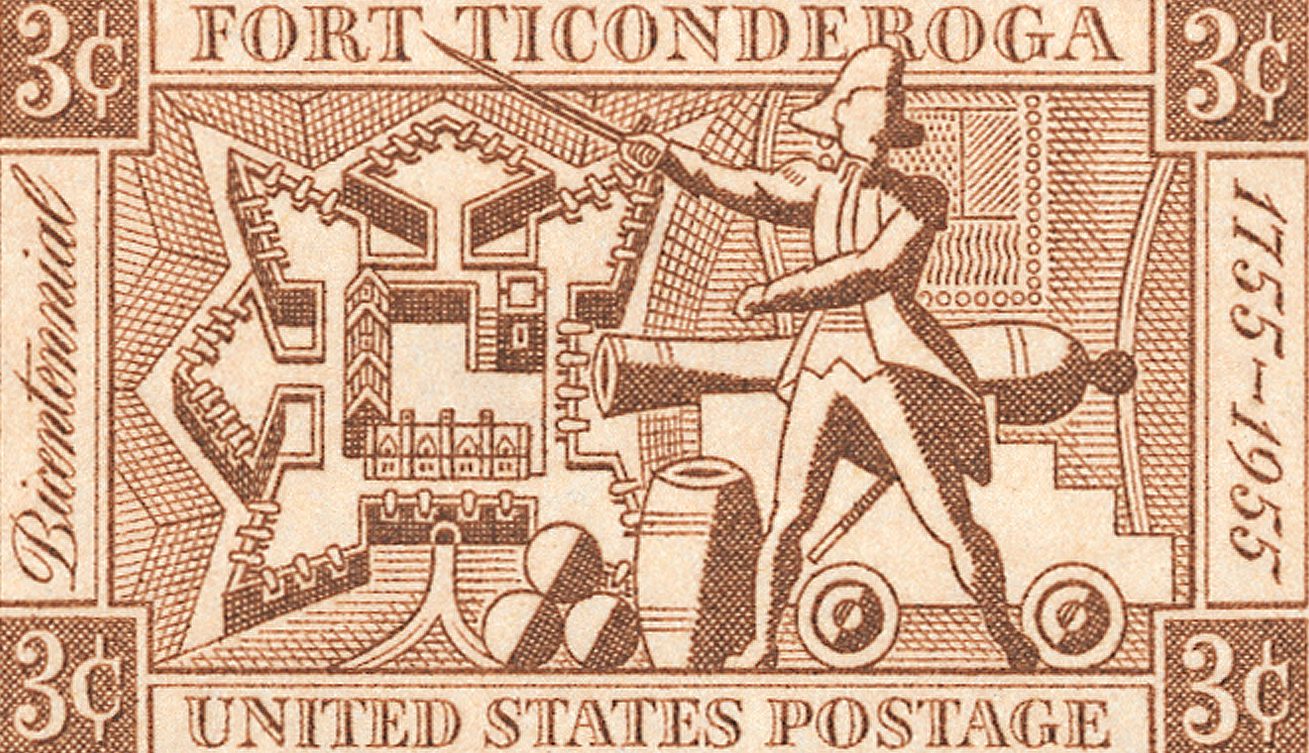
On July 6, 1777, British forces re-took Fort Ticonderoga, two years after Americans had captured it in a surprise attack. The victory seemed important at first, but it soon became one step in a campaign that ended in disaster for Britain at Saratoga.
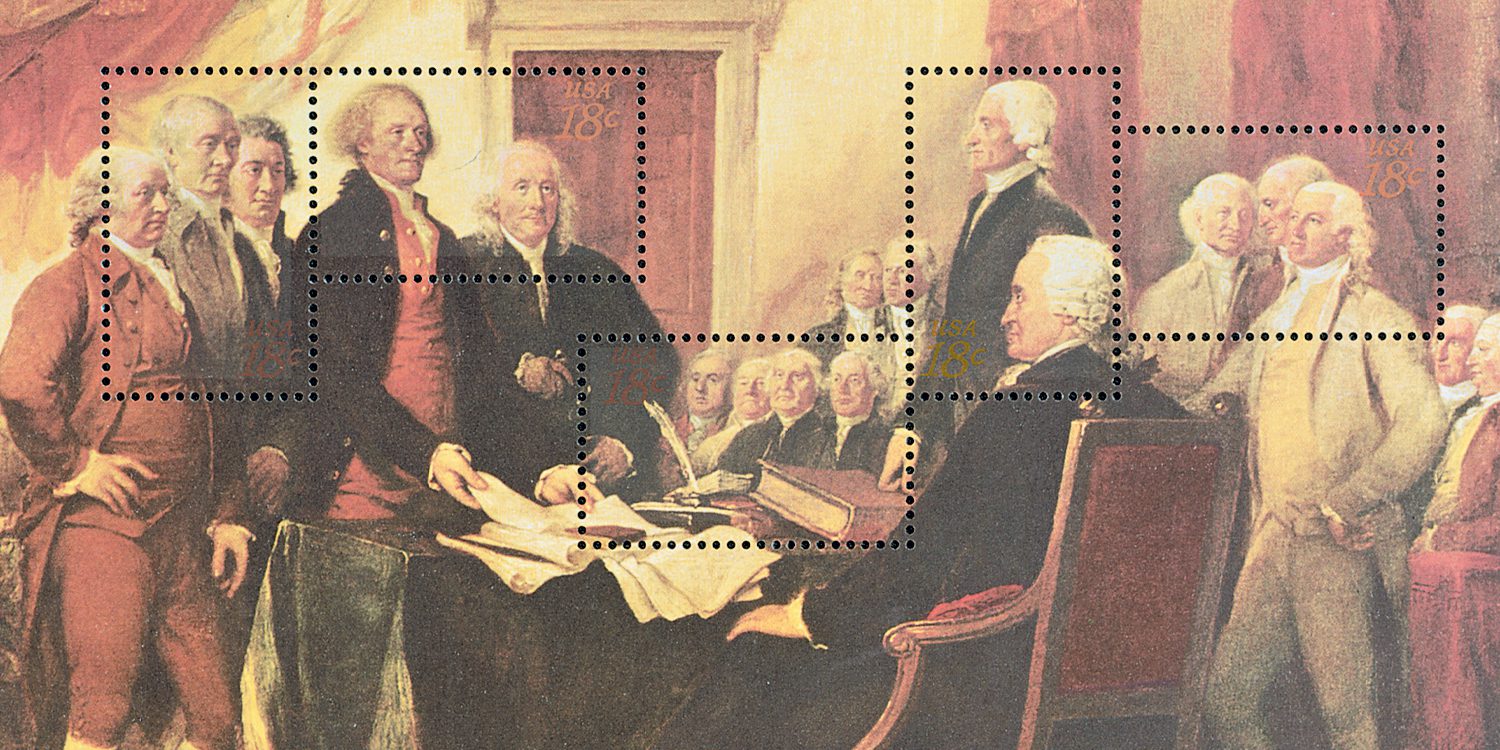
On July 4, 1776, the Second Continental Congress ratified the Declaration of Independence. One of America’s founding documents, it explained why the 13 colonies were at war with Great Britain and that they declared themselves to be independent sovereign states no longer under British rule.
On June 1, 1792, Kentucky became America’s 15th state and the first state west of the Appalachian Mountains. Its admission marked a new stage in the nation’s growth, as settlers pushed through mountain passes into a region long valued for its rivers, forests, wildlife, and rich farmland.
On May 29, 1790, Rhode Island became the last of the original 13 colonies to ratify the US Constitution. The vote was close, but it brought the smallest state into the new nation as the 13th state.
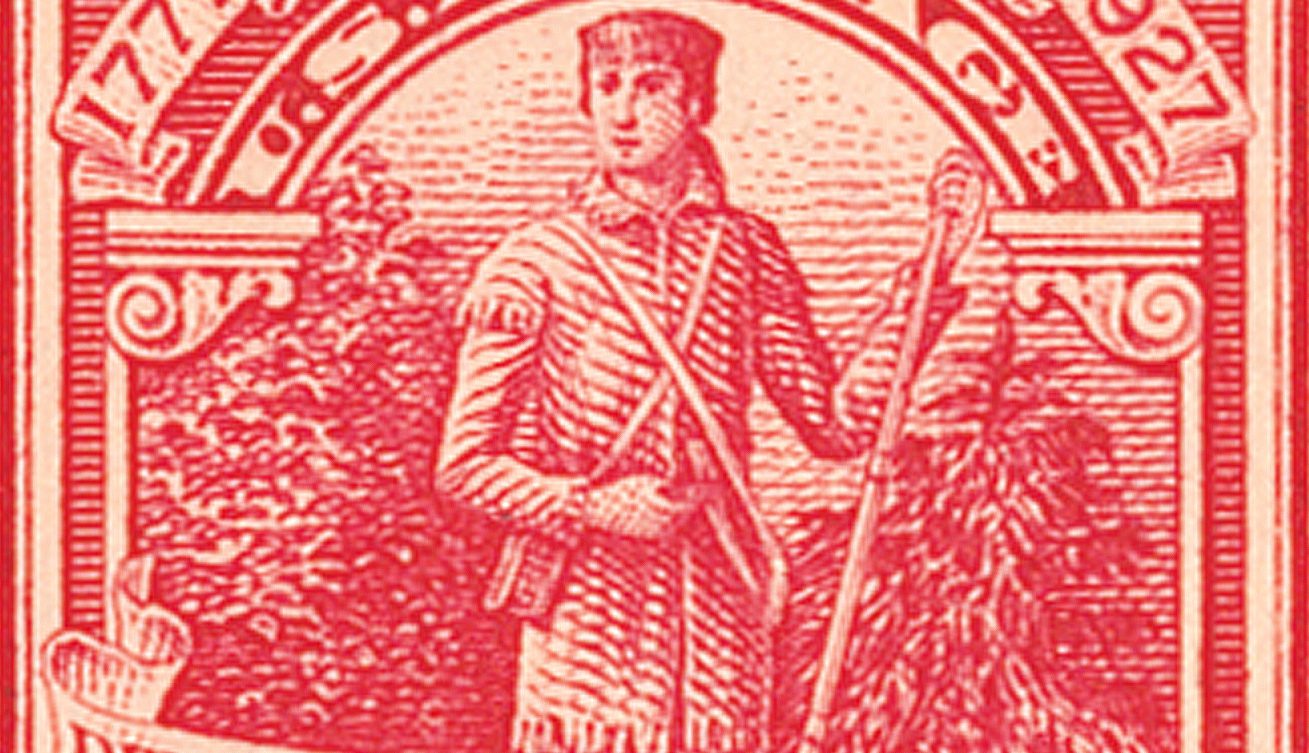
On April 26, 1777, a 16-year-old girl climbed onto her horse and rode 40 miles through a driving rainstorm in the dark, covering twice the distance of Paul Revere’s famous ride two years earlier. Her name was Sybil Ludington — and most Americans have never heard of her.
The first-ever Boson Marathon was run on April 19, 1897. It’s the world’s oldest annual marathon and is one of the six World Marathon Majors. While the first race included 15 runners, recent races have seen over 30,000 participants.