Rhode Island Becomes 13th State
On May 29, 1790, Rhode Island became the last of the original 13 colonies to ratify the US Constitution. The vote was close, but it brought the smallest state into the new nation as the 13th state.


On May 29, 1790, Rhode Island became the last of the original 13 colonies to ratify the US Constitution. The vote was close, but it brought the smallest state into the new nation as the 13th state.

On April 26, 1777, a 16-year-old girl climbed onto her horse and rode 40 miles through a driving rainstorm in the dark, covering twice the distance of Paul Revere’s famous ride two years earlier. Her name was Sybil Ludington — and most Americans have never heard of her.

The first-ever Boson Marathon was run on April 19, 1897. It’s the world’s oldest annual marathon and is one of the six World Marathon Majors. While the first race included 15 runners, recent races have seen over 30,000 participants.
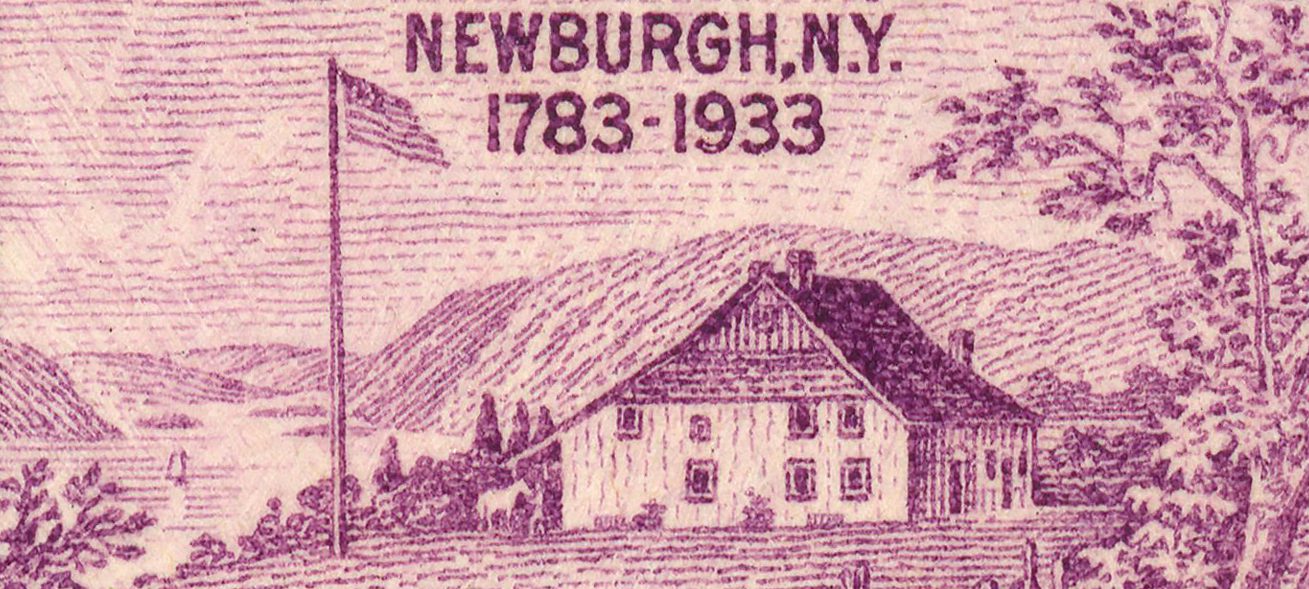
On April 18, 1783, General George Washington issued a proclamation announcing the end of hostilities in the American Revolutionary War. After eight years of fighting, the Continental Army was finally told to stand down, though the path to peace had already been set in motion months earlier.
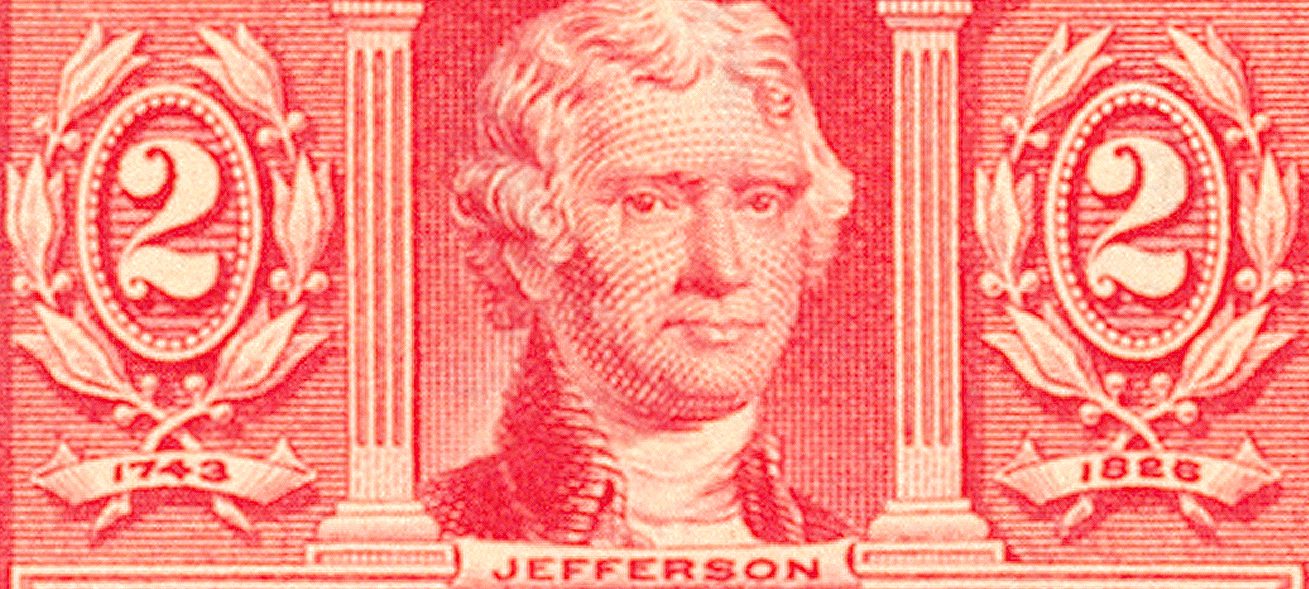
Thomas Jefferson was born on April 13, 1743, in Shadwell, Colony of Virginia. He would go on to draft the Declaration of Independence, serve as the country’s third president, and shape the early United States through his ideas on liberty, education, and expansion.
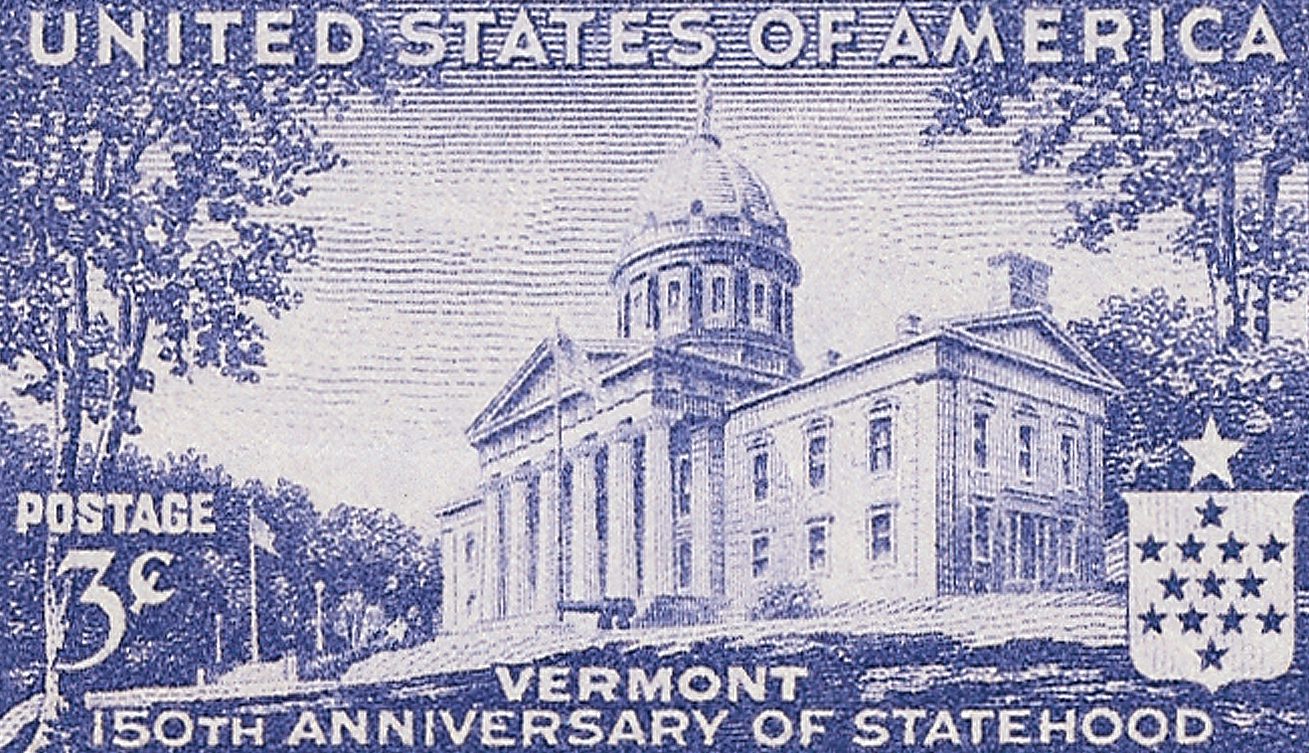
On March 4, 1791, Vermont was admitted to the Union. After years of land disputes, frontier battles, and even a period as an independent republic, the small mountain region officially became the 14th state of the United States.
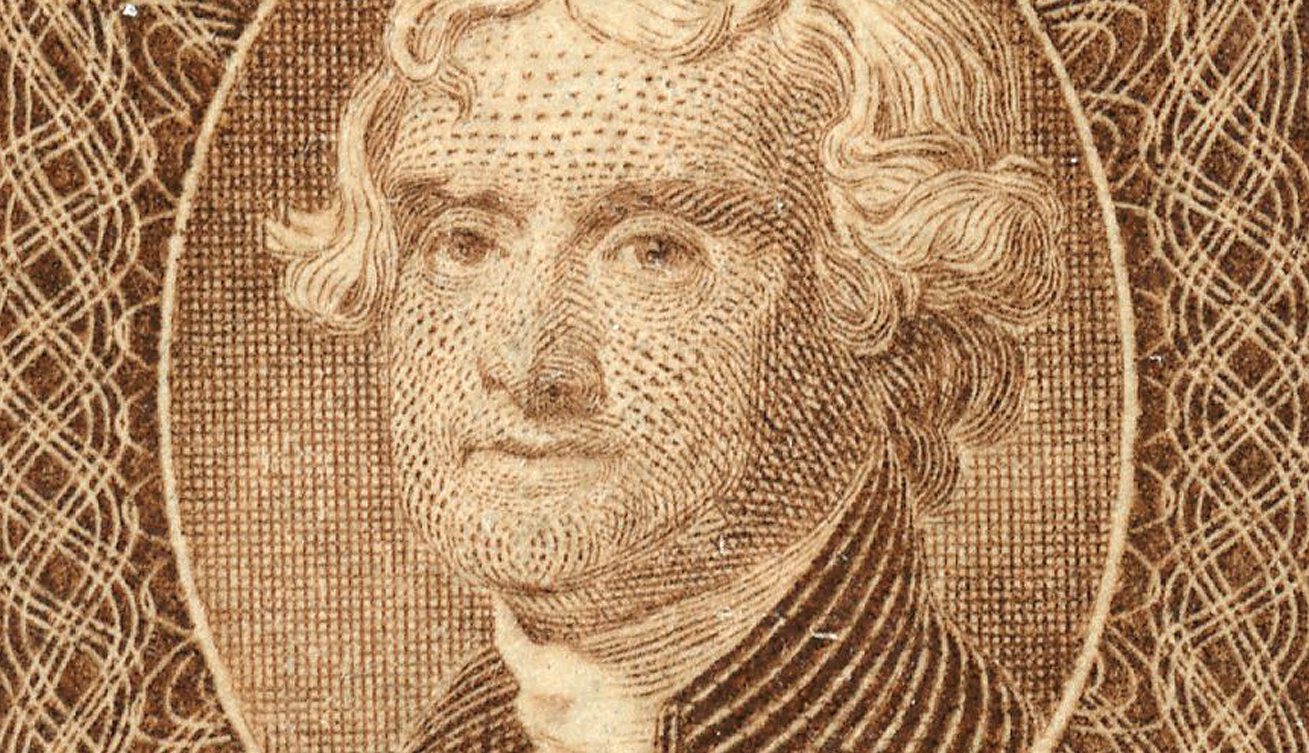
On February 17, 1801, the young United States faced a constitutional crisis that tested whether its new government could transfer power peacefully. That day, after weeks of deadlock, the House of Representatives finally chose a president, proving that the nation’s system—though imperfect—could still function under pressure.
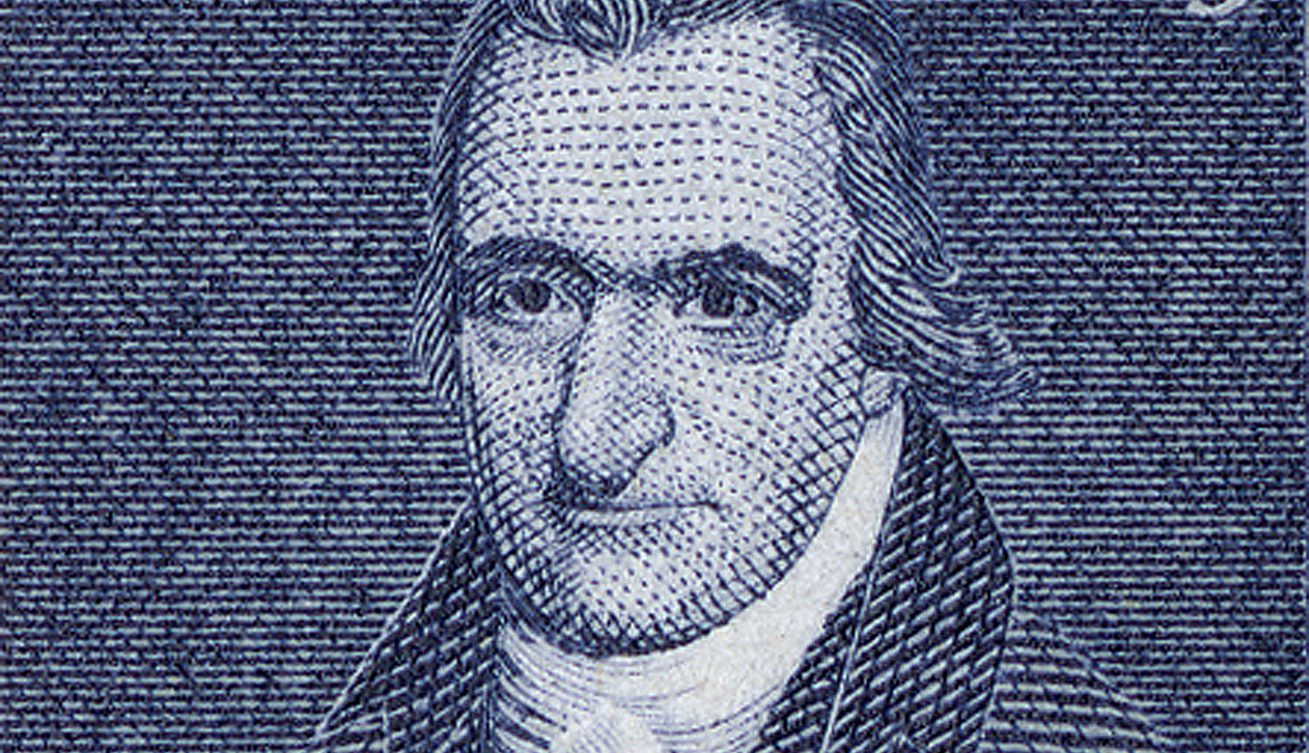
On January 10, 1776, a short pamphlet quietly appeared in Philadelphia—and helped change the course of history. Published anonymously and written in clear, forceful language, Common Sense urged American colonists to do something many still feared to say aloud: break completely from Great Britain. Within weeks, its ideas were being read aloud in taverns, debated in meeting halls, and discussed around kitchen tables, helping turn the dream of independence into a shared conviction.

On December 7, 1787, Delaware was the first state to ratify the U.S. Constitution, making it America’s first state. But its quick decision wasn’t just a race to the finish—it marked the beginning of a new national identity, driven by bold choices, fierce debates, and a vote that helped shape the country we know today.