Birth of Harlan F. Stone
Supreme Court Justice Harlan Fiske Stone was born on October 11, 1872, in Chesterfield, New Hampshire. He served on the court for over 20 years, including over four years as chief justice.

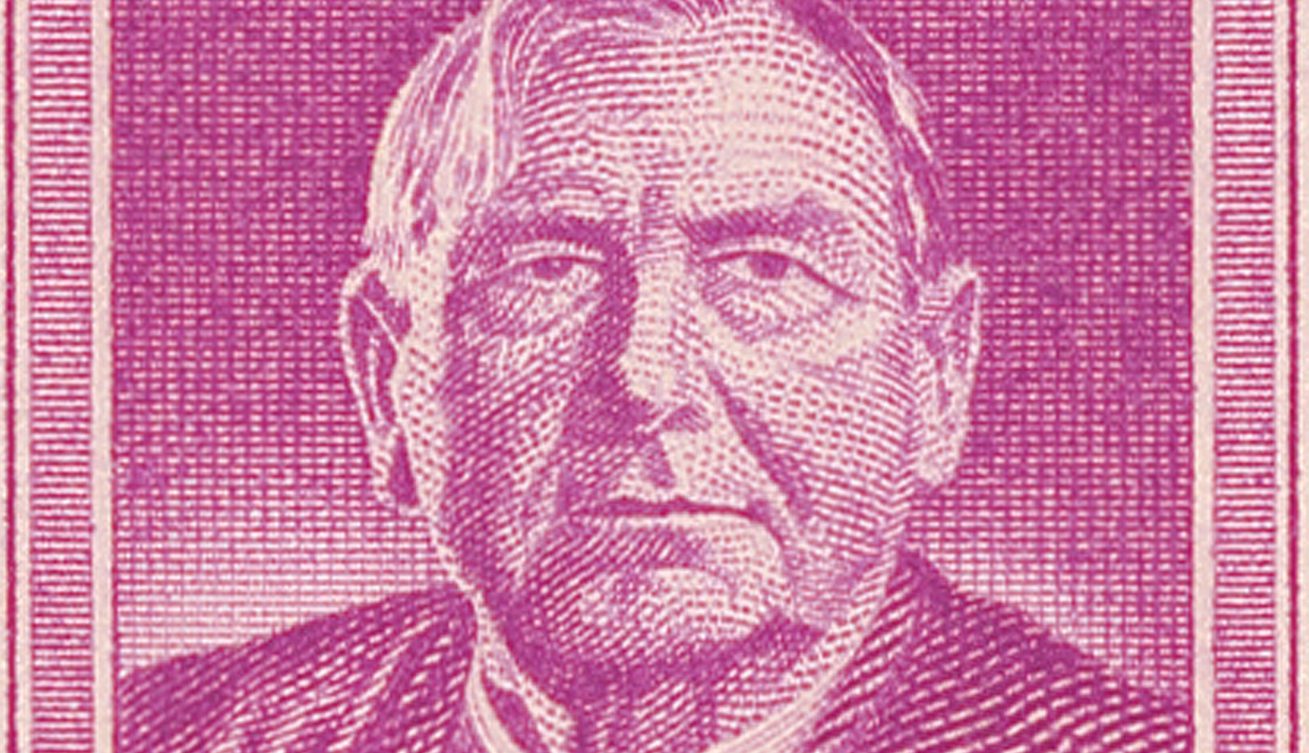
Supreme Court Justice Harlan Fiske Stone was born on October 11, 1872, in Chesterfield, New Hampshire. He served on the court for over 20 years, including over four years as chief justice.
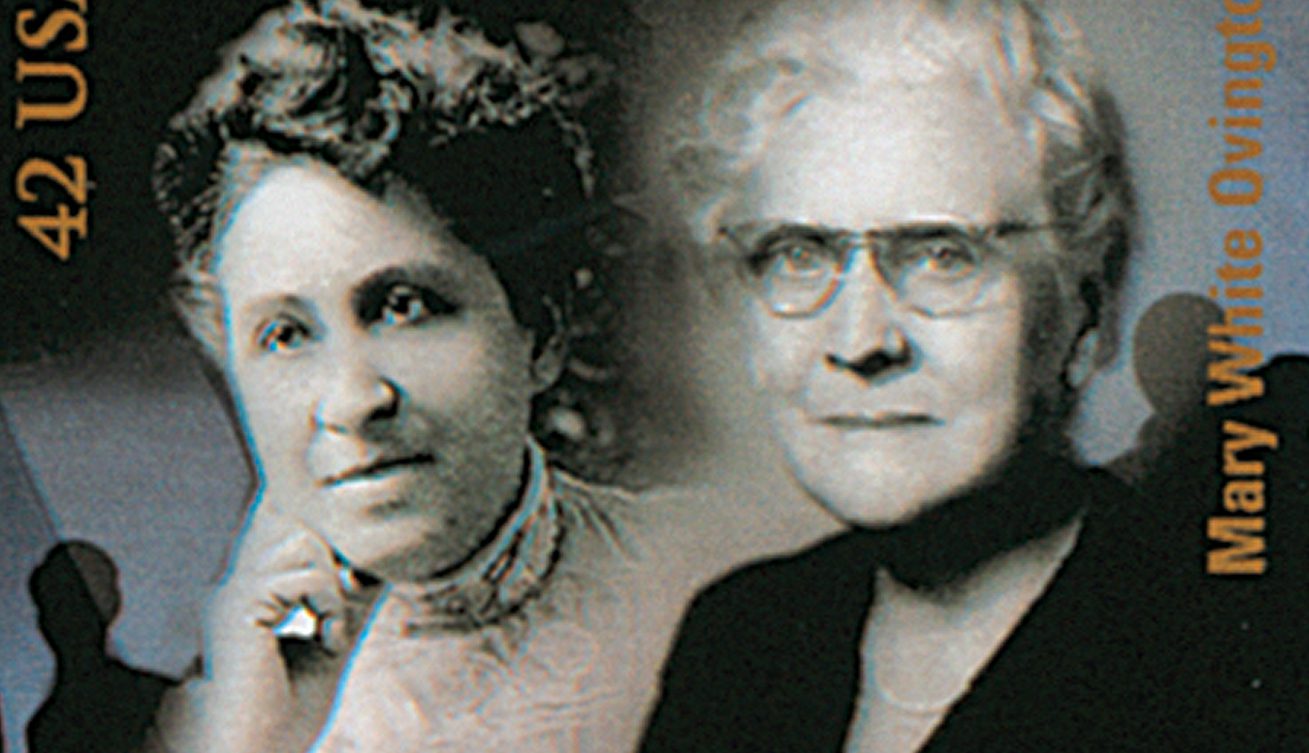
Mary Church Terrell was born on September 23, 1863, in Memphis, Tennessee. Over the next nine decades, she used education, writing, public speaking, and direct protest to challenge racial discrimination and support women’s voting rights.
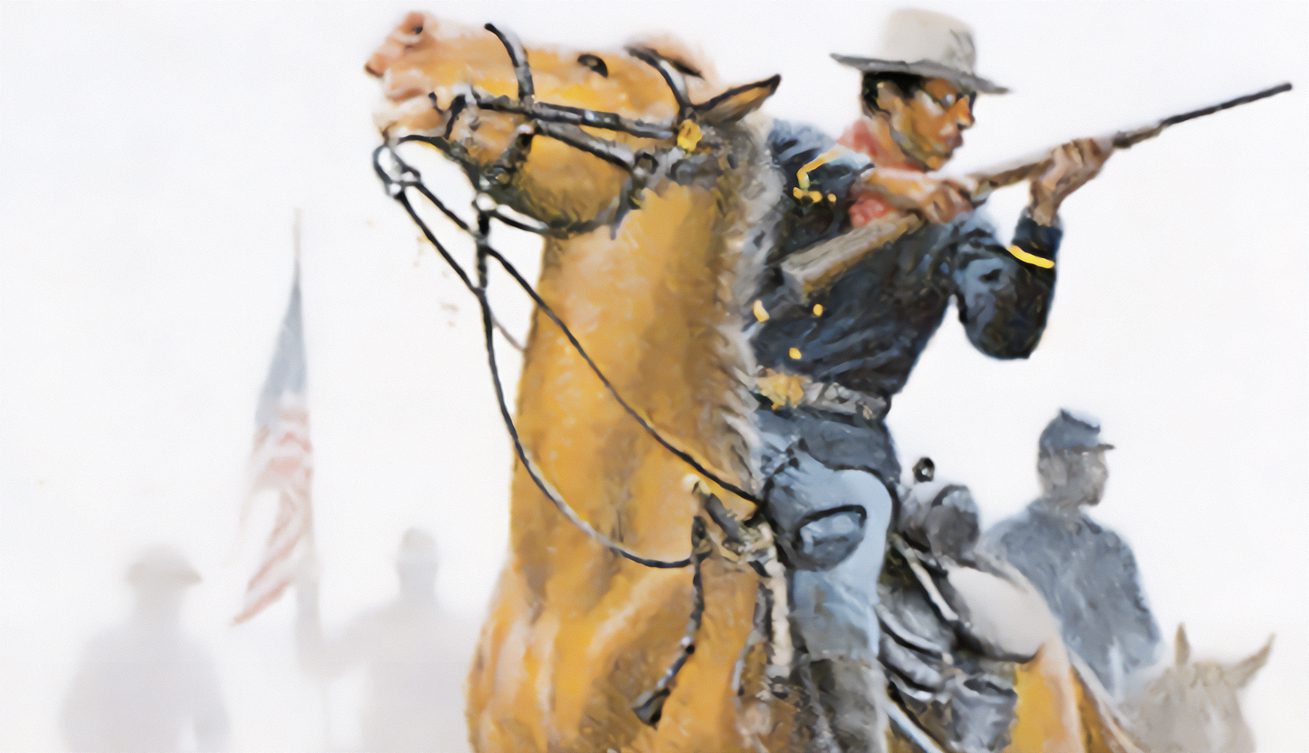
On September 21, 1866, the US Army organized six new Black regiments: the 9th and 10th Cavalry and the 38th, 39th, 40th, and 41st Infantry. Created during Reconstruction, they gave African American soldiers a continuing place in the peacetime Regular Army and began the history of the troops later known as the Buffalo Soldiers.
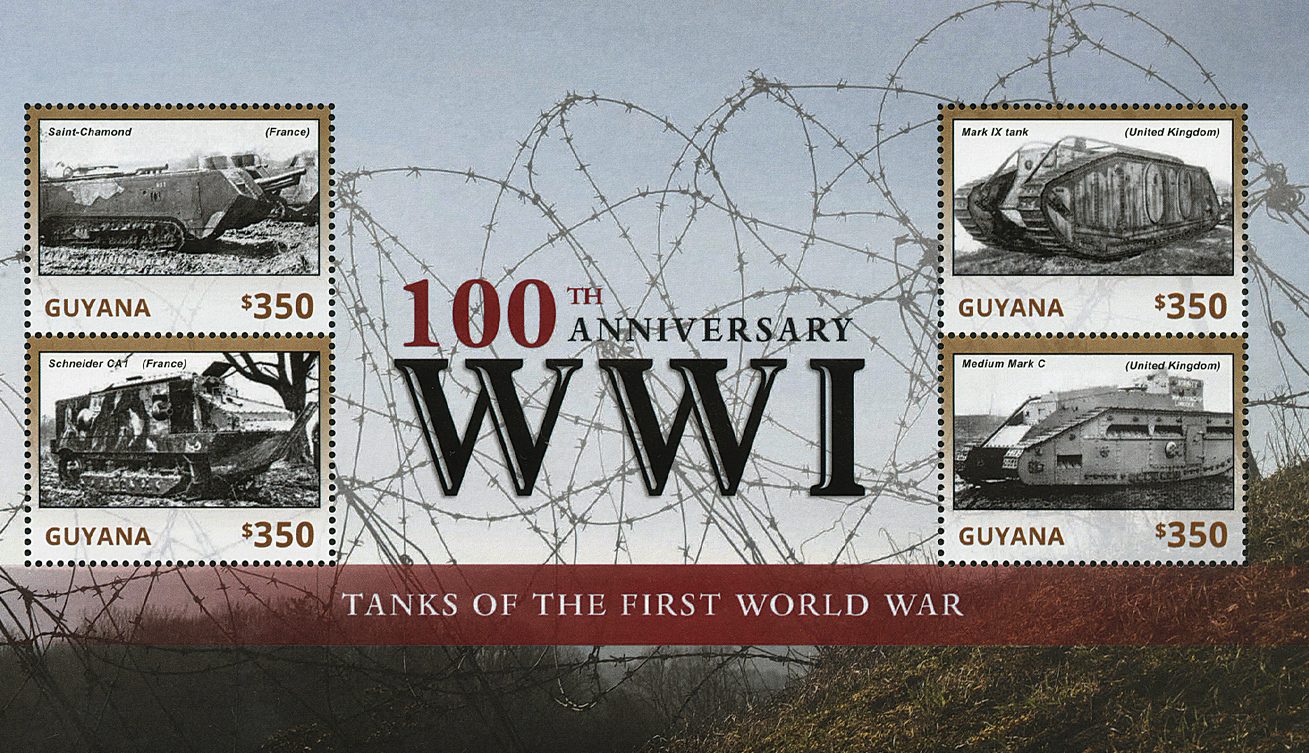
On September 15, 1916, strange armored machines lumbered across the shell-torn ground near Flers, France, as British forces introduced tanks to combat for the first time. Their debut at the Battle of the Somme did not break the stalemate, but it revealed the potential of a weapon that would reshape warfare.

On September 7, 1813, a newspaper referred to the United States as “Uncle Sam.” The name reportedly came from Troy, New York’s Uncle Sam Wilson, and has since become one of America’s most enduring national symbols.
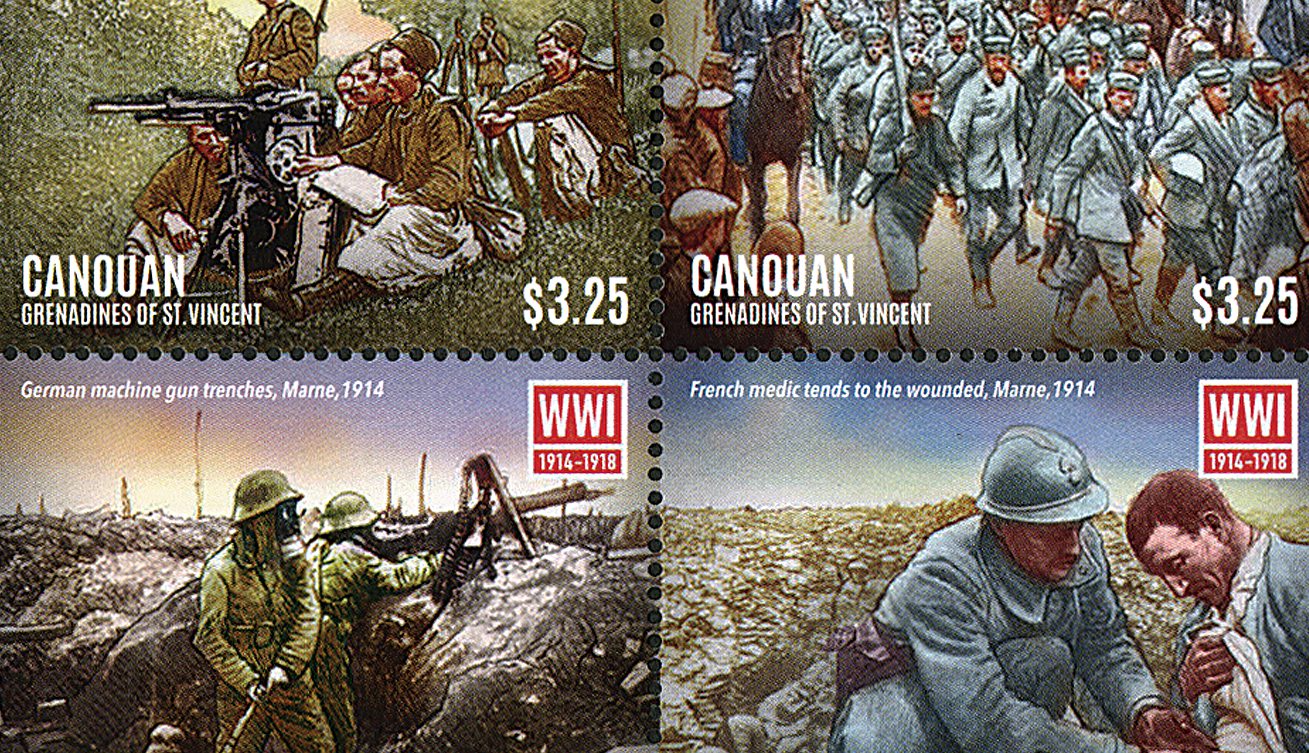
The First Battle of the Marne began on September 6, 1914. An important Allied victory, it was one of the most decisive battles in history and inaugurated the start of trench warfare that would last for much of the war.

On August 4, 1790, President George Washington passed a new Tariff Act that created the United States Revenue Cutter Service, the forerunner of the US Coast Guard. The Revenue Cutter Service was America’s only armed maritime service until the Navy was formed in 1798.
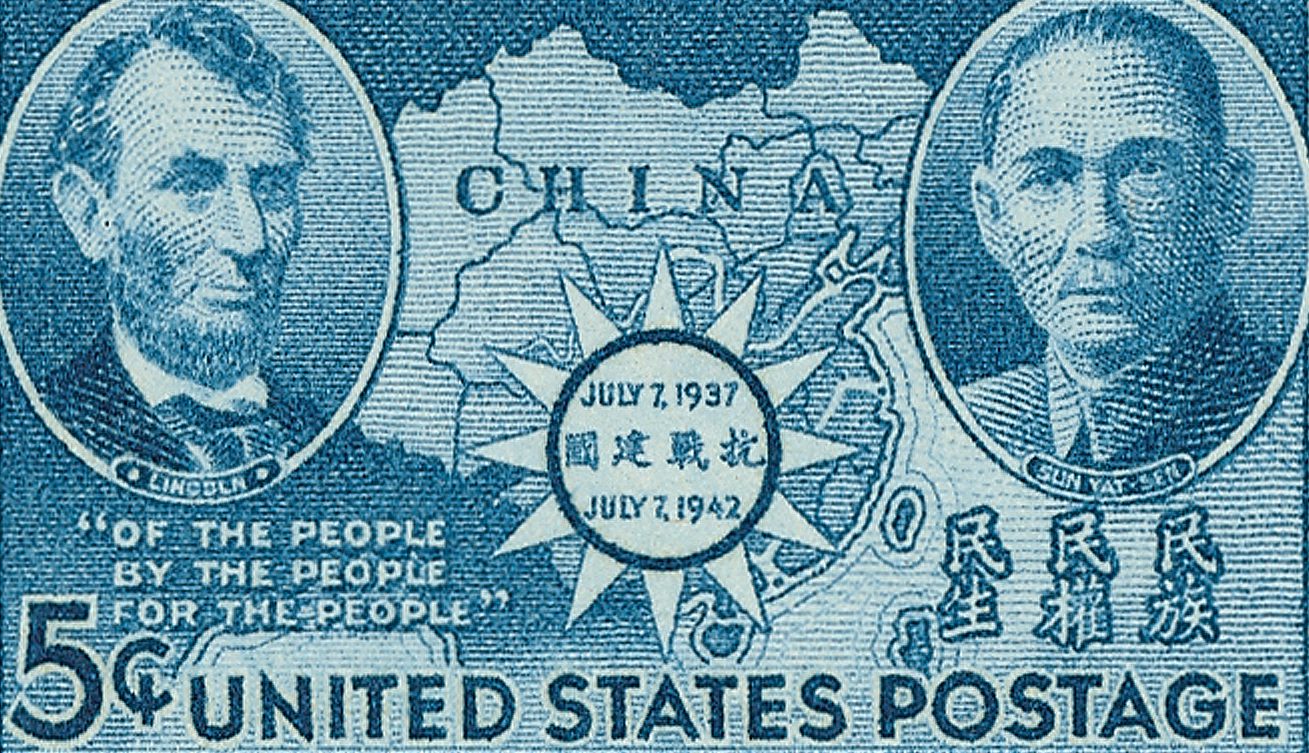
On July 7, 1942, the United States issued its first stamp with foreign characters as part of the design. The stamp honored China’s fight against Japan and used a small design detail to show a larger wartime friendship.
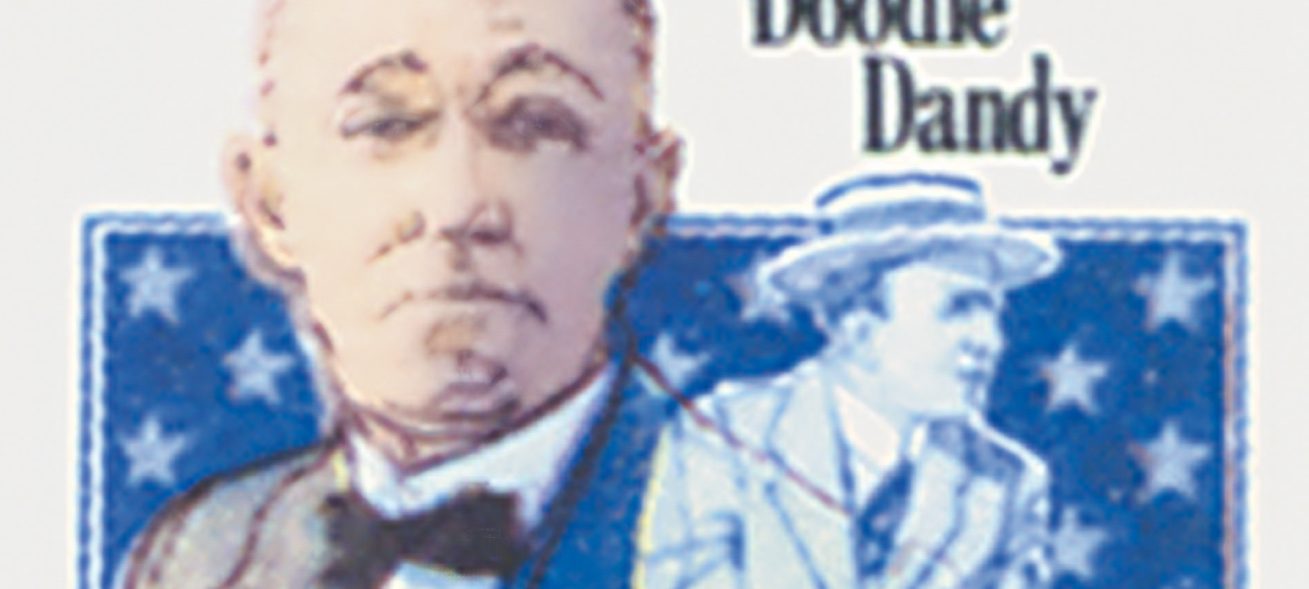
The father of American musical comedy, George Michael Cohan was born on July 3, 1878, in Providence, Rhode Island. He later became so closely associated with patriotic music that many Americans believed he had been born on the Fourth of July, a story Cohan himself enjoyed encouraging.