World War I

  • Birth of John L. Hines

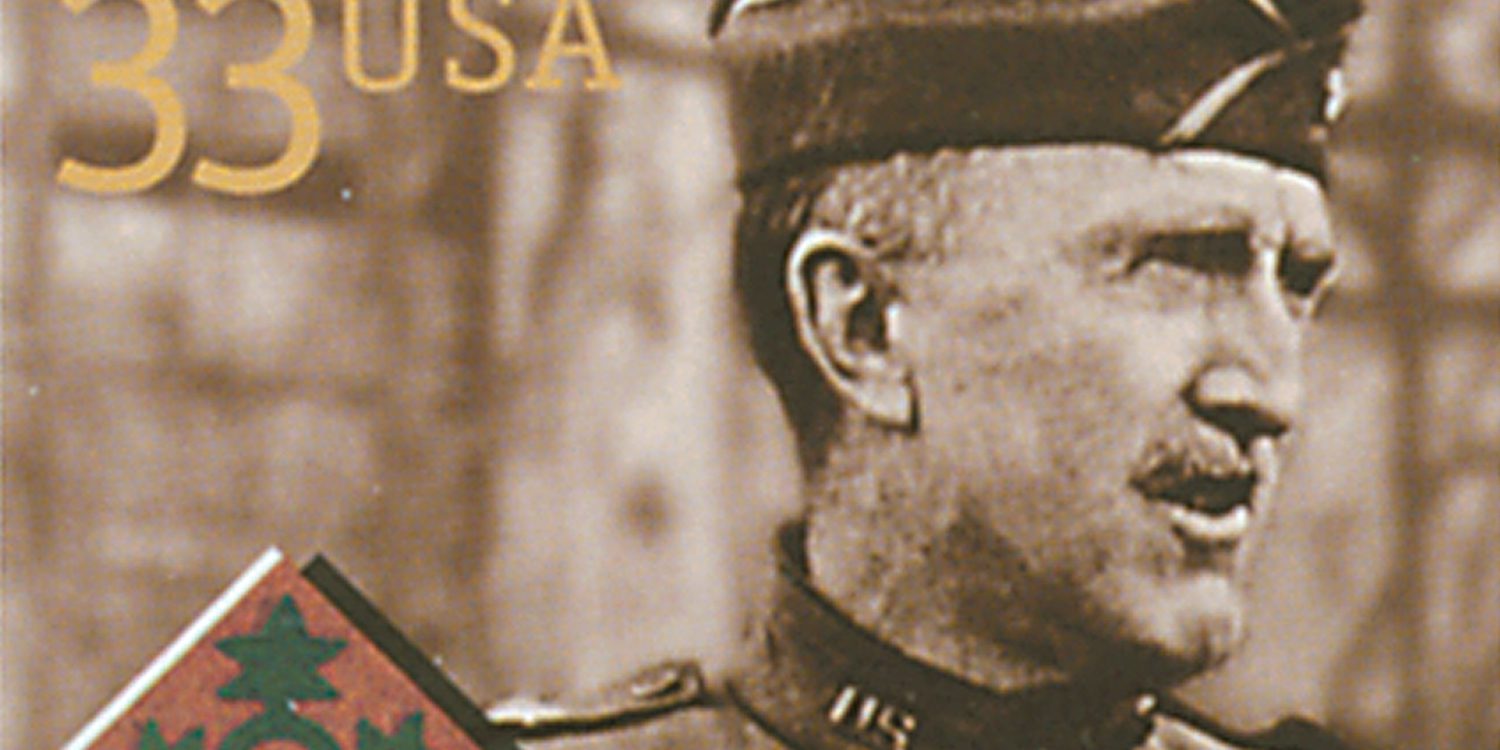
    General John Leonard “Birdie” Hines was born on May 21, 1868, in White Sulphur Springs, West Virginia. During World War I, Hines successively commanded a regiment, brigade, division, and corps in combat. He was the first person to do that since the Civil War.

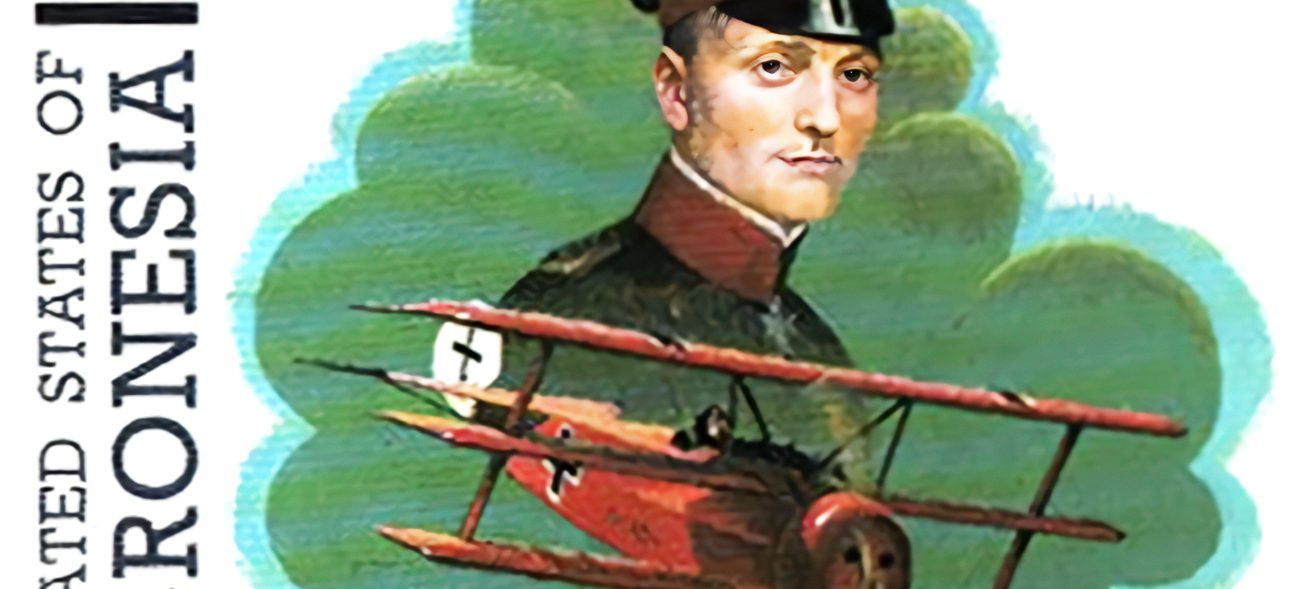
  • Red Baron’s Final Victory

    On April 20, 1918, Manfred von Richthofen—known around the world as the Red Baron—shot down his 80th enemy aircraft, setting a record for World War I. Within a day, his remarkable career would come to an abrupt end, cementing his place as the war’s most recognized flying ace.

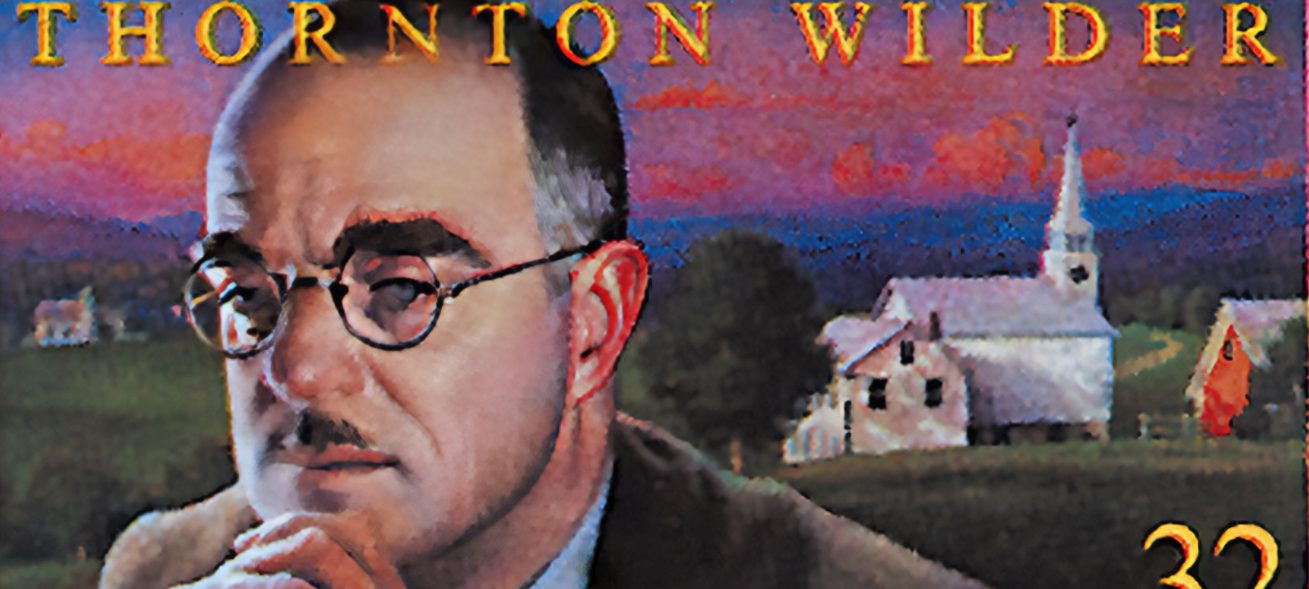
  • Birth of Thornton Wilder

    On April 17, 1897, playwright and novelist Thornton Wilder was born in Madison, Wisconsin. Over the next several decades, he would become one of America’s most respected writers, known for works that explored everyday life with unusual clarity and structure.

  • Battle of Verdun

    On February 21, 1916, one of the longest battles on the Western Front began at Verdun. The nearly 10-month battle ended in a French victory, but at a high cost of lives on both sides. 

  • Birth of Omar Bradley

    US General Omar Nelson Bradley was born on February 12, 1893, in the small town of Clark, Missouri—far from the battlefields where he would one day command millions. Known as the “GI’s General,” Bradley rose from humble beginnings to become one of America’s most trusted military leaders of World War II.

  • Birth of Neysa McMein

    Neysa McMein, born on January 24, 1888, helped shape how America saw itself during the early 20th century through powerful images that appeared everywhere from magazines to movie studios. Her art captured modern beauty, wartime patriotism, and celebrity culture at a moment when illustration defined public life.

  • Death of Former President Harry Truman 

    On December 26, 1972, America’s 33rd president, Harry S. Truman, died, closing the chapter on a leader who had guided the nation through the final days of World War II and the uncertain dawn of the Cold War. Plainspoken and decisive, Truman rose from humble beginnings to make some of the most consequential choices in US history—decisions that reshaped America’s role on the world stage and still spark debate today.