
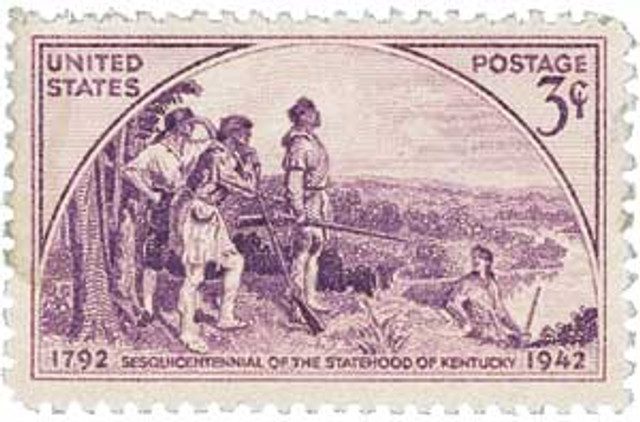
On June 1, 1792, Kentucky became America’s 15th state and the first state west of the Appalachian Mountains. Its admission marked a new stage in the nation’s growth, as settlers pushed through mountain passes into a region long valued for its rivers, forests, wildlife, and rich farmland.
Native peoples had lived in the region for thousands of years before Europeans arrived. By the 1700s, Kentucky was used and contested by several Native nations, including the Shawnee, Cherokee, Chickasaw, and others. The land held important hunting grounds, salt licks, river routes, and trails. European settlement brought violent conflict as more colonists claimed land already tied to Native communities.
French and English explorers moved through the region in the late 1600s and early 1700s. In 1750, Dr. Thomas Walker explored eastern Kentucky and passed through the Cumberland Gap, a natural opening in the Appalachian Mountains. That pass later became one of the main routes into Kentucky.
Daniel Boone became the best-known frontier figure connected to Kentucky. He entered the region in 1767 and returned in 1769, when he spent two years hunting and exploring. In 1775, Boone helped mark the Wilderness Road through the Cumberland Gap for the Transylvania Company. That same year, he helped establish Boonesborough along the Kentucky River. The route became a major path for settlers moving west.
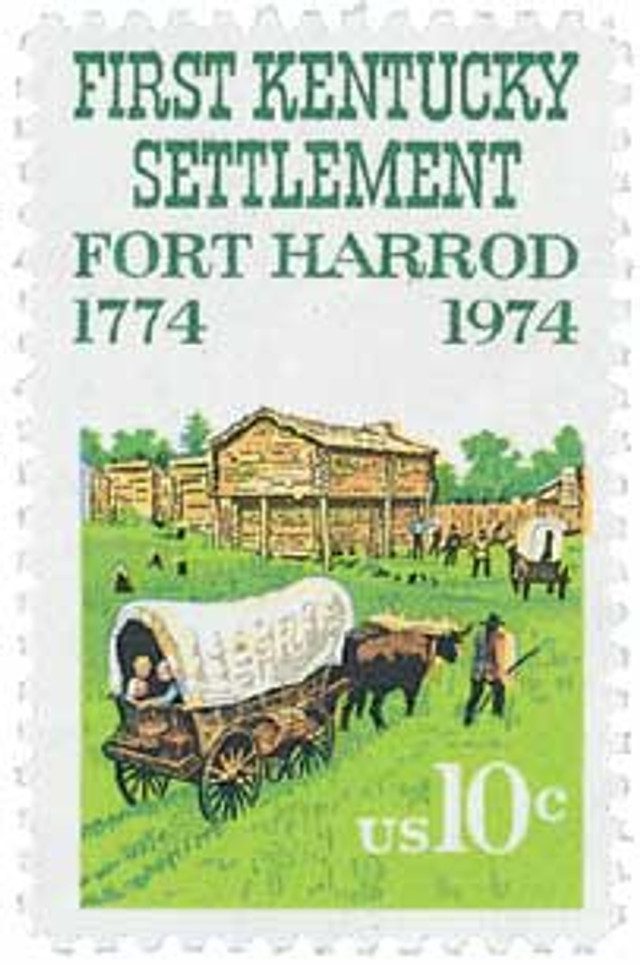
Other settlements followed. James Harrod founded Harrodsburg in 1774, making it one of the earliest permanent European settlements in Kentucky. Lexington was founded in 1775 and named after the Revolutionary War battle in Massachusetts. Louisville began near the Falls of the Ohio, an important place where boats had to stop before continuing downriver.
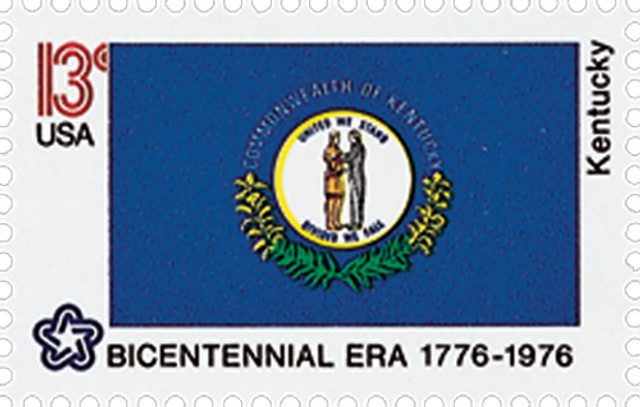
Kentucky was first organized as part of Virginia. In 1776, Virginia created Kentucky County. Later, the area was divided into three counties. During the Revolutionary War, the region was exposed to raids and attacks. British forces in the Northwest supplied some Native allies, while Kentucky settlers defended forts and stations. George Rogers Clark led campaigns against British posts north of the Ohio River, including Kaskaskia and Vincennes. Those victories helped weaken British influence in the region.
After the Revolution, many Kentuckians wanted separation from Virginia. The mountains made travel to Virginia’s capital difficult. Settlers also wanted stronger protection, better courts, and more control over land issues. Statehood required several conventions and negotiations. Congress approved Kentucky’s admission, and the state officially entered the Union on June 1, 1792. Isaac Shelby, a Revolutionary War veteran, became Kentucky’s first governor.

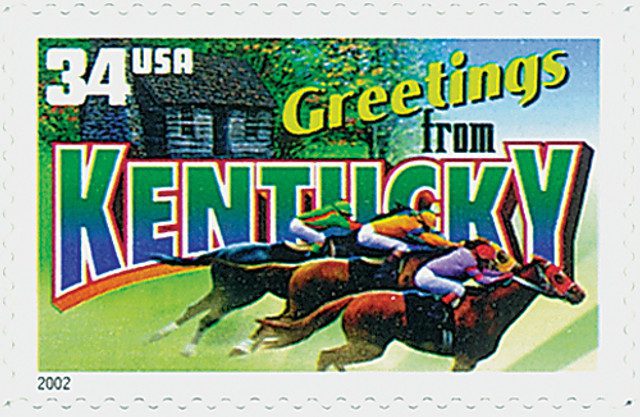
Most early Kentuckians farmed. The Bluegrass region became known for its fertile soil and limestone-rich water. Farmers raised corn, hemp, tobacco, cattle, and horses. Kentucky’s horse industry grew because the central part of the state had strong pastureland. Thoroughbred breeding and racing later became two of Kentucky’s best-known traditions.
Rivers helped connect Kentucky to markets. The Ohio and Mississippi rivers carried farm goods south to New Orleans and beyond. Steamboats, introduced in the early 1800s, made that trade faster and more dependable. Hemp became one of Kentucky’s major crops because it was used for rope and bagging, especially for cotton. Tobacco also grew in importance during the 1800s. Distillers used corn, rye, and limestone water to produce whiskey, helping bourbon become another lasting Kentucky industry.
Kentucky’s location made the Civil War especially difficult. The state had slavery, but it also had strong economic ties to the Union. In 1861, Kentucky first tried to remain neutral. That position collapsed after Confederate troops entered the state and Union troops moved in. Kentucky stayed in the Union, but its people were divided. About 75,000 Kentuckians fought for the Union, while about 35,000 fought for the Confederacy. Families, towns, and political leaders often split over the war.
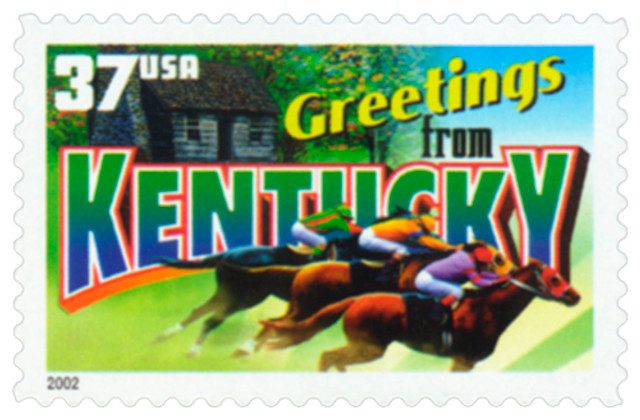
After the war, Kentucky struggled with bitterness, debt, and lost markets. Hemp declined as Southern cotton production dropped. Tobacco remained important, but farmers often faced low prices and powerful buyers. In western Kentucky’s “Black Patch,” tobacco growers fought a violent conflict in the early 1900s against a buying monopoly. Night riders burned barns, warehouses, and crops. The violence helped force changes in tobacco marketing.
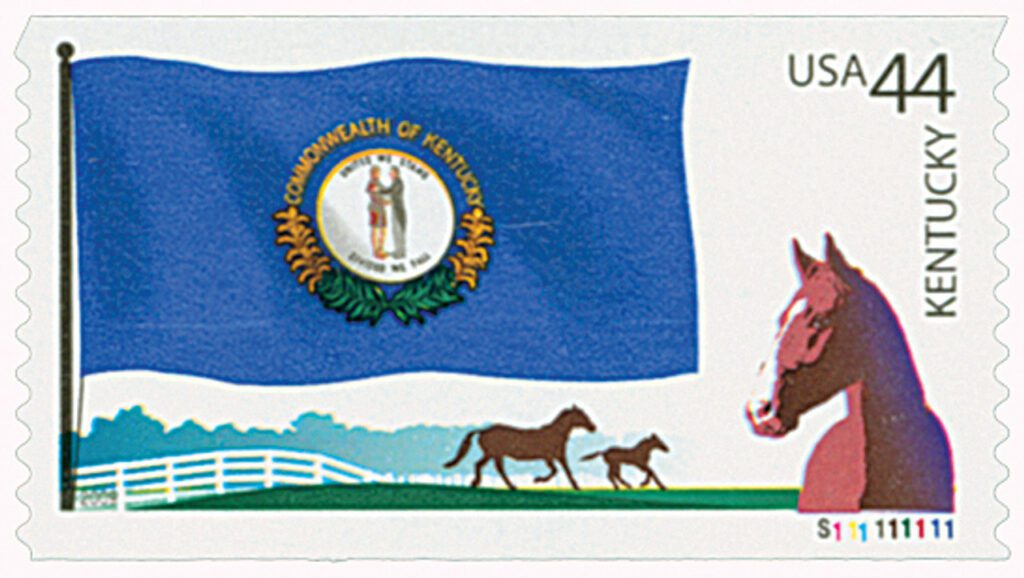
Railroads opened new parts of the state after the Civil War. Coal, timber, oil, and natural gas became important in eastern Kentucky. Louisville grew as a manufacturing and shipping center. The horse industry expanded in the Bluegrass region, and the Kentucky Derby, first run in 1875, became the state’s most famous sporting event.
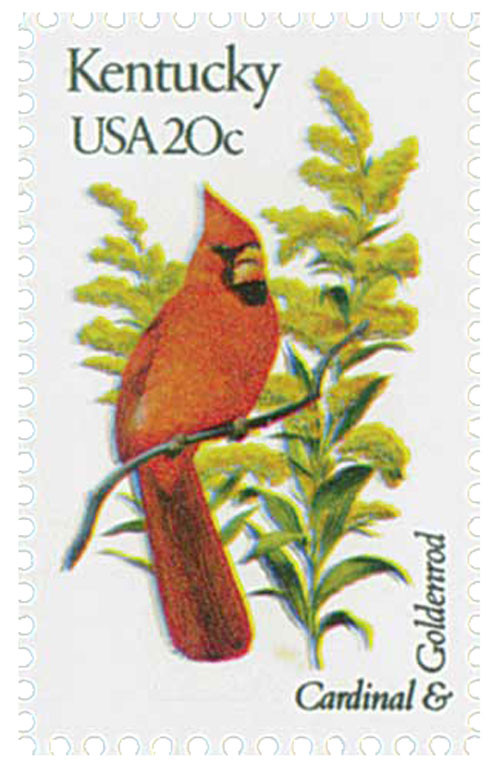
The Great Depression hit Kentucky hard, especially in mining and farming areas. World War II brought new demand for coal, farm products, and factory goods. Later, highways helped tourism grow. Mammoth Cave, horse farms, bourbon distilleries, lakes, Civil War sites, and mountain scenery drew visitors from across the country.
A major modern change came in 1988, when Toyota opened its Georgetown auto plant. The factory helped make Kentucky a major automotive state and attracted many suppliers. Today, Kentucky’s economy is broad. Manufacturing remains central, especially autos, electric vehicle batteries, aerospace products, metals, food and beverage, and bourbon. The state is also a leader in air cargo, helped by UPS Worldport in Louisville and DHL operations in Northern Kentucky. Health care, education, logistics, agriculture, tourism, and horse breeding also remain important. Aerospace has become especially valuable, with Kentucky reporting more than 100 aerospace-related facilities and nearly $19 billion in aerospace exports in 2024. Kentucky’s past is rooted in farms, rivers, horses, and frontier roads, but its economy today also depends on factories, global shipping, advanced manufacturing, and fast-moving supply chains.
| FREE printable This Day in History album pages Download a PDF of today’s article. Get a binder or other supplies to create your This Day in History album. |
Discover what else happened on This Day in History.
The article mentions Simon Kenton for whom Kenton,OH was named. Simon was a contemporary of Boone and was famous in his own right as a frontier man. Keep publishing these snippets of history and stamp information.
The slaves of Kentucky were freed without any payment, because no slave state took up President Lincoln’s offer early in the war to pay owners $400.00 each to free their slaves. Lincoln, a Kentucky native, commented that, “I hope that God is on our side, but I must have Kentucky.” General Ulysses Grant and Naval Flag Officer Andrew Foote helped make sure that was the case in capturing Forts Henry and Donelson in 1862. Anyway, thank you Kentucky for staying loyal (mostly) to the Union during the Civil War.
This article is perfect for me, a horse and stamp lover. Keep up the good work!
My heart belongs to east Kentucky !!! The 3 M’s Mountains , Mines ,& Moonshine. I am a Bicentenial , born in 1976.