“V” for Victory Campaign
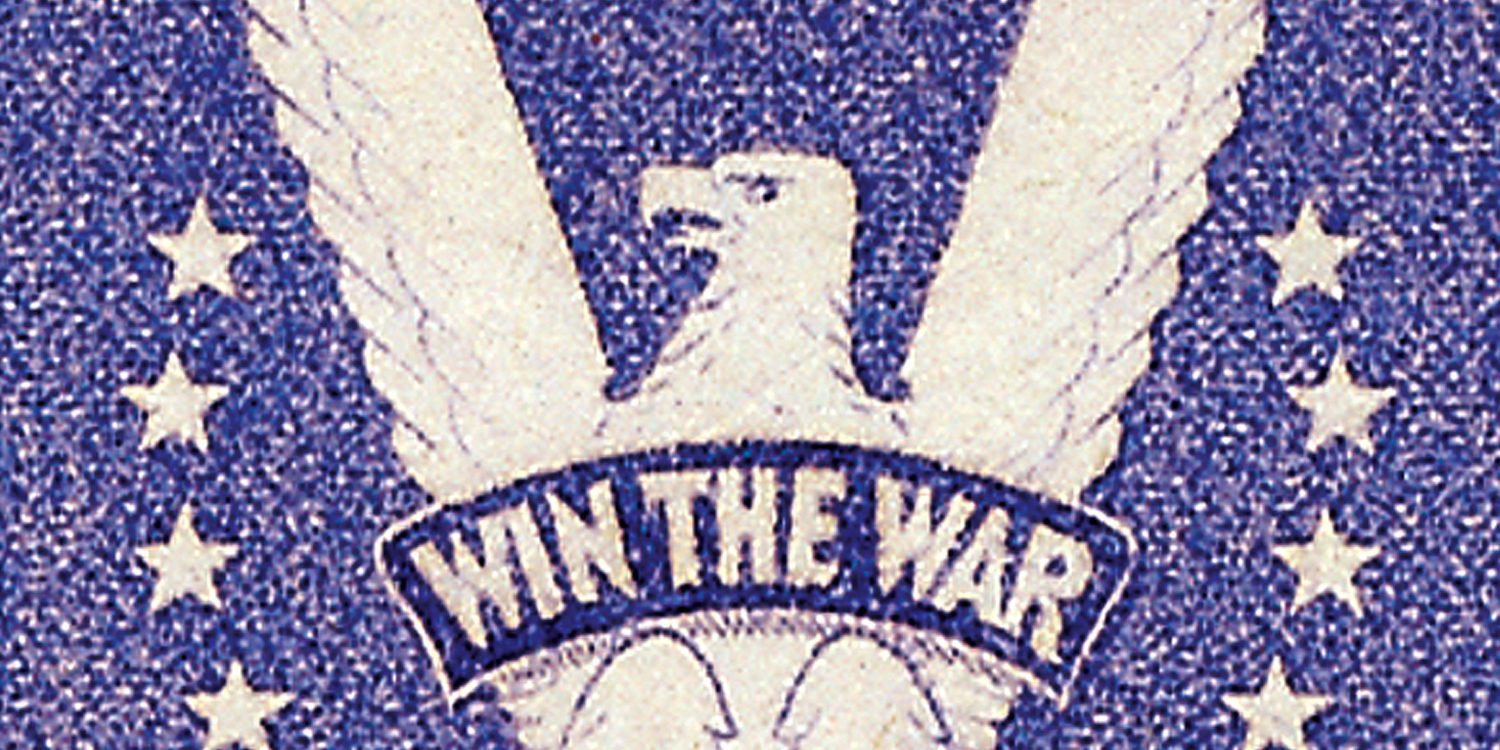
On July 19, 1941, British Prime Minister Winston Churchill officially established the “V” for Victory campaign. The letter “V” became a rallying cry for people in occupied nations as well as Germans who opposed the Nazis.
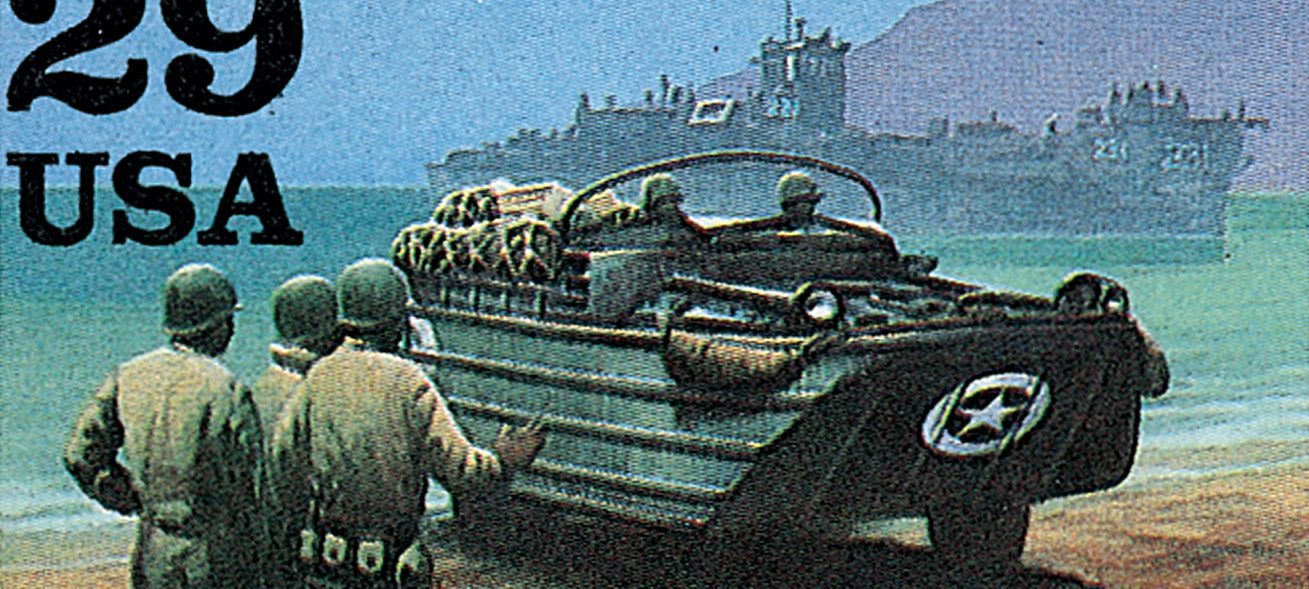
On July 10, 1943, the Allies launched Operation Husky, the invasion of Sicily, with troops dropping from the sky and ships crowding the coast. The attack opened the road to mainland Italy, but it also showed how hard the next stage of the war would be.
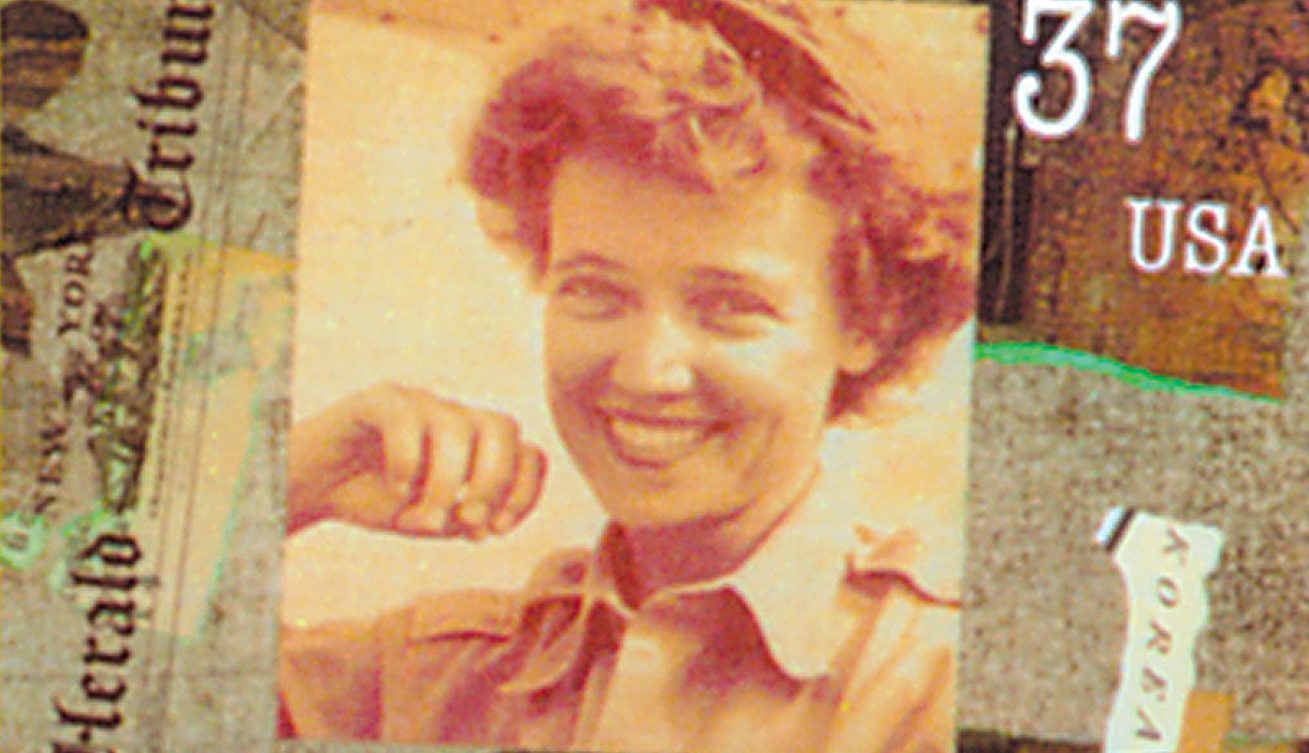
Staff Sergeant Esther McGowin Blake raised her right hand in the very first minute women were allowed to join the US Air Force on July 8, 1948. Her enlistment did not make the Air Force equal overnight, but it marked a clear first step toward a permanent place for women in the nation’s newest military branch.
On July 7, 1942, the United States issued its first stamp with foreign characters as part of the design. The stamp honored China’s fight against Japan and used a small design detail to show a larger wartime friendship.
On June 26, 1945, 50 nations signed the United Nations Charter. After two world wars in less than 30 years, their goal was not to create a perfect world, but to build a place where nations could confront crises before they became another global war.
On June 19, 1934, President Franklin Roosevelt signed legislation creating the National Archives. The archives houses billions of historic documents, photographs, maps, videos, and more.
On June 12, 1963, civil rights activist Medgar Evers was killed while standing in his own driveway. As Mississippi’s first NAACP field secretary, Evers led voter registration drives, investigated racial violence, pushed to desegregate schools and public spaces, and became one of the state’s most visible voices for justice.
On June 11, 1944, the USS Missouri was commissioned into the US Navy, giving America one of the most powerful battleships ever built. Within 15 months, the ship known as “Mighty Mo” would help fight the last major battles of World War II and host the ceremony that formally ended the war.
On June 4, 1940, over 338,000 Allied troops were evacuated from the beaches of Dunkirk after being cut off and surrounded there for weeks.