Holocaust Memorial Museum Dedicated
On April 22, 1993, the United States Holocaust Memorial Museum opened in Washington, DC — a building so deliberately unsettling in its design that its…
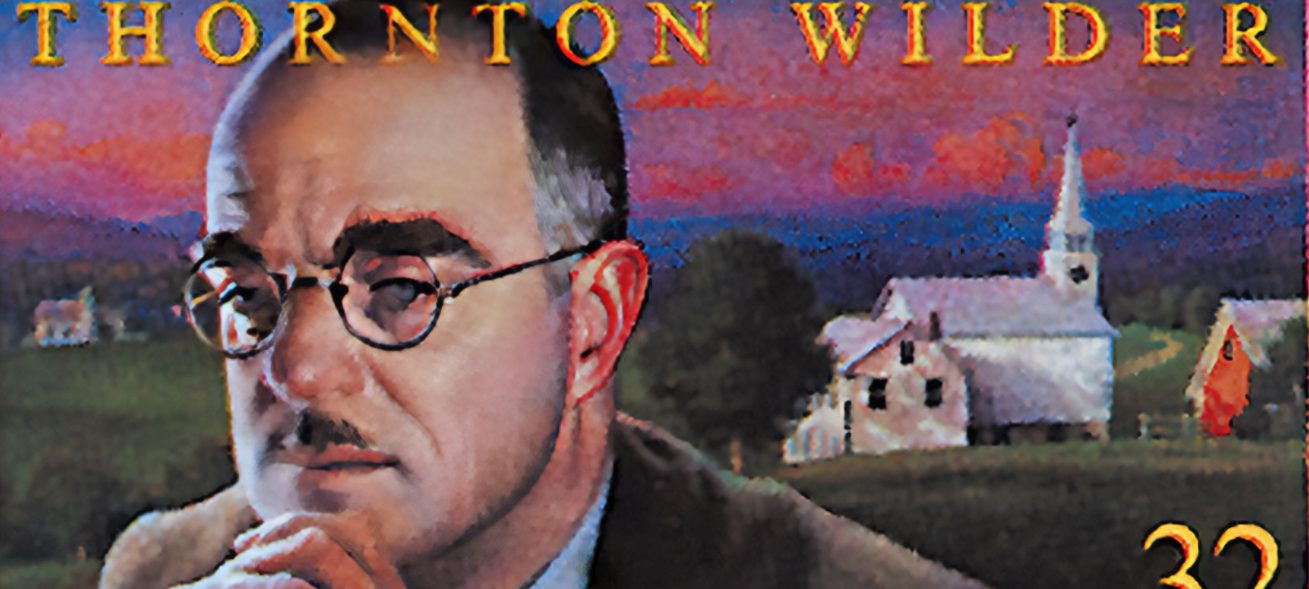
On April 17, 1897, playwright and novelist Thornton Wilder was born in Madison, Wisconsin. Over the next several decades, he would become one of America’s most respected writers, known for works that explored everyday life with unusual clarity and structure.
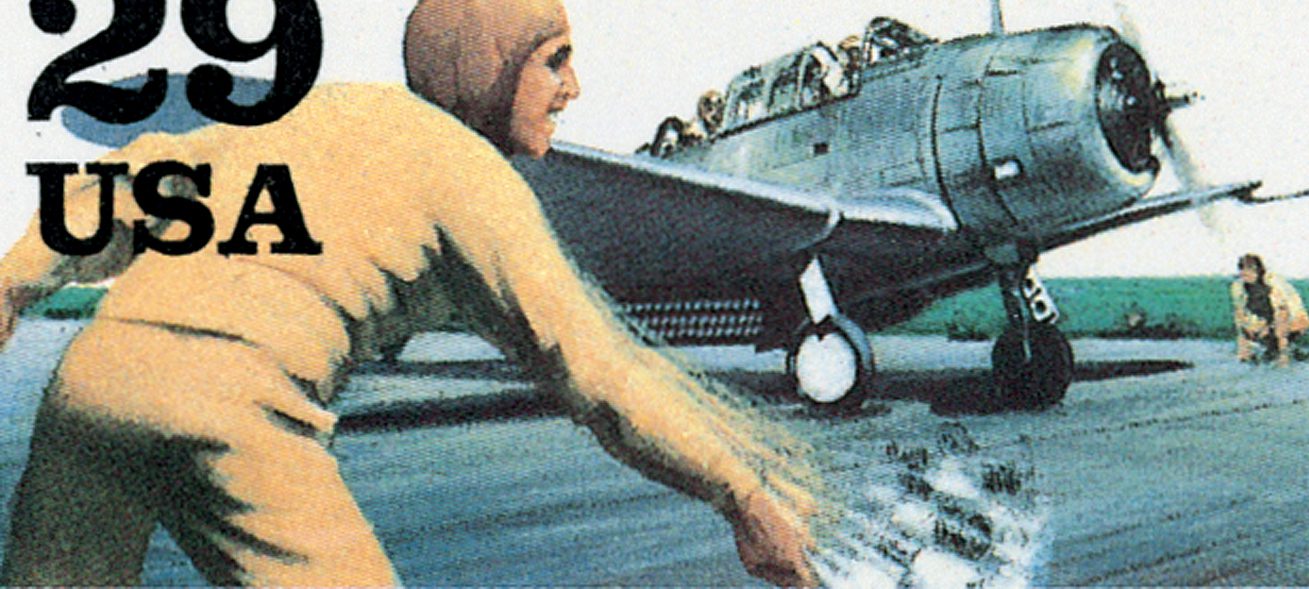
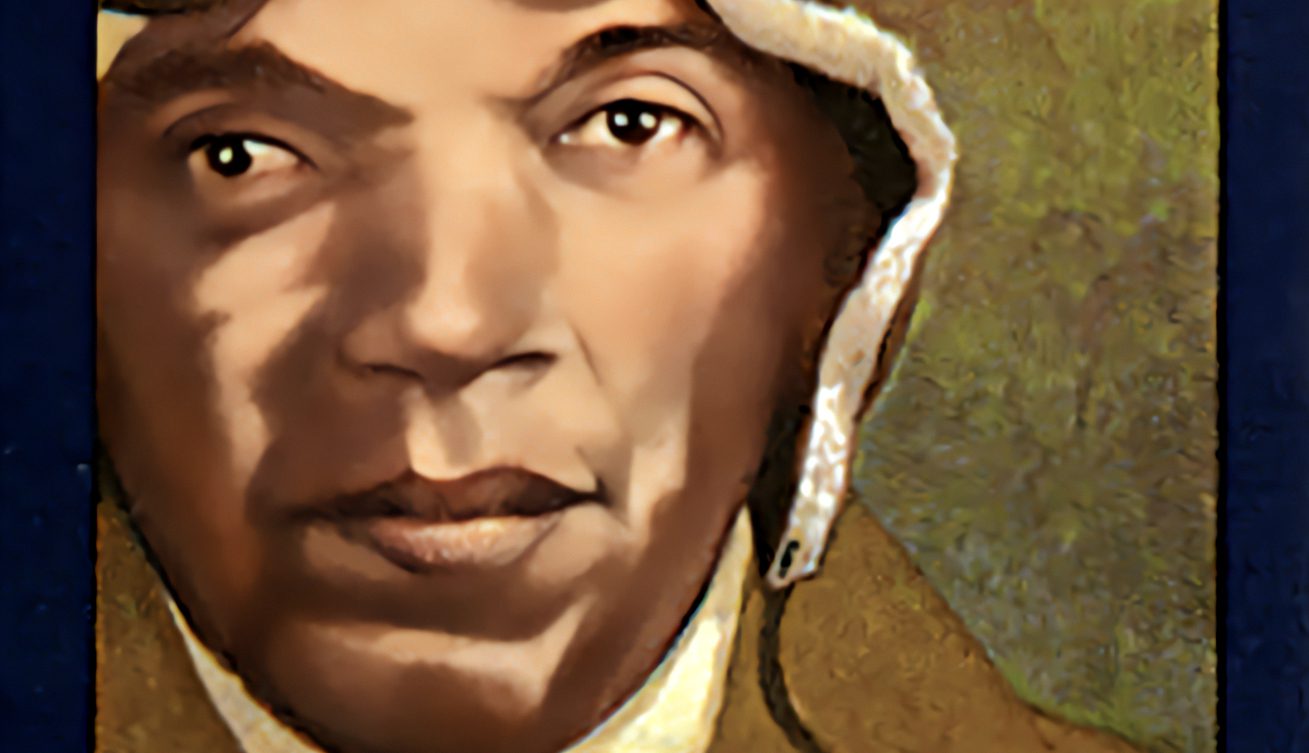
On March 19, 1941, the War Department ordered the creation of the 99th Pursuit Squadron, better known as the Tuskegee Airmen. What began as a reluctant experiment soon became one of the most disciplined and effective fighter programs of World War II.
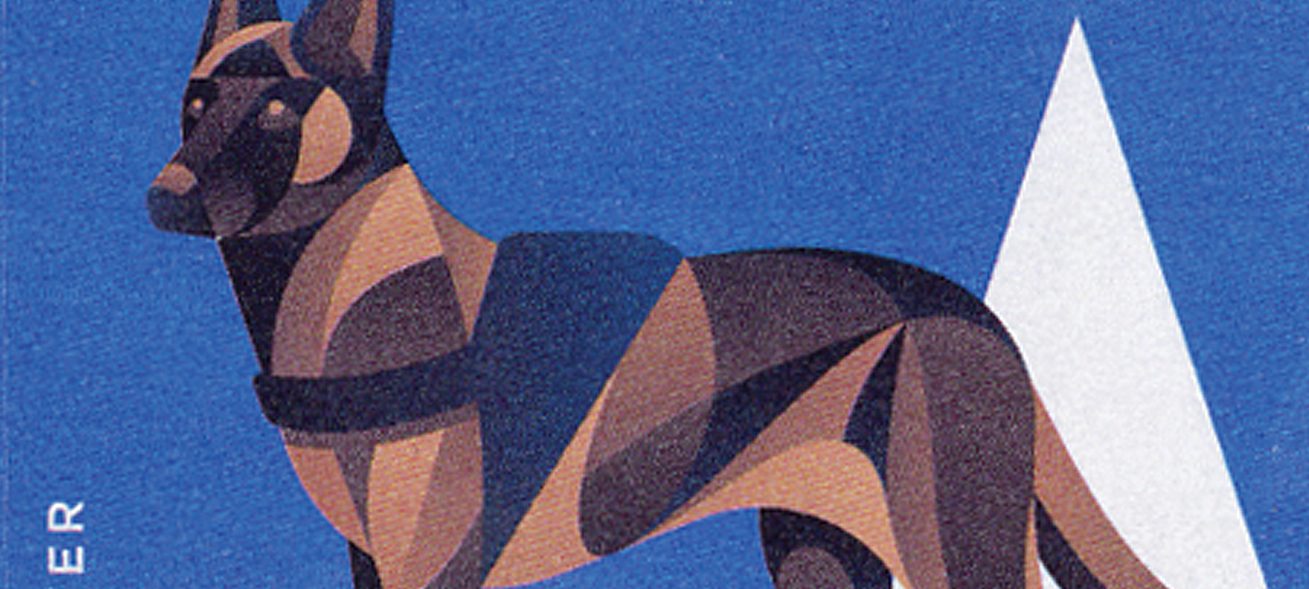
On March 13, 1942, the US Army officially launched its War Dog Program, marking the beginning of organized military service for American dogs. Today, that date is remembered as National K9 Veterans Day, honoring the loyalty, courage, and sacrifice of the dogs that have served beside US troops.
Acclaimed author John Steinbeck was born on February 27, 1902, in Salinas, California. From that small farming town would come a writer whose novels captured the struggles of migrant workers, ranch hands, and families uprooted by the Great Depression.
On February 23, 1942, millions of Americans were gathered around their radios listening to President Franklin D. Roosevelt’s fireside chat. At almost the same moment — 7:15 p.m. Pacific time — a Japanese submarine surfaced one mile off the California coast and began shelling an oil field near Santa Barbara. The war had just arrived on the American mainland.
On February 19, 1943, the Battle of Kasserine Pass began, marking the first major clash between American and German forces in North Africa. The fight quickly tested the strength, training, and leadership of US troops as they faced experienced Axis armored units in the rugged mountains of Tunisia.
US General Omar Nelson Bradley was born on February 12, 1893, in the small town of Clark, Missouri—far from the battlefields where he would one day command millions. Known as the “GI’s General,” Bradley rose from humble beginnings to become one of America’s most trusted military leaders of World War II.
On January 26, 1945, Audie Murphy single-handedly held off an entire company of German soldiers at the Colmar Pocket in France. His incredible courage under fire not only saved his unit from destruction but also earned him the Medal of Honor, making him a lasting symbol of American heroism in World War II.