
On April 22, 1993, the United States Holocaust Memorial Museum opened in Washington, DC — a building so deliberately unsettling in its design that its architect, a Jewish child refugee from Nazi Germany, once said he wanted its central hall to feel like “a scream.” Fifteen years and $168 million in private donations had led to this moment.
On November 1, 1978, President Jimmy Carter established the President’s Commission on the Holocaust, chaired by author and Holocaust survivor Elie Wiesel. The commission submitted a report to Carter in 1979, recommending a national Holocaust memorial and museum, an educational foundation, and a Committee on Conscience. After a unanimous vote by Congress in 1980, the federal government made available 1.9 acres of land adjacent to the Washington Monument for construction.
What rose on that land was no ordinary building. Architect James Ingo Freed was born in Essen, Germany, in 1930. At age eight, he was evacuated from Europe with his younger sister and eventually settled in Chicago. When he first began designing the museum, he was stuck. After three months, he packed his bags and traveled to the camps — Auschwitz, Birkenau, Dachau, Treblinka, and others. What he saw changed everything.
Freed visited Holocaust sites, camps, and ghettos to study their structures and materials. The museum he built is not a neutral shell. Its architecture — through abstract forms drawn from memory — alludes to the history it addresses. Four towers on the north side of the building represent the watchtowers of the death camps. Triangular shapes throughout the structure reference the badges used to mark Jewish prisoners. For the vast, three-story Hall of Witness, Freed used the tough language of early industrial architecture — massive brick walls and crisscrossing steel girders. The message was deliberate: the same architecture of technology and progress had been horribly twisted to build factories of death.
In the Hall of Remembrance, a steel box contains soil from various death camps, over which burns an eternal flame. Small triangular windows offer glimpses of the Lincoln, Jefferson, and Washington Memorials — structures that pledge the very freedoms the Holocaust destroyed.
Nearly $190 million was raised from private sources for the building’s design, artifact acquisition, and exhibition creation. Construction began in July 1989 and ended in April 1993. During those years, the museum’s founding director, Jeshajahu Weinberg, led the exhibition planning and artifact acquisition process.
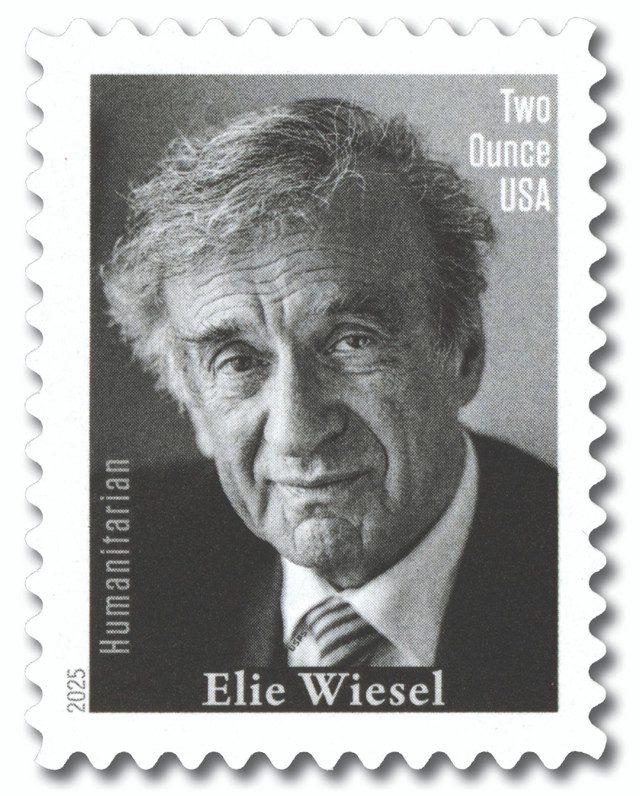
The dedication crowd included Holocaust survivors, World War II veterans, heads of state, and representatives from twenty different countries. Speakers included President Bill Clinton, Israeli President Chaim Herzog, Council Chairman Harvey Meyerhoff, and Elie Wiesel, the 1986 Nobel Peace Prize laureate. Wiesel shared the story of his own mother, a victim of the Holocaust, and reminded the audience of society’s responsibility to prevent such atrocities from ever recurring. Clinton called the museum a “sacred trust.” Four days later, on April 26, the museum officially opened to the general public. Its very first visitor was the Dalai Lama of Tibet.
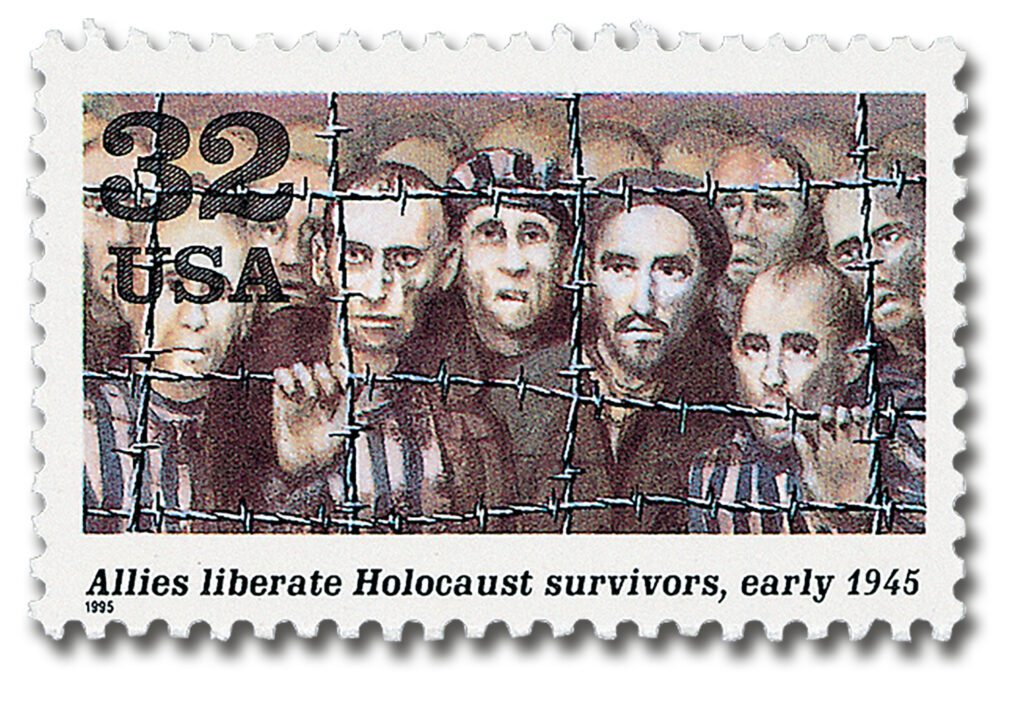
Upon entering the permanent exhibition, visitors ride large industrial elevators to the fourth floor. Each person receives an identification card telling the story of a specific Holocaust victim or survivor. From there, visitors walk a chronological path through history — from the Nazi rise to power in 1933 to the end of World War II in 1945. Along the way, the Tower of Faces presents a three-story display of over one thousand photographs of Jewish life in Europe before the Holocaust. The exhibition uses more than 900 artifacts, 70 video monitors, and four theaters.
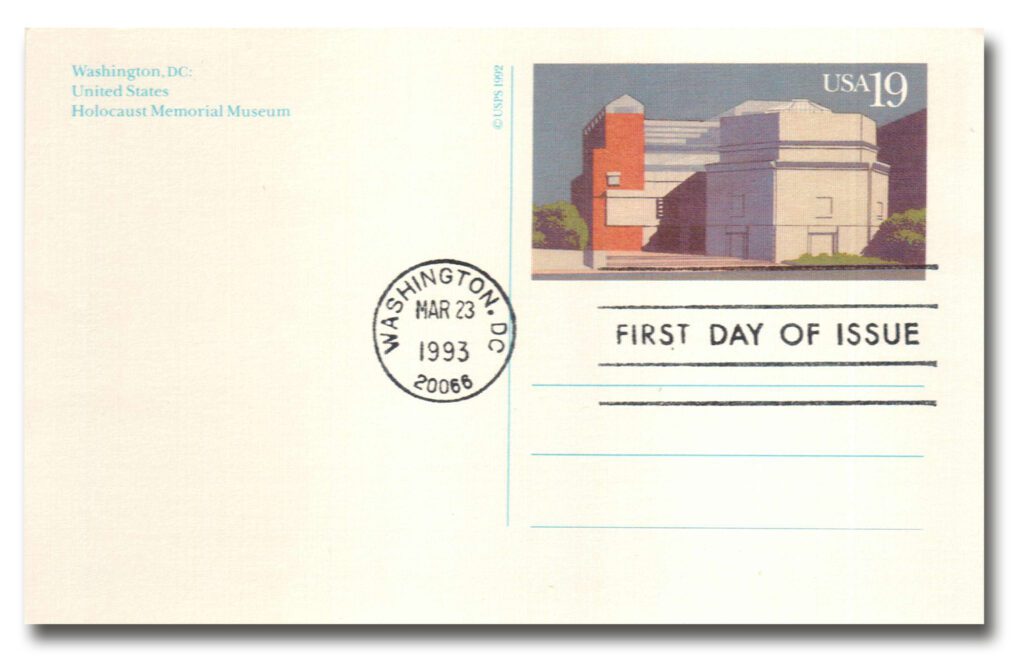
Since its dedication, the museum has welcomed nearly 40 million visitors, including more than 10 million school children, 120 heads of state, and more than 3,500 foreign officials from over 132 countries. Those numbers are a testament to something Elie Wiesel understood before the first brick was laid — that forgetting is its own kind of danger.
Click here to visit the museum’s official website.
| FREE printable This Day in History album pages Download a PDF of today’s article. Get a binder or other supplies to create your This Day in History album. |
Discover what else happened on This Day in History.
A terrible time in history. Doesn’t matter if your Jewish or not, this should never happen again.
What about the Holocaust perpetrated by the Spaniards on the Aztecs, Incas, Olmecs, Toltecs, etc
All in the name of the Pope, the Vatican, and the Catholic Church. It is interesting that in both Mexico and Peru, there are no museums dedicated to the tens of millions exterminated by the Conquistadores,
in their search for the riches of gold, silver, and other precious metals. Let’s not forget the Holocaust carried out by the Turks against the Armenians, in 1918. And the Holocaust directed against the Cambodians by one of their own: Sa lot Sar, better known as Pol Pot. Not to mention the number of death directed by Genghis Khan, and the toll during the Chinese Civil War.
With the terrible rise of antisemitism that we are seeing these days, it’s a good thing that we have this museum, to show the reality of the hatred that tried to exterminate the Jewish people very recently, and prevent it from ever happening again.
Thanks for the great article.