
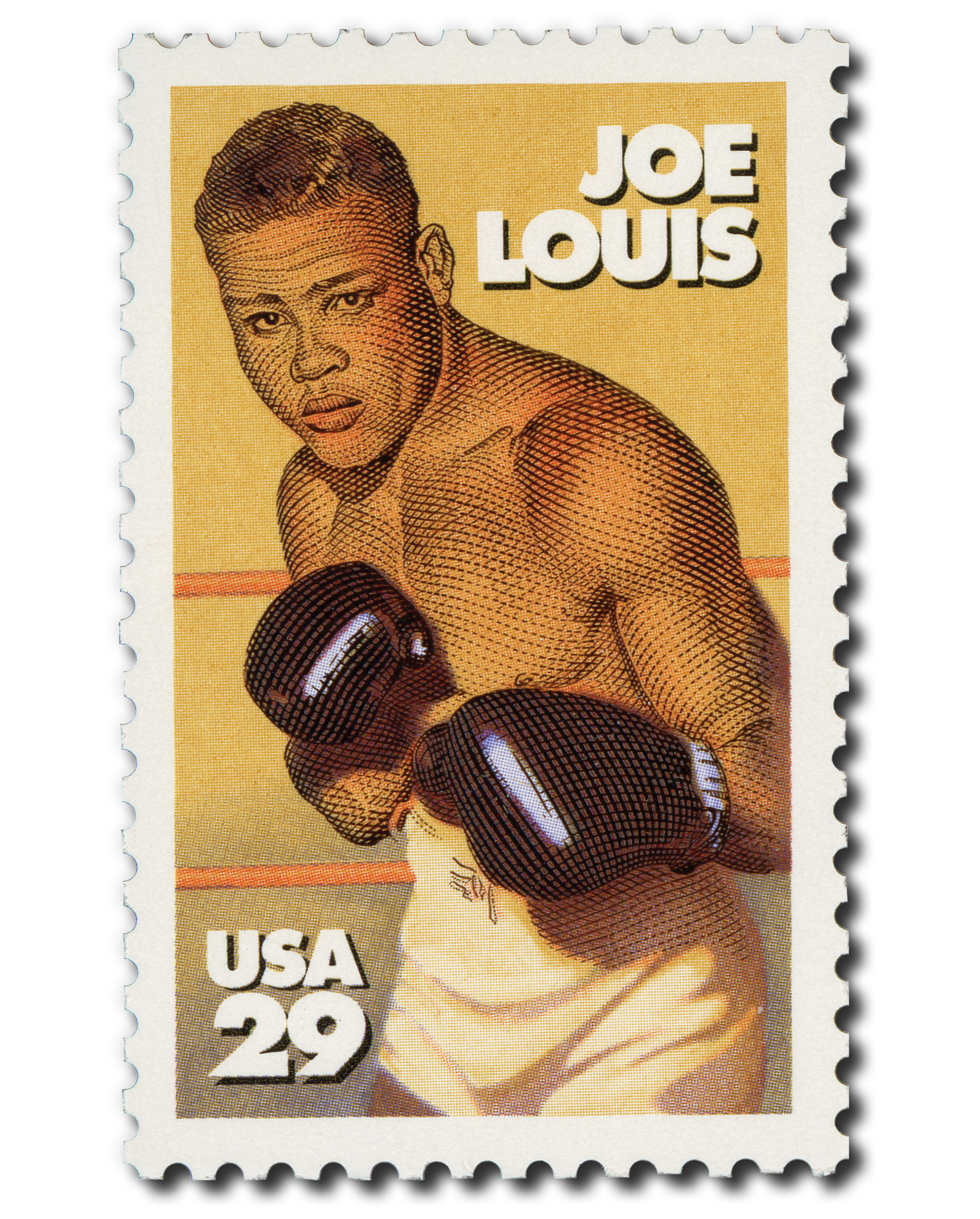
On May 13, 1914, Joe Louis Barrow was born near Lafayette, Alabama. He would become Joe Louis, the “Brown Bomber,” a heavyweight champion whose calm power in the ring carried meaning far beyond boxing.
Louis was born into poverty in rural Chambers County, Alabama. His parents, Munroe Barrow and Lillie Reese Barrow, were children of formerly enslaved people. Joe was one of eight children, and the family lived in crowded conditions. Work was hard to find, and racial violence shaped daily life in the South. In 1926, his mother moved the family to Detroit, joining the Great Migration of Black families seeking safer lives and better jobs in northern cities.
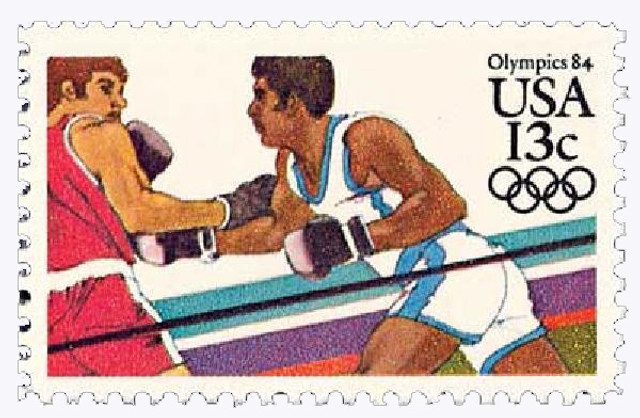
Detroit gave Louis a different path. As a boy, he was quiet and shy. His mother wanted him to learn the violin, but Louis became interested in boxing. He trained at the Brewster Recreation Center, a gym that produced several strong fighters. To keep his boxing secret from his mother, he reportedly carried his gloves in his violin case. When he began fighting, he shortened Joseph Louis Barrow to Joe Louis.
Louis developed quickly as an amateur. In 1934, he won the National AAU light heavyweight championship. That same year, he turned professional. He made his pro debut on July 4, 1934, and soon became known for his balance, timing, and crushing right hand. He was not a wild puncher. He was patient and accurate, often letting opponents make the first mistake.
By 1936, Louis was unbeaten as a professional and seemed headed straight for the heavyweight title. Then came Max Schmeling. Schmeling, a former heavyweight champion from Germany, studied Louis carefully. He noticed that Louis sometimes dropped his left hand after throwing a jab. On June 19, 1936, Schmeling knocked Louis out in the 12th round. It was Louis’s first professional defeat.
The loss did not stop him. Louis rebuilt his career and earned a title shot against James J. Braddock, the “Cinderella Man.” On June 22, 1937, at Comiskey Park in Chicago, Braddock knocked Louis down in the first round. Louis stayed composed. In the eighth round, he knocked Braddock out and became heavyweight champion of the world. He was 23 years old.
One year later, Louis faced Schmeling again. By then, the rematch had become more than a boxing match. Adolf Hitler’s Nazi Germany had used Schmeling’s earlier win for propaganda, though Schmeling himself was not a Nazi Party member. In the United States, many Americans saw Louis as the nation’s representative in the ring. On June 22, 1938, at Yankee Stadium, Louis overwhelmed Schmeling. The fight lasted only 2 minutes and 4 seconds. Louis won by technical knockout in the first round.
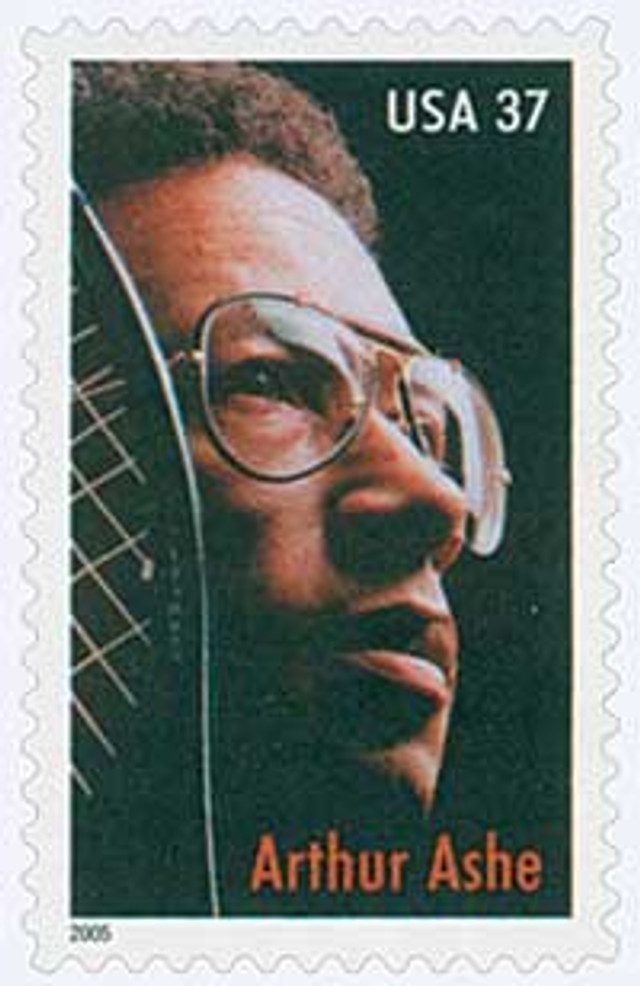
Arthur Ashe later wrote that Louis represented “his race” at a crucial time in Black American history. Ashe noted that boxing and track and field were among the few arenas where Black athletes could rise as far as their talent allowed. He also called Louis, in his prime, “the best known and most admired Black man on earth.” That praise points to Louis’s rare place in American life. He was admired for winning, but also for the way he carried himself under pressure.
Louis held the heavyweight title from 1937 until 1948 and made 25 successful title defenses, a record for the division. His opponents included Billy Conn, Jersey Joe Walcott, Max Baer, Tony Galento, and Buddy Baer. His professional record ended at 66 wins, 3 losses, and 52 knockouts.

During World War II, Louis served in the US Army. He fought exhibition matches, helped raise money, and became a public symbol of Black military service at a time when the armed forces were still segregated. His service did not erase discrimination, but it added another layer to his public meaning. Louis retired as champion in 1949, then returned because of financial troubles. He lost to Ezzard Charles in 1950 and Rocky Marciano in 1951.
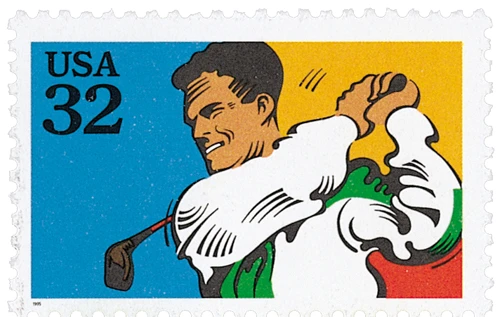
Louis also made history in golf. He loved the game and became a serious amateur player after his boxing career. In 1952, he received a sponsor’s exemption to play in the San Diego Open. The PGA still had a “Caucasian-only” clause at the time, and Louis used his fame to challenge it. He missed the cut there, but two weeks later he played in the Tucson Open and did make the cut. Louis also supported Black golfers, including Ted Rhodes and Bill Spiller, who were fighting for access to PGA events.
Louis died on April 12, 1981. In 1990, he was part of the first class inducted into the International Boxing Hall of Fame. His career remains one of the clearest examples of athletic excellence shaped by the racial limits, public hopes, and national tensions of his time.
| FREE printable This Day in History album pages Download a PDF of today’s article. Get a binder or other supplies to create your This Day in History album. |
Discover what else happened on This Day in History.
President Ronald Reagan waived the eligibility rules for burial at Arlington National Cemetery and Louis was buried there with full military honors on April 21, 1981. His funeral was paid for in part by former competitor and friend Max Schmeling, who also acted as a pallbearer.
Louis was the great hope of African-Americans during his time and fulfilled their expectations without fault. A great athlete, a great American and an even great man. What a great jester made by Schmeling another great athlete of his time and a better man.